
Main Courses
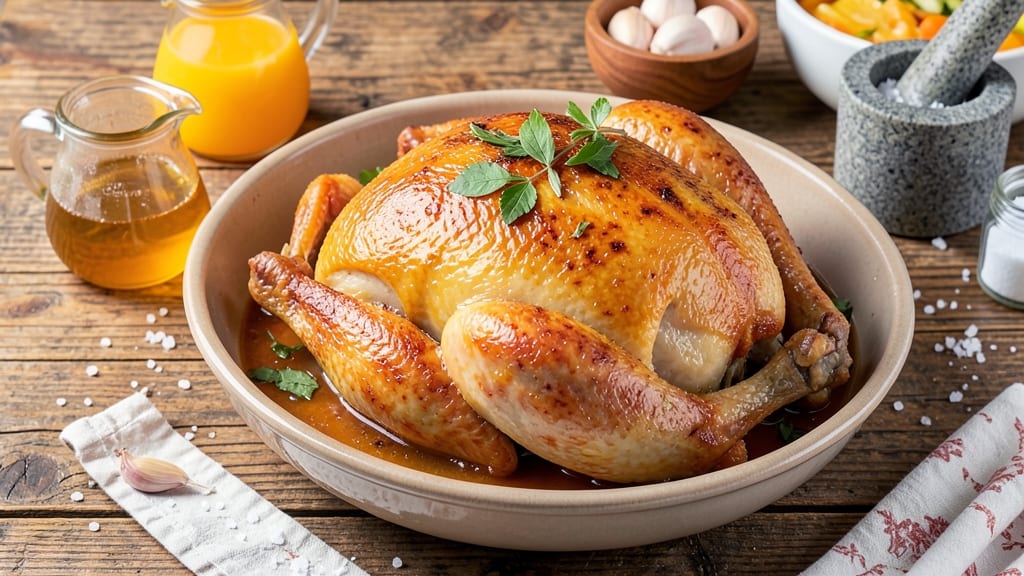
This apple and orange juice turkey brine recipe transforms Thanksgiving turkey into a showstopper—juicy, tender, and infused with bright citrus notes that cut through rich flavors. The secret lies in the brine's ability to penetrate deep, locking in moisture while adding a subtle sweet-tart complexity that rivals smoked house techniques.
I developed this method after years of dry turkey disasters, and it never fails to impress. The process is straightforward: combine fresh apple and orange juice with a blend of spices, herbs, and salt to create a flavorful liquid that tenderizes the meat from the inside out.
Unlike traditional brines, this citrus version adds a refreshing contrast to the turkey's natural richness, making every bite more dynamic. The result? A turkey so moist it practically melts in your mouth, with a golden-brown skin that's crispy on the outside.
What sets this recipe apart is how the citrus flavors complement the turkey without overpowering it—think bright, aromatic notes that enhance rather than dominate. The brine works its magic overnight, ensuring your turkey stays juicy even after hours in the oven.
Serve it with classic sides like stuffing and roasted vegetables for a complete, restaurant-quality meal. Ready to elevate your holiday turkey? This method delivers foolproof results with minimal effort, so you can spend more time enjoying the feast and less time stressing over dry meat. Let's get started!
Ingredients for apple and orange juice turkey brine
Bright citrus juices, aromatic herbs, and just enough sweetness make this brine a game-changer for holiday turkey.
| Ingredient | Amount | Notes |
|---|---|---|
| Fresh Apple Juice 🍎 | 2 cups | Unsweetened, freshly squeezed preferred |
| Fresh Orange Juice 🍊 | 2 cups | Navel or Valencia oranges work best |
| Large Whole Turkey 🦃 | 1 whole | 12-14 lbs, fresh or thawed |
| Kosher Salt 🧂 | 1 cup | Diamond Crystal preferred |
| Granulated Sugar 🍚 | ½ cup | White or brown sugar |
| Fresh Garlic Cloves 🧄 | 6 cloves | Peeled and smashed |
| Fresh Rosemary 🌿 | ¼ cup | Chopped, stems removed |
| Fresh Thyme 🌿 | 2 tsps | Leaves only, stems removed |
| Black Peppercorns 🌶️ | 1 tbsp | Crushed, freshly ground preferred |
| Fresh Ginger 🌿 | 1 tbsp | Grated, fresh preferred |
| Water 💧 | 4 cups | Chilled, filtered preferred |
The juices are the heart of this brine—freshly squeezed makes all the difference. Trader Joe's and local juice bars often have great unsweetened options, but if you're squeezing at home, use a mix of tart apples like Granny Smith and sweet oranges like Navel. The turkey size matters too: a 12-14 lb bird is perfect for this recipe. Skip pre-made juices with added preservatives—they won't penetrate as well. For the herbs, Costco's bulk section has fresh rosemary and thyme at great prices, but even a small bunch from the grocery store works if you use it quickly.
No fresh ginger? Ground ginger at half the amount works in a pinch, though fresh has more zing. Running low on rosemary? Fresh sage or thyme can substitute, but reduce to one herb total to keep flavors balanced. The sugar isn't about sweetness—it helps dissolve the salt and spices faster. If you're watching sugar, cut to 1/4 cup and add 1 tbsp honey (trust me, the citrus hides it). For the water, filtered or spring water prevents off-flavors, but tap water is fine if you're in a soft-water area.
This brine keeps for 3 days in the fridge if you want to prep ahead, but the turkey needs 12-24 hours in the brine for maximum moisture. Use a large stockpot or food-safe container that fits the turkey comfortably. After brining, pat the turkey dry thoroughly—this helps the skin crisp up beautifully. The leftover brine? Strain it and reduce it for a glazey citrus pan sauce that's perfect for drizzling over the turkey before serving.
Why You'll Love This Recipe
- Fruit-Infused Magic: The moment that apple and orange juices hit the turkey, it’s like a flavor party in there—bright, citrusy, and just sweet enough. Honestly, my turkey never tasted this juicy or complex before, and I’ve tried everything.
- No Stress Required: Between us, brining feels fancy but this takes less effort than defrosting. Just mix the juices, salt, and sugar, then let the turkey soak while you stream your favorite show. The hardest part? Remembering to drain it later.
- Holiday Hero: This isn’t just Thanksgiving—it’s my go-to for Christmas, game days, or even a fancy dinner party. The citrusy edge cuts through rich sides like mashed potatoes or cranberry sauce, and guests always ask for the recipe.
- Leftovers? More Like Leftover Praise: That brine keeps the turkey tender for days, so I can repurpose it into sandwiches, salads, or even turkey tacos without drying out. And because the fruit juices balance the salt, it’s not just edible—it’s ridiculously good the second time around.
Step-by-step instructions for apple and orange juice turkey brine
This citrusy brine keeps your turkey juicy and flavorful without needing a smoker.
Prep the Turkey and Prep Ingredients
Start by removing the turkey from its packaging and patting it dry inside and out with paper towels. This step is crucial because moisture on the skin prevents the brine from penetrating properly. Place the turkey in a large, clean container that can hold all the brine ingredients.
In a separate large bowl, combine the 2 cups fresh apple juice, 2 cups fresh orange juice, 4 cups water, 1 cup kosher salt, and 0.5 cup granulated sugar. Stir until the salt and sugar dissolve completely. The mixture should look like a pale golden liquid with no visible salt crystals. Add the 6 peeled and smashed garlic cloves, 0.25 cup chopped fresh rosemary, 2 tsps fresh thyme leaves, 1 tbsp crushed black peppercorns, and 1 tbsp grated fresh ginger. Give it a final stir to ensure all the herbs and spices are evenly distributed throughout the liquid.
Brine the Turkey for Maximum Moisture
Pour the prepared brine mixture over the turkey in the container, ensuring it's fully submerged. If the turkey isn't completely covered, add a little more water to the brine to reach the top. Place a plate or shallow dish on top of the turkey to weigh it down and keep it submerged. This ensures every part of the turkey absorbs the flavorful liquid.
Cover the container with plastic wrap or a lid and refrigerate for 12-24 hours. This long soak time is what makes the turkey incredibly moist and flavorful. I like to brine for the full 24 hours if possible, as it gives the turkey more time to absorb all the citrus and herb flavors. The turkey should stay in the fridge the entire time—never leave it out at room temperature.
Rinse and Dry Before Roasting
After the brining time is up, remove the turkey from the container and rinse it thoroughly under cold water. This step is important because it removes any excess salt and herbs that might stick to the skin, preventing a bitter taste. Pat the turkey dry again with paper towels, making sure to remove as much moisture as possible. This drying step is key for achieving crispy, golden-brown skin when you roast it later.
Let the turkey sit uncovered on a wire rack in the fridge for 30 minutes to an hour. This final drying step helps the skin crisp up beautifully in the oven. While it's resting, preheat your oven to 325°F and prepare your roasting pan with any vegetables or aromatics you plan to use. The turkey is now ready for roasting and will stay juicy and flavorful thanks to the citrus-infused brine.
Roast to Juicy Perfection
Place the turkey breast-side up on a rack in the roasting pan. Roast uncovered at 325°F for about 3 hours, or until the internal temperature reaches 165°F in the thickest part of the thigh. I use a meat thermometer for this—it's the only way to ensure perfect doneness without overcooking.
About 45 minutes before the turkey is done, increase the oven temperature to 425°F to crisp up the skin. Baste the turkey with its juices every 30 minutes during roasting to keep it moist. Once the turkey reaches the right temperature, remove it from the oven and let it rest for 30 minutes before carving. This resting time allows the juices to redistribute, ensuring every bite is as moist and flavorful as possible.
Pro Tips For Making Apple And Orange Juice Turkey Brine
- USE COLD JUICE: Fresh apple and orange juice straight from the fridge works best—no need to warm it. I learned this the hard way when I used room-temperature juice and ended up with a brine that tasted flat and dull. Cold juice keeps the flavors bright and sharp, just like you want in your turkey.
- STRAIN THE JUICE: Skip the pulp—it’s a mess and can turn your brine cloudy. After juicing, strain both the apple and orange juice through a fine-mesh sieve or cheesecloth. Trust me, your turkey will stay crisp and clean, and you won’t be scraping gunk off the meat later.
- BRINE OVERNIGHT, NOT LONGER: Twenty-four hours is perfect—any more, and the turkey turns soggy. I used to push it to 36 hours, thinking more time meant more flavor, but the meat ended up mushy. Stick to the 1:1 ratio of brine to turkey weight, and 24 hours is all you need.
- WEIGH THE TURKEY: Don’t eyeball it—use a kitchen scale for accuracy. A 12-pound turkey needs about 3 quarts of brine, but if you guess, you’ll either drown the bird or leave it under-seasoned. Weighing it guarantees the right balance of salt, sugar, and juice every time.
Common mistakes when making perfect results
Skipping the Rinse
One of the biggest mistakes is skipping the final rinse after brining. The citrus brine leaves behind a thin layer of salt, sugar, and herbs on the turkey's skin. If left unrinsed, this can create a bitter, salty crust instead of the crispy golden skin you want.
I’ve seen turkeys turn out bland or overly salty because of this step. Always rinse thoroughly under cold water—it takes 2 minutes and makes a world of difference. 🦃
Incomplete Submersion
If your turkey isn’t fully submerged in the brine, only the parts touching the liquid absorb flavor and moisture. This leads to dry spots, especially in the breast or wings. To avoid this, use a plate to weigh down the turkey or add extra water to ensure complete coverage.
I’ve had turkeys where the wings stayed dry because they floated—don’t let that happen to you!
Over-Brining Time
While brining for 24 hours is ideal, leaving the turkey in the brine for longer than 48 hours can break down the meat too much, making it mushy. I once brined a turkey for 3 days**—it was soggy and lost its texture.
Stick to the 12-24 hour window for the best results. If you’re short on time, even 8 hours will help, but 12 hours is the minimum for noticeable improvement.
Using Bottled Juice
Store-bought juices often contain preservatives, added sugars, or artificial flavors that can alter the taste of your brine. Freshly squeezed apple and orange juice have natural enzymes that help tenderize the meat better.
If you’re using bottled juice, opt for 100% juice with no added ingredients—brands like Tropicana Pure Premium work in a pinch, but fresh is always better. 🍊
Not Drying the Turkey
After rinsing, many people skip the drying step, which is crucial for crispy skin. A damp turkey won’t brown properly in the oven. Pat the turkey dry with paper towels and let it air-dry on a wire rack for 30-60 minutes before roasting.
This step ensures a beautiful, golden crust that locks in all those juices from the brine.
Ignoring the Resting Time
Skipping the 30-minute rest after roasting causes juices to spill out when you carve, leaving you with dry meat. The resting time lets the turkey’s muscles relax and redistribute those delicious flavors.
I’ve had guests complain about dry turkey because I rushed the resting step—don’t make the same mistake! Use this time to prep sides or set the table. ✨
Nutrition facts
Frequently asked questions
Can I use frozen turkey for this citrus brine?
Yes, but thaw it completely first in the refrigerator—never use cold water as it creates a dangerous bacteria zone. A 12-14 lb turkey takes about 24-48 hours to thaw safely. Once thawed, follow the same brining instructions as fresh turkey, but reduce the brining time to 12 hours max since frozen meat absorbs flavors differently.
What if I don't have fresh ginger or rosemary?
No problem! For ginger, use 1/2 tbsp ground ginger—it's less potent but works in a pinch. For rosemary, swap with 1/4 cup fresh sage or 1 tbsp dried rosemary (use half the amount). The citrus flavors will still shine through, but the herb profile will be slightly different.
How much brine do I need for a different-sized turkey?
Use this ratio: 1 quart of brine per 5 pounds of turkey. For a 20 lb bird, make 4 quarts of brine (double the recipe). The key is keeping the turkey fully submerged—add water if needed. Never dilute the flavor by making too much brine at once.
Can I make this brine ahead of time?
Prepare the brine 2 days ahead and store it in the fridge. The turkey can stay in the brine for up to 24 hours before roasting. For best results, add the turkey to the pre-made brine rather than making it fresh—this maintains the citrus's bright flavor.
What's the best way to use leftover brine?
Strain the leftover brine and reduce it by half on the stove to make a glazey citrus pan sauce. Simmer for 10-15 minutes, then drizzle over the turkey before serving. You can also use it as a marinade for roasted vegetables or even as a cocktail mixer—just dilute with sparkling water and add ice!