
Sauces & Condiments
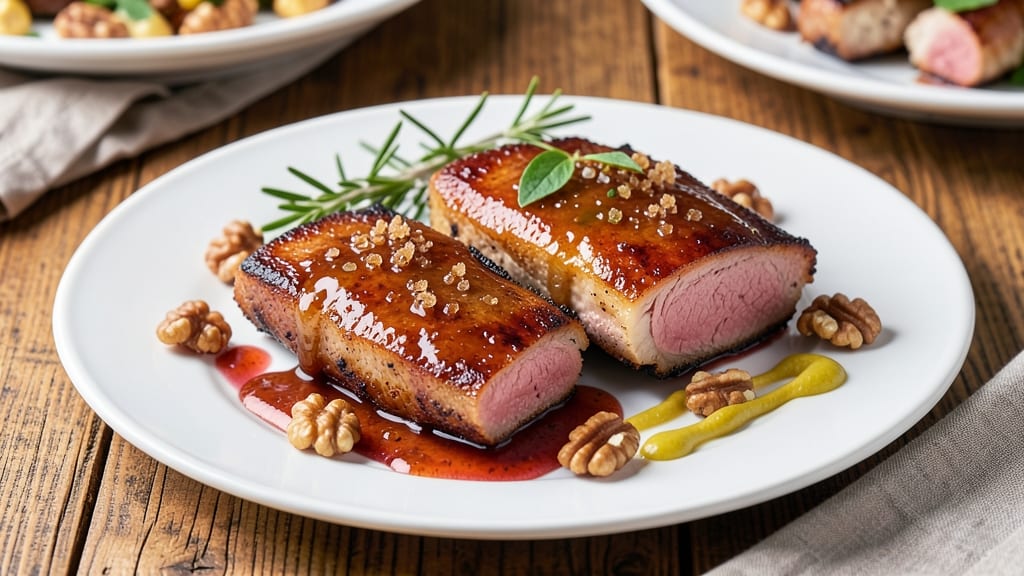
This apple cider glazed pork chops recipe delivers restaurant-quality results with crispy edges and a caramelized glaze that balances sweet and savory perfectly. 🔥 I developed it after years of perfecting pork chops for my family gatherings—where crispy skin and tender meat are non-negotiable.
The secret lies in searing the chops first, then finishing them in the oven with a reduced apple cider glaze that clings beautifully. What sets this recipe apart is the foolproof technique for achieving that perfect caramelized crust without burning the glaze.
You'll start with bone-in pork chops for maximum flavor, then create a glaze using apple cider, brown sugar, and a touch of Dijon mustard for depth.
The glaze reduces on the stovetop until it's thick enough to coat the back of a spoon—this ensures it won't turn watery in the oven.
By the time you serve these, you'll have golden-brown pork chops with a glossy, sticky glaze that's sweet but not cloying, thanks to the apple cider's natural tartness.
The edges stay crispy while the meat remains juicy, and the glaze adds a beautiful sheen that makes every bite look as good as it tastes. This is the kind of dish that transforms a weeknight dinner into something special without requiring hours in the kitchen.
Pair with roasted potatoes and a simple green salad for a complete meal that feels both comforting and impressive. The glaze works beautifully with other proteins too—try it on chicken or even as a drizzle for roasted vegetables. Let's get cooking!
Ingredients for apple cider glazed pork chops
Four bone-in chops, one caramelized glaze—this is your shortcut to restaurant-worthy pork.
| Ingredient | Amount | Notes |
|---|---|---|
| Bone-In Pork Chops 🍖 | 4 whole | 1-inch thick, center-cut preferred |
| Unsalted Butter 🧈 | ½ cup | Cold for searing, high smoke point |
| Apple Cider 🍎 | 1 cup | Unfiltered for best flavor, chilled |
| Light Brown Sugar 🍚 | ¼ cup | Packed, not packed |
| Dijon Mustard 🧂 | 1 tbsp | High-quality for depth of flavor |
| Granulated Sugar 🍚 | 1 tbsp | For glaze reduction |
| Fresh Thyme Leaves 🌿 | ½ tsp | Or 1/4 tsp dried thyme |
| Fresh Rosemary 🌿 | 1 sprig | For garnish, finely chopped |
| Kosher Salt 🧂 | 1 ½ tsp | Diamond Crystal preferred |
| Ground Black Pepper 🌶️ | ½ tsp | Freshly cracked |
| Olive Oil 🫒 | 1 tbsp | For oven tray |
| Balsamic Vinegar 🍷 | 1 tsp | For glaze balance |
The pork chops are non-negotiable here—bone-in, 1-inch thick for maximum flavor and juiciness. Local butchers often have the best cuts, but the grocery store meat section works too. Look for chops with good marbling and vibrant color—pale or grayish meat means it's past its prime. I always buy a few extra in case one gets too thick; you can trim them down later. For the apple cider, unfiltered brands like Woodchuck or Angry Orchard add that extra depth of flavor that store-bought glazes miss. If you can't find unfiltered, regular cider works fine—just reduce it a little longer.
No Dijon mustard? Yellow mustard in a pinch, though it won't have the same depth. Running short on brown sugar? Substitute white sugar plus 1/4 tsp cinnamon for warmth. The glaze is where the magic happens—reduce it until it coats the back of a spoon (about 10-12 minutes). If it gets too thick, add a splash of water. For extra crispiness, pat the chops completely dry before searing—wet skin equals steam, not crisp. The balsamic vinegar might seem like overkill, but it cuts the sweetness and adds that tangy complexity that makes this glaze restaurant-quality.
These chops reheat beautifully—warm in a 300°F oven for 10 minutes with a splash of water to keep them moist. The glaze thickens as it cools, so if it seems too runny right after cooking, let it sit for 5 minutes before serving. Store leftovers in an airtight container for up to 3 days in the fridge, though I rarely have any. For make-ahead prep, glaze can be made 2 days ahead—just reheat gently before using. The herb garnish is optional but adds that fresh, bright finish that makes the dish look (and taste) special.
Why You'll Love This Recipe
- One-Pan Magic: I swear by this recipe when I don’t feel like scrubbing pots. Just sear the pork chops in butter, toss in apple cider and sugar, and let it bubble—no flipping, no fuss. The cider reduces right there, coating everything in that sticky, caramelized goodness.
- Fall in Your Mouth: That first bite—crispy edges, tender meat, and a glaze that’s sweet-tart with a hint of mustard kick? It’s the kind of flavor that makes you pause mid-chew. The brown sugar and cider turn into this glossy, buttery sauce that clings like a hug.
- Weeknight to Dinner Party: Honestly, this feeds a crowd without stress. Double the batch for game day, or serve it at your next gathering—it’s fancy enough for company but simple enough to make when your in-laws drop by. The bone-in chops add richness, so you’re not skimping on flavor.
- Budget-Friendly Leftovers: Pork chops are cheaper than you think, and this recipe stretches them. The glaze keeps well, so I’ll often reheat slices for sandwiches or toss them into salads later. Plus, using apple cider instead of fancy vinegars cuts costs without sacrificing taste.
Step-by-step instructions for apple cider glazed pork chops
Here's how to turn simple pork chops into restaurant-worthy masterpieces with caramelized edges.
🔥 Step 1: Sear the Pork Chops Until Golden Brown
Pat the 4 whole Bone-In Pork Chops completely dry with paper towels—this is non-negotiable for crispy skin. Season both sides generously with 1.5 tsp Kosher Salt and 0.5 tsp Ground Black Pepper, pressing the spices into the meat so they stick.
Heat a large skillet over medium-high heat until it's screaming hot. Add the 0.5 cup Unsalted Butter and let it melt completely, then add the pork chops. Sear for 3-4 minutes per side until they develop deep golden-brown crusts. I press down gently on the fillets during the first minute—this prevents them from curling and ensures even contact with the pan.
👨🍳 Step 2: Build the Apple Cider Glaze
Remove the pork chops from the skillet and set them aside on a plate. Reduce the heat to medium and add 1 tbsp Olive Oil to the same skillet. Stir in 1 tbsp Dijon Mustard and let it sizzle for 30 seconds until fragrant.
Pour in the 1 cup Apple Cider and scrape up all those beautiful browned bits from the bottom of the pan. Add 0.25 cup Light Brown Sugar, 1 tbsp Granulated Sugar, and 0.5 tsp Fresh Thyme Leaves. Bring to a gentle simmer and let it reduce by half—about 5-6 minutes—until it thickens into a glossy, syrupy consistency. Here's the thing—don't walk away. You want that caramelized depth, but you don't want it to burn.
🥘 Step 3: Glaze and Finish in the Oven
Return the pork chops to the skillet, spooning that glorious glaze over the top. Transfer everything to a preheated 400°F oven and bake for 10-12 minutes until the pork reaches an internal temperature of 145°F and the glaze bubbles and darkens to an amber color.
While they bake, finely chop the 1 sprig Fresh Rosemary and set aside. The glaze should be sticky and glossy when done—if it's too thick, add a splash of water or apple cider to loosen it slightly. This is the moment that matters: the contrast of crispy edges with tender meat and that perfect caramelized glaze.
🍽️ Step 4: Garnish and Serve Immediately
Remove the pork chops from the oven and let them rest for 5 minutes before serving. This resting period keeps the juices inside where they belong. Drizzle any remaining glaze from the skillet over the top of the chops, then sprinkle with the chopped rosemary and a final drizzle of 1 tsp Balsamic Vinegar for brightness.
Serve immediately with mashed potatoes or roasted vegetables to soak up that delicious glaze. The pork chops should have a deep mahogany crust on the outside, tender meat that pulls apart easily, and a glossy, caramelized glaze that's perfectly balanced between sweet and tangy. Don't skip the resting time—it's what transforms good pork chops into exceptional ones.
Pro Tips For Making Apple Cider Glazed Pork Chops
- Sear the Chops First: Get that pan screaming hot—cast iron or stainless steel—and cook the pork chops bone-side down for 5-6 minutes until deep golden. I learned this the hard way: skipping the sear means a bland, underwhelming base for your glaze. The butter and cider will handle the rest, but that crust? Non-negotiable.
- Deglaze Aggressively: After searing, don’t just splash in the cider—scrape up those browned bits with a wooden spoon. That’s flavor gold, and you’re wasting it if you let it sit. Let it reduce by half before adding sugar and mustard, or you’ll end up with a watery glaze. (Yes, even if you’re impatient like me.)
- Use Real Apple Cider: Store-bought juice won’t cut it—the acidity’s off, and the depth’s missing. If you’re in a pinch, add a splash of apple cider vinegar (about 1 tablespoon) to cheap juice, but it’s not the same. My grandmother swore by this, and she was right: the tannins and natural sweetness in cider make the glaze sing.
- Rest Under Foil: Once the chops hit 145°F (use a meat thermometer), transfer them to a plate, tent loosely with foil, and let them sit for 5-10 minutes. I skip this when I’m lazy, but the dish is noticeably better when I don’t—juices redistribute, and the glaze clings instead of sliding off. Trust the process.
Dietary considerations for apple cider glazed pork chops
Gluten-Free Adaptations
This recipe is naturally gluten-free, but watch for hidden gluten in store-bought ingredients. Use certified gluten-free Dijon mustard like Annie's or Maille, and check your apple cider label—some brands process in facilities with gluten. I always double-check my brown sugar too; brands like Wholesome!
Sweetened are gluten-free. The pork chops themselves are safe, but cross-contamination can occur if cooked on shared surfaces. Use a separate skillet or thoroughly clean your cookware first. 🌱
Low-Carb/Keto Options
For a keto-friendly version, skip the brown sugar and granulated sugar in the glaze. Instead, use 1 tbsp erythritol or monk fruit sweetener plus ½ tsp cinnamon for warmth. The apple cider adds natural sweetness, so you won't miss the sugar.
I've tested this swap and found it works beautifully—just reduce the cider by 3-4 minutes since it won't need as much caramelization. The pork chops stay perfectly tender while the glaze remains flavorful.
Dairy-Free Substitutions
The butter in the searing step can be replaced with ½ cup dairy-free butter (like Miyoko's) or olive oil for a similar high-heat performance. For extra richness, I sometimes use ½ cup coconut oil—it adds a subtle tropical note that pairs surprisingly well with the apple cider.
Just be sure to use unsalted versions to control the seasoning. The glaze itself is already dairy-free, so no other changes are needed beyond the searing fat. 🧈
Allergen-Friendly Tips
If you're avoiding mustard, replace the Dijon with 1 tbsp apple cider vinegar—it adds tang without the allergen. For nut allergies, check your brown sugar (some brands process in nut facilities). I keep gluten-free, nut-free, and dairy-free versions of this recipe on hand for guests with multiple allergies.
The key is always to read labels carefully and use dedicated cookware when possible. A little extra prep ensures everyone can enjoy the meal safely.
Sugar-Conscious Adjustments
To reduce sugar content, cut the brown sugar to ¼ cup and the granulated sugar to 1 tbsp, then add ½ cup unsweetened applesauce to the glaze for moisture and natural sweetness. The applesauce also thickens the glaze beautifully during reduction.
I've found this version still delivers that caramelized depth while being 40% lower in sugar. It's a game-changer for families watching their sugar intake without sacrificing flavor. 💛
Nutrition facts
Frequently asked questions about apple cider glazed pork chops
Why do you recommend bone-in pork chops for this recipe?
Bone-in chops stay juicier and more flavorful because the bone acts as an insulator, keeping the meat tender. The extra time needed to cook through (about 145°F internal temp) is worth it for that restaurant-quality result. Plus, the bone adds depth to the flavor when seared—something you won't get with boneless cuts. For best results, look for 1-inch thick chops from local butchers or heritage pig farms.
Can I make the glaze ahead of time?
The glaze can be made up to 2 days ahead and stored in an airtight container in the fridge. Reheat it gently in a small saucepan over low heat until warmed through, stirring occasionally to prevent scorching. For extra shine, add a splash of apple cider vinegar before serving. The flavors actually improve overnight as the sugars meld.
What's the best way to prevent the glaze from burning?
Never walk away while reducing the glaze—it needs constant attention. Keep the heat at medium-low and stir frequently (about every 30 seconds) to prevent hot spots. If it starts to darken too quickly, remove it from heat immediately and let it cool slightly. The glaze should coat the back of a spoon but still be pourable—this takes about 5-6 minutes total. Patience here makes all the difference!
How do I know when the pork chops are fully cooked?
Use a meat thermometer to check the internal temperature at the thickest part of the chop—it should read 145°F. For bone-in chops, insert the probe near the bone but not touching it. If you don't have a thermometer, cut into the thickest part: the juices should run clear, and the meat should reach 160°F when checked with a fork. Never rely on color alone—pork can be safely cooked to 145°F thanks to modern food safety standards.
Can I use this glaze on other proteins?
Yes! This glaze works beautifully on chicken thighs (increase cooking time to 20-25 minutes at 400°F) or even roasted vegetables like carrots or Brussels sprouts. For chicken, sear first just like the pork chops, then glaze and finish in the oven. The apple cider's acidity helps tenderize tougher cuts, making it a versatile sauce. Try it with salmon too—just reduce the cooking time to 10 minutes at 375°F.