
Salads
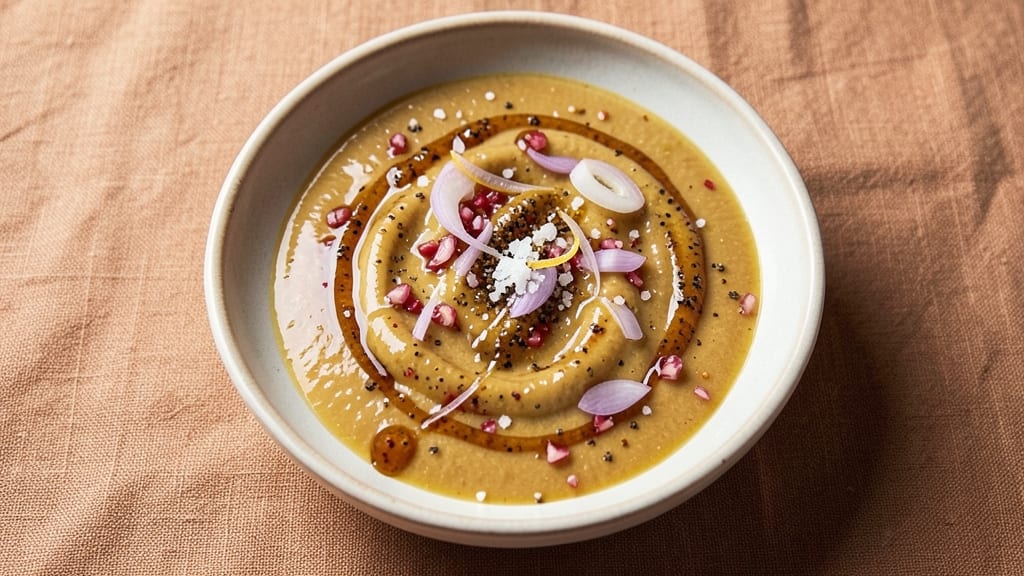
This apple cider vinegar and oil salad dressing recipe transforms simple ingredients into a tangy, bright elixir that elevates every salad—no fancy equipment required. The secret lies in balancing sharp apple cider vinegar with smooth olive oil, stabilized by a touch of Dijon mustard for that signature emulsified texture.
I developed this version after realizing most store-bought dressings lacked the depth of homemade, and it’s now my go-to for everything from crisp greens to hearty grain bowls.
The beauty of this recipe is its versatility—it works as a marinade for grilled chicken, a drizzle for roasted vegetables, or the perfect finishing touch for tacos.
The ratio of 3 parts oil to 1 part vinegar creates a silky consistency without overpowering the dish, while optional additions like garlic, honey (or maple syrup for vegan), and fresh herbs let you customize the flavor. It’s also foolproof—no shaking required, just whisk and go.
What makes this dressing truly special is how it preserves freshness for up to 2 weeks in the fridge, making it ideal for meal prep. The acidity of the vinegar not only brightens flavors but also acts as a natural preservative, keeping your greens crisp and vibrant.
Whether you’re prepping lunches or dressing a last-minute salad, this recipe delivers restaurant-quality results with minimal effort.
For an extra layer of complexity, try infusing the oil with shallots or herbs before combining—just steep them in warm oil for 10 minutes and strain. The possibilities are endless, but the base recipe remains simple, balanced, and universally loved. Let’s get started!
Ingredients for apple cider vinegar and oil salad dressing
Nine simple ingredients create a tangy, balanced dressing that elevates salads to restaurant quality.
| Ingredient | Amount | Notes |
|---|---|---|
| Extra-Virgin Olive Oil 🫒 | ¾ cup | High-quality, fruity variety preferred |
| Apple Cider Vinegar 🍏 | ¼ cup | Raw, unfiltered for depth of flavor |
| Dijon Mustard 🌶️ | 1 tbsp | Whole-grain preferred for texture |
| Maple Syrup 🍁 | 1 tbsp | Grade B for robust flavor profile |
| Garlic Cloves 🧄 | 2 cloves | Freshly minced for aromatic punch |
| Sea Salt 🧂 | ¾ tsp | Diamond Crystal preferred |
| Freshly Ground Black Pepper 🌶️ | ½ tsp | Freshly cracked for optimal flavor |
| Fresh Thyme Leaves 🌿 | ¼ tsp | Optional, finely chopped |
| Shallot 🧅 | 1 whole | Optional, thinly sliced for infusion |
The olive oil is the foundation—look for extra-virgin with a peppery finish, not the mild supermarket kind. Whole Foods or local olive mills often carry superior varieties, but even a good Trader Joe's bottle works. Apple cider vinegar should be raw and unfiltered for that complex, slightly smoky depth. Bragg is my go-to, but any organic brand will do. The Dijon mustard stabilizes the emulsion—Maille is ideal, but generic brands work if you whisk well. For the maple syrup, Grade B has more robust flavor than the lighter Grade A, though both will work in a pinch. Fresh thyme and shallots are optional but add layers of complexity if you're feeling adventurous.
No Dijon mustard? Yellow mustard thinned with water works in a bind, though the texture won't be as refined. Short on maple syrup? Agave nectar or date syrup are perfect vegan swaps. The garlic can be omitted if you dislike strong flavors, but trust me—it's worth the 30 seconds to mince it fresh. For the shallot infusion, simply warm the oil with thinly sliced shallots for 10 minutes, then strain. Save the infused oil for future dressings or drizzle it over roasted vegetables. The dressing's balance means you can adjust ratios slightly—more vinegar for tang, more oil for richness—but start with the given measurements for perfect harmony.
This dressing keeps beautifully in an airtight jar for 2 weeks in the fridge, though I rarely have it last that long. The acidity of the vinegar acts as a natural preservative, so it won't spoil—just lose some vibrancy over time. For longer storage, divide into ice cube trays and freeze for up to 3 months. Each cube makes a perfect single-serving dressing. The shallot-infused oil, if made separately, can be stored in the fridge for 1 week or frozen for 2 months. Always stir before using, as the ingredients naturally separate over time.
Why You'll Love This Recipe
- Five-Ingredient Magic: I swear, this dressing comes together faster than I can say "dinner’s ready." Just whisk olive oil, vinegar, mustard, a drizzle of maple syrup, and minced garlic—no fancy techniques, no stress.
- Sweet-Tangy Kick: That balance of sharp apple cider vinegar and rich olive oil? Chef’s kiss. The maple syrup softens the bite, while the Dijon mustard adds depth—like a cozy hug for your greens.
- Meal Prep MVP: Make a big batch on Sunday, and you’ve got dressing for salads, roasted veggies, or even as a marinade all week. It keeps for ages in the fridge, and honestly? I’m always glad I did.
- Budget Brightener: Olive oil and vinegar stretch forever, and a little maple syrup goes a long way. This dressing costs pennies but tastes like you spent hours in the kitchen—my wallet and taste buds win.
Step-by-step instructions for apple cider vinegar and oil salad dressing
This dressing comes together in minutes with precise technique and quality ingredients.
Prepare the Aromatic Base
In a small mixing bowl, finely mince the 2 cloves garlic and thinly slice the 1 whole shallot. The shallot should be paper-thin slices—this ensures even infusion without bitterness. I use a sharp chef's knife and rock-chopping technique for consistent texture. Set these aside temporarily as we'll add them last to preserve their freshness.
In a separate measuring cup, combine the 0.25 cup apple cider vinegar and 1 tbsp maple syrup. Stir gently to dissolve the syrup completely—this creates the foundational sweet-tart balance. The vinegar should appear uniformly cloudy with no visible syrup streaks. This mixture will carry the dressing's signature tangy brightness.
Emulsify the Dressing Components
Add the 0.75 cup extra-virgin olive oil to the vinegar mixture. Using a whisk, combine these ingredients in a figure-eight motion for 30-45 seconds until they begin to emulsify. You'll notice the mixture transform from separate layers to a slightly thickened, milky appearance. This is the critical emulsification step that prevents separation later.
Next, incorporate the 1 tbsp Dijon mustard and 0.75 tsp sea salt. Whisk vigorously for another 20-30 seconds until fully integrated. The mustard acts as a natural emulsifier while adding subtle depth. Taste the mixture at this stage—it should be pleasantly tangy with a hint of sweetness but not overwhelmingly sharp. Adjust the sweetness by adding a pinch more maple syrup if needed, or the acidity with a splash of vinegar.
Infuse and Finish the Dressing
Return the minced garlic and sliced shallot to the bowl. Add the 0.5 tsp freshly ground black pepper and 0.25 tsp fresh thyme leaves if using. Gently fold these ingredients into the dressing using a silicone spatula, being careful not to overmix which could break the emulsion. The dressing should maintain its creamy consistency while incorporating the aromatic elements.
Let the dressing sit at room temperature for 10-15 minutes before using. This resting period allows all the flavors to meld together and the shallot to soften slightly, releasing its subtle onion notes. The final texture should be silky with a perfect balance of tang, sweetness, and herbal complexity. For best results, use within 1 week when stored in an airtight container in the refrigerator.
Pro Tips For Making Apple Cider Vinegar And Oil Salad Dressing
- STIR IN STAGES: Mix the vinegar and mustard first—this emulsifies the mustard better before adding oil. Dumping everything at once just makes a greasy mess, and nobody wants that.
- USE RAW GARLIC: Peel and mince the garlic cloves just before adding them to the dressing. Cooked garlic turns bitter, and this dressing needs that bright, fresh punch—skip the sautéing.
- MEASURE OIL LAST: Add the olive oil slowly while whisking constantly, even after it looks emulsified. I learned this the hard way—once I poured it all at once and ended up with a split dressing. Patience here saves cleanup later.
- SWAP MAPLE FOR HONEY: If you’re short on time, swap the maple syrup for the same amount of honey—it’s faster to measure and just as effective. Just don’t overdo it; this dressing isn’t about sweetness overload.
Make-ahead tips for this recipe
Batch Prep Strategy
Make a double batch of this dressing—it’s perfect for meal prep! Multiply all ingredients by 2 and store in a glass mason jar with a tight-sealing lid. The 3:1 oil-to-vinegar ratio remains key for stability, so scale carefully.
I prep two 16-ounce jars every Sunday for the week ahead, filling them with salads, grain bowls, and even as a marinade for grilled veggies. 📅
Freezer Cube Hacks
Divide the dressing into ice cube trays for single-serving portions. Freeze until solid, then transfer cubes to a ziplock bag. Each cube makes a perfect dressing for one salad—just thaw in the fridge overnight.
This method preserves freshness for up to 3 months without compromising texture. Label the bag with the date and flavor profile (e.g., "Herb-Infused ACV Dressing").
Infused Oil Prep
Prep the shallot-infused oil separately as a base for future dressings. Warm ½ cup olive oil with thinly sliced shallots in a small saucepan over low heat for 10 minutes.
Strain through a fine-mesh sieve and store in a small glass jar in the fridge for 1 week or freeze for 2 months. Use this infused oil as a shortcut—just mix with the other dressing ingredients when ready. 🌿
Flavor Layering
Customize your dressing for weekly variety by prepping flavor bases.
Keep these in separate jars: - Garlic-herb blend: Minced garlic + dried thyme + salt - Spicy kick: Red pepper flakes + smoked paprika - Citrus twist: Zest of 1 lemon + 1 tsp honey (or maple syrup) Add 1 tsp of any blend per ¼ cup dressing when ready to use.
This keeps your fridge organized and your dressings exciting. ✨
Salad Prep Pairing
Pair this dressing with prepped salad components for grab-and-go meals. Store chopped greens (like mixed baby spinach or arugula) and veggies (sliced cucumbers, bell peppers, cherry tomatoes) in separate airtight containers.
When ready to eat, toss with 2 tbsp dressing per cup of greens. The dressing’s acidity keeps greens crisp for 3-4 days in the fridge. 🥗
Long-Term Storage
For extended storage beyond 2 weeks, transfer the dressing to a vacuum-sealed bag or squeeze-top bottle. Remove as much air as possible to prevent oxidation. Store in the fridge for up to 1 month or freeze for 6 months.
Thaw overnight in the fridge before using. The texture may thicken slightly after freezing—just whisk to restore consistency. 💫
Nutrition facts
Frequently asked questions
Can I make this dressing without Dijon mustard?
Yes! If you don't have Dijon mustard, use 1 tbsp yellow mustard thinned with 1 tsp water as a substitute. For a mustard-free version, add ½ tsp xanthan gum or whisk vigorously for 1-2 extra minutes to help emulsify. The texture won't be as stable, but it'll still work for immediate use.
How do I fix a separated dressing?
Simply whisk the separated dressing vigorously for 30-60 seconds—the mustard acts as an emulsifier. If it keeps separating, add ½ tsp more Dijon mustard or a pinch of salt, then whisk again. For stubborn separations, gently heat the dressing in a saucepan over low heat while whisking constantly until smooth.
What can I use instead of maple syrup for a vegan version?
Maple syrup is already vegan, but you can substitute with agave nectar, date syrup, or coconut sugar dissolved in warm water. Use the same 1 tbsp measurement. For a lower-glycemic option, try monk fruit sweetener (reduce to ½ tsp as it's much sweeter). The key is balancing the sweetness with the vinegar's acidity.
Can I use this dressing for purposes other than salads?
This versatile dressing works as a marinade for grilled chicken, fish, or tofu, a drizzle for roasted vegetables, or even a finishing sauce for tacos and grain bowls. The acidity helps tenderize meats, while the oil keeps them moist. For marinades, use within 4 hours of cooking for best flavor infusion.
Why does my dressing taste too sharp?
The sharpness likely comes from too much vinegar or not enough sweetener. Balance it by adding ½ tsp more maple syrup or another sweetener, or reduce the acidity by adding 1 tsp olive oil. If the dressing tastes overwhelmingly tangy, let it sit at room temperature for 10 minutes before tasting again—the flavors will mellow slightly.