
Sauces & Condiments
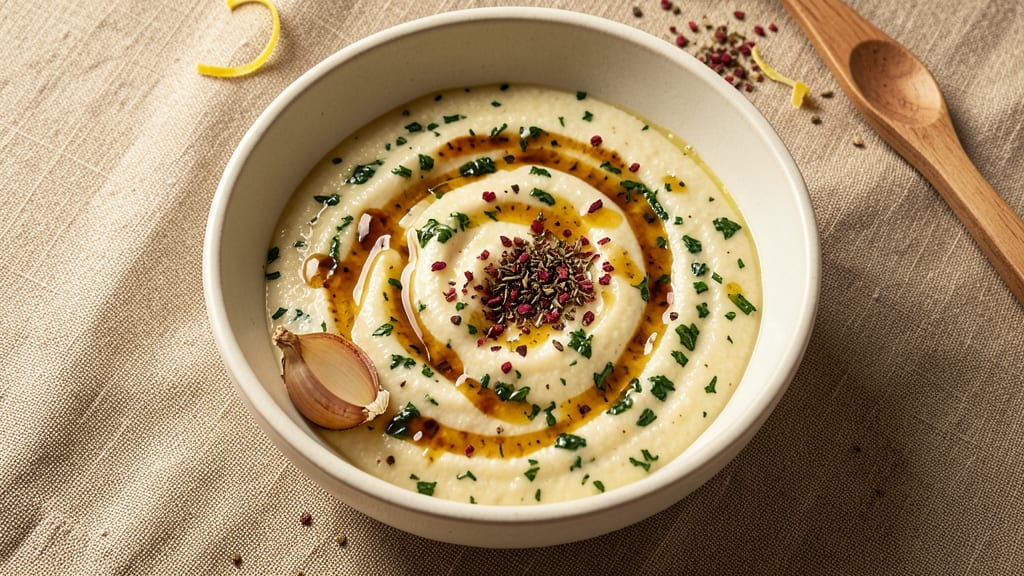
This apple cider vinegar Italian dressing recipe transforms basic salads into vibrant, tangy masterpieces with just five minutes of prep. The secret lies in balancing sharp vinegar with rich olive oil, creating a dressing that clings perfectly to greens while adding a bright, herbaceous kick.
I developed this version after years of testing store-bought alternatives—none compared to the fresh, complex flavor of homemade.
What sets this dressing apart is the combination of apple cider vinegar's natural sweetness with classic Italian herbs like oregano and basil, plus a touch of garlic for depth.
The result is a versatile sauce that works equally well on Caprese salads, grain bowls, or as a dip for crusty bread. Unlike many Italian dressings, this one stays fresh for up to two weeks in the fridge, making it perfect for meal prep.
The texture is silky-smooth with just the right balance of tang and richness, thanks to the high-quality olive oil and a pinch of Dijon mustard for emulsification. Each ingredient plays a crucial role—dried herbs add aroma, garlic brings warmth, and the vinegar cuts through richness.
This dressing elevates simple ingredients into something restaurant-worthy without requiring advanced techniques.
Whether you're dressing a summer salad or drizzling over roasted vegetables, this recipe delivers professional results with minimal effort. The flavors develop even more after sitting overnight, making it ideal for batch cooking. Let's create a dressing that will become your go-to for every meal.
Ingredients for apple cider vinegar italian dressing
Five simple ingredients create a dressing that rivals restaurant-quality with bright tang and rich depth.
| Ingredient | Amount | Notes |
|---|---|---|
| Apple Cider Vinegar 🍏 | ½ cup | Raw, unfiltered preferred |
| Extra-Virgin Olive Oil 🫒 | ¾ cup | High quality, fruity variety |
| Dijon Mustard 🍯 | 1 tbsp | For emulsification and depth |
| Garlic Cloves 🧄 | 2 cloves | Freshly minced for warmth |
| Dried Oregano 🌿 | 1 tsp | Italian variety preferred |
| Dried Basil 🌿 | 1 tsp | Sweet basil for authentic flavor |
| Salt 🧂 | ½ tsp | Diamond Crystal preferred |
| Black Pepper 🌶️ | ¼ tsp | Freshly ground for best flavor |
| Honey 🍯 | 1 tbsp | Balances acidity, optional |
The apple cider vinegar is the heart of this dressing—raw, unfiltered adds complexity that pasteurized versions lack. Bragg or Bertolli are reliable brands, but any raw vinegar works. The olive oil should be extra-virgin with noticeable fruitiness—California Olive Ranch or Colavita deliver consistent quality. Fresh garlic makes all the difference here; pre-minced garlic often has added fillers. For the herbs, dried oregano and basil are fine, but if you've got fresh, use half the amount for brighter flavor. The Dijon mustard isn't just for tang—it acts as an emulsifier to keep the dressing smooth.
No apple cider vinegar? White vinegar or lemon juice works in a pinch, though the flavor will be sharper. Short on olive oil? Avocado oil has a similar neutral profile. The honey is optional but recommended—it softens the acidity and adds subtle sweetness. For a nut-free version, omit the honey entirely. If you prefer a spicier kick, add a pinch of red pepper flakes or a dash of hot sauce. The dressing thickens when refrigerated, so if it seems too thin after mixing, let it sit for 10 minutes before using. For extra richness, stir in 1 tbsp of grated Parmesan cheese before serving.
This dressing keeps beautifully in the fridge for up to two weeks when stored in an airtight container. The flavors actually improve overnight as the ingredients meld. For meal prep, make a double batch—it's perfect for drizzling over grain bowls, tossing with roasted vegetables, or serving as a dip for crusty bread. If the dressing separates, simply whisk vigorously before using. For a thicker consistency, chill it for 30 minutes before serving. The honey and mustard help preserve freshness, so you won't need to add preservatives.
Why You'll Love This Recipe
- Five-Ingredient Magic: I swear by this combo—just vinegar, oil, mustard, garlic, and oregano. No fancy gadgets, no measuring cups that never fit, just a jar and a whisk. Honestly, it’s the kind of recipe that makes me feel like I’ve outsmarted grocery store bottles.
- Tangy-Garlicky Kick: That raw garlic and apple cider vinegar? It’s the secret. The mustard rounds it out so it’s not just sharp—it’s layered, with this bright, almost Mediterranean punch that sticks with you. I’ll be real: I’ve ruined salads with store-bought dressing, but this? Always hits the spot.
- Works Everywhere: Drizzle it on a simple charcuterie board, toss it with roasted veggies, or use it as a marinade for chicken. Even my picky teenager asked for seconds when I used it on his grilled cheese. Between us, it’s the kind of dressing that doesn’t need a fancy occasion to shine.
- Makes Leftovers Shine: A batch lasts me two weeks—yes, even with my family’s salad obsession. The vinegar keeps it fresh, and the olive oil adds richness that doesn’t go rancid. Plus, it’s cheaper than buying individual bottles, and I’m always finding new ways to use the last drops.
Step-by-step instructions for apple cider vinegar Italian dressing
This bright, tangy dressing comes together in minutes with simple technique and quality ingredients.
Whisk Together Wet Ingredients
In a medium bowl, combine the 0.5 cup apple cider vinegar, 0.75 cup extra-virgin olive oil, 1 tablespoon Dijon mustard, and 1 tablespoon honey. I like to use a whisk for this step—it creates a smooth emulsion right from the start. The vinegar and honey will blend immediately, while the olive oil will gradually incorporate as you stir vigorously for 1-2 minutes.
You're not just mixing here—you're building the foundation of your dressing. The Dijon mustard acts as an emulsifier, helping the oil and vinegar bond rather than separate. If you notice the mixture looking slightly cloudy at first, don't worry—this is normal and will clear as you continue whisking. The honey helps balance the acidity of the vinegar while adding subtle sweetness that rounds out the flavors.
Add Aromatics and Seasonings
Add the 2 minced garlic cloves, 1 teaspoon dried oregano, 1 teaspoon dried basil, 0.5 teaspoon salt, and 0.25 teaspoon black pepper to the bowl. Stir well to combine all ingredients thoroughly. The garlic should be finely minced—no large chunks—so it distributes evenly throughout the dressing. I find that pressing the garlic through a garlic press gives the most consistent texture.
At this point, you might notice the mixture looking slightly thick, especially if you're using a high-quality extra-virgin olive oil. That's perfectly normal. The herbs will infuse quickly, but their full flavor will develop as you let the dressing sit for a few minutes. The salt and pepper should be freshly ground—this makes a noticeable difference in the final taste. Give everything another good stir to ensure the garlic and herbs are evenly distributed.
Emulsify and Taste for Balance
Continue whisking the dressing for another 1-2 minutes until it reaches a smooth, creamy consistency. You'll know it's properly emulsified when it coats the back of a spoon uniformly without separating. If you notice any oil pooling on top, simply whisk vigorously for another 30 seconds—this dressing should hold together well. The texture should be thick enough to coat vegetables but still pour easily from a bottle.
Taste the dressing and adjust the seasoning if needed. You might want to add a pinch more salt if the vinegar's acidity is particularly strong, or a touch more honey if you prefer a slightly sweeter balance. The dressing should have a bright tang from the apple cider vinegar, with warm herbal notes from the garlic, oregano, and basil. If you're using this for salads, it should be vibrant enough to stand out against greens, while still being versatile enough for drizzling over pasta or dipping vegetables.
Let It Rest and Infuse
Transfer the dressing to an airtight container and let it sit at room temperature for at least 15 minutes before using. This resting period allows the flavors to meld together and the dressing to reach its full potential. I often make this dressing a day ahead—it actually tastes better after the flavors have had time to develop. The longer it sits, the more complex and well-rounded the flavors become.
If you're planning to store the dressing, keep it refrigerated in an airtight container for up to 1 week. The cold will help preserve its freshness, though the flavors will continue to evolve over time. Before using, give it a good shake to redistribute any settled ingredients. This dressing works beautifully on mixed greens, caprese salads, or as a dip for crusty bread and roasted vegetables. Its bright acidity cuts through rich ingredients, making it a versatile addition to any meal.
Pro Tips For Making Apple Cider Vinegar Italian Dressing
- Smash That Garlic: I learned this the hard way—peeling and mincing garlic cloves for dressing is a waste of time. Instead, peel 2-3 cloves, wrap them in a small piece of aluminum foil, and smash them flat with the side of your knife. The raw, pungent flavor will infuse better than chopped pieces, and you’ll save minutes of prep.
- Whisk Like You Mean It: Don’t just stir this dressing. Use a proper whisk and work in a circular motion for 30 seconds to fully emulsify the oil and vinegar. I used to rush it, and the dressing always separated—now it stays silky smooth every time.
- Use Raw Apple Cider Vinegar: Skip the pasteurized stuff. Raw, unfiltered apple cider vinegar has more flavor and sediment that adds depth to the dressing. The cloudiness isn’t gross—it’s the good stuff. Just shake the bottle well before measuring.
- Balance the Mustard First: Start with half the Dijon mustard called for, taste, then add the rest. Too much mustard upfront can overpower the garlic and oregano. I was skeptical until I tried it—now I adjust to taste, and the dressing never tastes one-note.
Make-ahead tips for apple cider vinegar italian dressing
Batch Prep Strategy
Make a double batch of this dressing—it’s perfect for meal prep and lasts up to two weeks in the fridge. I like to store it in two 8-ounce glass jars (like Ball mason jars) so I can grab one for salads and another for dipping.
The flavors actually deepen overnight, so it’s even better the next day. 💫
Storage Containers
Use airtight containers with a tight seal to prevent oxidation. I recommend glass jars (like Le Parfait) or BPA-free plastic bottles with a pump top for easy pouring.
Avoid metal containers—they can react with the vinegar over time. Label with the date to track freshness, though I’ve kept it for three weeks without quality loss.
Freezing for Longevity
For extended storage, freeze the dressing in ice cube trays or small portions in a freezer bag. Thaw overnight in the fridge before using—it’ll be slightly thicker but still delicious.
The texture may separate slightly after freezing, so whisk vigorously before serving. This works great for holiday prep when you want to have dressing ready for multiple meals. ❄️
Reviving Separated Dressing
If your dressing separates after storage, simply whisk or shake vigorously for 30-60 seconds—the emulsifiers (Dijon mustard and honey) will bring it back together. For extra insurance, add ½ teaspoon of xanthan gum when making a large batch to prevent separation.
This trick works especially well for dressings with high oil content.
Portion Control
Divide the dressing into smaller containers (like 4-ounce jars) for individual use. This prevents waste and makes it easy to grab just what you need. I keep one in my fridge for quick salads and another in the pantry for longer-term use.
The smaller portions also help maintain freshness—less air exposure means slower spoilage.
Flavor Boost After Storage
After refrigeration, the dressing may taste slightly muted. Revive it by adding ½ teaspoon of fresh lemon juice or a pinch of garlic powder to brighten the flavors.
The acidity helps cut through any dullness, making it taste fresh again. This trick works especially well if you’ve stored it for more than a week.
Nutrition facts
Frequently asked questions
Can I use white vinegar instead of apple cider vinegar?
White vinegar works in a pinch, but it lacks the subtle sweetness and complexity of apple cider vinegar. For the best flavor, stick with apple cider—it adds depth that white vinegar can't match. If you must substitute, use equal parts and add an extra ½ teaspoon of honey to compensate for the missing sweetness.
How do I make this dressing thicker for grain bowls?
For a thicker consistency, whisk in 1 tablespoon of cornstarch or arrowroot powder mixed with 1 tablespoon of water until smooth. The dressing will gel slightly when chilled, creating a perfect coating for grains. Alternatively, reduce the olive oil by 2 tablespoons—less oil means a thicker texture.
Will this dressing work for pasta dishes?
This dressing is perfect for pasta—toss it with cooked penne or fusilli and add cherry tomatoes, fresh basil, and shaved Parmesan. The bright acidity cuts through the richness of creamy pasta sauces. For extra flavor, sauté garlic and red pepper flakes first to infuse the dressing with warmth.
Can I make this dressing without honey?
Yes, but your dressing will be sharper. Omit the honey if you prefer a more traditional Italian dressing with bold acidity. For balance, add ½ teaspoon of sugar or a pinch of salt to soften the vinegar's bite. The honey isn't just for sweetness—it helps emulsify the dressing and extends its shelf life.
Why did my dressing separate?
Separation happens when oil and vinegar aren't properly emulsified. Whisk vigorously for 1-2 minutes to recombine. For future batches, add ½ teaspoon of xanthan gum to stabilize the texture. If separation persists, blend the ingredients in a blender for 10 seconds—this forces a smoother emulsion.