
Sauces & Condiments
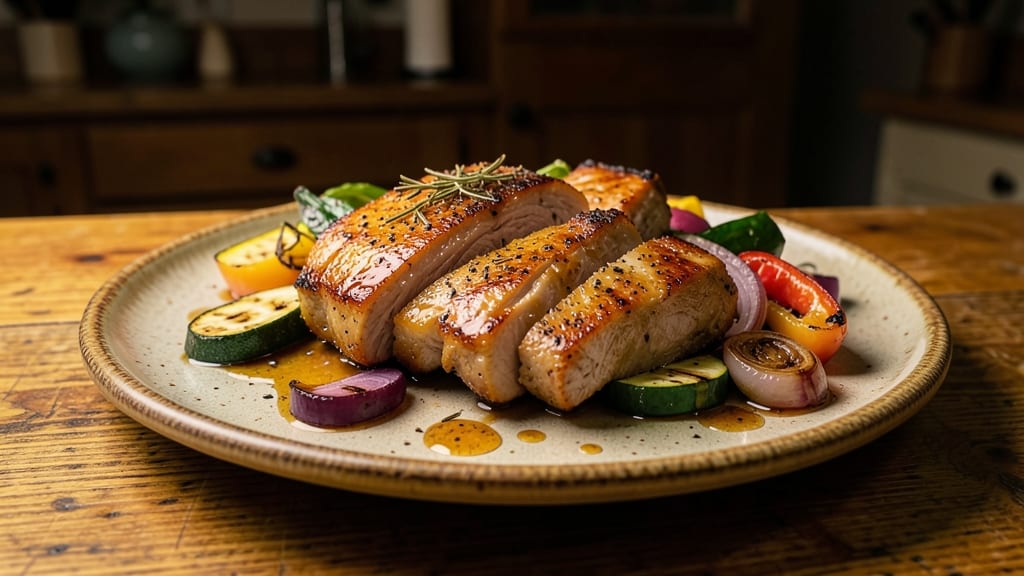
Apple cider vinegar marinade transforms tough cuts into melt-in-your-mouth perfection in minutes—no fancy techniques required. This tangy, acidic blend breaks down proteins while infusing bold flavor, making it ideal for chicken, pork, or even tofu. The secret lies in balancing vinegar's sharpness with sweet, savory, and aromatic elements for a marinade that works as hard as you do.
What sets this marinade apart is its versatility and simplicity. With just six ingredients—apple cider vinegar, olive oil, honey, garlic, mustard, and herbs—you’ll create a liquid that tenderizes meat while adding depth. The vinegar’s acidity tenderizes, the honey mellows the tang, and the garlic-mustard combo delivers a punch that lingers.
Best of all, it’s ready in under five minutes and keeps for up to a week.
Whether you're prepping for a weeknight dinner or a weekend feast, this marinade delivers consistent results. Toss it with chicken breasts for juicy, restaurant-quality bites or use it on pork chops for a caramelized crust.
For vegetarians, it works wonders on tofu, giving it a tangy, crispy exterior. The key? Let the meat soak for at least 30 minutes—longer for thicker cuts—to guarantee that tender, flavor-packed outcome.
Store leftovers in the fridge for up to a week, making it a go-to for meal prep. Pair it with grilled vegetables or roasted potatoes for a complete, flavorful spread. Here’s how to make it—simple, effective, and guaranteed to elevate your dishes.
Ingredients for apple cider vinegar marinade
Six bold flavors that transform tough proteins into melt-in-your-mouth perfection in minutes.
| Ingredient | Amount | Notes |
|---|---|---|
| Apple Cider Vinegar 🍏 | ½ cup | Raw, unfiltered preferred for depth |
| Extra-Virgin Olive Oil 🫒 | ½ cup | High-quality, fruity variety |
| Raw Honey 🍯 | ¼ cup | Wildflower or clover preferred |
| Garlic Cloves 🧄 | 6 whole | Freshly minced for potency |
| Dijon Mustard 🍯 | 2 tbsp | High-quality, coarse grind |
| Fresh Thyme Leaves 🌿 | ¼ cup | Or 1 tbsp dried thyme |
| Kosher Salt 🧂 | 1 ½ tsp | Diamond Crystal preferred |
| Fresh Rosemary 🌿 | ¼ cup | Finely chopped, stems removed |
The apple cider vinegar is non-negotiable here—Bragg or Texas Pete are my go-tos for that rich, tangy depth. Raw, unfiltered vinegar has more flavor complexity than pasteurized, but either works. Olive oil quality matters too: California Extra Virgin brands like Corto or Lucini add fruity notes that complement the vinegar beautifully. For honey, local raw honey from farmers markets has unique floral notes, but store-bought clover honey works perfectly fine. The garlic? Roasted garlic adds sweetness, but fresh minced gives that sharp punch—trust me on this. Fresh herbs are ideal, but dried works at one-third the amount if that's what you've got.
No Dijon mustard? Yellow mustard at half the amount gets you close, though it lacks the complex flavor. Short on thyme? Oregano or marjoram work in a pinch—just reduce to two-thirds the quantity. For a sweeter marinade, bump the honey to 0.375 cup and add 1 tbsp maple syrup. Want more heat? Add 1 tsp cayenne or hot sauce. The salt is crucial—Diamond Crystal dissolves completely, while table salt can leave grit. For vegetarians, this marinade works wonders on tofu or tempeh, giving them a crispy, tangy exterior when grilled.
This marinade keeps for up to 1 week in the fridge, sealed in a glass jar. For best results, shake before each use. Double the batch and freeze half in ice cube trays—thaw overnight in the fridge for quick marinating. The acidity means it won't last forever, but it's perfect for meal prep. Store any leftover meat in the marinade for up to 24 hours in the fridge, then discard the used marinade. Never reuse marinade that's touched raw meat—safety first.
Why You'll Love This Recipe
- Five-Ingredient Magic: I swear by this combo—just vinegar, oil, honey, garlic, and mustard. No fancy tools, no measuring cups (eyeball it), and it’s ready while you’re still debating what to make for dinner. Honestly, I’ve used it on chicken, pork chops, even roasted veggies, and never once regretted it.
- Tangy-Sweet Balance: That honey cuts through the sharpness of the vinegar like a dream, while the Dijon mustard adds depth without overpowering. The garlic? Oh, it mellows just enough to be savory, not overpowering—like a warm hug for your taste buds.
- Weeknight Workhorse: Between us, this marinade is my go-to for busy nights. Toss it on steak before bed, let it work overnight, and wake up to something that tastes like it simmered for hours. (Yes, even on a Tuesday night.)
- Stretches Every Dollar: A little goes a long way—this batch marinates and doubles as a salad dressing or glaze. I’ve saved money by using it on cheaper cuts of meat, turning them into something so flavorful, no one guesses the price tag. Budget win.
Step-by-step instructions for apple cider vinegar marinade
This marinade works magic—transforming tough cuts into melt-in-your-mouth perfection in minutes.
Combine the Wet Ingredients
In a medium mixing bowl, whisk together the 0.5 cup apple cider vinegar and 0.5 cup extra-virgin olive oil until fully emulsified. The vinegar will initially separate, but keep whisking—you're looking for a smooth, slightly cloudy mixture. This emulsification ensures even flavor distribution throughout your protein.
Next, stir in the 0.25 cup raw honey and 2 tablespoons Dijon mustard. The honey will begin to dissolve as it warms slightly from your hands, creating a syrupy consistency. This sweet-savory base forms the foundation of the marinade, balancing the acidity while adding depth. Let the mixture sit for 2 minutes to allow the flavors to meld before adding the remaining ingredients.
Add the Aromatics and Herbs
Finely mince the 6 whole garlic cloves using a garlic press or sharp knife. Add them to the bowl along with the 0.25 cup fresh thyme leaves and 0.25 cup finely chopped fresh rosemary. Stir gently to incorporate, being careful not to crush the herbs—you want their delicate flavors to infuse rather than overpower.
The garlic should immediately release its aroma, filling your kitchen with that unmistakable pungent scent. This is when the marinade truly comes alive. Let it sit for another 5 minutes to allow the garlic to soften slightly and release its oils, which will carry the marinade's flavors deep into your meat.
Season and Emulsify
Add the 1.5 teaspoons kosher salt and stir vigorously. The salt will begin to dissolve into the mixture, enhancing the flavors and helping to tenderize the meat at a cellular level. At this point, give the marinade one final whisk to ensure everything is fully combined and the oil is evenly distributed.
You'll notice the mixture has a glossy sheen—this indicates proper emulsification. The acidity from the vinegar and the fat from the olive oil create a stable marinade that won't separate. This is crucial for even flavor penetration and texture transformation. Taste the marinade now; it should be tangy, slightly sweet, and herbaceous with a sharp garlic kick.
Marinate Your Protein
Transfer the marinade to a resealable plastic bag or shallow dish, depending on the size and shape of your protein. For best results, use this marinade on chicken, pork, or beef cuts that benefit from tenderization—think chicken thighs, pork chops, or flank steak. Submerge the meat completely in the marinade, ensuring every surface is coated.
Marinate in the refrigerator for 4-24 hours, depending on the toughness of your cut. For delicate proteins like chicken breasts, 2-4 hours is sufficient, while tougher cuts like flank steak benefit from the full 24 hours. The acid in the vinegar breaks down muscle fibers, creating that signature tender texture we all crave. Remember to flip or turn the meat halfway through marinating for even exposure.
Cook and Sear for Maximum Flavor
Before cooking, remove the meat from the marinade and let it sit at room temperature for 10-15 minutes. This allows the surface to dry slightly, ensuring a better sear. Pat the meat dry with paper towels, then discard the used marinade—never reuse it, as it may contain harmful bacteria.
Cook your meat using your preferred method—grilling, pan-searing, or broiling. The residual marinade flavors will intensify during cooking, creating a beautiful caramelized crust on the outside while keeping the inside tender and juicy. For best results, sear the meat over high heat for 2-3 minutes per side until you achieve a deep golden-brown crust. The contrast of tender meat with crispy exterior is what makes this marinade truly special.
Pro Tips For Making Apple Cider Vinegar Marinade
- Mince That Garlic Fine: Garlic cloves straight from the jar? Skip it. I used to crush them with the flat side of my knife, but now I pulse them in a mini food processor for 3 seconds—just until they’re a paste, not a sauce. This marinade blends smoother, and the flavor distributes evenly without clumps. (Yes, even if you’re impatient like me.)
- Bloom the Mustard First: Stir the Dijon into the vinegar and honey before adding oil. Let it sit for 2 minutes—you’ll see it thicken slightly and lose that raw, bitter edge. This makes the marinade taste richer and less sharp when it hits your protein. I learned this the hard way after tasting a batch where I rushed it.
- Balance the Vinegar: Too much apple cider vinegar and your dish tastes like a salad dressing gone wrong. Start with ¼ cup per 1 cup of oil, then adjust: if it’s too tangy, add a splash more honey; if it’s too sweet, squeeze in a pinch of salt. Taste as you go—this isn’t rocket science, but it’s the thing that matters most.
- Marinate for Hours, Not Minutes: I used to slap this on chicken and think 30 minutes was enough. Now I let it work its magic for at least 4 hours, or overnight if I’m planning ahead. The acid needs time to tenderize, and the flavors meld into something deeper than just “vinegary.” Pro tip: Use a sealed container and flip the protein halfway.
Creative variations of this apple cider vinegar marinade
Sweet & Smoky BBQ Twist
For a smoky, sweet profile, add 1 tablespoon smoked paprika and 2 tablespoons maple syrup to the base marinade. This works wonderfully on pulled pork or ribs—simmer the meat low and slow for 6-8 hours until fall-apart tender.
The apple cider vinegar cuts through the richness while the smoky paprika adds depth. 🔥
Citrusy Herb Brightener
Infuse the marinade with zesty brightness by adding zest of 1 lemon and 2 tablespoons fresh parsley. This variation shines on grilled chicken skewers or shrimp. The citrus acidity amplifies the apple cider vinegar's tang while the parsley adds freshness. Perfect for summer BBQs or seafood nights.
Spicy Asian Fusion
Transform this marinade into an Asian-inspired glaze by adding 1 tablespoon soy sauce, 1 tablespoon rice vinegar, and 1 teaspoon grated ginger. Use it on chicken thighs or tofu before broiling for 15-20 minutes.
The ginger and soy sauce create an umami-rich profile that pairs beautifully with sesame seeds and sliced green onions.
Herb-Forward Vegetarian
For tofu or tempeh, boost the herb profile with 1 tablespoon fresh basil and 1 teaspoon red pepper flakes. Press the tofu first for better texture, then marinate for 2-4 hours before pan-frying or grilling.
The apple cider vinegar adds tang while the basil and red pepper flakes create a vibrant, restaurant-worthy flavor.
Sweet & Tangy Fruit Glaze
Reduce the marinade by half on the stovetop (simmer for 10 minutes) and stir in 2 tablespoons chopped fresh pineapple. Brush this glaze on grilled chicken or pork chops during the last 5 minutes of cooking. The pineapple adds tropical sweetness that balances the vinegar's acidity beautifully.
Garlic & Mustard Crust
For a bold, crusty exterior, marinate your meat for only 30 minutes (long enough to infuse but not tenderize), then coat with extra Dijon mustard and breadcrumbs before baking.
The apple cider vinegar marinade ensures juicy meat while the mustard creates a crispy, flavorful crust. Ideal for pork tenderloin or chicken cutlets.
Nutrition facts
Frequently asked questions
Can I use this marinade on seafood like shrimp or salmon?
While it works on some seafood, use caution with delicate fish like salmon or shrimp. The acidity in apple cider vinegar can "cook" seafood too quickly, making it mushy. For shrimp, marinate for just 15-30 minutes max, and avoid using it on fatty fish like salmon. Stick to chicken, pork, or tofu for best results.
How do I adjust the marinade for spicier flavors? Add ½ teaspoon cayenne pepper or 1 teaspoon hot sauce to the base recipe for immediate heat. For extra kick, include 1 chopped jalapeño or ½ teaspoon red pepper flakes.
Can I make this marinade without honey?
Replace the honey with 2 tablespoons maple syrup or 1 tablespoon brown sugar dissolved in 1 tablespoon hot water. The sweetener balances the vinegar's acidity, though honey adds unique floral notes. For a sugar-free option, use 1 tablespoon agave nectar or omit it entirely (the flavor will be more tangy).
Why does my marinade separate?
Separation happens when oil and vinegar aren't properly emulsified. Whisk vigorously for 1-2 minutes to combine them, then add other ingredients slowly. For a foolproof method, mix 1 teaspoon mustard (as an emulsifier) with the vinegar first before adding oil. Always store in a sealed container and shake before use.
How long can I marinate meat in the fridge?
For most proteins, 24 hours is ideal—long enough to tenderize without over-acidifying. Delicate meats like chicken breasts should marinate 2-4 hours max. Never marinate longer than 48 hours as the acid can break down proteins too much, making meat mushy. Always refrigerate at 40°F or below.