
Main Courses
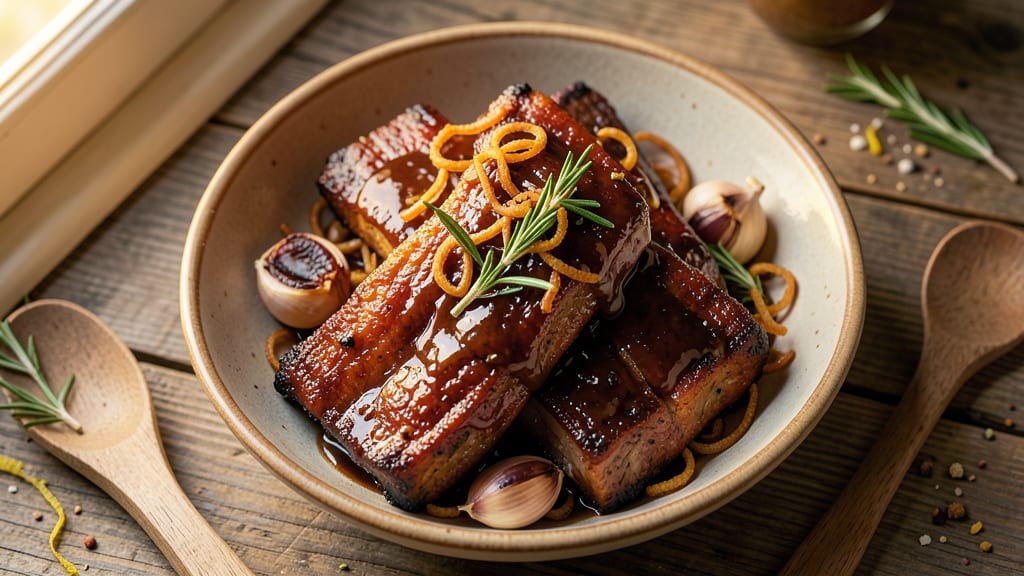
Apple cider vinegar transforms tough ribs into melt-in-your-mouth perfection with its tenderizing magic and tangy depth. This recipe delivers fall-off-the-bone meat that's juicy inside and caramelized outside, all thanks to a marinade that works its magic while you sleep.
The acidity breaks down connective tissue, while the sweetness creates a sticky, flavorful bark that'll have everyone asking for seconds.
The secret lies in the 3-day marinating process, where apple cider vinegar tenderizes the meat while infusing it with smoky, slightly sweet flavors. You'll use a dry rub for texture and bark formation, then slow-cook the ribs until they're so tender they practically fall apart.
This method works equally well on the grill, smoker, or oven—giving you flexibility for any cooking setup.
What you'll end up with is ribs that are tender yet robust, with a perfect balance of sweet, tangy, and smoky flavors. The apple cider vinegar creates that signature tangy bite that cuts through the richness, making each bite irresistible.
The bark is crispy enough to hold up to sauces or sides, while the meat inside is so tender it practically dissolves.
Serve with classic BBQ sides like coleslaw, baked beans, or cornbread to complete the meal. The ribs stay juicy for hours, making them perfect for meal prep or feeding a crowd. Here's how to achieve restaurant-quality results at home with minimal effort.
Ingredients for apple cider vinegar ribs
Six ingredients for the marinade, six for the rub—just ribs and patience for the magic.
| Ingredient | Amount | Notes |
|---|---|---|
| Pork Baby Back Ribs 🥓 | 4 lb | Bone-in, meaty ends included |
| Apple Cider Vinegar 🍎 | 1 cup | Raw, unfiltered preferred |
| Brown Sugar 🍚 | ½ cup | Packed, light or dark |
| Smoked Paprika 🌶️ | 2 tbsp | For deep smoky flavor |
| Garlic Powder 🧄 | 1 tbsp | Freshly ground preferred |
| Onion Powder 🧅 | 1 tbsp | For sweet depth |
| Ground Black Pepper 🌶️ | 1 tbsp | Freshly cracked preferred |
| Kosher Salt 🧂 | ½ cup | Diamond Crystal preferred |
| Yellow Mustard 🥬 | ¼ cup | For marinade binding |
| Olive Oil 🫒 | ¼ cup | Extra-virgin for richness |
| Honey 🍯 | ¼ cup | Wildflower preferred |
| Wood Chips 🌳 | 1 package | Hickory or apple wood |
| Charcoal or Wood Pellets 🔥 | 2 lbs | For smoker or grill |
| Fresh Cilantro 🌿 | ¼ cup | Chopped, for garnish |
The ribs are the star, so grab baby back cuts—they're leaner and more tender than spare ribs. Costco or local butchers usually have them pre-cut, but if buying whole, trim the silver skin and cut between bones. The apple cider vinegar needs to be raw and unfiltered—Bragg or local farm brands work best. For the wood chips, hickory gives classic BBQ flavor, while apple adds sweetness that pairs perfectly with the vinegar. If you're using a smoker, soak the wood chips for 30 minutes before starting—keeps them from burning too fast.
No apple cider vinegar? White vinegar plus 1 tbsp apple juice works in a pinch, though the flavor won't be as complex. Short on honey? Maple syrup at half the amount gives similar sweetness. The mustard is non-negotiable—it helps the marinade cling to the meat. For the rub, if you can't find smoked paprika, regular paprika plus a pinch of liquid smoke mimics it. And if you're cooking indoors, use a cast-iron skillet or Dutch oven for that smoky bark—just add wood chips to the coals underneath.
Marinate the ribs for 3 days in the fridge—don't skip this. The longer they soak, the more tender they get. Store the dry rub in an airtight container for up to 3 months, and the wood chips in a sealed bag in the freezer for 6 months. Once cooked, ribs reheat beautifully—wrap in foil with a splash of apple juice and bake at 300°F for 15 minutes. Leftovers keep for 4 days in the fridge, though they're best eaten fresh.
Why You'll Love This Recipe
- Five-Ingredient Magic: The secret’s in the simplicity—just ribs, vinegar, sugar, and two spices. I swear, the apple cider vinegar does all the work, tenderizing and caramelizing while I’m chopping veggies for the side. No fancy marinades or last-minute prep here.
- Sweet-Smoky Tang: That first bite? The vinegar’s sharp bite cuts through the richness of the ribs, while the brown sugar and smoked paprika give it this addictive, sticky-sweet crust. Honestly, it’s the kind of flavor that makes you want to eat them straight off the bone.
- Weeknight Crowd-Pleaser: I’ve served these at tailgates, family dinners, and even lazy Sunday brunches—everyone goes back for more. The leftovers reheat beautifully, and the sauce? You’ll have jars of it for months. (Yes, even my picky teenage nephew approves.)
- Budget-Friendly Feast: A full rack of ribs feeds six for under $30, and the ingredients are pantry staples. The vinegar and sugar stretch far, so you’re not just feeding a crowd—you’re doing it without breaking the bank. Plus, the leftovers taste just as good the next day.
Step-by-step instructions for apple cider vinegar ribs
Here's how to transform tough ribs into melt-in-your-mouth perfection with a tangy twist.
Mix the Marinade and Coat the Ribs
In a large bowl, combine the 1 cup apple cider vinegar, 0.5 cup brown sugar, 2 tbsp smoked paprika, 1 tbsp garlic powder, 1 tbsp onion powder, 1 tbsp ground black pepper, 0.5 cup kosher salt, 0.25 cup yellow mustard, and 0.25 cup olive oil. Stir until the brown sugar dissolves completely—this creates a sticky, flavorful base.
Place the 4 lb pork baby back ribs in a large zip-top bag and pour the marinade over them. Seal the bag and massage the marinade into every crevice, making sure the ribs are fully coated. Let them marinate in the refrigerator for at least 4 hours or overnight for maximum tenderness. The acid in the vinegar will begin breaking down the tough fibers right away.
Prepare Your Smoker for Low and Slow Cooking
Set up your smoker using the 1 package wood chips (hickory or apple) and 2 lbs charcoal or wood pellets. Maintain a steady temperature of 225°F—this is critical for tender ribs. I like to use a water pan in the smoker to help maintain moisture throughout the cook.
When the smoker reaches temperature and you see clean, blue smoke (not thick white steam), you're ready. Remove the ribs from the marinade and let them sit at room temperature for 30 minutes before smoking. This helps them cook more evenly and prevents temperature shock when they hit the smoker.
Smoke the Ribs Until They're Fall-Off-The-Bone Tender
Place the ribs meat-side down on the smoker grates and smoke for 2 hours. After this initial time, flip them bone-side down and continue smoking for another 2 hours. The ribs will develop a beautiful bark during this time, but don't worry if it's not perfectly dark yet—they'll finish cooking in the oven.
Here's the key: monitor the internal temperature using a meat thermometer. When it reaches 195°F in the thickest part of the meat (near the bone), they're ready. This can take a total of 4-5 hours depending on your smoker. The ribs should be fork-tender and pull apart easily when tested.
Glaze and Finish in the Oven
While the ribs are still on the smoker, mix together 0.25 cup honey and 0.25 cup apple cider vinegar in a small bowl. Brush this glaze generously over the ribs, letting it penetrate the meat for 10 minutes. Then, transfer the ribs to a baking sheet and finish in a 400°F oven for 10-15 minutes to caramelize the glaze.
The oven finish creates a beautiful sheen and intensifies the flavors. Watch closely—you want the glaze to bubble and darken slightly, but not burn. The ribs are done when the glaze is sticky and glossy, and the meat is fork-tender with a deep mahogany color.
Rest and Serve with Fresh Garnish
Remove the ribs from the oven and let them rest for 15 minutes before serving. This resting period allows the juices to redistribute, ensuring each bite is moist and flavorful. While they rest, chop the 0.25 cup fresh cilantro and sprinkle it over the top for a bright, fresh contrast to the rich, tangy ribs.
Slice between the bones and serve with extra glaze drizzled on top. The ribs should be so tender they practically fall apart at the touch, with a perfect balance of smoky, sweet, and tangy flavors. Pair them with classic sides like coleslaw or cornbread for a complete meal.
Pro Tips For Making Apple Cider Vinegar Ribs
- BRINE OVERNIGHT: Toss those ribs in a mix of apple cider vinegar, brown sugar, and garlic powder—then let them soak in the fridge for 12-24 hours. I used to skip this, but the vinegar tenderizes the meat and cuts through the fat like a knife, making the final cook faster and the sauce cling better. (Yes, even if you’re impatient like me.)
- SKIP THE BOIL: After brining, pat the ribs dry and sear them skin-side down in a hot pan for 2-3 minutes before slow cooking. I learned this the hard way—boiling them first makes the meat rubbery, and the crust you get from searing is what holds the sauce. High heat. Seriously, crank it up.
- WATCH THE VINEGAR: Reduce the apple cider vinegar sauce by half before glazing the ribs—simmer it down until it’s thick enough to coat a spoon. Too much liquid means soggy ribs, and you’ll end up with a sad, watery glaze instead of that sticky, caramelized finish. (Your future self will thank you.)
- REST BEFORE SERVING: Pull the ribs from the oven or smoker, wrap them in foil, and let them rest for 10 minutes before cutting. I used to slice them immediately, and the juices would pool on the plate instead of staying in the meat. This simple step keeps everything moist and makes every bite worth it.
Storing and reheating this apple cider vinegar ribs
Refrigerator Storage
Store cooked ribs in an airtight container with a splash of apple cider vinegar or beef broth to maintain moisture. Keep them refrigerated for up to 4 days—the flavors actually deepen as they rest. I like using glass containers with tight-sealing lids to prevent odors from absorbing. 🥓
Freezer Preservation
For longer storage, wrap ribs tightly in plastic wrap followed by foil, then place in a freezer bag to prevent freezer burn. Label with the date—these ribs stay delicious for up to 3 months.
Thaw overnight in the fridge before reheating. I avoid microwave thawing because it can make the meat mushy.
Oven Reheating Method
Preheat your oven to 300°F and place ribs on a baking sheet. Cover loosely with foil and add 2 tablespoons apple cider vinegar or water to the pan. Bake for 15-20 minutes until heated through—this keeps them moist and restores that smoky bark. Check at 15 minutes to prevent overcooking.
Grill or Smoker Refresh
For a crispy finish, reheat ribs on a grill or smoker at 350°F for 10-15 minutes, uncovered. Brush with a mix of 1 tablespoon honey and 1 tablespoon apple cider vinegar halfway through.
This method mimics the original cook and adds a fresh bark. Just avoid direct flames to prevent burning the glaze. 🔥
Microwave Shortcut
When in a hurry, use the microwave on 50% power for 2-3 minutes per pound, covered with a damp paper towel. Stir every 30 seconds to distribute heat evenly.
Add 1 tablespoon apple cider vinegar to the dish before microwaving—it helps retain moisture and flavor. This isn't ideal for texture, but it works in a pinch.
Garnish and Serve
After reheating, sprinkle with fresh cilantro and a drizzle of the original glaze to refresh the presentation. Serve with pickles or coleslaw to cut through the richness. I often reheat ribs in batches—just store them in individual portions for easy grab-and-go meals during the week. ✨
Nutrition facts
Frequently asked questions
Can I use apple cider vinegar for ribs without marinating overnight?
The 3-day marinade is ideal for maximum tenderness, but you can achieve good results with just 4 hours if needed. The acid in the vinegar starts working immediately, but longer marinating breaks down more connective tissue. For a quick version, increase the salt in the marinade to 0.75 cup to help tenderize faster.
What's the best way to cook these ribs without a smoker?
Use an oven or grill! For the oven, set it to 225°F and cook on the lowest rack with a water pan underneath. For the grill, use indirect heat with wood chips in a smoker box. Both methods work well—just monitor the internal temperature and aim for 195°F for that perfect tenderness.
Why does my rib bark keep falling off?
This usually happens when the ribs aren't cooked low and slow enough or the temperature fluctuates. Maintain a steady 225°F and avoid opening the smoker/oven too often. For extra help, apply a thin layer of egg white before the dry rub—it acts as a binder and helps the bark stick better.
Can I substitute apple cider vinegar with another vinegar?
White vinegar works in a pinch, but it lacks the depth of flavor. For best results, use raw, unfiltered apple cider vinegar. If you must substitute, add 1 tbsp apple juice to white vinegar to mimic the natural sweetness. The tangy bite is what makes these ribs special, so don't skip it entirely!
How do I know when the ribs are fully tender?
Use a meat thermometer to check the internal temperature at the thickest part—it should reach 195°F. The ribs should also pull apart easily with a fork and have a deep mahogany color. If they're still tough at this temperature, they need more time. The glaze should be sticky and glossy, not dry or burnt.