
Sauces & Condiments
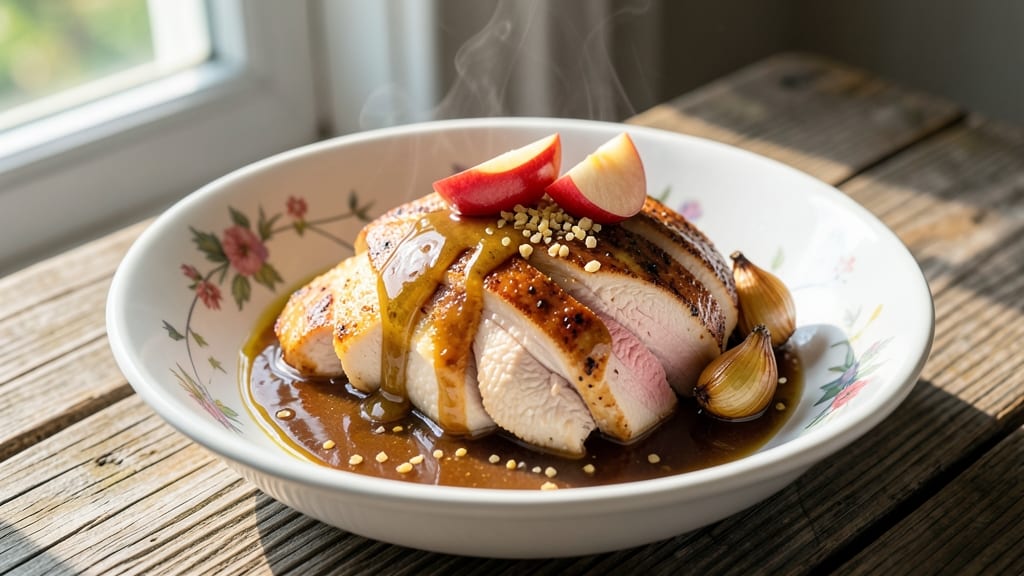
This apple cider vinegar sauce recipe transforms simple ingredients into a sharp, tangy condiment that elevates everything from salads to roasted meats. The balance of acidity, sweetness, and richness creates a versatile sauce that adds depth to dishes without overpowering them.
I developed this recipe after realizing how much better homemade vinegar-based sauces taste compared to store-bought versions—fresh, bright, and customizable to your exact taste.
The foundation of this sauce lies in its simplicity: just a few key ingredients like apple cider vinegar, honey, and Dijon mustard work together to create a harmonious blend. The vinegar provides the signature tang, while the honey and mustard mellow the sharpness, creating a smooth, well-rounded flavor.
A touch of garlic and a pinch of salt add complexity, ensuring every drizzle delivers bold flavor. The sauce can be thinned with water for a lighter consistency or thickened with a splash of olive oil for a richer finish.
What makes this sauce truly special is its versatility—drizzle it over crispy roasted vegetables, toss it with fresh salads, or use it as a marinade for meats. The tangy-sweet profile cuts through richness, making it perfect for balancing hearty dishes.
It also keeps well in the refrigerator for up to two weeks, so you can make a batch ahead and always have a flavorful condiment on hand.
Whether you're a home cook looking to elevate simple meals or a seasoned chef seeking a reliable pantry staple, this apple cider vinegar sauce delivers consistent, restaurant-quality results. The recipe is foolproof, with clear instructions to help you achieve the perfect balance of flavors every time. Let’s get started!
Ingredients for apple cider vinegar sauce
Eight essential ingredients create a restaurant-quality apple cider vinegar sauce with perfect tang-sweet balance.
| Ingredient | Amount | Notes |
|---|---|---|
| Apple Cider Vinegar 🍏 | ½ cup | Raw, unfiltered preferred for depth |
| Honey 🍯 | ¼ cup | Wildflower or clover variety |
| Dijon Mustard 🌶️ | 2 tbsp | High-quality, well-aged |
| Garlic Cloves 🧄 | 2 cloves | Fresh, minced for intensity |
| Extra-Virgin Olive Oil 🫒 | ¼ cup | Fruity, peppery variety |
| Granulated Garlic 🧄 | 1 tsp | For subtle garlic flavor |
| Diamond Crystal Kosher Salt 🧂 | ½ tsp | Fine grain preferred |
| Water 💧 | ¼ cup | For thinning if needed |
The apple cider vinegar is the star—Bragg or local orchard varieties deliver the most complex flavor profile. Look for raw, unfiltered options at specialty stores like Whole Foods or Trader Joe's, where the mother culture adds depth. Honey selection matters too: Manuka honey adds subtle medicinal notes, while clover honey offers classic floral sweetness. For Dijon mustard, Maille or Colman's provide that signature smooth texture. The olive oil should be fruity and peppery—California or Italian varieties work best. Fresh garlic cloves are non-negotiable here; pre-minced garlic loses its punch quickly.
No apple cider vinegar? White wine vinegar or balsamic vinegar work in a pinch, though flavor will differ slightly. Substitute honey with maple syrup or agave nectar for a different sweetness profile. Running low on Dijon? Yellow mustard thinned with water mimics the texture. The granulated garlic can be omitted if you've already minced fresh cloves. For a richer finish, add 1 tsp of balsamic vinegar to deepen the complexity. If consistency feels too thick, add water 1 tbsp at a time until desired texture is reached.
This sauce keeps beautifully in an airtight container in the refrigerator for up to 3 weeks. For long-term storage, divide into ice cube trays and freeze for up to 6 months. The flavor actually improves with time as the ingredients meld. When using, bring to room temperature before drizzling—cold sauce can taste overly sharp. I always make a double batch; it disappears faster than you'd expect, especially when roasted vegetables or grilled meats are on the menu.
Why You'll Love This Recipe
- No-Fuss Whisking: This sauce comes together in five minutes—just toss everything into a bowl, stir until smooth. Honestly, I’ve made it with my hands in the sink while waiting for pasta water to boil.
- Tangy-Sweet Magic: That first bite? The honey and apple cider vinegar balance like a perfect hug—bright, rich, and just a little sharp. The Dijon mustard adds this hidden depth that makes it ridiculously good on roasted veggies or grilled chicken.
- Dresses Up Anything: Slather it on roasted Brussels sprouts, drizzle it over a steak, or toss it with cold noodles—it works every time. I’ve even used it as a marinade (yes, even on a Tuesday night) and the flavor sticks like glue.
- Stays Fresh Forever: Make a big batch—it keeps in the fridge for weeks without spoiling. Between us, I’ve had this sauce linger for over a month, and it’s still the secret weapon that turns simple meals into something special.
Step-by-step instructions for apple cider vinegar sauce
This sharp, tangy sauce comes together in minutes with precise technique.
Combine Vinegar, Honey, and Mustard
In a medium saucepan, measure out the 0.5 cup apple cider vinegar and 0.25 cup honey directly from their containers. Add the 2 tablespoons Dijon mustard and whisk vigorously for 30 seconds until fully incorporated. The mixture should thicken slightly and develop a glossy sheen.
Here's the thing—whisking creates emulsification right from the start, preventing separation later. If you notice any streaks of honey remaining, continue whisking for another 10 seconds. The sauce should be smooth and uniform at this stage, with a balanced tang from the vinegar and sweetness from the honey.
Add Garlic and Olive Oil
Reduce the heat to low and add the 2 minced garlic cloves and 1 teaspoon granulated garlic. Stir continuously for 1 minute until the raw garlic aroma dissipates and you detect a subtle, toasted garlic note. This prevents the garlic from burning while still infusing its flavor.
Next, slowly drizzle in the 0.25 cup extra-virgin olive oil while whisking constantly. The sauce will temporarily emulsify then separate slightly—this is normal. Continue whisking for 2 minutes until the oil fully incorporates and the mixture becomes silky smooth. You're building the foundation for that velvety texture that defines this sauce.
Season and Simmer
Add the 0.5 teaspoon Diamond Crystal kosher salt and stir until completely dissolved. Increase heat to medium-low and let the sauce simmer gently for 5-7 minutes, stirring occasionally. You'll notice the sauce gradually thickens as moisture evaporates and flavors meld together.
Watch for the sauce to reach a consistency where it coats the back of a spoon but still flows freely. If it thickens too much before reaching this point, add 1 tablespoon water at a time until you achieve the desired consistency. The final texture should be thick enough to cling to proteins or vegetables but still pourable.
Finish and Test
Remove the sauce from heat and let it cool for 2 minutes. Taste and adjust seasoning—you may need to add a pinch more salt or a splash of vinegar to balance the flavors. The sauce should have a bright acidity from the vinegar, sweetness from the honey, and a subtle garlic complexity.
For best results, use the sauce immediately while warm. It will continue to thicken slightly as it cools, so if you need to reheat later, do so over low heat while stirring constantly to prevent separation. This versatile sauce keeps well in the refrigerator for up to 1 week when stored in an airtight container.
Pro Tips For Making Apple Cider Vinegar Sauce
- STIR CONSTANTLY: The second that honey hits the heat, it crystallizes if you’re not paying attention. I’ve ruined a batch by walking away for 30 seconds—don’t be that person. Keep the pan moving until everything’s fully incorporated, even if it means standing there like a maniac.
- USE RAW GARLIC: Peeling and mincing garlic cloves is a pain, but roasting them first makes this sauce taste like it came from a fancy restaurant. Toss the whole cloves in the pan with the oil first, let them sizzle until golden, then crush them—no need to chop. The caramelized flavor cuts through the vinegar’s sharpness.
- MEASURE VINEGAR FIRST: Adding honey to vinegar before measuring throws off the balance every time. Pour the vinegar into your mixing bowl first, then add honey, mustard, and oil to it. That way, you’re not guessing if you’ve got the right ratio—just eyeball the honey as you go.
- WHISK IN COLD OIL: Dumping olive oil straight into a hot pan turns this sauce into a greasy mess. Let the vinegar-honey-mustard mixture cool for 2 minutes after heating, then slowly whisk in the oil. The sauce will emulsify better, and you won’t end up with a separation that looks like someone sabotaged your dinner.
Wine and beer pairings for this dish
Crisp White Wine Pairings
This tangy apple cider vinegar sauce pairs beautifully with dry white wines that can stand up to its bright acidity. A Sauvignon Blanc from New Zealand—like Oyster Bay—is my go-to choice. Its citrusy notes and herbal undertones complement the honey and garlic perfectly, creating a refreshing contrast.
The crisp acidity in the wine mirrors the vinegar's tang, while the wine's fruitiness balances the sauce's sharpness. 🍷
Crisp Lager Complements
For beer lovers, a crisp American lager like Miller Lite or Coors Banquet works surprisingly well. The clean, light malt profile prevents the beer from clashing with the sauce's bold flavors.
The carbonation also helps cut through the richness of dishes like roasted meats or fried foods when the sauce is drizzled on top. If you prefer something with a bit more character, try a Belgian witbier like Hoegaarden—its coriander and citrus notes add an extra layer of complexity.
Red Wine Contrasts
If you're serving the sauce with hearty dishes like braised meats or BBQ, a light-bodied red wine like Pinot Noir or Beaujolais can be a great match.
The Pinot Noir from Oregon—such as Domaine Serene—offers enough acidity to pair with the vinegar's tang, while its red fruit notes harmonize with the honey. For a bolder option, a Chianti with its bright acidity and cherry undertones can stand up to the sauce's sharpness without overpowering it.
Craft Beer Adventures
For those who love experimenting, a hazy IPA with its juicy hop flavors can be an unexpected but delightful pairing. Brands like Hazy Little Thing from Dogfish Head bring fruity, tropical notes that play off the sauce's sweet and tangy profile.
The bitterness in the IPA also helps balance the richness of dishes like fried chicken or roasted pork when the sauce is drizzled on top. If you prefer something smoother, a German Hefeweizen like Weihenstephaner adds a subtle sweetness that complements the honey in the sauce.
Nutrition facts
Frequently asked questions about apple cider vinegar sauce
Can I make this sauce without honey?
Yes! For a different sweetness profile, substitute honey with maple syrup or agave nectar (use the same amount). If you prefer a savory version, omit the honey entirely and add 1 teaspoon of soy sauce or 1 tablespoon of balsamic vinegar instead. The sauce will have more acidity but still be delicious.
How do I adjust the thickness of the sauce?
If your sauce is too thick, thin it with 1 tablespoon of water at a time while whisking constantly. For a richer texture, stir in 1 tablespoon of olive oil or 1 teaspoon of cornstarch mixed with water. Remember, the sauce will thicken slightly as it cools, so adjust while warm.
Can I use this sauce as a marinade?
This sauce makes an excellent marinade for chicken, pork, or tofu. Use 1/2 cup of sauce per pound of meat and marinate for 2-4 hours in the refrigerator. The acidity in the vinegar helps tenderize the protein while infusing flavor. For extra safety, don't marinate longer than 4 hours.
What are the best ways to store leftover sauce?
Store in an airtight container in the refrigerator for up to 3 weeks. For longer storage, portion into ice cube trays and freeze for up to 6 months. Thaw overnight in the fridge before using. The sauce actually tastes better after a few days as flavors meld together!
Why did my sauce separate?
Separation usually happens when oil and vinegar aren't properly emulsified. To fix it, whisk vigorously for 2 minutes or blend briefly with an immersion blender. For prevention, always whisk constantly when adding oil and avoid overheating. A splash of 1 teaspoon of Dijon mustard can also help stabilize the emulsion.