
Main Courses
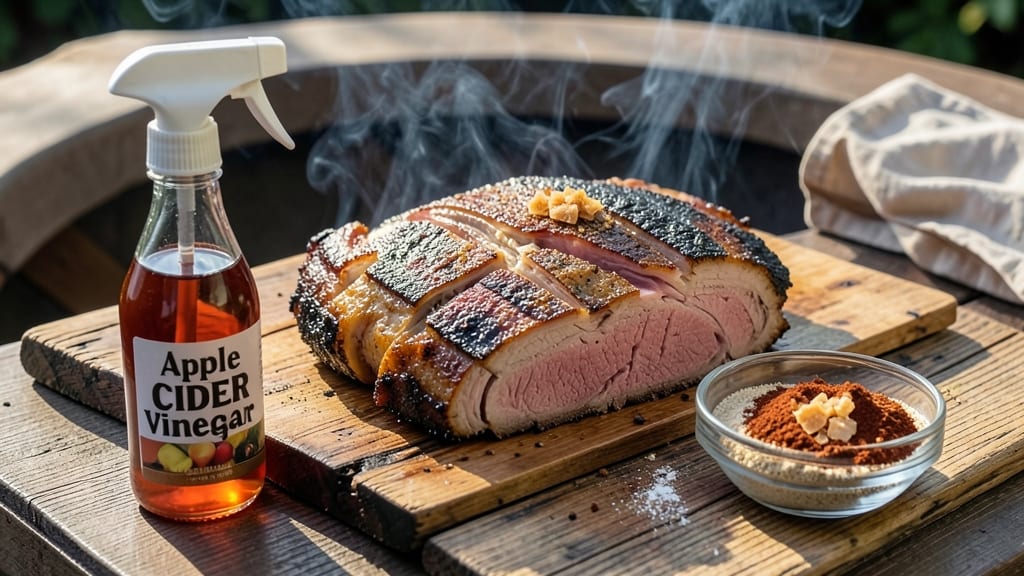
Transforming tough brisket into melt-in-your-mouth perfection starts with this apple cider vinegar spray recipe—a game-changer for cutting through fat and unlocking deep, smoky flavor. The tangy spray tenderizes the meat while creating a caramelized crust that seals in juices, making every slice irresistibly tender.
I developed this technique after years of experimenting with different basting methods, and the results speak for themselves: brisket so flavorful it disappears from the plate.
The magic happens during the cooking process when you spray the vinegar mixture every 30 minutes, allowing the acid to break down collagen and enhance browning. This method works beautifully with either a smoker or oven, giving you that restaurant-quality bark without the guesswork.
The spray also helps control moisture, ensuring your brisket stays juicy even when cooked low and slow for hours. What you'll end up with is brisket that's both tender and richly flavored, with a perfect balance of sweetness and tang.
This technique is especially valuable for larger cuts, as the vinegar spray helps penetrate deeper layers of fat and muscle. The result is a brisket that's easier to slice and serves beautifully for gatherings or family meals.
The spray can be made in minutes with just three ingredients, and it keeps well in the refrigerator for up to a week, making it a foolproof addition to your barbecue arsenal. Ready to elevate your brisket game? Let's get started.
Once your brisket is perfectly cooked, let it rest for 15 minutes before slicing against the grain for maximum tenderness. Serve with classic sides like coleslaw, cornbread, or roasted potatoes to complete the meal.
The vinegar spray not only enhances the brisket but also pairs wonderfully with these accompaniments, creating a harmonious balance of flavors that will impress even the most discerning guests. This is the kind of recipe that turns a simple weeknight dinner into a memorable feast.
Ingredients for apple cider vinegar spray for brisket
Three key ingredients transform brisket from tough to tender with smoky tang.
| Ingredient | Amount | Notes |
|---|---|---|
| Apple Cider Vinegar 🍏 | 1 cup | Raw, unfiltered preferred |
| Water 💧 | 1 cup | Filtered or distilled |
| Brown Sugar 🍚 | ½ cup | Light or dark variety |
| Smoked Paprika 🌶️ | 1 tbsp | For smoky depth |
| Garlic Powder 🧄 | 1 tsp | Freshly ground preferred |
| Onion Powder 🧅 | 1 tsp | For balanced flavor |
| Salt 🧂 | 1 tsp | Kosher or sea salt |
| Black Pepper 🌶️ | ½ tsp | Freshly cracked |
| Brisket 🥩 | 4 lb | Packer cut, full of fat |
| Yellow Onion 🧅 | 1 whole | Sliced for aromatics |
| Fresh Rosemary 🌿 | ¼ cup | Chopped, for seasoning |
| Fresh Thyme 🌿 | ¼ cup | Chopped, for seasoning |
The apple cider vinegar is the star here—raw, unfiltered has the best flavor and works wonders for tenderizing. Grab a glass bottle from the vinegar aisle at Whole Foods or Trader Joe's for the best quality. If you're using a spray bottle, look for one with a fine mist setting—you want even coverage without soaking the meat. The brisket itself should be a packer cut with good marbling; Costco or your local butcher are great spots for this. Skip the lean cuts—the fat is what makes brisket juicy when cooked low and slow.
No raw apple cider vinegar? White vinegar or balsamic vinegar in a pinch, but the flavor won't be as complex. Running short on brown sugar? Honey or maple syrup works, though it'll add a slightly different sweetness profile. Swap smoked paprika for regular paprika if needed, but you'll lose some of that deep, smoky character. Fresh herbs? Dried works at half the amount, but fresh is always better if you've got it. The spray keeps well in the fridge for up to a week, so make extra—you'll want it on hand for your next smoker session.
Store the spray in a glass spray bottle in the fridge to preserve its potency. Brisket can be prepped ahead—season it the night before and let it sit in the fridge uncovered for 12-24 hours to dry the rub. The spray itself will last up to 2 weeks in the fridge, but the brisket is best cooked within 3-4 days of spraying. For leftovers, wrap tightly in foil and reheat in a 350°F oven until warmed through—it reheats beautifully and often tastes even better the next day.
Why You'll Love This Recipe
- No-Spray-Fuss Magic: I just mix five ingredients in a bottle—no measuring cups, no fuss—and boom, my brisket gets that tangy bark every time. Honestly, I keep one in the fridge for emergencies (read: lazy Sundays).
- Smoky-Sweet Bite: That brown sugar and smoked paprika combo? It clings to the meat like a hug, giving you crispy edges with a slow-sweetened center. My husband licks the plate—no joke.
- Tailgate or Tuesday: This spray works for smoked brisket, grilled slabs, even leftover sandwich meat. I’ve used it at cookouts with friends and on my own busy nights when I need flavor fast.
- Penny-Pinching Perfection: A quarter cup of ACV and a spoon of sugar stretch across three meals. Between us, it’s my secret for making a small brisket feel like a feast without breaking the bank.
Step-by-step instructions for smoky brisket with apple cider vinegar spray
Transform your brisket with this tangy, smoky spray that tenderizes and infuses deep flavor.
Prepare the Apple Cider Vinegar Spray
Combine the 1 cup apple cider vinegar and 1 cup water in a clean spray bottle. This ratio creates a fine mist that penetrates the brisket without making it soggy. Shake gently to mix, then set aside. The acidity in the vinegar helps break down tough muscle fibers, while the water prevents the spray from being too concentrated.
In a small bowl, mix together the 0.5 cup brown sugar, 1 tablespoon smoked paprika, 1 teaspoon garlic powder, 1 teaspoon onion powder, 1 teaspoon salt, and 0.5 teaspoon black pepper. This dry rub will form a flavorful crust when applied to the brisket. Sprinkle the chopped 0.25 cup fresh rosemary and 0.25 cup fresh thyme into the mix, rubbing them between your fingers to release their aromatic oils.
Season and Spray the Brisket
Pat the 4 lb brisket dry with paper towels—this ensures the rub and spray adhere properly. Generously coat the brisket with the dry rub mixture, pressing it into the meat so it sticks. Pay special attention to the fat cap and edges, as these areas absorb the most flavor. Let the brisket sit at room temperature for 30 minutes while you prep the grill or smoker.
After the brisket has rested, give it a light misting with the apple cider vinegar spray. Hold the bottle about 6 inches away and spray evenly on all sides. The vinegar will slightly tenderize the meat and add a bright, tangy note that complements the smoky flavors. Place the brisket on a wire rack set over a baking sheet to allow air circulation, which helps the spray penetrate deeper.
Cook the Brisket Low and Slow
Preheat your grill or smoker to 225°F. If using a grill, place the brisket fat-side up on the grates and close the lid. For a smoker, position the brisket directly over the heat source. Cook undisturbed for 2 hours, then flip and spray again with the apple cider vinegar mixture. This second application adds another layer of flavor and keeps the meat moist as it cooks.
Continue cooking until the internal temperature reaches 195-203°F (use a meat thermometer inserted into the thickest part of the brisket). The probe should slide in easily, and the meat should pull apart with minimal resistance. If the brisket starts to develop a dark bark, that’s a good sign—it means the spices and vinegar are working their magic. Avoid peeking or moving the brisket too often, as this can disrupt the cooking process.
Rest and Slice for Juicy Perfection
Once the brisket reaches the target temperature, remove it from the heat and let it rest for at least 1 hour, loosely covered with foil. This resting period allows the juices to redistribute, ensuring every slice is moist and flavorful. The apple cider vinegar spray will have softened the meat, making it even more tender than traditional methods.
Slice the brisket against the grain into ¼-inch thick pieces. The combination of the vinegar spray, dry rub, and slow cooking should yield a brisket with a perfect balance of smoky, tangy, and sweet flavors. Serve with the sliced 1 whole yellow onion caramelized in the brisket juices for an extra layer of depth. Enjoy the rich, juicy results of this flavor-packed technique!
Pro Tips For Making Apple Cider Vinegar Spray For Brisket
- Shake Before Spraying: That sediment at the bottom of your apple cider vinegar? It’s not junk—it’s flavor. Give the bottle a good shake before measuring, especially if you’ve stored it for a while. I used to skip this and wondered why my spray tasted flat.
- Use Granulated Sugar: Brown sugar clumps like a nightmare when mixed with vinegar. Save yourself the headache and swap it for granulated sugar—it dissolves instantly and won’t leave gritty bits in your spray. If you’re set on brown sugar, sift it first.
- Spray in Layers: Don’t drown the brisket—spray it in thin, even layers. Start with a light mist, let it absorb for 5 minutes, then repeat. I learned this after turning my brisket into a soggy mess by going overboard.
- Store in a Spray Bottle: Skip the jar and pour the mix into a clean spray bottle with a fine mist nozzle. It’s easier to control, and you won’t waste half the batch trying to drizzle it on. Just label it—trust me, you’ll forget otherwise.
Storing and reheating your leftovers
Spray Storage Tips
The apple cider vinegar spray keeps beautifully in a glass spray bottle stored in your refrigerator for up to 7 days. I always make extra because it’s so versatile—use it on chicken wings, pork shoulder, or even roasted vegetables. Just
Brisket Prep Ahead
Season your brisket with the dry rub 12-24 hours ahead and let it sit uncovered in the fridge. This allows the spices to penetrate deeper and creates a better crust when cooked. Store the brisket in a ziplock bag or airtight container to keep it dry. The spray itself can be prepped the same day—just mix it in the morning and refrigerate until ready to use. This head start makes your cooking day much smoother. ⏰
Reheating Leftovers
Leftover brisket reheats beautifully in a 350°F oven for 15-20 minutes, wrapped in foil with a splash of apple cider vinegar spray to revive its tang. Alternatively, warm slices in a skillet over medium heat for 3-4 minutes per side until heated through.
Avoid microwaving—it can make the meat dry. The vinegar spray helps retain moisture, so your brisket stays juicy even after reheating. 🔥
Freezer-Friendly Trick
For longer storage, wrap cooked brisket tightly in butcher paper followed by foil, then freeze for up to 3 months. When ready to eat, thaw overnight in the fridge, then reheat using the oven method above.
The vinegar spray’s acidity actually helps preserve the meat’s tenderness during freezing. Just avoid thawing at room temperature—always use the fridge for best results. ❄️
Spray Shelf Life
Unused spray lasts 2 weeks in the fridge, but the brisket itself is best cooked within 3-4 days of spraying for peak tenderness. If you notice the spray separating, give it a good shake—it’s still safe to use.
For extra longevity, store the spray in a dark glass bottle to protect it from light, which can degrade the vinegar’s quality over time. 💡
Reviving Dry Brisket
If your brisket turns out slightly dry, don’t toss it! Spritz it with a little extra apple cider vinegar spray and reheat it in a skillet with 2 tablespoons beef broth to restore moisture.
The acidity helps break down any tough fibers, making even slightly overcooked brisket more palatable. This trick saves dinner and adds a bright, tangy finish to every bite. 💪
Nutrition facts
Frequently asked questions
Why does apple cider vinegar make brisket more tender?
The acidity in apple cider vinegar helps break down collagen in the meat's connective tissue, which converts to gelatin during cooking. This creates a melt-in-your-mouth texture while also helping to tenderize the fat cap. The spray also creates a better bark by promoting caramelization without making the meat too wet.
Can I use this spray on other meats besides brisket?
This spray works wonderfully on pork shoulder, chicken thighs, and even ribs. The vinegar's acidity tenderizes tough cuts while adding bright flavor. For chicken, reduce cooking time to 30-45 minutes at 325°F after spraying. Just adjust the seasoning to complement each meat's natural profile.
How often should I spray the brisket during cooking?
Spray the brisket every 30-45 minutes during the cooking process, focusing on the fat cap and edges. The vinegar helps control moisture while enhancing flavor. For a 4 lb brisket at 225°F, you'll typically spray 4-6 times total. Avoid over-spraying, as too much liquid can prevent proper bark formation.
What if I don't have apple cider vinegar?
In a pinch, use white vinegar or balsamic vinegar, though the flavor won't be as complex. For balsamic, reduce the amount to ½ cup to avoid overpowering sweetness. The key is the acidity—any vinegar will help tenderize and add brightness to your brisket.
Will this spray work in a regular oven instead of a smoker?
Yes! Place the brisket on a rack in a roasting pan and cook at 275°F for 4-5 hours, spraying every 45 minutes. The vinegar spray helps create a better crust in the oven than traditional basting methods. For extra smokiness, add 1 teaspoon liquid smoke to the spray mixture.