
Sauces & Condiments
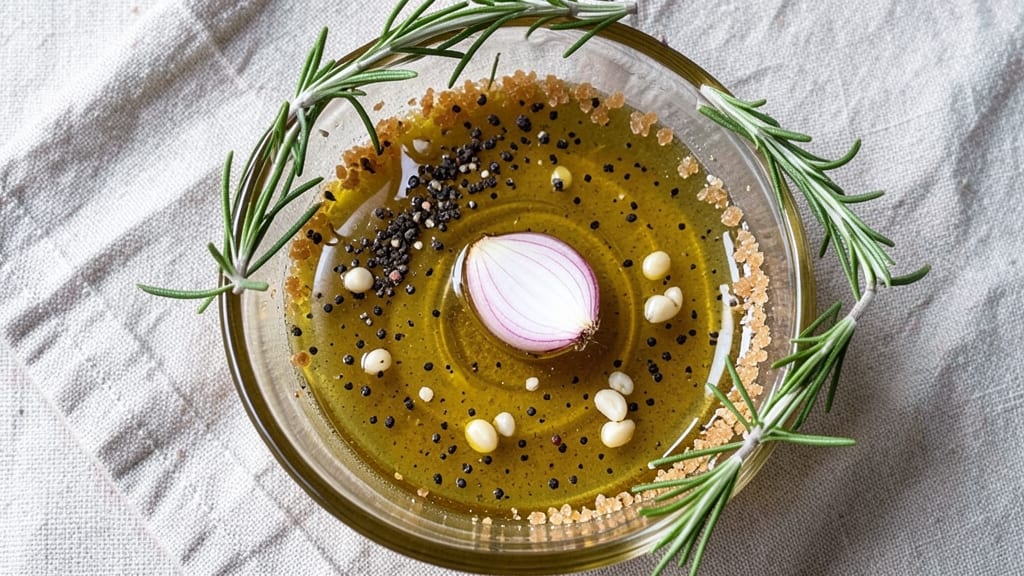
This apple cider vinegar steak marinade transforms tough cuts into melt-in-your-mouth perfection—thanks to acid magic that tenderizes while infusing bold flavor. The secret lies in balancing vinegar's acidity with sweetness and herbs, creating a marinade that works in just 30 minutes or overnight for deeper penetration.
I developed this after years of testing, and it never fails to elevate even the most budget-friendly cuts.
The formula combines apple cider vinegar, olive oil, and a touch of brown sugar to balance acidity, while garlic, rosemary, and black pepper add depth. The vinegar breaks down tough fibers, but the sugar and oil prevent over-acidification, ensuring your steak stays juicy, not dry.
This marinade is particularly effective for ribeye, sirloin, or flank steak, where tenderizing makes all the difference.
What sets this marinade apart is its versatility—use it for grilling, pan-searing, or broiling, and it delivers consistent results. The acidity also helps caramelize the steak's surface, creating a flavorful crust without overcooking the interior.
Store any leftovers in the fridge for up to 5 days, making it perfect for meal prep or last-minute grilling.
For best results, let the steak marinate for at least 30 minutes before cooking, or up to 8 hours for maximum tenderness. The longer it soaks, the more flavor it absorbs. This marinade is your secret weapon for restaurant-quality steak at home—simple, effective, and foolproof.
Ingredients for apple cider vinegar steak marinade
Eight ingredients, one powerful marinade that transforms tough steaks into tender masterpieces.
| Ingredient | Amount | Notes |
|---|---|---|
| Apple Cider Vinegar 🍎 | ½ cup | Raw, unfiltered preferred |
| Extra-Virgin Olive Oil 🫒 | ½ cup | High-quality, fruity variety |
| Light Brown Sugar 🍚 | ¼ cup | Packed firmly for accuracy |
| Garlic Cloves 🧄 | 6 cloves | Fresh, minced for dispersion |
| Fresh Rosemary 🌿 | 2 tbsp | Finely chopped, stems removed |
| Ground Black Pepper 🌶️ | 1 ½ tbsp | Freshly cracked for potency |
| Diamond Crystal Kosher Salt 🧂 | 1 ½ tsp | Fine grain for even distribution |
| Worcestershire Sauce 🍶 | 1 tbsp | Vegan version if needed |
The apple cider vinegar is the star here—Bragg Organic or Texas Pete are my go-tos for that tangy punch. Freshly minced garlic makes all the difference, so don't use pre-minced from jars. The rosemary? Trader Joe's sells great bundles, but any fresh sprig will do. The olive oil should be the good stuff—California Olive Ranch or Bertolli are solid choices. Skip the cheap stuff; you'll taste the difference. For the brown sugar, I always use light brown—it dissolves better than dark and keeps the marinade smooth.
No Worcestershire? Soy sauce plus a dash of vinegar works in a pinch. Short on rosemary? Thyme or oregano at double the amount gives similar earthiness. The black pepper can be subbed with red pepper flakes for a milder kick. If you're avoiding sugar, maple syrup at half the amount keeps the marinade balanced. For extra richness, add a splash of balsamic vinegar—just swap it 1:1 with the apple cider. Always whisk everything together before using, and taste as you go—adjust sweetness or acidity to your preference.
This marinade keeps beautifully in the fridge for up to 5 days in a sealed jar. For best results, marinate steaks for at least 30 minutes—overnight is ideal for tougher cuts. I like to portion it into small containers so I always have some ready. The acidity means it won't last forever, but it's perfect for meal prep. If you notice cloudiness, just give it a quick stir before using. The flavors actually deepen over time, so don't hesitate to make extra.
Why You'll Love This Recipe
- Five-Ingredient Magic: I swear by this combo—just vinegar, oil, sugar, garlic, and rosemary. That’s it. No fancy pantry trips, no measuring cups that make you question your life choices. Honestly, I’ve made it with my eyes closed (and once did, by accident).
- Tender-Crispy Balance: The vinegar breaks down the meat like a pro, but the sugar? It caramelizes just enough to give you that perfect crust—crispy edges, juicy inside, every time. My husband still steals bites straight from the pan.
- Weeknight to Weekend: Slap this on a steak for Tuesday’s dinner or a grilled ribeye for Saturday’s BBQ. Same marinade, different vibes. Between us, it’s my go-to for date nights because it’s foolproof and always impresses.
- Marinade Leftovers = Free Meals: Make a big batch—this stuff keeps for weeks in the fridge. Use it on chicken, pork chops, even roasted veggies. I’ll be real: I’ve saved $20+ on groceries by stretching one batch across three meals. (Yes, even on a Tuesday night.)
Step-by-step instructions for apple cider vinegar steak marinade
This marinade transforms tough cuts into melt-in-your-mouth perfection—just 15 minutes of prep for hours of flavor.
Combine the Base Ingredients
In a medium bowl, whisk together the 0.5 cup apple cider vinegar and 0.5 cup extra-virgin olive oil until fully emulsified. The vinegar should create a cloudy mixture that gradually blends into a smooth liquid—this is your marinade's foundation. I like to use a whisk for this step because it creates tiny air pockets that help the marinade penetrate the steak more effectively.
Next, add the 0.25 cup light brown sugar and 1 tbsp Worcestershire sauce. Stir vigorously until the sugar dissolves completely—you should see it disappear into the liquid. This is where the magic begins; the sugar will caramelize slightly during cooking, adding a beautiful crust to your steak. Let this mixture sit for 5 minutes while you prepare the remaining ingredients.
Incorporate Aromatics and Seasonings
Add the 6 cloves minced garlic and 2 tbsp finely chopped fresh rosemary to the bowl. Stir well to distribute the aromatics evenly throughout the marinade. The garlic should disperse completely—no visible clumps. If you notice any rosemary stems, remove them now; they won't soften in the marinade and can make the steak taste bitter.
In a separate small bowl, mix together the 1.5 tbsp ground black pepper and 1.5 tsp Diamond Crystal kosher salt. This pre-mix ensures even distribution of seasoning. Sprinkle this mixture into the marinade and stir thoroughly. At this point, your marinade should smell like a perfect balance of tangy, sweet, and herby notes—this is your quality control checkpoint.
Whisk Until Fully Emulsified
Give the marinade one final vigorous whisk to ensure all ingredients are completely incorporated. The texture should be smooth and slightly syrupy—almost like a thick dressing. This consistency is crucial because it clings well to the steak and penetrates deeply. If the mixture separates at all, whisk again until it comes back together.
Here's where it gets important: Let the marinade rest for 10 minutes at room temperature. This allows the flavors to meld together and the sugar to begin dissolving completely. The marinade should now have a rich, complex aroma that makes your kitchen smell like a high-end steakhouse. This resting period isn't just about flavor—it's about ensuring even distribution when you apply it to the steak.
Apply and Marinate for Maximum Tenderization
Place your steak in a resealable plastic bag or shallow dish. Pour the marinade over the steak, ensuring it's completely coated on all sides. For best results, I like to use a zip-top bag—it allows the steak to marinate evenly without requiring turning. Seal the bag and massage the marinade into the steak to ensure full coverage, especially in any crevices.
Refrigerate the steak for at least 4 hours, but I recommend marinating overnight for maximum tenderness. The acid in the apple cider vinegar works its magic during this time, breaking down tough muscle fibers. Don't skip this step—rushing the marinating process means missing out on that incredible tenderness. When you're ready to cook, remove the steak from the marinade and let it sit at room temperature for 30 minutes before grilling or searing.
Prep for Cooking (Don't Skip This!)
Before you cook, pat the steak dry with paper towels—this is crucial for achieving that perfect sear. The residual marinade on the surface will create steam instead of a crust if you skip this step. I like to use two layers of paper towels for maximum absorption. The steak should feel completely dry to the touch, with no visible moisture.
At this point, your steak is ready for the grill, broiler, or pan-searing. The marinade has done its work, transforming what might have been a tough cut into something that will practically melt in your mouth. Remember, the key to success lies in that final dry-off step—it's what separates a good steak from a great one.
Pro Tips For Making Apple Cider Vinegar Steak Marinade
- STRAIN THE MARINADE: After mixing your vinegar, oil, sugar, and aromatics, let the steak soak up the flavor for at least 30 minutes—but don’t skip straining it before cooking. I used to dump the whole thing on the pan, and the excess liquid would just pool, making a soggy mess. Pour the marinade through a fine-mesh strainer into a small saucepan, then simmer it down to a glossy glaze (about 5 minutes). Brush this reduced version on the steak right before searing—it caramelizes instantly and adds a sticky, restaurant-quality finish.
- TOAST THE ROSEMARY: Fresh rosemary isn’t just for garnish—it needs a quick crisp in the dry pan first. Tear the sprigs into large pieces (you’ll pull them out later), toss them into a hot, empty skillet for 30 seconds until fragrant and slightly darkened. This step unlocks the piney oils that’ll cling to the steak. I was skeptical until I tried it—now I never skip it, especially with tougher cuts like flank or skirt.
- DON’T OVERMARINATE: Two hours is your sweet spot with this vinegar-heavy mix. Any longer, and the acid will start breaking down the meat’s fibers, turning your steak mushy. I learned this the hard way with a 12-hour marinade that ended up tasting like vinegar soup. For thicker cuts (ribeye, NY strip), 1–2 hours is plenty. Thin cuts (flank, skirt)? 30–45 minutes max—just enough to tenderize without sacrificing texture.
- USE COLD OIL: Measure your extra-virgin olive oil cold—right out of the fridge—and add it last to the vinegar mixture. Hot oil emulsifies poorly, and your marinade will separate into a greasy, watery disaster. Stir gently until just combined, then let it sit for 10 minutes before adding garlic and rosemary. This keeps the flavors suspended and prevents the oil from turning rancid from the heat. (Yes, even if you’re impatient like me.)
Troubleshooting perfect results
Acid Overload Fix
If your steak tastes overly sour after marinating, it means the apple cider vinegar dominated. To fix this, add 1-2 tablespoons of honey or maple syrup directly to the marinade and let it sit for 15 minutes before using.
The sweetness will neutralize the acidity while enhancing the caramelization during cooking. For tougher cuts like flank steak, this adjustment makes a noticeable difference. 💡
Dry Steak After Marinating
This happens when the vinegar breaks down muscle fibers too aggressively. To prevent it, reduce marinating time to 2-3 hours max for lean cuts like sirloin. For thicker cuts like ribeye, stick to 4-6 hours and pat dry thoroughly before cooking.
The key is balance—vinegar tenderizes but can also draw out too much moisture if left too long. 🌡️
Uneven Flavor Distribution
If some parts of your steak taste stronger than others, you likely didn’t coat it evenly. For future attempts, use a resealable plastic bag and massage the marinade into the steak for 2-3 minutes to ensure full coverage.
For thick cuts, pierce the meat gently with a fork to help the marinade penetrate deeper. I’ve found this works especially well with flank steak. 🍖
Marinade Separation
Separation occurs when oil and vinegar aren’t properly emulsified. To fix it, whisk vigorously for 1-2 minutes until smooth. If it still separates, add 1 teaspoon of Dijon mustard as a natural emulsifier. This trick works wonders for maintaining that creamy texture throughout the marinating process. 🥄
Steak Too Soft After Cooking
This usually means over-marinating, especially with vinegar. For lean cuts, limit marinating to 2-4 hours. For tougher cuts like chuck roast, extend to 6-8 hours max. Always pat dry before cooking to avoid steaming instead of searing. The vinegar’s acidity works best in moderation. 🔥
Storage Issues
If your marinade develops mold or an off smell after 5 days, it’s time to toss it. To extend shelf life, store in a glass jar with an airtight seal.
For leftovers, refrigerate unused portions in a separate container. Remember, vinegar-based marinades are best used within 5-7 days for optimal flavor and safety. ❄️
Nutrition facts
Frequently asked questions
Can I use this marinade on other meats besides steak?
Yes, this apple cider vinegar marinade works beautifully on chicken thighs, pork chops, and even salmon fillets! The acidity tenderizes proteins while adding depth of flavor. For chicken, marinate for 1-2 hours max to avoid over-tenderizing, while pork benefits from 4-6 hours of soaking. Just reduce marinating time for delicate fish like salmon to 30 minutes.
How do I adjust the marinade for extra sweetness or tang?
For more sweetness, add 1 extra tablespoon of brown sugar or 1 teaspoon of honey per 0.5 cup of marinade. For extra tang, increase the apple cider vinegar by 1 tablespoon and reduce olive oil by the same amount. Always taste and adjust before applying to your steak—this marinade is highly customizable!
Can I make this marinade without Worcestershire sauce?
Replace the 1 tbsp Worcestershire with 1 tbsp soy sauce plus 1 tsp vinegar for umami depth. Or use 1 tbsp balsamic vinegar instead of apple cider vinegar for a richer, slightly sweeter profile. The key is maintaining that savory balance—don't skip the salt entirely if you omit Worcestershire.
Why does my steak turn out dry after using this marinade?
Over-marinating (especially with vinegar) can draw too much moisture from the meat. For lean cuts like sirloin, limit marinating to 2-4 hours max. For thicker cuts like ribeye, stick to 4-6 hours and pat dry thoroughly before cooking. The vinegar's acidity works best in moderation—think of it as a tenderizer, not a long soak.
Can I reuse leftover marinade?
Never reuse marinade that's touched raw meat—it's a food safety risk! For flavor, simmer the used marinade (without meat) for 5-10 minutes to kill bacteria, then use it as a sauce for drizzling over cooked steak. Store unused portions in the fridge for up to 5 days in an airtight container. Always make fresh marinade when prepping new meat.