
Main Courses
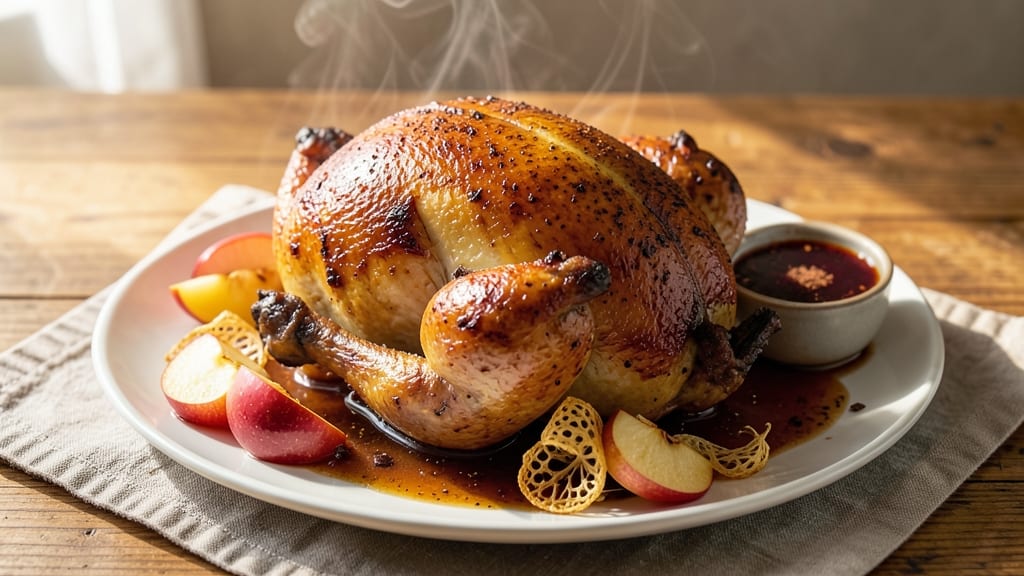
This apple juice chicken recipe transforms ordinary roasted chicken into a sweet-spiced masterpiece with crispy skin and tender meat infused with autumnal flavors. The secret lies in a simple marinade of apple juice, brown sugar, and warm spices that caramelizes beautifully during roasting.
I developed this recipe after years of experimenting with fruit-based marinades, and it never fails to impress—whether for a holiday feast or a special weeknight dinner.
The magic happens when the apple juice reduces into a sticky glaze that clings to the chicken, creating a balance of sweet, tangy, and savory notes. A blend of cinnamon, ginger, and cloves adds depth without overpowering the natural flavor of the meat.
The result is golden-brown skin that shatters when cut, revealing juicy, flavorful chicken underneath. This method works equally well with whole chickens or individual pieces, making it versatile for any occasion.
What sets this recipe apart is how effortlessly it delivers restaurant-quality results at home. With just a few simple ingredients and about 45 minutes of active time (plus roasting), you'll have a showstopping centerpiece that pairs perfectly with roasted vegetables, mashed potatoes, or a fresh green salad.
The sweet-spiced glaze also makes this dish kid-friendly while still feeling sophisticated enough for adult gatherings.
Don’t be afraid to experiment with the spice blend—adding a pinch of nutmeg or cardamom can take it to the next level. The key is patience during the roasting process, allowing the glaze to develop fully for that perfect caramelized finish.
Trust me, once you try this apple juice chicken, you’ll never go back to plain roasted chicken again.
Ingredients for apple juice chicken
Sweet-spiced glaze and crispy skin start with these carefully balanced ingredients.
| Ingredient | Amount | Notes |
|---|---|---|
| Whole Chicken 🍗 | 4 lb | Bone-in, skin-on preferred |
| Unsweetened Apple Juice 🍎 | 1 cup | 100% pure, no added sugar |
| Light Brown Sugar 🍚 | ½ cup | Packed firmly for accuracy |
| Ground Cinnamon 🌿 | 1 tbsp | Freshly ground preferred |
| Ground Ginger 🌿 | 1 tsp | Freshly ground for warmth |
| Ground Cloves 🌶️ | ½ tsp | Whole cloves crushed first |
| Diamond Crystal Kosher Salt 🧂 | 1 ½ tsp | For seasoning and brine |
| Black Peppercorns 🌶️ | ½ tsp | Freshly cracked for texture |
| Extra-Virgin Olive Oil 🫒 | 2 tbsp | For basting and crisping |
| Fresh Rosemary 🌿 | ¼ cup | Chopped sprigs for aroma |
| Fresh Thyme 🌿 | ¼ cup | Leaves only, stems removed |
| Garlic Cloves 🧄 | 4 cloves | Peeled, smashed for marinade |
| Butter 🧈 | ½ cup | Cold, cubed for basting |
The chicken is the foundation—bone-in, skin-on pieces develop the most flavorful crust. Look for organic or pasture-raised at specialty markets like Whole Foods or Trader Joe's for richer taste. Apple juice should be 100% pure, without added sugar or preservatives—Mott's or Odwalla brands work well. Brown sugar adds caramelization, but avoid dark brown sugar which can taste bitter. For the spices, Penzeys Spices or bulk bins at natural grocers ensure freshness. The butter should be unsalted to control seasoning precisely.
No apple juice? Unsweetened white grape juice works in a pinch, though flavor differs slightly. Substitute brown sugar with equal parts honey or maple syrup (reduce other liquids by 2 tbsp). Fresh herbs can be swapped for dried at one-third the amount, but fresh rosemary and thyme provide superior aroma. If you prefer less spice, reduce cloves to 1/4 tsp. The olive oil matters—use extra-virgin for best flavor. For a deeper glaze, add 1 tbsp Dijon mustard to the marinade.
Store raw chicken on the lowest shelf in the fridge, using within 2 days. Fresh herbs last 5-7 days wrapped in damp paper towels. The marinade can be prepped 1 day ahead and refrigerated. Leftovers reheat beautifully—cover with foil and bake at 350°F for 15 minutes. For crispier skin, let the chicken sit at room temperature 30 minutes before roasting. The glaze thickens as it cools, so serve immediately for best texture.
Why You'll Love This Recipe
- One-Pot Magic: I swear by this recipe when I’m too tired to deal with multiple pans. Just toss everything—juice, sugar, spices—into a deep skillet with the chicken, and let it braise. The apple juice caramelizes into a sticky glaze without any extra work.
- Sweet-Spiced Harmony: That ginger and cinnamon combo? It’s like autumn in a bite. The brown sugar deepens the flavor while keeping it from being cloying, and the apple juice adds just enough brightness to cut through the richness. My kids actually finish their chicken now.
- Leftovers That Shine: This recipe makes enough for dinner and lunch the next day—no sad, dry reheats here. The chicken stays juicy, and the sauce thickens into a glossy glaze that’s perfect for sandwiches or rice bowls. Honestly, I make it twice a month because it’s that dependable.
- Budget-Friendly Feast: A whole chicken is already a steal, but adding apple juice and spices keeps costs low while making it feel special. It’s the kind of meal that makes you feel like you’re treating yourself, even when you’re just feeding the family. (Yes, even on a Tuesday night.)
Step-by-step instructions for sweet-spiced apple juice roasted chicken
This method delivers restaurant-quality crispy skin with juicy, flavorful meat every time.
Create the Spiced Apple Juice Marinade
In a small saucepan, combine the 1 cup unsweetened apple juice, 0.5 cup light brown sugar, 1 tablespoon ground cinnamon, 1 teaspoon ground ginger, 0.5 teaspoon ground cloves, and 1.5 teaspoons Diamond Crystal kosher salt. Bring to a gentle simmer over medium heat for 5 minutes until the sugar dissolves completely and the mixture reduces slightly. You'll notice the aroma intensify—this is where the magic begins.
Remove from heat and let cool to room temperature. This marinade creates both flavor and moisture, ensuring tender meat with that signature crispy skin. I always use freshly ground spices here—they make a noticeable difference in depth of flavor. Strain out any large sugar crystals if present, then transfer the marinade to a shallow dish large enough to hold the chicken.
Prepare and Season the Chicken
Pat the 4 lb whole chicken completely dry with paper towels, both inside and out. Remove any excess fat from the cavity but leave the skin intact—this fat renders during roasting to create crispy skin. Season the cavity generously with 0.5 teaspoon cracked black peppercorns and 1 tablespoon chopped fresh thyme. Then, place the chicken breast-side up in the marinade, ensuring it's fully submerged.
Refrigerate uncovered for 4-6 hours or overnight. This dual-purpose step both marinates the chicken and dries the skin surface—critical for achieving that perfect crisp. The apple juice infusion creates a subtle sweetness that pairs beautifully with the warm spices. Don't rush this step; proper marination makes all the difference in flavor penetration and texture.
Preheat and Prepare for Roasting
Preheat your oven to 425°F with a rack positioned in the lower third of the oven. Line a rimmed baking sheet with aluminum foil for easy cleanup. Remove the chicken from the marinade (reserve the marinade) and pat it dry one final time with paper towels—this is non-negotiable for crispy skin. Place the chicken on the prepared baking sheet.
Rub the chicken all over with 2 tablespoons extra-virgin olive oil to help the skin crisp. Stuff the cavity with 0.25 cup chopped fresh rosemary, 4 smashed garlic cloves, and the remaining 0.25 cup chopped fresh thyme. Tie the legs together with kitchen twine to help the chicken cook evenly. The high heat and proper preparation are what create that coveted crispy exterior while keeping the meat juicy.
Roast with Basting for Maximum Crisp
Roast the chicken for 45 minutes, then carefully flip it over to cook breast-side down. After another 15 minutes, remove from the oven and baste with the reserved apple juice marinade, using a basting brush to coat the skin thoroughly. Return to the oven and roast for an additional 20-25 minutes until the internal temperature reaches 165°F when measured at the thickest part of the thigh.
You'll know it's ready when the skin is deep golden brown and crispy enough to crack when pressed gently. The basting step is crucial—it keeps the skin moist enough to crisp properly while adding extra flavor. If the skin browns too quickly, tent loosely with foil to prevent burning while allowing it to finish cooking. The aroma filling your kitchen at this point is worth the wait.
Rest and Serve with Pan Sauce
Transfer the chicken to a cutting board and tent loosely with foil. Let it rest for 15-20 minutes before carving. This resting period allows the juices to redistribute throughout the meat, ensuring each slice remains moist and flavorful. During this time, place the baking sheet on the stovetop over medium heat and add 0.5 cup cold cubed butter to the drippings.
Use a wooden spoon to scrape up all the browned bits from the bottom of the pan, then pour in 1/4 cup of the reserved apple juice marinade. Simmer for 2-3 minutes until the butter melts and the sauce thickens slightly. Carve the chicken and serve with the pan sauce spooned over each serving. The combination of crispy skin, juicy meat, and rich pan sauce makes this dish truly special.
Pro Tips For Making Apple Juice Chicken
- Brown the Chicken First: Skip the slow start—sear the chicken skin-side down in a cold pan for 10 minutes before adding liquid. The crispy skin locks in flavor and prevents the apple juice from turning the meat soggy. (Yes, even if you’re impatient like me, wait for that golden crust.)
- Use Real Apple Juice: Store-bought unsweetened apple juice works, but if you can, reduce it by half first. That concentrated flavor cuts through the chicken’s fat better and gives the glaze more depth. I learned this the hard way—watery juice just makes the dish taste bland.
- Deglaze with Ginger First: After browning the chicken, sprinkle the ground ginger into the pan and let it toast for 30 seconds before adding apple juice. This blooms the spice’s warmth and stops it from settling at the bottom like a flavorless dust. (Your future self will notice the difference.)
- Baste, But Not Too Often: Every 20 minutes, spoon that sticky apple-cinnamon sauce over the chicken—just 2-3 times total. Too much basting steams the meat instead of caramelizing it. The sauce should glaze, not drown. (Does it look weird? Yes. Does it work? Every single time.)
Regional styles of this dish
Southern Comfort Style
In the American South, apple juice chicken often takes on a smoky, slow-cooked approach—think of it as a cross between a roast chicken and a braised dish.
I’ve adapted this recipe by adding 1 teaspoon smoked paprika to the marinade and finishing with a 10-minute broil at the end to deepen the caramelization. Southern cooks also love to serve this with a side of cornbread or collard greens to balance the sweetness.
The key here is patience—cook it low and slow at 325°F for 2-3 hours instead of roasting, letting the apple juice reduce into a thick, glossy glaze. 🌶️
German Apple-Braised
German cuisine transforms this dish into a hearty Apfelbraten, where the chicken is braised with apples, onions, and a touch of vinegar for tang.
For this version, I swap the apple juice for a mix of ½ cup apple juice and ½ cup apple cider vinegar, then add 1 chopped apple (peeled and cored) and 1 diced onion to the pan sauce.
Serve with red cabbage or potato dumplings for a true German spread. The vinegar adds a bright acidity that cuts through the richness of the chicken. The dish cooks at 350°F for 1.5 hours, covered, until fork-tender.
Japanese Teriyaki Twist
For a fusion approach, I blend the apple juice marinade with 1 tablespoon soy sauce and 1 tablespoon mirin to create a Japanese-inspired teriyaki glaze.
After roasting, I brush the chicken with this mixture in the final 10 minutes of cooking, then finish with a sprinkle of sesame seeds for texture. Pair it with steamed jasmine rice and quick-pickled cucumbers for a refreshing contrast. The teriyaki adds umami depth while keeping the apple’s sweetness intact.
This version works beautifully with boneless, skinless chicken thighs for easier handling and consistent cooking.
French Apple-Cider Reduction
French chefs elevate this dish by reducing the apple juice into a glace—a thick, syrupy sauce that clings to the chicken like a second skin. Start by reducing the apple juice with 1 tablespoon butter and 1 tablespoon apple cider until it thickens to a spoonable consistency.
Brush this glaze onto the chicken during the last 20 minutes of roasting at 400°F. Garnish with chopped parsley and serve with creamy mashed potatoes or buttery egg noodles. The French technique focuses on high heat and quick reductions to intensify the apple flavor without overpowering the chicken.
Caribbean Jerk-Inspired
Add a tropical twist by infusing the apple juice marinade with jerk seasoning. Mix 1 teaspoon jerk seasoning (store-bought or homemade with allspice, thyme, and Scotch bonnet) into the marinade, then grill the chicken over indirect heat for 30-40 minutes, basting frequently.
The smoky, spicy jerk flavors pair perfectly with the apple’s sweetness. Serve with grilled pineapple slices and coconut rice for a vibrant, island-inspired meal. This version is best with bone-in chicken thighs for maximum flavor absorption.
Italian Apple-Mustard Glaze
In Italy, this dish often incorporates Dijon mustard for a tangy kick. After roasting, I mix 1 tablespoon Dijon mustard with 2 tablespoons apple juice and brush it over the chicken in the final 15 minutes.
Finish with a sprinkle of fresh thyme and serve with roasted root vegetables or polenta. The mustard adds a sharp contrast to the sweet glaze, making it a crowd-pleaser. For extra richness, top with grated Parmesan before serving. 🍷
Nutrition facts
Frequently asked questions
Can I use store-bought apple juice instead of fresh?
The recipe calls for unsweetened apple juice to ensure proper flavor balance. Look for brands like Mott's or Odwalla that contain 100% pure apple juice with no added sugar or preservatives. The key is avoiding juice with artificial flavors or excessive sweetness, which could make the glaze too cloying. For best results, choose a juice with a natural apple taste rather than a heavily processed blend.
How do I adjust this recipe for smaller portions?
For a 2 lb chicken, reduce the apple juice to ½ cup, brown sugar to ¼ cup, and halve all other marinade ingredients. Keep the same spice ratios and roasting times, but check for doneness at 155°F internal temperature. The recipe scales perfectly for individual pieces—try 2 bone-in thighs with ¼ cup marinade each. The high-heat roasting method works equally well for smaller batches.
What if my chicken skin isn't crispy?
Crispy skin requires three key steps: dry chicken, high heat, and proper basting. First, ensure you pat the chicken completely dry before roasting. Second, maintain oven temperature at 425°F—fluctuations prevent crisping. Finally, baste with the reserved marinade during the last 20 minutes of cooking. If it still isn't crispy, try broiling for 2-3 minutes at the end for extra browning.
Can I make this recipe ahead of time?
Yes! The marinade can be prepped 1 day ahead and stored in the fridge. For the chicken itself, marinate it overnight for maximum flavor, then refrigerate uncovered until ready to roast. Cooked chicken keeps well in the fridge for 3-4 days—reheat covered at 350°F for 15 minutes. For crispy skin when reheating, broil for 2-3 minutes at the end. The flavors actually improve after resting overnight!
What are the best side dishes to serve with this?
This sweet-spiced chicken pairs beautifully with savory contrasts. Try roasted Brussels sprouts with bacon, creamy mashed potatoes, or herbed quinoa for balance. For a lighter option, serve with apple slices (to echo the flavor) and a simple green salad with balsamic vinaigrette. The rich pan sauce also complements buttery egg noodles or wild rice pilaf perfectly.