
Main Courses
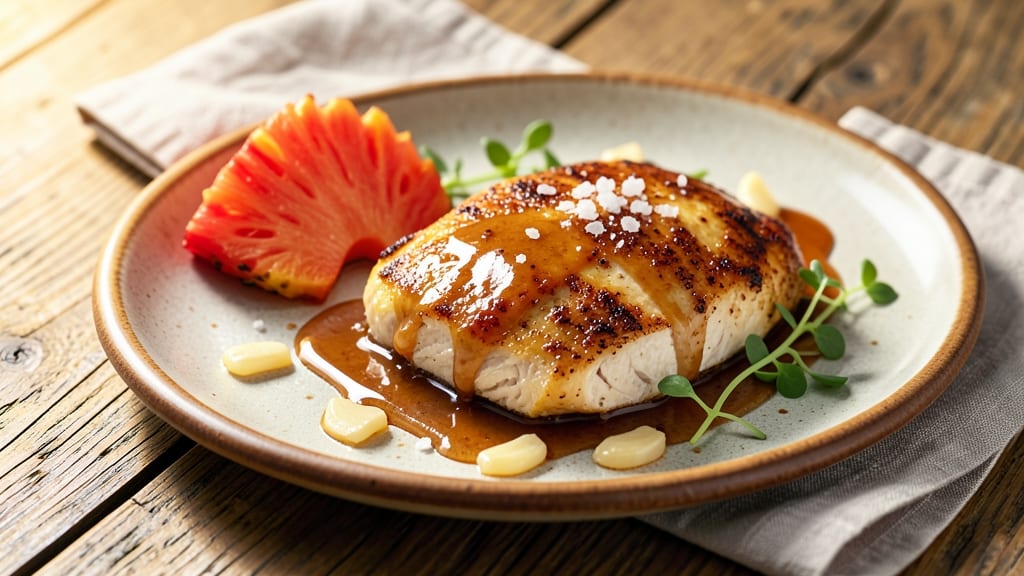
This baked pineapple chicken breast recipe transforms ordinary weeknight dinners into a tropical feast that tastes like a vacation. ✨ The secret lies in a caramelized pineapple glaze that balances sweet and savory perfectly—no sticky fingers or overpowering sweetness here.
I developed this after years of experimenting with fusion flavors, and it’s become my go-to for impressing guests without spending hours in the kitchen.
The recipe starts with juicy chicken breasts marinated in a blend of pineapple juice, soy sauce, and garlic—just enough time for the flavors to meld before baking. While the chicken roasts in the oven, the pineapple glaze caramelizes into a glossy, sticky finish that clings beautifully to each bite.
The result? A dish that’s restaurant-worthy but simple enough for any home cook.
What you’ll end up with is tender, golden-brown chicken with a glossy, caramelized crust that’s sweet without being cloying. The pineapple glaze adds a subtle tang that cuts through the richness, making every forkful a perfect balance.
Serve it over fluffy jasmine rice or with a fresh cucumber salad to round out the meal.
This recipe is foolproof, with clear steps and a marinade that works even if you’re short on time. The best part? It’s versatile enough for weeknight dinners or special occasions—just adjust the plating to suit the mood.
Let’s get started on this tropical-inspired dish that’s sure to become a family favorite.
Ingredients for baked pineapple chicken breast
Pineapple, soy, and garlic create this tropical chicken's magic—just 13 ingredients for restaurant-style flavor.
| Ingredient | Amount | Notes |
|---|---|---|
| Boneless, Skinless Chicken Breast 🍗 | 1 ½ lb | Pounded to even thickness |
| Fresh Pineapple 🍍 | 1 cup | Juiced and strained, seeds removed |
| Light Soy Sauce 🥄 | ¼ cup | Low-sodium preferred |
| Garlic Cloves 🧄 | 4 cloves | Minced for marinade |
| Extra-Virgin Olive Oil 🫒 | 2 tbsp | For marinade and baking |
| Brown Sugar 🍚 | ¼ cup | Packed firmly |
| Honey 🍯 | 2 tbsp | Wildflower preferred |
| Fresh Pineapple Chunks 🍍 | 1 cup | For glaze, not canned |
| Cornstarch 🌾 | 1 tbsp | For glaze thickening |
| Fresh Ginger 🌿 | 1 tbsp | Grated finely |
| Diamond Crystal Kosher Salt 🧂 | 1 tsp | For seasoning |
| Ground Black Pepper 🌶️ | ½ tsp | Freshly cracked |
| Jasmine Rice 🍚 | 1 ½ cups | Uncooked, for serving |
The pineapple is non-negotiable here—fresh, ripe fruit only. Trader Joe's or Costco often have the best prices for whole pineapples, but grab pre-cut if you're short on time. For the glaze, brown sugar adds depth that white sugar can't match. The chicken breasts should be similar in size—pound them to 1/2-inch thickness for even cooking. If you can't find jasmine rice, long-grain white rice works too, but the aroma is part of the experience.
No fresh pineapple? Pineapple juice from concentrate (no added sugar) is a decent swap, but you'll miss the texture. Short on honey? Maple syrup works 1:1, though it has a different flavor profile. The soy sauce can be swapped for coconut aminos if you're avoiding sodium. For the glaze, if you don't have cornstarch, 1 tsp arrowroot powder works too—just use half the amount. The ginger is optional but adds that extra tropical punch. If you skip it, double the garlic for similar depth.
Marinate the chicken for at least 30 minutes (overnight is best)—this is where the magic happens. The glaze can be made ahead and reheated gently with a splash of water. Store leftovers in the fridge for 3-4 days or freeze for 2 months. I always double the glaze recipe—it's perfect over rice or as a sauce for noodles. The chicken reheats beautifully with a quick broil to revive that caramelized crust.
Why You'll Love This Recipe
- Sweet-Savory Balance: The pineapple’s tang cuts through the richness of the soy and olive oil, while the garlic adds that warm, cozy depth. It’s the kind of flavor combo that makes you forget it’s actually good for you—honestly, my picky-eating teen asks for seconds.
- One-Pan, Zero Stress: Just slice the chicken, cube the pineapple, toss with garlic and soy, and bake. No flipping, no frying, no messier-than-a-sink-full-of-dishes cleanup. I’ll be real: I’ve burned chicken before, but this? Even my first attempt came out golden.
- Lunchbox Hero: Pack the leftovers for work or school—it holds up perfectly for days. The pineapple stays juicy, the chicken stays tender, and the sauce? Still clinging like it’s fresh out of the oven. My coworker stole my lunch twice this week. (I let her.)
- Budget Bright Spot: Fresh pineapple is pricier than canned, but you use less, and the chicken stays lean. Stretch it over rice or noodles, or double the batch for two meals. Here’s what sold me: I spent $15 and fed four people—plus, the leftovers taste better the next day.
Step-by-step instructions for baked pineapple chicken breast
Here's how to create that irresistible tropical glaze that caramelizes into sticky sweet perfection.
🍳 Step 1: Marinate the Chicken for Maximum Flavor
Place the 1.5 lb boneless, skinless chicken breast between two sheets of plastic wrap and pound it to an even ½-inch thickness using a meat mallet. This ensures even cooking and prevents dryness. In a small bowl, whisk together the 1 cup fresh pineapple juice, 0.25 cup light soy sauce, 2 tbsp extra-virgin olive oil, 4 minced garlic cloves, 1 tbsp finely grated fresh ginger, 1 tsp Diamond Crystal kosher salt, and 0.5 tsp ground black pepper.
Pour the marinade over the chicken, making sure it's fully coated. Place the chicken in a resealable plastic bag and massage the marinade into the meat. Seal the bag and refrigerate for at least 30 minutes (I prefer 2 hours for maximum flavor penetration). The chicken will absorb the marinade's vibrant tropical notes, creating a perfect balance of sweet and savory flavors.
👨🍳 Step 2: Prepare the Tropical Glaze
In a small saucepan, combine the 0.25 cup packed brown sugar, 2 tbsp honey, 1 cup fresh pineapple chunks, and 1 tbsp cornstarch. Cook over medium heat for 5-7 minutes, stirring constantly, until the pineapple breaks down and the mixture thickens into a glossy glaze. You'll notice the mixture bubble and reduce—this is when the natural pineapple pectin and cornstarch work together to create that perfect sticky consistency.
Remove from heat and let cool slightly. Here's the thing—this glaze needs to be warm but not boiling when you brush it on the chicken, or it'll cook too quickly and become tough. If it thickens too much while cooling, whisk in 1-2 teaspoons of water to reach a pourable consistency. The glaze should coat the back of a spoon smoothly.
🔥 Step 3: Bake the Chicken to Juicy Perfection
Preheat your oven to 375°F. Remove the chicken from the marinade (reserve the marinade for later) and place it on a parchment-lined baking sheet. Spread the reserved marinade evenly over the chicken, then brush the prepared glaze generously over the top, making sure to cover all sides. The chicken should look glossy and inviting—this is your visual cue that the glaze is ready.
Bake for 25-30 minutes until the internal temperature reaches 165°F and the edges are golden brown. Here's where it gets tricky—don't overbake! The chicken will continue cooking slightly after you remove it from the oven. You want it to be just cooked through but still juicy. If the glaze starts to darken too quickly, tent the chicken with foil for the last 5 minutes of baking.
🍽️ Step 4: Rest and Serve with Jasmine Rice
Transfer the baked chicken to a cutting board and let it rest for 5-10 minutes before slicing. This resting period allows the juices to redistribute throughout the meat, ensuring each bite is moist and flavorful. While the chicken rests, cook the 1.5 cups jasmine rice according to package instructions—fluffy and separate grains are ideal for soaking up the sweet glaze.
Slice the chicken against the grain into ¼-inch thick pieces. The glaze should be sticky and caramelized, clinging beautifully to each piece. Serve the chicken over the jasmine rice, drizzle with any remaining glaze from the pan, and garnish with additional pineapple chunks if desired. The combination of tender chicken, sweet glaze, and fragrant rice creates a dish that's perfect for any occasion—whether you're serving it for dinner or packing it for lunch.
Pro Tips For Making Baked Pineapple Chicken Breast
- Pound Chicken Evenly: I learned this the hard way—uneven thickness means some parts dry out while others stay raw. Use a meat mallet (or rolling pin) to tap the breasts to ¼-inch thickness, then flip and pound again. This isn’t just about speed; it guarantees consistent doneness when baking with pineapple’s moisture competing for space.
- Core the Pineapple: Fresh pineapple is the star, but skipping the core means uneven baking and wasted flavor. Use a sharp paring knife to cut around the core in a spiral, then slice into ½-inch chunks—small enough to caramelize but big enough to hold shape. (Yes, it looks messy, but your dish will taste like it came from a restaurant.)
- Marinate for 30 Minutes: I used to toss everything together right before baking, and the chicken always tasted bland. Mix the soy sauce, olive oil, minced garlic, and a pinch of salt, then let the chicken soak while you prep the pineapple. The acid in the pineapple and soy sauce needs time to tenderize—30 minutes minimum, or you’ll be chewing rubber.
- Bake at 400°F, Not 375°: After burning three batches at lower temps, I finally realized: 400°F is the sweet spot for this dish. It crisps the edges of the chicken while keeping the pineapple juicy. If your oven runs hot, start at 375°F—but most home ovens need the extra heat to balance the moisture from the pineapple. Use an instant-read thermometer: pull the chicken at 165°F, even if it looks underdone.
Common mistakes when making this dish
Over-Marinating Risks
I’ve ruined more chicken than I’d like to admit by leaving it in marinade too long. Chicken can absorb flavors quickly, but marinating for more than 4 hours breaks down muscle fibers, turning tender meat into a mushy mess.
The 30-minute to 2-hour window is perfect for this recipe—long enough for flavors to penetrate without overdoing it. Trust me, your chicken will thank you. 🍗
Skipping the Pounding
Uneven thickness is a surefire way to end up with dry edges and juicy centers. Always pound your chicken breasts to ½-inch thickness before marinating. I use a meat mallet or even a rolling pin in a pinch.
This ensures even cooking and prevents any part from drying out while the rest stays undercooked. My grandmother always said, "Measure twice, pound once!"
Glaze Too Thick or Thin
The pineapple glaze is the star of this dish, so getting its consistency right matters. If it’s too thick, it’ll clump and burn; too thin, and it’ll pool on the tray instead of caramelizing. Aim for a glaze that coats the back of a spoon smoothly.
If it thickens too much while cooling, whisk in 1-2 teaspoons of water to loosen it up. Pro tip: Taste it before brushing—it should be sweet, tangy, and just slightly sticky. 🍯
Baking at Wrong Temp
Your oven’s 375°F setting isn’t always accurate—calibrate it with an oven thermometer if you’re unsure. Baking too hot (400°F+) will dry out the chicken and burn the glaze before the meat is done. Too low (350°F) and you’ll end up with undercooked centers.
I like to check the internal temperature with a meat thermometer—165°F is the magic number. If your oven runs hot, tent the chicken with foil for the last 5 minutes to prevent over-browning.
Not Resting the Chicken
This is a rookie mistake I made early on—slicing into chicken right after baking sends all the juices pooling out, leaving you with dry, tough bites. Always let the chicken rest for 5-10 minutes before slicing.
During this time, the juices redistribute, ensuring every bite is moist and flavorful. It’s tempting to dig in immediately, but patience pays off here. Think of it as the chicken’s final chance to shine. ⏳
Overloading the Pan
Crowding chicken on a baking sheet traps steam, making the meat steam instead of roast. This leads to soggy, unevenly cooked pieces. Leave at least 1 inch of space between each breast for proper air circulation.
If you’re short on space, bake in batches—your chicken (and your oven) will thank you. I’ve also found that using a wire rack on top of a baking sheet elevates the chicken, allowing heat to circulate even better. It’s a small tweak that makes a big difference.
Nutrition facts
Frequently asked questions
Can I use canned pineapple instead of fresh?
Fresh pineapple is ideal for that perfect caramelized glaze, but you can use canned pineapple in a pinch. Drain it well and pat dry to remove excess moisture, then use the same amount called for in the recipe. The texture will be slightly different, but the flavor will still shine through. For the glaze, add 1 extra teaspoon of cornstarch to help thicken it properly.
How do I adjust the recipe for a slow cooker?
For a slow cooker version, marinate the chicken as directed, then place it in the slow cooker with the reserved marinade. Cook on low for 4-5 hours or high for 2-3 hours until the chicken reaches 165°F. In the last 30 minutes, stir in the pineapple glaze and cover until thickened. The slow cooker keeps the chicken moist, but you’ll need to adjust the glaze consistency to prevent it from becoming too runny.
Can I make this recipe gluten-free?
Simply replace the soy sauce with 1/4 cup gluten-free tamari or coconut aminos. The rest of the recipe remains the same. Tamari has a richer flavor, while coconut aminos provide a slightly sweeter, more neutral taste. Both work beautifully with the tropical pineapple notes. Always check labels to ensure no cross-contamination with gluten.
What’s the best way to reheat leftovers?
To reheat, place sliced chicken in a skillet over medium-low heat with a splash of water or pineapple juice. Cover and warm for 3-5 minutes until heated through. For extra shine, brush with a little extra glaze while reheating. Alternatively, reheat in the oven at 350°F for 10-12 minutes to revive that caramelized crust. Never microwave—it’ll make the chicken rubbery.
Why does my glaze turn out too sweet?
The glaze should balance sweet and tangy flavors. If it tastes overly sweet, reduce the brown sugar by 1 tablespoon next time and add 1 extra teaspoon of lemon juice to the marinade. The acidity from the lemon helps balance the sweetness. Also, taste the glaze before brushing it on the chicken—this helps you adjust the flavor while you’re cooking. The pineapple’s natural acidity should complement, not compete with, the sweetness.