
Sauces & Condiments
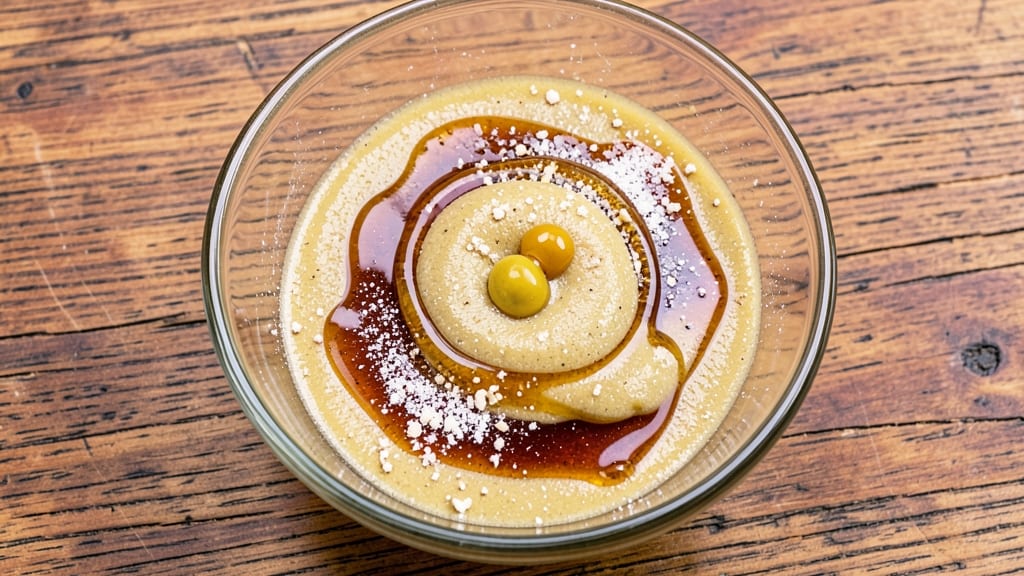
This Braggs apple cider vinegar dressing transforms simple salads into vibrant, tangy-sweet masterpieces with just six ingredients. The secret lies in balancing sharp apple cider vinegar with rich olive oil and a touch of honey—creating a dressing that clings beautifully to greens while adding depth to dips.
I developed this recipe after realizing how often store-bought dressings fell flat against fresh vegetables, and the difference is night and day.
The foundation of this dressing is simple yet precise: high-quality olive oil as the base, Braggs apple cider vinegar for its signature tang, and a hint of Dijon mustard to add complexity.
A pinch of garlic powder and onion powder ensures every drizzle carries subtle savory notes, while honey or maple syrup rounds out the sharpness with natural sweetness. What makes this dressing truly special is its versatility—it elevates everything from crisp green salads to hearty grain bowls.
What you’ll end up with is a smooth, velvety dressing that’s bright, balanced, and packed with flavor—no cloying sweetness or overwhelming acidity. The ratio of vinegar to oil ensures it stays emulsified for days, making it perfect for meal prep.
Store it in an airtight container in the fridge for up to two weeks, or even longer if you preserve it properly. This is the kind of dressing that turns a basic salad into a restaurant-worthy dish with minimal effort.
Use it as a base for your favorite greens, toss it with roasted vegetables, or serve it alongside charcuterie for dipping. The possibilities are endless, and the best part? It’s foolproof—no fancy techniques required. Let’s get started on creating your perfect tangy-sweet dressing.
Ingredients for braggs apple cider vinegar dressing
Six ingredients, endless possibilities—this dressing transforms salads into restaurant-worthy masterpieces.
| Ingredient | Amount | Notes |
|---|---|---|
| Extra-Virgin Olive Oil 🫒 | ¾ cup | High-quality, fruity variety |
| Braggs Apple Cider Vinegar 🍎 | ½ cup | Raw, unfiltered preferred |
| Raw Honey 🍯 | ¼ cup | Local honey for depth |
| Dijon Mustard 🥬 | 1 tbsp | Whole grain for texture |
| Garlic Powder 🧄 | ½ tsp | Freshly ground preferred |
| Onion Powder 🧅 | ½ tsp | For subtle savory base |
| Kosher Salt 🧂 | ¼ tsp | Diamond Crystal preferred |
| Black Pepper 🌶️ | ¼ tsp | Freshly cracked for heat |
The olive oil is the foundation—look for extra-virgin with a fruity, peppery finish at Whole Foods or local olive oil shops. Braggs apple cider vinegar is non-negotiable here; its raw, unfiltered quality gives that signature tang. For the honey, local varieties add subtle floral notes that store-bought can't match. The Dijon mustard? Whole grain only—it adds beautiful texture that smooth mustard misses. I always grab mine from Penzeys when I'm stocking up, but the regular grocery store brand works perfectly fine for everyday use.
No honey? Maple syrup or agave nectar works beautifully—just reduce the amount slightly since they're sweeter. Running low on apple cider vinegar? White wine vinegar or balsamic can substitute, but Braggs' unique flavor is what makes this dressing special. The garlic and onion powders are easy to find in any spice aisle, but if you're feeling fancy, toast whole spices first for deeper flavor. For a smoother texture, whisk everything together vigorously—this dressing emulsifies like a dream, so don't worry about it separating if you give it a good mix.
This dressing keeps for up to 2 weeks in the fridge when stored in an airtight jar. For longer storage, transfer to a clean glass bottle and keep it in the pantry for up to 6 months. I always make double batches—one for salads, one for dipping roasted vegetables. The flavor actually improves after a day or two as everything melds together beautifully. Just give it a quick shake before using if you notice separation.
Why You'll Love This Recipe
- Five-Ingredient Magic: Honestly, you can’t mess this up—just shake five things in a jar. The honey and vinegar balance out the sharpness of the Dijon, so it’s never too tangy or cloying, just right.
- Tangy-Sweet Balance: That raw honey and apple cider vinegar combo? It’s like a grown-up version of a caramel apple—bright, a little spicy, and impossible to stop pouring. The garlic powder adds a sneaky depth that makes it way more interesting than basic vinaigrettes.
- Salad Game Changer: I use this on everything—crunchy kale salads, grilled chicken bowls, even as a dip for roasted sweet potatoes. It’s the one dressing that actually makes me look forward to eating greens, and that’s saying something.
- Keeps Like a Dream: Between us, this dressing lasts forever in the fridge—no weird separation, no weird flavors. I’ve had a jar sit for weeks, and it’s still fresh. Plus, the ingredients are cheap, so you’re not breaking the bank for something that tastes this good.
Step-by-step instructions for Braggs apple cider vinegar dressing
This tangy-sweet dressing comes together in minutes with just a few whisk strokes.
Whisk Together the Wet Ingredients
In a medium bowl, combine the 0.75 cup extra-virgin olive oil, 0.5 cup Braggs apple cider vinegar, and 0.25 cup raw honey. I like to use a whisk for this step because it creates a smooth, emulsified base right from the start. The vinegar and honey will initially separate, but don't worry—we'll blend them together completely.
Use a fork or small whisk to gently mix the ingredients until they begin to merge. You'll notice the mixture will look slightly cloudy at first, but keep whisking until it becomes uniformly pale yellow. This is where the magic begins—the acidity of the vinegar and the sweetness of the honey will start to balance each other out perfectly. If you're using local honey, you might detect subtle floral or herbal notes that add depth to the dressing.
Add the Dijon Mustard and Dry Seasonings
Next, add the 1 tablespoon Dijon mustard, 0.5 teaspoon garlic powder, 0.5 teaspoon onion powder, 0.25 teaspoon kosher salt, and 0.25 teaspoon black pepper to the bowl. The Dijon mustard is key here—it acts as an emulsifier and adds a subtle tanginess that rounds out the flavors. I always use freshly cracked black pepper because it has a more vibrant heat compared to pre-ground pepper.
Whisk all the ingredients together vigorously for about 1-2 minutes until the dressing becomes completely smooth and thickens slightly. You should hear a faint swishing sound as the whisk moves through the mixture, indicating that everything has fully incorporated. The garlic and onion powders will dissolve completely, leaving no gritty texture behind. If you taste a small spoonful at this stage, you'll notice the perfect harmony of sweet, tangy, and savory flavors.
Taste and Adjust the Balance
This is the most important step—taste the dressing and adjust the flavors to your preference. I usually start by checking the sweetness. If it needs more honey, add 1-2 teaspoons at a time until it reaches the right balance. Then, taste for acidity. If the vinegar flavor is too sharp, add a little more honey or a pinch of salt. Conversely, if it's too sweet, add 1-2 teaspoons more Braggs apple cider vinegar to brighten it up.
Finally, check the seasoning. If the dressing tastes flat, add a pinch more salt or a crack of black pepper. The goal is to achieve a perfect equilibrium where the sweetness of the honey, the tang of the vinegar, and the savory notes from the mustard and spices all come together in harmony. This dressing should coat the back of your spoon with a velvety texture and leave your palate tingling with balanced flavor.
Let It Rest and Emulsify
Transfer the dressing to a clean jar or airtight container and let it sit at room temperature for at least 15 minutes before using. This resting period allows the flavors to meld together and the emulsion to fully stabilize. I like to give it up to 30 minutes if I have the time—this ensures the dressing reaches its peak flavor and texture.
After resting, give the dressing one final stir. It should now have a silky, almost creamy consistency with no separation. The colors will be vibrant, with the golden honey and deep amber vinegar blending seamlessly. If you notice any slight separation after resting, simply whisk it again until smooth. This dressing keeps well in the refrigerator for up to 2 weeks, making it perfect for meal prep. Just remember to give it a good shake before using, as the layers may separate further over time.
Pro Tips For Making Braggs Apple Cider Vinegar Dressing
- STIR VIGOROUSLY: Whisk that honey and Dijon into the vinegar first—don’t just splash everything in. The raw honey won’t dissolve properly if you cut it with olive oil too soon, and you’ll end up with grainy lumps that ruin the silky texture. I learned this the hard way after making dressing that looked like it had sand in it.
- USE COLD HONEY: Measure your raw honey straight from the fridge—it thickens when cold, so you’ll get a more balanced dressing. Warm honey pours like water and can overwhelm the acidity of the Braggs vinegar, making the flavors clash instead of harmonize. (Yes, even if you’re impatient like me.)
- SALT THE VINEGAR: Add a pinch of salt directly to the apple cider vinegar before mixing—it mellows the sharpness and rounds out the flavor. Skipping this step means your dressing will taste aggressively tangy, especially if you’re using a strong batch of Braggs. Trust me, your greens (or whatever you’re drizzling this on) will thank you.
- EMULSIFY WITH MUSTARD: Add the Dijon mustard last and whisk like you’re trying to win an arm-wrestling match. The mustard acts as an emulsifier, helping the oil and vinegar blend smoothly, but it needs time to work its magic. If you’re lazy and just stir once, you’ll get a split dressing—thick in some spots, oily in others. (Your future self will thank you.)
Make-ahead tips for braggs apple cider vinegar dressing
Batch Prep Strategy
Make a double batch—this dressing keeps beautifully for up to 2 weeks in the fridge, and you’ll always have it on hand. I like to store it in amber glass bottles (like Ball Mason jars) to protect it from light, which can degrade the vinegar’s flavor over time.
Label with the date so you remember when it was made. 📅
Freezer-Friendly Hack
For longer storage, freeze the dressing in ice cube trays. Once frozen, transfer the cubes to a ziplock bag and flatten them to save space. Thaw overnight in the fridge—perfect for quick salads or dips without defrosting the whole jar.
This works especially well if you’re prepping for a week of meals. ❄️
Flavor Development
Let the dressing sit for at least 24 hours before using it for the first time. The flavors deepen and meld beautifully, creating a more complex taste. I often make it on Sunday nights so it’s ready for the week ahead.
If you’re short on time, even 4-6 hours at room temperature will improve the texture and balance. 💫
Portion Control
Divide the dressing into small jars (like 4-ounce mason jars) for easy grab-and-go use. This prevents over-dressing your salads and keeps the rest of the batch fresh longer.
I keep one jar in the fridge for daily use and another in the pantry for quick access. A small squeeze bottle also works great for controlled drizzling. 🥄
Travel-Friendly Packing
For on-the-go meals, transfer the dressing to a leak-proof travel container (like Ziploc with a flip-top lid). It’s perfect for picnics, road trips, or office lunches. Just give it a shake before using—it might separate slightly during travel, but a quick whisk restores its silky texture. 🚗
Reusing Ingredients
If you have leftover Braggs apple cider vinegar or honey, use them to make a smaller batch of this dressing. The ratios stay the same, so you can easily adjust quantities.
I’ve even used this method to rescue ingredients from other recipes—like turning leftover honey into a new dressing instead of wasting it. 🍯
Nutrition facts
Frequently asked questions
Can I substitute Braggs apple cider vinegar with regular apple cider vinegar?
You can use regular apple cider vinegar, but you’ll miss Braggs’ signature depth and slight smokiness. The flavor will be milder, but still delicious. For a closer match, look for raw, unfiltered apple cider vinegar—it has more complex notes that work better in dressings. If you’re in a pinch, white wine vinegar or balsamic can work, but they’ll change the dressing’s profile significantly.
How do I fix a dressing that separated after storing?
Just whisk or shake it vigorously until smooth! This dressing naturally separates over time, but it always comes back together. For extra insurance, add 1/2 teaspoon of Dijon mustard to help stabilize the emulsion. If it still looks cloudy, a splash of cold water can help blend everything back together. The flavor won’t be affected—it’s just texture.
What’s the best way to store this dressing for maximum freshness?
Keep it in an airtight glass jar in the fridge for up to 2 weeks. For longer storage, transfer to a clean glass bottle and store in the pantry for up to 6 months. Amber glass helps protect the vinegar’s flavor from light. Always label with the date—freshness matters! If you notice mold or an off smell, discard it immediately (though this rarely happens with proper storage).
Can I make this dressing without honey?
Swap the honey for maple syrup or agave nectar (use 2 tablespoons instead of 1/4 cup since they’re sweeter). For a savory twist, omit the sweetener entirely and add 1 teaspoon of lemon juice to brighten the tang. The key is balancing the vinegar’s sharpness—adjust to taste after mixing.
Why does my dressing taste too sharp?
Too much vinegar or not enough sweetener can make the dressing taste harsh. To fix it, stir in 1-2 teaspoons of honey or maple syrup and taste again. If you prefer a sharper flavor, reduce the sweetener slightly and add a pinch of salt to round out the acidity. The goal is harmony—start with small adjustments and taste as you go!