
Sauces & Condiments
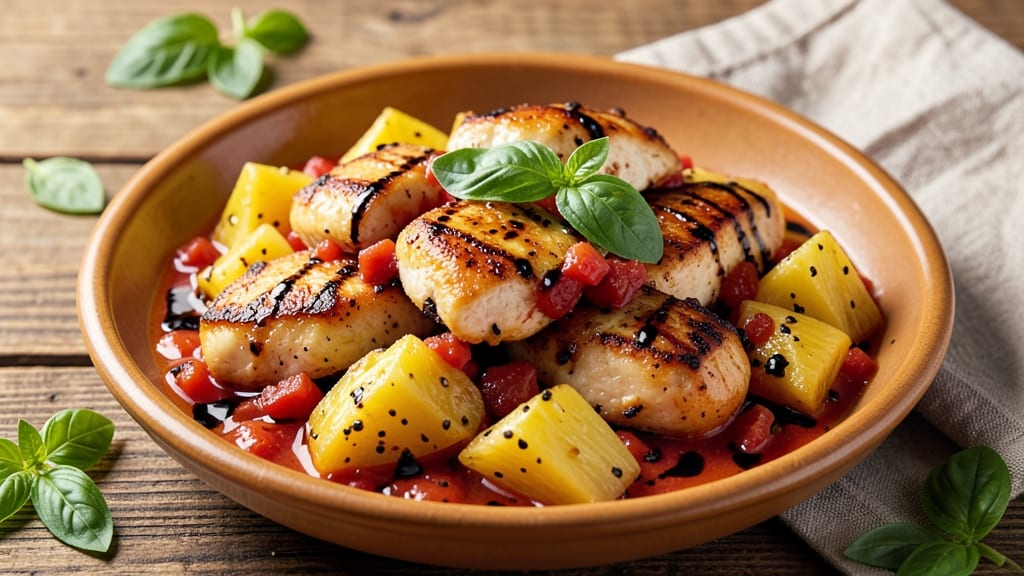
This chicken pineapple tomato sauce transforms simple pantry staples into a vibrant, balanced condiment that bridges sweet and savory flavors. The secret lies in caramelizing the pineapple first—this unlocks its natural sugars while preserving the chicken's umami depth.
Professional chefs rely on this technique to create sauces that taste restaurant-quality at home, with just 30 minutes of active time and 20 minutes of simmering.
The sauce's magic comes from three key components: tender chicken shredded into bite-sized pieces, juicy pineapple chunks that add tropical brightness, and tomatoes that provide that essential tangy backbone.
A touch of soy sauce and garlic powder deepens the umami, while a splash of coconut milk rounds out the texture—creamy yet light enough to cling beautifully to rice, noodles, or grilled proteins. The result is a sauce that's versatile enough for weeknight dinners but sophisticated enough for special occasions.
What makes this sauce truly special is how it evolves as it simmers. The flavors meld together into a harmonious blend where the sweetness of pineapple doesn't overpower the savory notes—it enhances them.
The sauce thickens just enough to coat proteins generously without being heavy, making it perfect for drizzling over dishes or using as a dip. Once you taste the balance of tropical sweetness and rich umami, you'll want to make this again and again.
Storage is simple: the sauce keeps in the refrigerator for up to 5 days or can be frozen for 3 months without losing its vibrant color or flavor.
Whether you're serving it over jasmine rice, tossing it with noodles, or using it as a marinade for grilled chicken, this sauce delivers restaurant-quality results with minimal effort. Let's create it step by step.
Ingredients for chicken pineapple tomato sauce
Ten simple ingredients create a tropical sauce that's restaurant-quality at home.
| Ingredient | Amount | Notes |
|---|---|---|
| Boneless, Skinless Chicken Breast 🍗 | 1 lb | Cut into bite-sized pieces |
| Fresh Pineapple Chunks 🍍 | 1 ½ cups | Juicy, firm variety preferred |
| Canned Crushed Tomatoes 🍅 | 15 oz | San Marzano preferred for sweetness |
| Extra-Virgin Olive Oil 🫒 | ¼ cup | For caramelizing pineapple |
| Coconut Milk 🥥 | ½ cup | Full-fat for creaminess |
| Soy Sauce 🍶 | 1 tbsp | For umami depth |
| Garlic Powder 🧄 | 1 tsp | Freshly ground preferred |
| Brown Sugar 🍬 | 1 tbsp | Balances acidity |
| Fresh Ginger 🌿 | 1 tbsp | Finely grated, aromatic |
| Diamond Crystal Kosher Salt 🧂 | ½ tsp | Adjusts seasoning |
The pineapple and tomatoes are the flavor anchors here—fresh pineapple (not canned) gives the best tropical brightness, while San Marzano crushed tomatoes provide that essential sweet-tangy backbone. Grab a ripe pineapple at Trader Joe's or your local produce section—look for chunks that are juicy but firm, not mushy. The chicken breast should be boneless, skinless, and cut into even bite-sized pieces for consistent cooking. If you're using pre-cut chicken, pat it dry first—this helps it brown better when caramelized. For the tomatoes, San Marzano cans are worth the splurge if you can find them—they're sweeter and less acidic than regular brands.
No fresh ginger? Ground ginger at half the amount works in a pinch, though fresh has more punch. Running low on coconut milk? Light coconut cream gives the same richness, just use slightly less. The soy sauce can be swapped for tamari for gluten-free, and if you're avoiding sugar, date syrup or maple syrup work beautifully. For the olive oil, avocado oil has a higher smoke point if you're searing the chicken separately. The garlic powder should be freshly ground—if you've got whole cloves, toast and grind them yourself for maximum flavor. Pre-grated ginger? Strain it to remove any fibrous bits before adding.
This sauce tastes even better the next day as flavors meld—store in an airtight container in the fridge for up to 5 days. For longer storage, freeze in ice cube trays for single-serving portions, or in a jar for up to 3 months. Before reheating, stir in a splash of water or coconut milk to restore creaminess. The sauce thickens as it cools, so don't over-simmer if you prefer a lighter consistency. I always make a double batch—half for immediate use, half to freeze for lazy weeknights.
Why You'll Love This Recipe
- One-Pan Magic: I swear by this for lazy nights—just toss chicken, pineapple, and tomatoes into a skillet with olive oil, let it caramelize, then pour in coconut milk. No chopping, no fuss, and the sauce thickens right there while you sip wine.
- Sweet-Savory Balance: The crushed tomatoes give it depth, but the pineapple’s tang cuts through the richness of the coconut milk like a bright summer breeze. Honestly, I’ve never met a sauce that hits this contrast so well—it’s addictive in the best way.
- Leftover Goldmine: This sauce doubles as a marinade and a meal—simmer extra for stir-fries, tacos, or even a quick pasta. My freezer’s full of it because reheating it? Still tastes like you made it fresh.
- Budget Bright Spot: Chicken breast and canned tomatoes keep costs low, while pineapple and coconut milk add luxury without breaking the bank. Between us, this is my go-to when I need a fancy-feeling dish that won’t drain my wallet.
Step-by-step instructions for chicken pineapple tomato sauce
Here's how to create a vibrant, balanced sauce with tropical sweetness and savory depth.
Sear the Chicken for Maximum Flavor
Heat the 0.25 cup extra-virgin olive oil in a large skillet over medium-high heat until shimmering. Add the 1 lb boneless, skinless chicken breast cut into bite-sized pieces, working in batches if needed to avoid crowding. Cook undisturbed for 3-4 minutes until the chicken develops a golden-brown crust on all sides.
This initial sear locks in juices and builds a flavor foundation. You'll know it's ready when the edges are deeply browned and the chicken releases easily from the pan. Transfer the seared chicken to a plate and set aside, leaving any browned bits in the pan—these will form the sauce's rich base.
Caramelize Pineapple and Build the Sauce Base
In the same skillet, add the 1.5 cups fresh pineapple chunks and cook over medium heat for 5-6 minutes, stirring occasionally, until they begin to soften and release their juices. The pineapple should take on a slightly glossy appearance as natural sugars caramelize.
Add 1 tbsp freshly grated ginger and 1 tsp garlic powder, stirring for 30 seconds until fragrant. Pour in the 15 oz canned crushed tomatoes, scraping up any browned bits from the bottom of the pan. This deglazing step captures all the concentrated flavors you've built so far.
Simmer and Balance the Flavors
Reduce heat to medium-low and stir in 1 tbsp soy sauce, 1 tbsp brown sugar, and 0.5 tsp diamond crystal kosher salt. Let the mixture simmer uncovered for 10-12 minutes, stirring occasionally, until the sauce thickens slightly and the pineapple becomes tender. This simmering time allows all the flavors to meld together.
Here's where the magic happens: The acidity from the tomatoes balances the sweetness of the pineapple and brown sugar, while the soy sauce adds umami depth. Taste and adjust seasoning—you might want to add a pinch more salt or sugar depending on your tomatoes' acidity level.
Finish with Creamy Coconut Milk
Stir in the 0.5 cup coconut milk and return the seared chicken to the skillet. Simmer together for 3-4 minutes until the chicken is cooked through (internal temperature should reach 165°F) and the sauce has thickened to a luscious consistency. The coconut milk adds a velvety texture that perfectly complements the bright tropical flavors.
For the best results, serve immediately while the chicken is hot and the sauce is at its peak consistency. If the sauce thickens too much as it cools, simply stir in a splash of water or chicken broth to reach your desired texture.
Pro Tips For Making Chicken Pineapple Tomato Sauce
- Sear Chicken First: High heat for 3-4 minutes per side before adding liquids—this locks in juices and builds flavor. I used to skip this, and the chicken always ended up dry and bland in the sauce.
- Drain Pineapple Twice: Pat chunks dry after cutting, then drain them in a colander for 10 minutes before cooking. Extra moisture in the pan makes the sauce watery, and nobody wants a soggy pineapple mess.
- Simmer Low and Slow: After adding coconut milk, reduce heat to a gentle simmer—no boiling. I learned this the hard way when my sauce curdled into a greasy, separated disaster.
- Toast Tomato Seeds: Sprinkle crushed tomato seeds into a dry pan for 30 seconds before adding other ingredients. It deepens the flavor without bitterness—yes, even the seeds have purpose.
Serving suggestions for leftovers
Rice Bowl Perfection
This sauce transforms simple jasmine rice into a tropical feast. Cook 1 cup jasmine rice according to package instructions, then top with warm sauce and ¼ cup toasted cashews for crunch. Garnish with cilantro leaves and a sprinkle of sesame seeds—the nutty aroma balances the sauce's sweetness beautifully. 🌟
For extra richness, drizzle with sriracha> (start with ½ tsp) and serve with a side of steamed edamame. The sauce's natural stickiness clings perfectly to each grain, making every bite flavorful.
I like to serve this with a lime wedge> on the side for a bright finish.
Noodle Twist
Toss 8 oz cooked egg noodles or rice noodles> with ½ cup sauce> and top with sliced green onions>. The noodles soak up the sauce beautifully, creating a satisfying one-bowl meal.
For a lighter option, use zucchini noodles>—they hold up well and add a fresh element.
Add ½ cup shredded rotisserie chicken> for extra protein, or keep it vegetarian with tofu cubes> seared in a pan. A sprinkle of crushed peanuts> adds texture contrast that elevates the dish instantly.
Grilled Chicken Drizzle
Brush this sauce directly onto grilled or baked chicken breasts> during the last 5 minutes> of cooking. The sauce caramelizes slightly, creating a sticky glaze that locks in moisture. Serve with roasted sweet potato wedges> for a hearty meal that feels restaurant-worthy.
For a complete plate, add steamed broccoli> and a side of coconut rice>. The sauce's tropical notes complement the smoky flavors of grilled chicken perfectly. I often make extra sauce to use as a marinade—simply coat chicken in it for 30 minutes> before grilling.
Dipping Sauce Magic
Thin the sauce with 2 tbsp water> or chicken broth> for a perfect dipping sauce. Serve with spring rolls>, fresh spring rolls>, or crispy wontons> for an appetizer that's always a crowd-pleaser. The balance of sweet, savory, and umami makes it irresistible.
For extra flair, top with toasted coconut flakes> and a drizzle of honey> (just ½ tsp>). The coconut flakes add a delightful crunch that contrasts perfectly with the smooth sauce.
Store leftover sauce in the fridge for up to 5 days>—it's perfect for quick dipping anytime.
Nutrition facts
Frequently asked questions
Can I use canned pineapple instead of fresh?
Yes, but fresh pineapple gives the best texture and flavor. If using canned, drain it well and pat dry with a paper towel to remove excess moisture. For 1.5 cups fresh pineapple, use 1 (20 oz) can of crushed pineapple (not chunks). The sauce will still taste great, though it may be slightly less vibrant.
How do I adjust the sweetness level?
The sauce balances sweet and savory perfectly, but you can tweak it! Reduce brown sugar to ½ tbsp if you prefer less sweetness, or add ½ tsp more for extra caramel notes. For a tangier profile, increase crushed tomatoes to 16 oz—the acidity will cut through the sweetness beautifully.
Can I make this sauce without coconut milk?
For a lighter texture, replace it with ½ cup chicken broth or ½ cup heavy cream. If you want richness without coconut, try ¼ cup Greek yogurt mixed with ¼ cup water. The sauce will still coat well, though the flavor will be slightly different—less tropical, more savory.
Why did my sauce turn out too thick?
This happens when simmering too long or reducing heat too low. To fix it, stir in 1-2 tbsp water or broth and return to medium-low heat for 1-2 minutes until smooth. For prevention, simmer uncovered and check consistency at 8 minutes—it should coat the back of a spoon lightly, not cling.
What's the best way to reheat leftovers?
Gently reheat in a saucepan over low heat with 1 tbsp water or coconut milk to restore creaminess. Avoid microwaving—it can make the sauce grainy. For extra flavor, add a pinch of garlic powder or a splash of soy sauce while warming. Stir frequently to prevent sticking.