
Sauces & Condiments
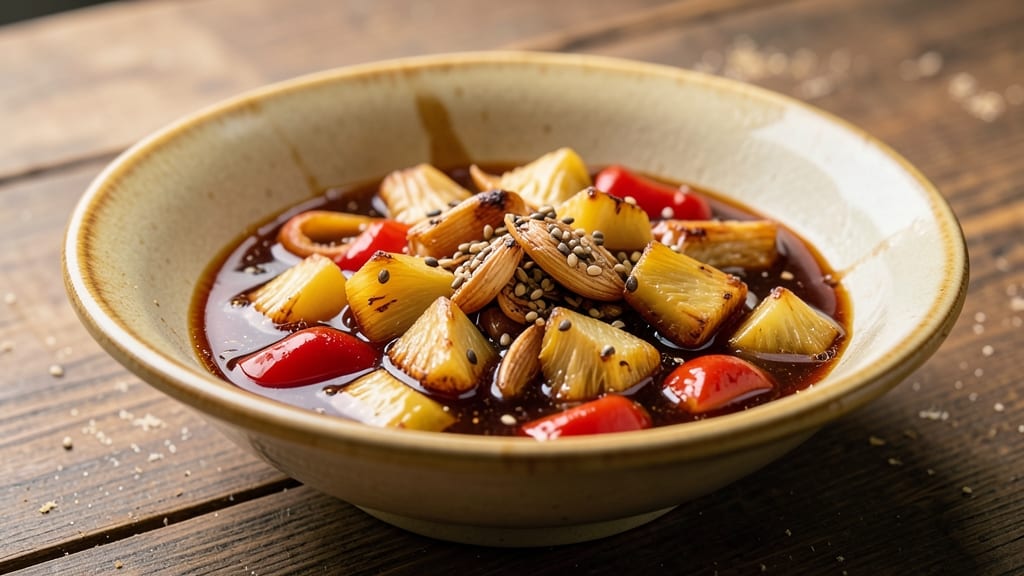
This Chinese sweet and sour sauce recipe with pineapple juice delivers that signature bright tangy glaze that transforms ordinary dishes into restaurant-quality meals. The combination of pineapple juice, ketchup, and vinegar creates a balanced sweet-tart flavor that's perfect for stir-fries, glazes, or dipping sauces.
I developed this version after testing dozens of recipes—this one consistently delivers the right balance of sweetness and acidity without being overly cloying.
The secret lies in simmering the sauce until it thickens just enough to coat proteins or vegetables beautifully. You'll need just 10 minutes of active cooking time, but letting it reduce properly ensures every bite gets that perfect glossy finish.
This sauce works equally well on chicken, pork, shrimp, or even as a glaze for roasted vegetables.
What makes this recipe stand out is the pineapple juice—it adds a subtle tropical brightness that cuts through the richness of fried foods while keeping the sauce vibrant. The result is a glossy, sticky-sauce that clings perfectly to whatever you're cooking, adding both flavor and visual appeal.
Once made, this sauce keeps well in the refrigerator for up to two weeks, making it ideal for meal prep. Use it immediately for maximum flavor impact, or store it for when you need that quick restaurant-quality finish.
The versatility of this sauce means you'll reach for it again and again.
Ingredients for chinese sweet and sour sauce recipe pineapple juice
Six pantry staples plus fresh pineapple juice create this vibrant, restaurant-style sauce.
| Ingredient | Amount | Notes |
|---|---|---|
| Pineapple Juice 🍍 | ½ cup | Freshly squeezed preferred |
| Ketchup 🍅 | ½ cup | Heinz preferred for consistency |
| White Vinegar 💧 | ¼ cup | White or apple cider |
| Soy Sauce 🍜 | ¼ cup | Light or dark variety |
| Brown Sugar 🍚 | ¼ cup | Packed lightly |
| Cornstarch 🌾 | 2 tbsp | For thickening |
| Water 💧 | ½ cup | Room temperature |
| Garlic Cloves 🧄 | 3 cloves | Minced for depth |
| Ginger 🌿 | 1 tbsp | Freshly grated |
| Sesame Oil 🫒 | 1 tbsp | Toasted for aroma |
The pineapple juice is non-negotiable here—canned or bottled works, but fresh is brighter. Trader Joe's has great pineapple juice at a reasonable price, or grab a fresh pineapple and juice it yourself. Soy sauce? Light soy keeps it subtle, but dark adds depth. For the ketchup, Heinz is consistent, but any good-quality brand works. The brown sugar should be packed lightly—don’t tamp it down. Fresh ginger and garlic? Worth the extra minute—they make all the difference in flavor.
No pineapple juice? Orange juice or mango nectar works in a pinch, but the flavor will shift slightly. Short on soy sauce? Substitute coconut aminos for a similar umami punch. Cornstarch the only thickener you need—it blends right in. The sesame oil is optional but adds that signature aroma. Toast it briefly in a dry pan before adding to bring out its nutty notes. Want it spicier? Add a dash of Sriracha at the end. The sauce should coat the back of a spoon when done—if it's too thin, add another teaspoon of cornstarch mixed with water.
This sauce keeps for 2 weeks in the fridge, but flavor peaks within the first week. Store in an airtight container, and give it a quick stir before using. It freezes beautifully too—portion into ice cube trays for single-use servings. The sauce thickens as it cools, so thin with a splash of water if needed. Perfect for meal prep—make a big batch and keep it on hand for quick weeknight dinners.
Why You'll Love This Recipe
- Pantry Magic: I swear by this sauce because it uses stuff I already have—no specialty shopping required. That jar of ketchup? The pineapple juice lingering in my fridge? Boom—sweet-and-sour in minutes. Honestly, I’ve made it with whatever’s on hand, and it never lets me down.
- Bright Tangy Kick: The vinegar cuts through the sugar like a dream, while the pineapple juice keeps it fresh—not cloying, not heavy. That little hit of soy sauce? It’s the secret that makes it taste actually restaurant-quality, not just sweet glaze.
- Weeknight Superstar: Drizzle it on takeout chicken, toss it with stir-fried veggies, or even mix it into a marinade for grilled shrimp. I’ve used it as a dip, a glaze, and even a quick BBQ sauce substitute. It’s my go-to when I’m too tired to plan but still want flavor.
- Budget-Friendly Staple: A single batch stretches for days—leftovers turn into dipping sauce for fries, a quick stir-fry boost, or even a glaze for roasted potatoes. I make it in big batches and freeze what I don’t use; it’s my frugal hack for keeping meals exciting without breaking the bank.
Step-by-step instructions for Chinese sweet and sour sauce
Here's how to make a vibrant, balanced sauce that's perfect for chicken, pork, or veggies.
Create the Flavor Base
In a medium saucepan, combine the 0.5 cup pineapple juice, 0.5 cup ketchup, 0.25 cup white vinegar, 0.25 cup soy sauce, and 0.25 cup brown sugar. Stir over medium heat until the sugar dissolves completely—you'll see it transform from grainy to smooth. This step builds the foundational tang and sweetness that makes this sauce special.
I like to taste at this stage—it should already be bright and acidic with a touch of saltiness. If it needs more depth, add a pinch of salt or a splash more soy sauce. The pineapple juice adds natural sweetness while keeping the sauce light, so don't skip this ingredient even if you're in a hurry.
Thicken the Mixture
In a small bowl, whisk together the 2 tbsp cornstarch with the 0.5 cup water until completely dissolved. This slurry is your thickening agent. Pour it into the saucepan while stirring constantly with a wooden spoon or silicone spatula.
Bring the mixture to a gentle boil over medium-high heat, then reduce to medium-low and let it simmer for 5-7 minutes. You're looking for a sauce that coats the back of a spoon—thick enough to cling to food but still pourable. Stir frequently to prevent sticking, and don't walk away. If it gets too thick too fast, add 1-2 tablespoons of water to adjust the consistency.
Add Aromatics for Depth
Lower the heat to low and stir in the 3 cloves minced garlic, 1 tbsp freshly grated ginger, and 1 tbsp toasted sesame oil. The sesame oil will give the sauce its signature nutty aroma, while the garlic and ginger add layers of warmth. Let everything simmer together for 2-3 minutes—just until the raw garlic smell disappears and the flavors meld.
Here's the thing—don't overcook the aromatics or they'll turn bitter. You want them to perfume the sauce without dominating it. Taste again now—the sauce should balance sweet, tangy, and umami flavors with a subtle spicy kick from the ginger. If it needs more brightness, add another splash of white vinegar.
Simmer to Perfection
Return the sauce to a gentle simmer and cook uncovered for 3-5 minutes to let the flavors develop fully. The sauce should reduce slightly, becoming glossy and more concentrated. This final reduction is what gives the sauce its signature glossy finish and deeper flavor.
I know it might seem done earlier, but patience here makes all the difference. The longer you simmer (within reason), the more complex the flavors become. Once it reaches your desired consistency—thick enough to coat but still pourable—remove it from heat. Let it cool slightly before using, as it will thicken further as it sits.
Pro Tips For Making Chinese Sweet And Sour Sauce Recipe Pineapple Juice
- Simmer Slow and Steady: The second you toss all ingredients into a pan, you’re setting yourself up for a lumpy mess. Start over medium heat and let the pineapple juice and ketchup cook for at least 5 minutes before adding anything else—this breaks down the sugars and thickens the sauce naturally. (Yes, even if you’re eager to taste it.)
- Strain the Pineapple Juice: Fresh pineapple juice is great, but if you’re using canned or bottled, strain out the pulp first. That fiber turns to gunk when heated, and no one wants their sweet-and-sour sauce looking like a smoothie. A fine-mesh sieve takes 30 seconds and saves you from scraping it off plates later.
- Balance the Vinegar Early: I learned this the hard way—adding all the white vinegar at once makes the sauce taste harsh. Mix half of it in first, taste, then adjust. The pineapple juice mellows the acid, but you need to let it work. (And if your sauce tastes like a pickle bomb, you’ve gone too far.)
- Skip the Cornstarch Unless Needed: Homemade versions don’t always need thickener, but if yours is too thin, try this: whisk in 1 teaspoon of cold water + 1 teaspoon cornstarch, then simmer for 2 minutes. Too much, and you’ll end up with gluey sauce. (I’ve done it—don’t ask how I know.)
Dietary considerations for these flavors
Gluten-Free Adaptations
This sauce is naturally gluten-free if you use tamari instead of soy sauce—just swap the 0.25 cup soy sauce for an equal amount of tamari. I recommend San-J brand tamari for its rich umami flavor.
Double-check all other ingredients (like ketchup) for hidden gluten, especially if you're highly sensitive. The cornstarch thickener is also gluten-free, so no additional substitutions are needed here. 🌱
Lower Sugar Options
For a reduced-sugar version, cut the 0.25 cup brown sugar to 2 tablespoons and replace the rest with 0.125 cup honey or maple syrup. The natural sweetness of pineapple juice will still shine through.
If you're watching carbs, use monk fruit sweetener instead—about 1 tablespoon will mimic the sugar's role without affecting blood sugar. Always taste as you go, since fruit-based sweeteners vary in intensity.
Vegan Considerations
This sauce is already vegan-friendly, but here's how to optimize it: Use vegan ketchup (like Hunt's Vegan or Annie's) and ensure your soy sauce is certified vegan. The pineapple juice and cornstarch slurry remain perfectly plant-based.
For extra richness, stir in 1 teaspoon miso paste at the end—it adds umami depth without animal products. The sauce's natural tanginess makes it a great vegan option for stir-fries and dipping.
Allergen-Friendly Tips
If nut allergies are a concern, skip the sesame oil and replace it with 1 teaspoon avocado oil or extra toasted sunflower oil. For those avoiding corn, substitute the 2 tbsp cornstarch with 2 tbsp arrowroot powder—it thickens just as effectively.
Always check pineapple juice labels for potential cross-contamination warnings if allergies are severe. The sauce's bright flavors work beautifully even with these simple swaps.
Keto-Friendly Version
For a keto adaptation, reduce the brown sugar to 1 tablespoon and use 0.25 cup erythritol or allulose instead. Replace the ketchup with 0.25 cup sugar-free tomato paste (like Muir Glen No Sugar Added) mixed with 0.25 cup water.
The pineapple juice provides natural sweetness while keeping carbs low. This version maintains the sauce's signature tang while fitting into low-carb diets. Taste frequently—the sugar substitutes can be more potent than expected. 💪
Nutrition facts
Frequently asked questions
Can I substitute pineapple juice with another fruit juice?
You can use orange juice or mango nectar in a 1:1 ratio, but the flavor will shift slightly. Pineapple juice provides a unique tropical brightness that balances the sweet-tart profile. If using orange juice, add an extra ½ teaspoon of white vinegar to compensate for its lower acidity.
Why did my sauce turn out too thick or too thin?
Too thick? You likely over-simmered the cornstarch slurry. Thin it with 1-2 tablespoons of water while reheating. Too thin? Add 1 teaspoon cornstarch mixed with 1 tablespoon water, stir, and simmer for 2-3 minutes. The sauce should coat the back of a spoon but remain pourable. Always stir constantly during thickening.
How can I make this sauce spicier?
Add ½ teaspoon of red pepper flakes or 1 teaspoon of sriracha at the end of cooking. For heat control, start with less and adjust to taste. The ginger already adds subtle warmth, so don't overdo it—you want balanced heat, not overwhelming spice. Taste as you go!
Can I make this sauce ahead of time?
This sauce keeps for 2 weeks in the fridge in an airtight container. Flavor actually improves over time as ingredients meld. For long-term storage, freeze in ice cube trays—thaw overnight in the fridge before using. The sauce will thicken further when chilled, so thin with water if needed.
What's the best way to use leftover sauce?
Use it as a glaze for grilled chicken or pork, a dipping sauce for spring rolls, or a stir-fry sauce. For extra richness, toss with cooked shrimp or tofu. The sauce also works beautifully on roasted vegetables like bell peppers or broccoli. Store leftovers in the fridge for up to 5 days for best flavor.