
Sauces & Condiments
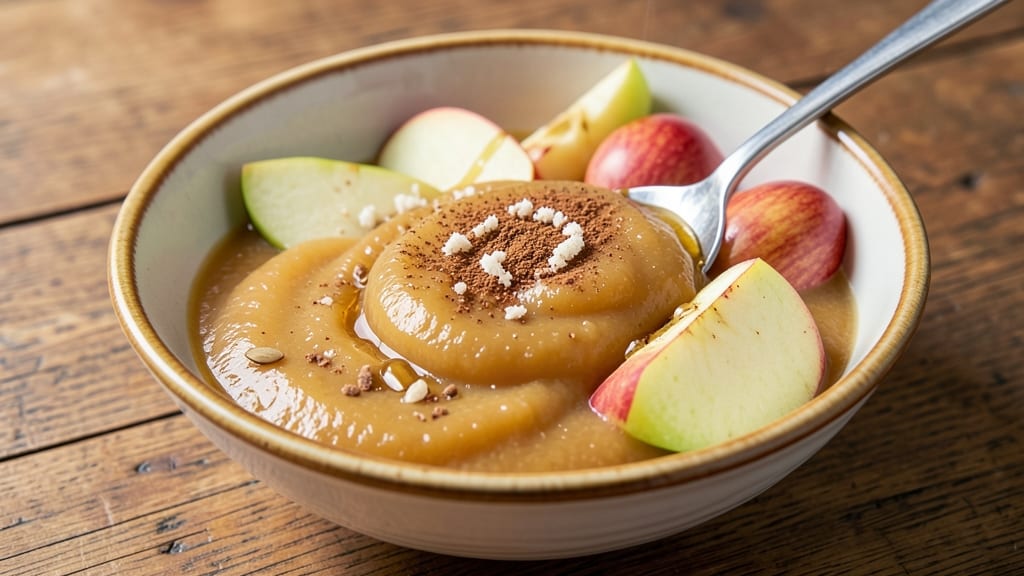
This classic applesauce recipe delivers the warm, spiced comfort of homemade without any added sugar—just naturally sweet apples and aromatic cinnamon. 🌟 The secret lies in slow simmering peeled apples with a touch of lemon juice and spices until they break down into a velvety, fragrant sauce that tastes like autumn in a jar.
What makes this recipe truly timeless is its simplicity: just six core ingredients and minimal effort for maximum flavor. You'll start with firm apples like Granny Smith or Honeycrisp, which hold their shape beautifully while releasing natural sweetness as they cook down.
The cinnamon and nutmeg add warmth, while lemon brightens the finished sauce.
By the time you're done, you'll have a versatile applesauce that's perfect for pairing with pork, using as a topping for oatmeal, or simply enjoying straight from the jar. The texture stays smooth without being mushy, and the natural sweetness comes through—no artificial ingredients required.
This method also lends itself beautifully to variations: add a pinch of cardamom for an exotic twist, or a splash of vanilla for extra depth.
The sauce keeps well in the refrigerator for up to a week or can be frozen for months, making it an ideal make-ahead condiment for holiday meals.
Ingredients for classic apple sauce
Six simple ingredients transform into velvety applesauce with autumnal spice and natural sweetness.
| Ingredient | Amount | Notes |
|---|---|---|
| Granny Smith Apples 🍎 | 2 lb | Peeled, cored, cut into chunks |
| Honeycrisp Apples 🍏 | 2 lb | Peeled, cored, cut into chunks |
| Water 💧 | 1 cup | Or apple cider for depth |
| Ground Cinnamon 🌿 | 1 tsp | Freshly ground preferred |
| Ground Nutmeg 🌿 | ¼ tsp | Freshly grated for warmth |
| Lemon Juice 🍋 | 1 tbsp | Freshly squeezed |
| Sea Salt 🧂 | ¼ tsp | Fine grain preferred |
The apples are the foundation—Granny Smith and Honeycrisp balance tartness and sweetness perfectly. Local farmers markets often carry Honeycrisp in season, while Granny Smith is a grocery store staple. Look for firm apples without bruises, as they hold their shape better during cooking. If you can’t find Honeycrisp, Fuji or Braeburn work well too. The cinnamon and nutmeg should be freshly ground—pre-ground spices lose flavor quickly, so check the date on the package. Penzeys or Spicewalla are great for quality spices if you’re stocking up.
No Granny Smith? McIntosh or Rome apples soften beautifully and add natural sweetness. Short on nutmeg? A pinch of allspice gives a similar warmth. Lemon juice is key for brightness—bottled is fine, but fresh is always better. The water can be swapped for unsweetened apple cider for extra depth of flavor. If you prefer a chunkier texture, reduce the cooking time slightly. For a smoother finish, blend after cooking—just a quick pulse keeps some texture while making it velvety. The salt enhances all the flavors, so don’t skip it.
Applesauce reheats beautifully—simply warm in a saucepan or microwave with a splash of water. It keeps for up to 1 week in the fridge, sealed tightly in a jar. For long-term storage, freeze in ice cube trays—thaw as needed for portion control. Label with the date, as the texture changes slightly after freezing. If the sauce thickens too much after refrigeration, stir in a splash of water or apple cider to loosen it.
Why You'll Love This Recipe
- No Peel, No Stress: I swear by this combo—Granny Smiths for tang, Honeycrisp for sweetness—because peeling apples is the last thing I want to do after work. Just core, chop, and toss in the pot. The skins soften into the sauce anyway, so you’re not missing out.
- Spice It Right: That first whiff of cinnamon and nutmeg hitting the warm apples? Pure autumn in a jar. The Granny Smith’s sharpness cuts through the honey notes, and the spices linger just enough to feel special—not cloying, not bland. It’s the kind of flavor that makes you pause mid-bite.
- Pantry to Plate: This sauce is my secret weapon for lazy Sundays and last-minute dinners. Drizzle it over oatmeal, stir it into yogurt, or serve it with roasted pork—it’s that adaptable. Honestly, I’ve even used it to glaze chicken thighs when I forgot to marinate them. Works every time.
- Leftovers That Last: Make a double batch and thank me later. It keeps for weeks in the fridge, and I’ve frozen it for up to six months without losing a drop of flavor. Perfect for when you’re prepping for game day, potlucks, or just those nights when you’re too tired to cook but still want something warm and comforting.
Step-by-step instructions for classic applesauce
Transform fresh apples into silky, naturally sweet applesauce with this simple, foolproof method.
🍳 Step 1: Combine Apples and Water
In a large, heavy-bottomed pot, combine the 2 lb Granny Smith Apples and 2 lb Honeycrisp Apples (already peeled, cored, and cut into chunks). Add the 1 cup Water and bring to a gentle boil over medium-high heat. The apples should be mostly submerged, but that's okay—some will rise as they cook.
Here's the thing—using both apple varieties gives you the perfect balance. Granny Smith adds tartness while Honeycrisp contributes natural sweetness. Don't rush this step; you want the apples to soften completely without burning. Once boiling, reduce heat to medium-low and let it simmer uncovered.
🔥 Step 2: Simmer Until Apples Break Down
Cover the pot with a lid and simmer for 20-25 minutes, stirring occasionally, until the apples are completely tender and easily mashable with a fork. You'll know it's ready when the chunks collapse under gentle pressure—no resistance should remain. If the mixture looks dry, add 1-2 tablespoons of water to maintain moisture.
I like to keep the lid slightly ajar during the last 5 minutes of cooking. This allows excess moisture to evaporate, resulting in a thicker, more concentrated sauce. The apples should release their juices freely, creating a naturally sweet, fragrant puree.
👨🍳 Step 3: Season and Blend to Perfection
Remove the pot from heat and stir in the 1 tsp Ground Cinnamon, 0.25 tsp Ground Nutmeg, 1 tbsp Lemon Juice, and 0.25 tsp Sea Salt. Let the mixture sit for 5 minutes to allow the spices to infuse fully. The lemon juice brightens the flavor while the salt enhances all the natural sweetness.
For a smooth texture, use an immersion blender to puree directly in the pot. If you prefer chunkier sauce, simply mash with a potato masher or leave some apple pieces intact. Taste and adjust seasoning if needed—you might want to add a pinch more cinnamon or a splash of lemon juice for balance.
⏰ Step 4: Cool and Store Properly
Transfer the applesauce to a clean glass jar or airtight container. Let it cool completely at room temperature for 30 minutes, then refrigerate. This cooling period prevents condensation from forming in the container, which can dilute the flavor. The sauce will thicken further as it chills, becoming even more velvety.
For best results, store in the refrigerator for up to 1 week or freeze for up to 3 months. When reheating, warm gently over low heat or in the microwave until just hot, stirring occasionally to maintain even texture. This homemade version tastes nothing like the canned kind—rich, aromatic, and perfectly balanced.
Pro Tips For Making Classic Apple Sauce
- PEEL AND CORE UNIFORMLY: Granny Smiths are tough—cut them into even ½-inch chunks so they soften at the same rate. Honeycrisp’s skin stays on (it’s thin and flavorful), but slice those into ⅓-inch pieces to balance texture. I learned this the hard way when my first batch had mushy Grannys and still-crunchy Honeycrisp.
- SIMMER NOT BOIL: Start with water covering the apples by 1 inch, then bring to a gentle simmer—tiny bubbles at the edges, not a rolling boil. Too much heat turns apples to mush faster than you can mash. My grandmother swore by this, and she was right: low and slow keeps the texture silky.
- SWEAT THE SPICES FIRST: Toast the cinnamon and nutmeg in a dry pan for 30 seconds until fragrant before adding them to the apples. This wakes up their flavor—no more tasting like dust. Skip this, and your applesauce will taste like dessert filler instead of something special.
- MASH WHEN STILL SLIGHTLY FIRM: Applesauce should be smooth but not gluey. Test doneness by mashing a spoonful—if it’s still holding shape, cook 2-3 more minutes. Overcooking turns it into apple mush. I was skeptical until I tried it: the right texture makes all the difference.
Flavor customization for classic apple sauce
Sweet & Spiced Variations
For a caramelized twist, add 2 tbsp brown sugar during the last 5 minutes of cooking—this creates a subtle buttery depth. I often use C&H Light Brown Sugar for its molasses notes.
For a vanilla-infused version, simmer 1 vanilla bean split lengthwise in the water before adding apples. Scrape the seeds into the sauce at the end for maximum flavor. 🌟
Tropical & Citrus Twists
Swap the cinnamon for ½ tsp ground ginger and add 1 tsp grated orange zest for a zesty, almost chai-inspired applesauce. Fresh ginger brightens the flavor beautifully—Whole Foods brand is my go-to for quality.
For a pineapple-apple fusion, blend in ½ cup crushed pineapple (no sugar added) after cooking. This works surprisingly well with pork dishes.
Herbal & Earthy Profiles
Add ½ tsp dried thyme or 2 sprigs fresh thyme to the simmering apples for an herbal note that pairs perfectly with roasted meats. Remove the thyme sprigs before blending.
For a savory twist, stir in 1 tsp apple cider vinegar and ¼ tsp black pepper—this creates a tangy-sweet sauce ideal for glazing sausages. I discovered this version while experimenting with German-style bratwurst pairings. 🍏
Texture & Consistency Adjustments
Want ultra-smooth sauce? After blending, press the mixture through a fine-mesh sieve to remove any remaining skin or fiber. For rustic texture, leave the apples slightly chunky by mashing with a fork instead of blending.
If your sauce thickens too much after refrigeration, thin it with 1-2 tbsp apple cider—this preserves the flavor while restoring creaminess. Pro tip: Use a handheld immersion blender for precise control over texture.
Seasonal & Regional Adaptations
In autumn, add ½ tsp ground cloves for a spiced-apple cider vibe. For a Southern-inspired version, swap nutmeg for ½ tsp smoked paprika—this adds warmth without overpowering. In winter, infuse with 1 cinnamon stick during cooking, then remove before serving.
This works especially well with holiday pork roasts. I first tried this adaptation during Thanksgiving and it became an instant family favorite. ❄️
Nutrition facts
Frequently asked questions
Can I make applesauce without peeling the apples?
Peeling is optional—just leave the skins on for extra fiber and nutrients. The skins won't affect texture much if you blend thoroughly. For a rustic look, leave some skins intact and mash lightly. Just ensure apples are washed well before cutting to remove any wax or dirt.
Why does my applesauce turn out watery?
Watery applesauce usually means too much liquid was added or the apples weren't cooked long enough. For thicker sauce, simmer uncovered for the last 5-10 minutes to evaporate excess moisture. If needed, mash the cooked apples first to release juices before adding water. Start with just ½ cup water if your apples are very juicy.
What's the best way to store homemade applesauce?
Store in a clean, airtight glass jar in the fridge for up to 1 week—the sauce actually improves in flavor as it sits. For longer storage, freeze in ice cube trays or small containers for 3 months. Thaw overnight in the fridge before using. Label containers with dates to track freshness.
Can I substitute honey or maple syrup for the natural sweetness?
Yes, but use sparingly—these sweeteners add depth rather than masking tartness. Start with 1 tbsp honey and adjust to taste. Maple syrup works too, but its earthy notes may alter the classic flavor. Remember: the goal is to enhance the apples' natural sweetness, not overpower it.
How do I fix applesauce that's too tart?
Balance tartness by adding ½ tsp more cinnamon or 1 tsp brown sugar while warm. A splash of vanilla extract or orange zest also helps round out flavors. If it's still too sharp, stir in 1 tbsp apple cider to dilute slightly while maintaining texture.