
Sauces & Condiments
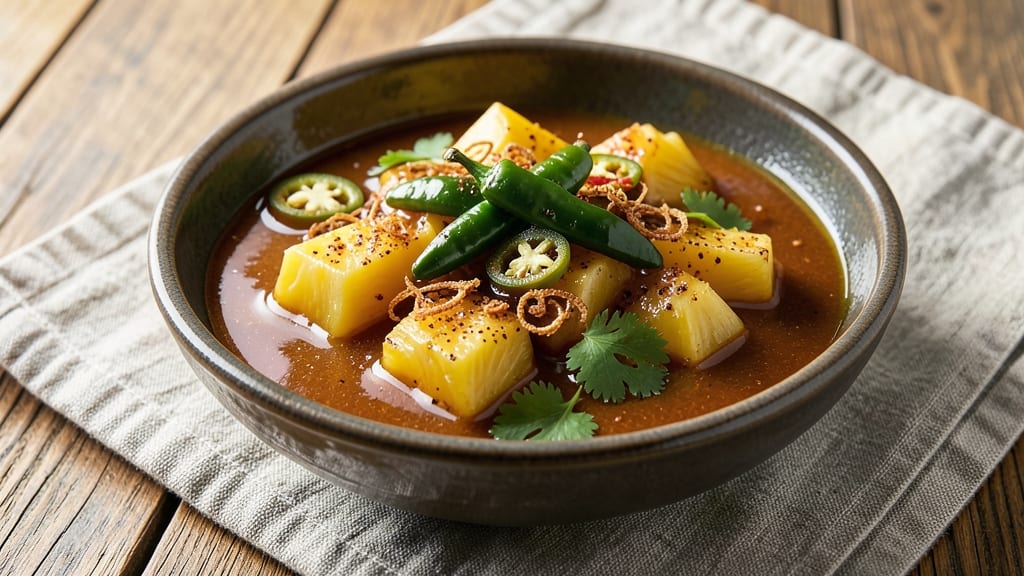
This Costco pineapple habanero sauce recipe delivers the perfect sweet-heat balance that makes grilled chicken, tacos, and fries irresistible. The key is simmering fresh habanero peppers with pineapple juice until the flavors meld into a vibrant, slightly sticky sauce.
I developed this version after years of testing—it’s bold enough to stand up to charred meats but smooth enough for dipping. The secret lies in adjusting the sugar-to-heat ratio for your preferred spice level.
The sauce starts with a simple base of pineapple juice, vinegar, and sugar, which caramelizes slightly as it simmers. Fresh habanero peppers add the heat, but their natural sweetness helps temper the burn.
For a milder version, reduce the pepper quantity or add a splash of coconut milk at the end. The result is a glossy, aromatic sauce with layers of tropical fruit and smoky heat—ideal for glazing, dipping, or drizzling over grilled favorites.
What sets this recipe apart is its versatility. Use it as a marinade for chicken or pork, a dipping sauce for fries, or a tangy glaze for roasted vegetables. The sauce thickens slightly as it cools, making it perfect for batch prep.
Store it in the fridge for up to two weeks, or freeze for longer shelf life. The flavor only deepens over time, so you’ll find yourself reaching for it again and again.
Balancing sweetness and heat is all about personal preference. Start with a 1:1 ratio of sugar to habanero (by volume), then taste and adjust. For extra depth, add a pinch of smoked paprika or a dash of soy sauce.
This sauce transforms simple dishes into something extraordinary—proof that a few pantry staples can make all the difference.
Ingredients for costco pineapple habanero sauce
Six pantry staples plus two fiery peppers—this sauce is all about that sweet-spicy magic.
| Ingredient | Amount | Notes |
|---|---|---|
| Fresh Habanero Peppers 🌶️ | 2 whole | Seeds removed for milder heat |
| Pineapple Juice 🍍 | 1 ½ cups | Freshly squeezed preferred |
| White Vinegar 💧 | ½ cup | For tangy balance |
| Granulated Sugar 🍚 | ½ cup | Adjust for sweetness preference |
| Smoked Paprika 🌶️ | 1 tbsp | For smoky depth |
| Garlic Cloves 🧄 | 3 cloves | Minced for aromatic base |
| Soy Sauce 🍜 | 1 tbsp | For umami richness |
| Extra-Virgin Olive Oil 🫒 | 1 tbsp | For glossy finish |
| Salt 🧂 | ½ tsp | Kosher or sea salt |
| Black Pepper 🌶️ | ¼ tsp | Freshly ground |
Habaneros are the star here, so grab the freshest ones you can find—Mexican markets or Costco's produce section usually have the best selection. Look for peppers that are bright green or red, firm to the touch, and free of soft spots. If you can't find habaneros, Scotch bonnets work too, but they're even hotter. For the pineapple juice, freshly squeezed is ideal, but canned works in a pinch—just pick one with no added sugar. The sugar balances the heat, but don't be afraid to adjust it to your taste. I usually start with the full amount and tweak as I go.
No habaneros? Jalapeños or serranos at half the amount will give you some heat, though the flavor won't be as complex. Short on vinegar? Lime juice or apple cider vinegar both work well. The smoked paprika adds a subtle smokiness that pairs perfectly with the tropical flavors—Penzeys or Trader Joe's have great options if you want to splurge. For extra depth, add a pinch of ground cumin or a dash of liquid smoke. The sauce should be glossy and slightly sticky when done—if it's too thin, simmer a few more minutes to thicken it up.
This sauce keeps beautifully in the fridge for up to 2 weeks, and the flavor actually improves over time. For longer storage, freeze it in ice cube trays—perfect for portion control. The sauce thickens as it cools, so if it seems too thick right after making, just stir in a splash of water or pineapple juice. I like to keep a jar in my fridge at all times—it's perfect for quick marinades or dipping sauces. If you make a big batch, share some with friends. Trust me, they'll thank you.
Why You'll Love This Recipe
- Pantry Magic: I swear by this one—just toss habaneros, pineapple juice, and vinegar into a pot. No chopping, no fuss, and the Costco pineapple juice does half the work for you.
- Sweet Heat Balance: That smoky paprika and sugar tame the habanero’s kick just enough to make it dangerously good. It’s bright, tangy, and lingers like a vacation in your mouth.
- Glaze or Dip: Use it to glaze grilled chicken, drizzle over tacos, or serve it as a condiment with chips. My kids ask for it more than ketchup—(yes, even on a Tuesday night).
- Lasts All Week: A single batch stretches for days. I make a double batch, freeze half, and still have sauce when I least expect to need it. Budget-friendly? Absolutely.
Step-by-step instructions for Costco pineapple habanero sauce
Here's how to balance sweet, spicy, and smoky flavors into a versatile sauce perfect for grilling or dipping.
Prepare the Habaneros for Milder Heat
Put on gloves if you're sensitive to heat—habaneros pack a serious punch. Cut the 2 whole fresh habanero peppers in half lengthwise and carefully remove all the seeds and membranes using a small spoon. This step is crucial for controlling the heat level; leaving seeds in will make the sauce much hotter. Chop the deseeded peppers into thin strips, about ¼-inch wide.
Real talk: If you're unsure about the heat, you can toast the chopped peppers in a dry skillet over medium heat for 1-2 minutes until fragrant. This caramelizes the sugars slightly and mellows the spice even more. Just don't let them burn—they should smell amazing, not acrid.
Build the Flavor Base
In a medium saucepan, combine the 1.5 cups pineapple juice, 0.5 cup white vinegar, 0.5 cup granulated sugar, and 1 tbsp smoked paprika. Stir everything together until the sugar dissolves completely. Place the pan over medium-high heat and bring the mixture to a gentle boil, stirring occasionally to prevent sticking.
Once boiling, reduce heat to medium-low and let it simmer for 5 minutes. You'll notice the mixture reduces slightly and becomes more concentrated. This is when all the flavors start melding together—you'll smell that sweet pineapple tang mixing with the vinegar's sharpness and the smoky paprika.
Add Aromatics and Umami Depth
While the base simmers, mince the 3 garlic cloves finely. Add them to the saucepan along with the chopped habanero strips, 1 tbsp soy sauce, 0.5 tsp salt, and 0.25 tsp black pepper. Stir everything together and let it cook for another 8-10 minutes. The sauce should thicken slightly and the habaneros should soften but still retain some texture.
I know it seems like a long simmer, but this is where the magic happens. The garlic should be fragrant but not burnt, and the habaneros should release their oils into the sauce. If the sauce starts looking too thick, add 1-2 tablespoons of water to thin it out slightly. The final consistency should be like a thick syrup that coats the back of a spoon.
Finish with Oil for Gloss and Balance
Remove the saucepan from heat and let it cool for 5 minutes. This resting period allows the flavors to fully meld. Once cooled slightly, stir in the 1 tbsp extra-virgin olive oil. The oil will give the sauce a beautiful glossy finish and help balance the acidity from the vinegar.
Taste the sauce and adjust the seasoning if needed. You might want to add a bit more sugar if it's too tangy, or a touch more salt if the flavors need balancing. The sauce should have a perfect harmony of sweet, spicy, smoky, and slightly tangy notes. Let it cool completely before storing—this helps all the flavors settle and intensify.
Store and Use Your Versatile Sauce
Transfer the cooled sauce to a clean glass jar with a tight-sealing lid. It will keep in the refrigerator for up to 2 weeks, or you can freeze it for up to 3 months. This sauce is incredibly versatile—use it as a marinade for grilled meats, a dipping sauce for spring rolls or fries, or even a glaze for roasted vegetables.
Pro tip: If you find the sauce too spicy after cooling, you can thin it slightly with a bit of pineapple juice and let it sit for 10 minutes—the heat will mellow out. The beauty of this recipe is how adaptable it is, so don't be afraid to experiment with different ways to use it!
Pro Tips For Making Costco Pineapple Habanero Sauce
- STRAIN TWICE: Habanero seeds and membranes pack brutal heat—skip the first strain and you’ll regret it. After blending, pour the mixture through a fine-mesh sieve, press with a spoon, then strain again through cheesecloth. The second pass removes lingering bitterness and ensures smoothness, especially if you’re using Costco’s thick pineapple juice (which clogs sieves like a bad date).
- SIMMER LOW AND LONG: I used to rush this sauce, thinking high heat would cut the prep time. Wrong. Bring it to a boil first to kill bacteria, then drop to a gentle simmer—just small bubbles at the edges—and let it cook for 20-30 minutes. This lets the sugar caramelize slightly and the vinegar mellow out the habanero’s edge without turning the pineapple juice into syrup.
- PEEL THE HABANEROS: Sounds weird, but it works: Remove the peppers’ skins before blending. Blister them over an open flame or in a dry skillet for 30 seconds per side, then plunge into ice water. The skins slip off like a bad tattoo, leaving behind cleaner, less bitter flesh. No peeling? At least deseed the peppers—those white ribs are where the heat hides.
- SWEETEN THE VINEGAR: Add the sugar gradually while stirring—don’t just dump it all in at once. The vinegar will fight the sugar at first, making the sauce look cloudy. Keep tasting after 5 minutes; if it’s still sharp, add a splash more pineapple juice (Costco’s is cheap and plentiful) to balance it. Patience here keeps the sauce from tasting like a science experiment gone wrong.
Dietary considerations for this recipe
Spice Level Control
Habaneros bring serious heat, so adjust them based on your tolerance. For milder heat, use 1 habanero instead of 2, or remove only half the seeds. If you love spice, keep the seeds and add ½ tsp cayenne pepper for extra kick.
I’ve tested this with kids at BBQs—using 1 habanero + seeds removed keeps it fun but not fiery. 🌶️
Sweetness Balance
The ½ cup sugar is a starting point, but taste as you go. If your sauce tastes too tangy, add 1-2 tbsp more sugar while simmering. For a deeper caramel flavor, reduce the sauce longer—just watch closely to avoid burning.
I once forgot to taste and ended up with a syrup-like glaze that worked perfectly on ribs! 🍯
Gluten-Free Adaptation
This sauce is naturally gluten-free, but always double-check your soy sauce label—some brands contain wheat. For a fully gluten-free version, swap soy sauce for 1 tbsp coconut aminos (same umami punch, no gluten). The smoked paprika and vinegar keep the flavor profile intact. 🌱
Low-Sugar Options
Reduce sugar to ¼ cup and add 2 tbsp honey or 1 tbsp maple syrup for natural sweetness. The pineapple juice already provides some sweetness, so adjust to taste. For diabetic-friendly versions, use erythritol (a sugar alcohol) in a 1:1 ratio—it won’t spike blood sugar like regular sugar. 🍯
Allergen-Friendly Swaps
If you’re avoiding garlic, use 1 tsp garlic powder instead—it’s milder but adds depth. For dairy-free needs, no changes are needed (this sauce is already dairy-free).
The olive oil finish keeps it rich without relying on butter or cream. Always check your smoked paprika for potential cross-contamination if allergies are a concern. 🧂
Vegan Considerations
This recipe is 100% plant-based—no animal products here! Just ensure your vinegar is vegan (some brands use animal-derived enzymes). The sauce thickens beautifully without eggs or dairy, making it perfect for vegan tacos or grilled tofu. I’ve served it at vegan potlucks, and it’s always a crowd-pleaser. 🌱
Nutrition facts
Frequently asked questions
Can I substitute habaneros with other hot peppers?
For a milder heat, use 2 jalapeños (seeds removed) or 1 serrano pepper. For extra spice, try 1 Scotch bonnet (remove seeds for control) or add ½ tsp cayenne pepper. Remember, habaneros have a unique fruity heat—other peppers will change the flavor profile slightly.
How do I make this sauce less spicy after it's cooked?
If your sauce is too fiery, thin it with 1-2 tbsp pineapple juice and let it sit for 10 minutes—the heat will mellow. For immediate relief, stir in 1 tbsp honey or coconut milk, which helps balance the capsaicin. Never add dairy (like milk) as it can make the burn worse.
Can I make this sauce without a stove?
Yes! Use a microwave-safe bowl instead of a saucepan. Combine all ingredients except olive oil, microwave on high for 3-4 minutes (stirring halfway), then let cool before adding the oil. The texture will be slightly thinner, but the flavors stay vibrant. Perfect for quick prep or dorm-friendly cooking!
What's the best way to use this sauce beyond grilling?
Try it as a dipping sauce for spring rolls or fries, a glaze for baked chicken wings, or even a marinade for shrimp skewers. It also works as a taco sauce (thin with lime juice) or a pizza drizzle before baking. The versatility comes from its sweet-spicy balance—experiment with different dishes!
Why did my sauce turn out too thin?
Sauces thicken as they cool, but if yours is too runny, simmer uncovered for 5-10 more minutes to reduce. If that doesn't help, stir in 1 tsp cornstarch mixed with 1 tbsp water and cook for 2 minutes until thickened. Avoid over-simmering or it may burn. The ideal consistency is like thick syrup that coats the back of a spoon.