
Sauces & Condiments
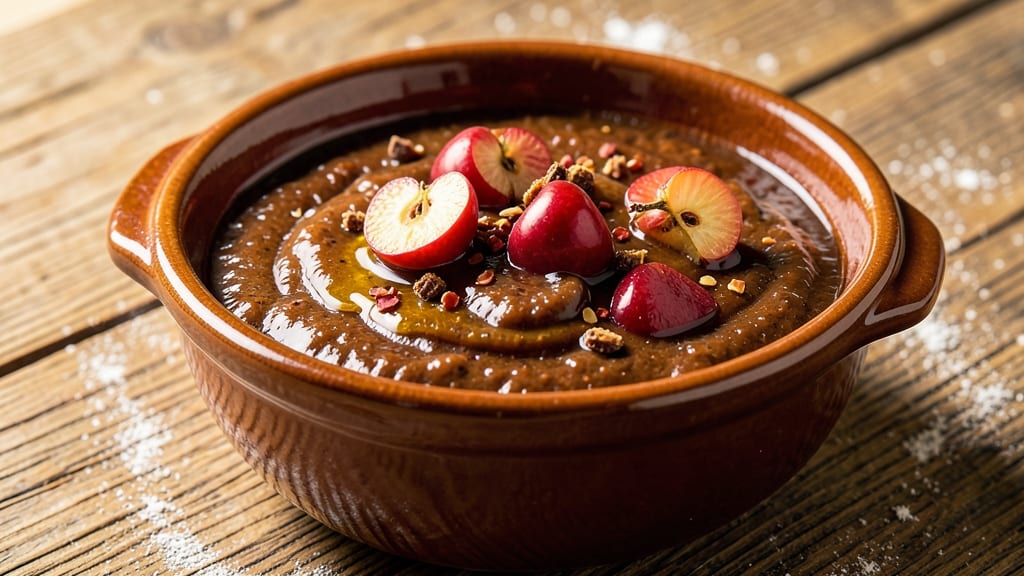
This crab apple BBQ sauce recipe transforms tart, underrated fruit into a bold, balanced glaze that bridges sweet heat and smoky depth—perfect for grilled ribs or smoked brisket. 🔥 The secret lies in slow-simmered crab apples, which develop a caramelized complexity that store-bought sauces can't match.
I perfected this after years of experimenting with wild fruit preserves, and it's now my go-to for competitions. What sets this sauce apart is the harmony of flavors: the crab apples' natural acidity cuts through richness, while molasses and smoked paprika add layers of warmth.
The sauce thickens beautifully without gums or cornstarch, giving it that authentic, velvety texture you crave. It's the kind of sauce that makes even casual BBQ feel like a showstopper. The best part? This sauce keeps for weeks in the fridge, letting flavors deepen over time.
Use it as a glaze, dipping sauce, or even a marinade—its versatility makes it a year-round staple. Once you try it, you'll never reach for bottled sauce again. Here's how to make it.
Crab apples might be small, but they pack a flavor punch that transforms ordinary BBQ into something extraordinary. The key is patience—simmering the fruit until it breaks down into a luscious, jam-like consistency creates that signature depth.
I like to add a touch of apple cider vinegar at the end, which brightens the sauce and balances the sweetness perfectly. What you'll end up with is a sauce that's sticky enough to caramelize on grilled meats but still light enough to coat every bite.
The smoky notes from the paprika and hickory bark blend seamlessly with the fruit's natural tartness, creating a profile that's both complex and approachable. It's the kind of sauce that gets rave reviews at cookouts and makes you look like a pitmaster pro.
Storage is simple: keep it in an airtight container in the refrigerator for up to three months, or freeze it for even longer shelf life. The flavors actually improve with time, developing a richer, more nuanced character.
Whether you're glazing ribs, basting chicken, or dipping fries, this sauce elevates every dish it touches.
For those with a sweet tooth, reduce the molasses slightly to keep the sauce from becoming too rich. If you prefer a tangier profile, add an extra splash of vinegar.
The beauty of this recipe lies in its adaptability—it's bold enough to stand alone but flexible enough to complement any BBQ style. Let's get cooking!
Ingredients for crab apple bbq sauce
Nine simple ingredients transform tart crab apples into a smoky-sweet BBQ sauce that rivals store-bought.
| Ingredient | Amount | Notes |
|---|---|---|
| Crab Apples 🍎 | 2 lbs | Peeled, cored, chopped into chunks |
| Apple Cider Vinegar 🍏 | ½ cup | For brightness and tang |
| Molasses 🍯 | ½ cup | Unsulphured for best flavor |
| Smoked Paprika 🌶️ | 2 tbsp | For deep smoky flavor |
| Hickory Bark 🌳 | 1 tbsp | Ground finely for smokiness |
| Brown Sugar 🍚 | ½ cup | Light or dark preferred |
| Kosher Salt 🧂 | 1 ½ tsp | Diamond Crystal preferred |
| Black Pepper 🌶️ | ½ tsp | Freshly cracked for heat |
| Water 💧 | 1 ½ cups | For thinning as needed |
Crab apples are the star here—look for them at orchards or specialty grocers in late summer to fall. Trader Joe's and Whole Foods often carry them when they're in season. If you can't find crab apples, substitute tart green apples like Granny Smith, but the flavor won't be quite the same. The molasses should be unsulphured for the best flavor, and Goya or Brer Rabbit brands are my go-to. For hickory bark, check the baking aisle or order online—it's worth the hunt for that authentic smoky depth. I always buy extra crab apples since they're seasonal and make a double batch to freeze.
No smoked paprika? Substitute regular paprika plus a pinch of liquid smoke, though it won't be identical. Running short on molasses? Maple syrup works in a pinch, but it'll be slightly less rich. The brown sugar can be swapped for coconut sugar if you prefer, though it has a different caramelization. For a tangier sauce, add an extra tablespoon of vinegar. If your sauce thickens too much, water it down gradually—don't rush it. The key is patience; simmering until the crab apples break down completely gives that jam-like consistency that makes this sauce special.
This sauce keeps beautifully—3 months in the fridge or 6 months in the freezer. I store mine in glass jars, sealed tightly. The flavors actually deepen over time, so it's perfect for making ahead. For competitions, I freeze it in ice cube trays, then transfer to a bag. Thaw overnight in the fridge before using. The sauce reheats perfectly, so you can always have a fresh batch ready for grilling. Leftovers? Use them as a marinade or dipping sauce—they're just as delicious cold.
Why You'll Love This Recipe
- No Peel Required: I’ll admit, crab apples aren’t the prettiest to work with—but you don’t even need to peel them. Just toss the whole fruit (cores and all) into the pot with the vinegar and molasses. The skins soften into the sauce, and honestly? You’d never know they were there.
- Smoky-Sweet Magic: That hickory bark infusion turns this into something entirely different—deep, woodsy, but balanced by the tangy molasses and sharp vinegar. It’s like a cross between classic BBQ and a fall spice cider, but way more exciting.
- Weeknight BBQ Hero: Slather it on grilled chicken, toss it with baked beans, or drizzle it over pulled pork—it works for everything. And since it’s shelf-stable, I keep a jar in the fridge for lazy nights when I just want flavor without the fuss.
- Budget-Friendly Luxury: Crab apples grow wild in many places (or cost pennies at farmers' markets), and molasses stretches further than you’d think. A single batch feeds a crowd, lasts for weeks, and still feels like a special treat—not some sad, watered-down sauce.
Step-by-step instructions for crab apple BBQ sauce
Here's how to transform tart crab apples into a smoky-sweet glaze that'll elevate any grilled or smoked dish.
🍳 Step 1: Cook the Crab Apples Until Soft
In a large, heavy-bottomed pot, combine the 2 lbs crab apples (already peeled, cored, and chopped), 0.5 cup apple cider vinegar, 0.5 cup molasses, and 1.5 cups water. Bring everything to a boil over medium-high heat, then immediately reduce to medium-low heat. Let the mixture simmer uncovered for 30-40 minutes, stirring occasionally.
You'll know the apples are ready when they break down completely and the sauce thickens slightly. The color should deepen to a rich amber, and you should smell that perfect balance of sweet and tangy apple flavors. If the sauce gets too thick before the apples soften, add 1-2 tablespoons of water at a time to maintain the right consistency.
🔥 Step 2: Build the Smoky Base
Once the apples are fully cooked, stir in the 2 tbsp smoked paprika and 1 tbsp finely ground hickory bark. Increase the heat to medium and let the sauce bubble gently for 5-7 minutes, stirring constantly. This step develops the deep, woodsy flavor that makes this sauce so special.
Here's the thing—don't rush this part. The hickory bark needs time to infuse its aroma into the sauce. You'll see tiny specks of bark settle at the bottom, but that's normal and actually adds to the complexity. If you smell the bark burning, reduce the heat slightly—you want smoky flavor, not bitter smoke.
🍳 Step 3: Sweeten and Season
Add the 0.5 cup brown sugar, 1.5 tsp kosher salt, and 0.5 tsp black pepper to the pot. Stir well to combine, then return the heat to medium-low. Let the sauce simmer uncovered for another 15-20 minutes, stirring occasionally. This time allows all the flavors to meld together beautifully.
You're looking for a sauce that coats the back of a spoon but still has some body. It should be thick enough to cling to meats but thin enough to drizzle. If it's too thick, add water 1 tablespoon at a time until you reach the right consistency. The sauce should be glossy with a beautiful deep amber color—almost like a liquid caramel with hints of smoke.
⏰ Step 4: Strain and Rest
After simmering, remove the pot from heat and let the sauce cool slightly for 5 minutes. Then, strain it through a fine-mesh sieve into a clean bowl or jar, pressing gently on the solids to extract all the flavor. This step removes any remaining apple chunks and bark particles, giving you a smooth, professional-quality sauce.
Let the sauce cool completely to room temperature before storing. I like to taste it at this stage to adjust the seasoning if needed—maybe a pinch more salt or a splash more vinegar for brightness. The flavors will continue to develop as it sits, so don't be afraid to let it rest in the refrigerator overnight before using.
Pro Tips For Making Crab Apple Bbq Sauce
- Peel and Core Apples: Crab apples are tough—use a paring knife to slice off the stem end first, then roll them on the cutting board to peel in one continuous strip. I used to fight these little devils with a peeler and ended up with half-sliced apples and frustration. A sharp knife makes this step faster and cleaner.
- Simmer Low and Slow: This isn’t the time for a rolling boil. Keep the heat at a gentle simmer—just enough to see tiny bubbles breaking the surface—so the molasses and vinegar integrate without burning. After rushing it once and ending up with a bitter, charred mess, I learned patience pays off here.
- Toast the Hickory Bark: Dry-toast the hickory bark in a skillet over medium heat for 3-4 minutes until it smells like a campfire. This deepens the smoky flavor way more than just tossing it raw into the sauce. (Yes, it’s an extra step, but your sauce will taste like it came from a pitmaster.)
- Strain for Smoothness: After simmering, strain the sauce through a fine-mesh sieve to remove apple skins and seeds—even if you’re okay with texture, this step keeps the consistency velvety. I skipped it once and got a mouthful of gritty bits that ruined the first bite. Not worth it.
Make-ahead tips for this dish
Batch Prep Secrets
Make a double batch of this sauce and freeze half for future use—I always do this when crab apples are in season. Divide the cooled sauce into quart-sized freezer bags, leaving 1-inch headspace for expansion.
Lay them flat to freeze, then stack for easy storage. This way, you'll always have a fresh batch ready for impromptu cookouts without last-minute prep. 💫
Fridge Storage Tips
Store your sauce in glass jars with airtight lids in the fridge for up to 3 months. The flavors actually deepen over time, so it's perfect for making ahead. I like to label jars with the date and "Best After 3 Months" to keep track.
If you notice mold or an off smell, toss it—safety first! The sauce thickens slightly when refrigerated, so stir well before using.
Freezing for Long-Term
For longer storage, freeze the sauce in ice cube trays first, then transfer the cubes to a ziplock bag. This makes it easy to thaw just what you need. When ready to use, remove as many cubes as you need and let them thaw in the fridge overnight.
The sauce reheats beautifully on the stovetop—just warm over low heat while stirring occasionally.
Thawing Techniques
Never microwave frozen sauce—it ruins the texture. Instead, transfer the frozen cubes to a bowl and let them thaw in the fridge overnight. If you're in a hurry, place the sealed bag in a bowl of cool water for 30-45 minutes.
This gentle thawing preserves the sauce's consistency and prevents separation. I've even thawed it in a cooler with ice packs during tailgates for perfect consistency.
Reviving Thickened Sauce
If your sauce thickens too much after refrigeration, don't panic! Add 1-2 tablespoons of water at a time while stirring over low heat until it reaches the right consistency. For a smoother texture, strain it again through a fine-mesh sieve.
The sauce should be glossy and coat the back of a spoon without being gluey. This trick works perfectly for reviving sauce that's been stored for weeks.
Nutrition facts
Frequently asked questions
Can I substitute regular apples for crab apples in this recipe?
You can use them, but the flavor will be less complex. Crab apples are tart and small, which creates that perfect balance of sweetness and tang. For the closest substitute, use Granny Smith apples—their tartness mimics crab apples best. If you use sweeter varieties like Gala, add an extra 1 tablespoon of apple cider vinegar to maintain the right acidity.
How do I know when the sauce is thick enough for glazing?
The sauce should coat the back of a spoon smoothly but still be pourable. It should look glossy and hold its shape when drizzled. If it's too thick, add water 1 tablespoon at a time while stirring. The ideal consistency is like a thin honey—sticky enough to cling to meats but not so thick it becomes gluey.
Can I make this sauce without hickory bark? What’s the best substitute?
If you don’t have hickory bark, use 1 teaspoon liquid smoke or 1 extra tablespoon of smoked paprika. For a deeper smoky flavor, try adding a 1-inch piece of smoked wood chip (like hickory or applewood) to the simmering sauce for the last 10 minutes. Just remove it before straining to avoid bitterness.
Why does my sauce taste too sweet after refrigeration?
Cold temperatures can make sweetness more pronounced. Balance it by adding 1-2 teaspoons of apple cider vinegar or a pinch of salt while reheating. If the sauce is too thick, thin it with water first. The key is to bring it back to medium-low heat and stir constantly—this helps the flavors rebalance naturally.
What’s the best way to use this sauce on grilled meats?
For ribs or brisket, apply it in 3-4 thin layers during the last 30 minutes of cooking. Brush on lightly at first, then add more as it caramelizes. For chicken or pork chops, use it as a marinade (thinned with water) or as a finishing glaze. The sauce works best when it’s hot—its natural sugars caramelize beautifully over direct heat.