
Sauces & Condiments
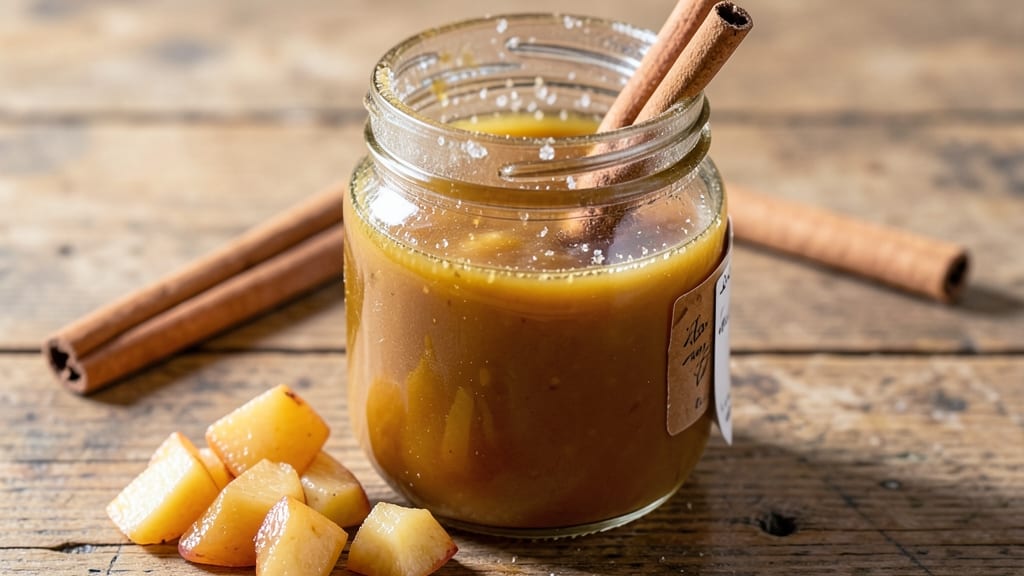
This crab apple sauce canning recipe transforms tart crab apples into a versatile, no-sugar-added preserve that captures autumn's bright flavors in every jar. The secret lies in balancing natural acidity with pectin—no artificial sweeteners needed—while ensuring safe, long-lasting preservation through proper sterilization techniques.
I developed this method after years of experimenting with small-batch preserves, perfecting the balance between tangy sharpness and subtle sweetness that makes crab apples so special.
The process begins with carefully selected crab apples—too tart for fresh eating but perfect for preserving their unique character. We'll use a water bath canning method that maintains the sauce's vibrant color and texture while extending shelf life to 12 months in cool, dark storage.
Sterilizing jars and lids properly is non-negotiable for safety, and I'll walk you through each step to ensure your preserves stay fresh and safe to enjoy long after harvest season ends.
What you'll end up with is a tart-sweet sauce with a velvety consistency that's ideal for drizzling over meats, mixing into dressings, or pairing with cheeses. The natural pectin from the apples creates a set that's firm enough to hold its shape when spooned but still spreads beautifully.
This recipe yields about 7 half-pint jars, making it perfect for gifting or building your pantry for winter months when fresh crab apples are nowhere to be found.
Whether you're a seasoned canner or new to preserving, this method delivers professional results with simple techniques. The key is patience—allowing the sauce to simmer just until it reaches the proper gel stage ensures perfect texture every time.
Let's get started on creating preserves that will taste like autumn all year long.
Ingredients for crab apple sauce canning
Tart crab apples, natural pectin, and a touch of cinnamon transform into velvety preserves perfect for gifting or pantry-building.
| Ingredient | Amount | Notes |
|---|---|---|
| Crab Apples 🍎 | 4 lbs | Tart variety, peeled and cored |
| Lemon Juice 🍋 | ½ cup | Freshly squeezed, for acidity |
| Granulated Pectin 🍯 | 1 package | Ball or Sure-Jell brand, 1.75 oz |
| Granulated Sugar 🍚 | 1 ½ cups | Light brown preferred for depth |
| Cinnamon Sticks 🌿 | 3 whole | For subtle warmth, removed before jarring |
| Water 💧 | 4 cups | For processing and sauce base |
| Half-Pint Mason Jars 🥫 | 7 jars | With two-piece metal lids |
| Canning Salt 🧂 | ½ tsp | Diamond Crystal preferred |
The crab apples are the heart of this preserve—look for deep red or yellow varieties at local orchards or farm stands in fall. They're often sold in bulk bins, which saves money and ensures you get the tartest fruit. Ball or Sure-Jell pectin is essential for proper gelling; don't substitute with homemade pectin substitutes unless you're experienced. For cinnamon, stick form infuses flavor better than ground, and you can remove them before jarring. If you can't find crab apples fresh, frozen works in a pinch—just thaw and drain them well before cooking.
No lemon juice? Pomegranate molasses at half the amount adds depth while maintaining acidity. Running low on sugar? Substitute with apple juice concentrate (reduce by half) for a slightly less sweet preserve. Want more spice? Add 1/4 tsp ground cloves or star anise with the cinnamon sticks. The jars must be sterilized—use a canner or dishwasher cycle—never reuse lids from previous batches. If you're short on jars, half-pint size yields about 7, but pint jars will make 4 with thicker sauce.
Once canned, these preserves keep for 12 months in a cool, dark pantry. Label jars with the date—canning tape and marker work best. The sauce thickens further as it ages, so start with slightly looser consistency if you prefer spreadable texture. For gifting, tie a ribbon around the lid and include a handwritten note about harvest season. Leftovers? Refrigerate for up to 3 months—perfect for quick drizzling on pancakes or cheese boards.
Why You'll Love This Recipe
- No-Fuss Canning: I swear by this recipe because it’s basically set-it-and-forget-it. You chop the crab apples (no peeling!), toss them in a pot with lemon juice and cinnamon sticks, and let the pectin do its magic—no fancy techniques, just 20 minutes of hands-off simmering.
- Tangy-Sweet Magic: That bright lemon juice cutting through the natural tartness of crab apples? Chef’s kiss. The cinnamon sticks infuse just enough warmth, and the sugar balances it all into something so good it’ll make you want to can a whole batch—even if you don’t need it.
- Year-Round Pantry Hero: This sauce isn’t just for Thanksgiving pies. Slather it on toast with cream cheese, stir it into oatmeal, or drizzle it over yogurt—it’s the kind of thing that turns boring meals into something special. And once you’ve got jars lined up? You’re golden for holidays, gifts, or lazy Sundays.
- Budget-Friendly Bounty: Crab apples grow wild in many places—free, if you know where to look. A few pounds stretch into gallons of sauce, and the ingredients cost pennies. Plus, canned for a year means no last-minute store runs when inspiration (or a craving) strikes. Smart, simple, and satisfying.
Step-by-step instructions for crab apple sauce canning
Here's how to transform tart crab apples into luscious, naturally sweet preserves that capture autumn's essence.
Prepare the Crab Apples and Cinnamon Infusion
Start by peeling and coring the 4 lbs of crab apples, cutting them into ¼-inch chunks for even cooking. Place the chopped apples in a large, heavy-bottomed pot with the 3 whole cinnamon sticks and 4 cups of water. Bring to a boil over medium-high heat, then immediately reduce to medium-low heat and simmer uncovered for 20-25 minutes until the apples are completely tender and the mixture reduces by about ⅓. You'll know it's ready when the apples break down easily with a fork and the liquid takes on a rich, golden hue.
Here's the thing—don't skip the cinnamon sticks during cooking. They infuse subtle warmth that enhances the tart-sweet balance. After simmering, carefully remove and discard the cinnamon sticks using tongs, then let the apple mixture cool to room temperature before proceeding. This cooling step is crucial as it prevents the pectin from activating too early, which could affect the final texture.
Strain and Measure for Pectin Activation
Line a fine-mesh strainer with cheesecloth or a clean kitchen towel and place it over a large bowl. Pour the cooled apple mixture through the strainer, pressing gently with a wooden spoon to extract as much liquid as possible. You should yield about 3 cups of strained apple liquid—this is your sauce base. Discard the solid apple pulp or save it for homemade apple butter if desired.
While the liquid cools further to room temperature, measure out 0.5 cup of lemon juice and 1.5 cups of granulated sugar into a separate bowl. The lemon juice is essential for both acidity and natural preservation, while the sugar balances the tartness. I always use light brown sugar here because its molasses content adds depth that white sugar can't match. Let the lemon juice sit at room temperature as well—cold ingredients can interfere with pectin activation.
Activate the Pectin and Combine Ingredients
In a separate saucepan, combine the 3 cups of strained apple liquid with the 1 package of granulated pectin. Bring this mixture to a full rolling boil over high heat, stirring constantly with a wooden spoon. Boil vigorously for exactly 1 minute—this is critical for proper pectin activation. You'll notice the mixture thicken slightly as it boils, but don't be tempted to taste it yet. The pectin needs this precise boiling time to work effectively.
Immediately remove the pan from heat and quickly whisk in the 0.5 cup of lemon juice and 1.5 cups of granulated sugar along with the 0.5 teaspoon of canning salt. The mixture will bubble furiously as it thickens—this is normal. Stir continuously for 5 minutes until the sauce reaches a full gel consistency. To test, place a small amount on a chilled plate and run your finger through it. If the sauce holds its shape without dripping, it's ready. If it's too thin, return the pan to low heat and simmer for another 1-2 minutes.
Fill and Process the Mason Jars
Ladle the hot crab apple sauce into the 7 half-pint mason jars, filling each to within ¼ inch of the rim. Use a funnel if needed to prevent spills. Tap the jars gently on the counter to remove any air bubbles trapped near the rim. Wipe the jar rims with a clean, damp cloth to ensure a perfect seal, then place the lids on finger-tight.
Process the jars in a boiling water bath for 15 minutes from the time the water returns to a full rolling boil. Use a jar lifter to lower and raise the jars to avoid burning yourself. The water should cover the jars by at least 1 inch. After processing, remove the jars and let them cool undisturbed for 12-24 hours. You'll hear the satisfying "ping" as the lids seal. If any jars don't seal, refrigerate and use within 1 week or reprocess.
Store and Enjoy Your Preserves
Once fully cooled, check that all lids have sealed by pressing down on the center of each lid—it shouldn't pop up. Store the sealed jars in a cool, dark place where they'll keep for up to 1 year. The sauce will continue to thicken slightly as it ages, developing even more complex flavors. When ready to use, simply open a jar and spread this tart-sweet crab apple sauce on toast, mix it into yogurt, or use it as a glaze for roasted meats.
Here's where it gets fun—this sauce pairs beautifully with sharp cheeses like aged cheddar or goat cheese. The natural tartness cuts through rich flavors perfectly. And don't be afraid to experiment: try adding a pinch of ground cloves or nutmeg to the sauce before processing for a spiced variation. The possibilities are endless once you've mastered this basic recipe.
Pro Tips For Making Crab Apple Sauce Canning
- PRE-CUT APPLES UNIFORM: DESCRIPTION: Quarter them all the same size—no bigger than 1-inch chunks. I learned this the hard way after pulling out mushy, undercooked bits from the middle of jars. A sharp knife and steady hand make all the difference, even if it takes a few extra minutes.
- BOIL LEMON JUICE FIRST: DESCRIPTION: Heat the lemon juice to a full rolling boil before adding it to the apples. This kicks off the pectin activation faster and cuts down on processing time later. Skip this, and you’ll be staring at a watery, half-set sauce wondering what went wrong.
- SKIP THE OVERFILLING: DESCRIPTION: Leave a full ½-inch headspace in each jar—no excuses. Crab apples release more liquid than you think, and overfilling guarantees messy, seal-failing jars. Trust me, the extra 10 seconds of tapping the jar to settle the sauce is worth it.
- BARELY SIMMER THE CINNAMON: DESCRIPTION: Add cinnamon sticks after the sauce has thickened, then let it sit just 2–3 minutes—no more. Over-steeping turns the sauce bitter, and you don’t want your jars tasting like a spice cabinet. Remove them cleanly with tongs before canning.
Creative variations of this recipe
Spiced Winter Twist
Add 1 tsp ground allspice or ½ tsp freshly grated nutmeg to the cinnamon sticks during the initial simmer for a cozy winter variation. These spices deepen the sauce's warmth, making it perfect for holiday gifts or pairing with roasted pork.
I've found that ½ tsp cardamom (lightly toasted) adds an unexpected but delightful complexity—just crush the pods before adding to the apples. 🌟
Herbal-Infused Version
For a sophisticated twist, steep 2 sprigs fresh rosemary or 1 bay leaf with the cinnamon sticks during cooking. Remove them before straining, but their aromatic oils will linger in the sauce.
This version pairs beautifully with goat cheese or grilled lamb. If you love herbal notes, try 1 tbsp fresh thyme leaves—they add a bright, earthy contrast to the tart-sweet balance.
Sweetened with Honey
Replace the granulated sugar with 1 cup raw honey (like local clover or wildflower) to create a naturally sweetened variation. Reduce the lemon juice to ¼ cup to maintain proper acidity. The honey adds floral notes and a smoother texture, though the sauce will be slightly less firm.
This version is ideal for drizzling over pancakes or yogurt—just remember that honey doesn't provide the same preservation benefits as sugar, so use within 6 months of canning.
Gingered Heat Boost
For a spicy kick, add 1 tbsp freshly grated ginger (about 1 small knob) to the initial apple simmer. The ginger's sharp brightness complements the crab apples beautifully. For extra heat, stir in ½ tsp cayenne pepper during the final 5 minutes of sauce thickening.
This version works wonderfully as a glaze for grilled chicken or as a condiment for Asian-inspired dishes. 🌶️
Citrus Brightener
Boost the citrus notes by adding 1 tbsp finely grated orange zest along with the lemon juice. The orange's sweetness enhances the crab apples' tartness while adding a cheerful brightness. For a more intense flavor, add 1 tbsp fresh orange juice to the lemon juice measurement.
This variation is perfect for spring and summer when you want to evoke brighter, fresher flavors.
Smoky Maple Variation
Create a fall-inspired twist by adding 1 tbsp pure maple syrup (like Vermont grade A) along with the sugar. For a smoky depth, steep 1 smoked cinnamon stick (available at specialty spice shops) during the initial simmer.
This version has a complex, almost BBQ-like quality that pairs exceptionally well with smoked meats or sharp cheeses. The maple adds subtle sweetness while keeping the sauce's natural tartness intact. 🍁
Nutrition facts
Frequently asked questions
Can I use regular apples instead of crab apples for this recipe?
While you can substitute regular apples, the result won't be the same. Crab apples are much more tart and concentrated, which creates that signature tangy-sweet balance. If you must use regular apples, choose tart varieties like Granny Smith and reduce the sugar to 1 cup instead of 1.5 cups—the sauce will be less sweet but still delicious.
How do I know if my crab apple sauce is properly sealed?
After cooling for 12-24 hours, press down on the center of each lid. If it doesn't pop up, the jar is sealed. Also check for a slight concave lid—if it's convex or springs back when pressed, the seal failed. Unsealed jars should be refrigerated and used within 1 week or reprocessed.
What if my sauce didn't thicken properly?
If the sauce is too thin, return it to a boil and simmer for another 1-2 minutes, stirring constantly. For future batches, ensure you're using the right ratio of pectin to liquid (1 package per 3 cups) and that all ingredients are at room temperature before combining. Overfilling jars can also prevent proper sealing.
Can I make this sauce without a pressure canner?
Yes! This recipe uses a boiling water bath method, which is perfect for high-acid foods like crab apple sauce. No pressure canner is needed. Just ensure your jars are properly sterilized and process them for 15 minutes in boiling water. The acidity from the lemon juice makes this a safe, no-pressure canning recipe.
How should I store unsealed jars?
Unsealed jars should be refrigerated immediately and used within 1 week. The sauce will keep in the fridge for up to 3 months if unopened. For longer storage, freeze the sauce in airtight containers for up to 6 months. Always check for proper sealing before storing long-term.