
Salads
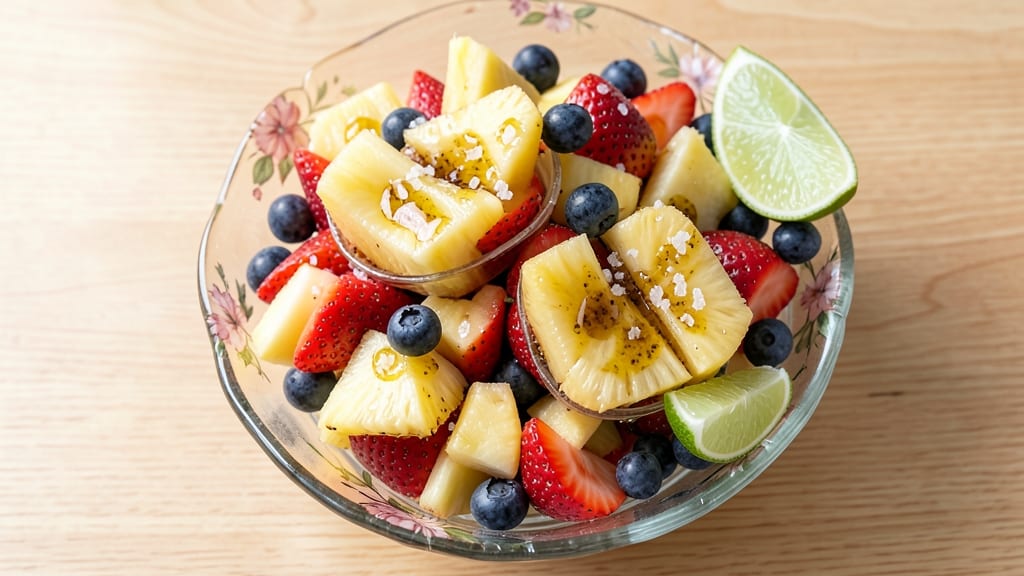
This fresh pineapple fruit salad recipe transforms simple ingredients into a vibrant, tropical masterpiece that brightens any table. The secret lies in balancing sweet pineapple with zesty lime and crisp textures that keep every bite exciting.
I developed this recipe after years of perfecting the art of fruit salads—where freshness meets bold flavor without overpowering sweetness.
The star of this dish is ripe pineapple, cut into bite-sized chunks for perfect balance between juicy sweetness and crisp edges. A light lime dressing ties everything together, adding brightness that cuts through the natural sugars while keeping the salad refreshing.
The key technique? Chilling the fruit for 30 minutes before serving—this ensures the pineapple stays crisp and the dressing clings beautifully to each piece.
What you'll end up with is a salad that's as visually stunning as it is delicious—golden pineapple against jewel-toned berries, all glistening with a tangy dressing. The textures play perfectly: juicy pineapple, tender berries, and optional crunch from toasted coconut or mint leaves.
This isn't just a side dish; it's a centerpiece that transforms any meal into a tropical escape.
Perfect for summer gatherings, brunch spreads, or as a refreshing palate cleanser before a main course. The recipe scales easily for crowds, and the dressing can be adjusted to suit sweet or tart preferences. Let's create this vibrant, foolproof fruit salad that always impresses.
Ingredients for fresh pineapple fruit salad
Ripe pineapple, jewel-toned berries, and zesty lime create this tropical masterpiece that brightens any table.
| Ingredient | Amount | Notes |
|---|---|---|
| Fresh Pineapple 🍍 | 2 cups | Ripe, cut into 1-inch chunks |
| Fresh Strawberries 🍓 | 1 lb | Hulled, quartered |
| Blueberries 🫐 | ½ cup | Fresh or frozen, thawed |
| Fresh Lime Juice 🍋 | ¼ cup | Freshly squeezed, strained |
| Honey 🍯 | 2 tbsp | Wildflower preferred |
| Extra-Virgin Olive Oil 🫒 | 2 tbsp | Light, fruity variety |
| Fresh Mint Leaves 🌿 | ¼ cup | Finely chopped, optional |
| Toasted Unsweetened Coconut Flakes 🥥 | ¼ cup | For crunch, optional |
| Diamond Crystal Kosher Salt 🧂 | ¼ tsp | Fine grain preferred |
| Freshly Ground Black Pepper 🌶️ | ⅛ tsp | For subtle seasoning |
| Fresh Orange Segments 🍊 | ½ cup | Peeled, segmented |
| Raspberries 🍇 | ½ cup | Fresh or frozen, thawed |
The pineapple is non-negotiable—look for vibrant yellow flesh with a sweet aroma near the base, not the crown. Costco or Whole Foods often carry pre-cut pineapple that's already ripe, but if buying whole, select one that yields slightly when pressed. Strawberries should be firm with green stems, while blueberries and raspberries can be frozen for cost savings—just thaw and drain excess moisture. The lime juice is critical for brightness; use Mexican limes if available for extra tang. For the dressing, local honey adds depth, but any wildflower variety works. Toast the coconut flakes in a dry pan for 2-3 minutes until golden for maximum crunch.
No fresh mint? Fresh basil or cilantro work in a pinch, though the flavor profile shifts slightly. Short on berries? Kiwi or mango chunks add tropical notes, but adjust the dressing ratio—more lime if using kiwi, more honey for mango. The orange segments can be swapped for grapefruit if you prefer a sharper contrast. For a lighter dressing, reduce honey by 1 tbsp and add 1 tsp vanilla extract. If using frozen berries, pat them completely dry before tossing with dressing to prevent a watery salad. The coconut flakes can be omitted entirely if avoiding nuts, but the texture contrast is worth the effort.
Prep the fruit 30 minutes ahead and refrigerate uncovered to prevent sogginess. The dressing can be made up to 2 days in advance and stored in an airtight container. For crowd servings, multiply the dressing by 1.5x—the fruit absorbs more when mixed in bulk. This salad keeps 3-4 days in the fridge, though the pineapple softens after day 2. Portion into individual containers for easy grab-and-go servings. The dressing clings best when the fruit is cold, so serve chilled for optimal texture.
Why You'll Love This Recipe
- No-Cook Magic: I swear by this one—just chop, toss, and boom, it’s ready. No stove, no oven, no waiting. The pineapple’s sweetness softens the strawberries perfectly, and the blueberries add that little pop of tartness without extra work.
- Tropical Brightness: That honey-lime dressing? It’s the secret weapon. The lime cuts through the pineapple’s natural tang, while the honey rounds it out—like sunshine in a bowl. Honestly, I’ve never met a fruit salad that balances sweet, tart, and juicy this well.
- Lunchbox Hero: Pack it for work, school, or a picnic—it stays fresh for days. The pineapple keeps its shape, the strawberries don’t get mushy, and the blueberries? They’re the perfect bite-sized treat. My kids actually finish their lunches when this is in there.
- Budget-Friendly Luxury: You’re getting four ingredients that feel fancy but won’t break the bank. A single pineapple lasts for weeks of salads, and the rest are pantry staples. Plus, leftovers? They’re just as good the next day—no sad, wilted fruit here.
Step-by-step instructions for tropical fruit salad assembly
This method balances vibrant flavors and textures for a refreshing, restaurant-quality fruit salad.
Prepare the Fruit Components
Begin by cutting the 2 cups of fresh pineapple into 1-inch chunks—this size ensures even distribution and easy eating. Remove the stems and hull from the 1 lb of fresh strawberries, then quarter them to create bite-sized pieces. For the 0.5 cup of blueberries, if using frozen, thaw them completely first to prevent water dilution later.
Peel the 0.5 cup of fresh orange segments carefully, removing all white pith, then segment them into individual pieces. For the 0.5 cup of raspberries, gently rinse them if using frozen and pat them dry to maintain their delicate texture. Work quickly to prevent bruising—especially with the strawberries and raspberries—which can turn the salad mushy.
Create the Zesty Lime Dressing
In a small bowl, whisk together the 0.25 cup of fresh lime juice, 2 tablespoons of honey, and 2 tablespoons of extra-virgin olive oil until fully combined. The honey should dissolve completely, creating a smooth, glossy dressing. Add the 0.25 cup of finely chopped fresh mint leaves and stir gently to incorporate without crushing them.
Season with 0.25 teaspoon of Diamond Crystal kosher salt and 0.125 teaspoon of freshly ground black pepper—the salt enhances the fruit's natural sweetness while the pepper adds an unexpected depth. Taste the dressing and adjust the honey-to-lime ratio if needed; you want a balance where the acidity brightens but doesn't overpower the fruit's sweetness.
Assemble the Fruit Salad
In a large mixing bowl, combine all the prepared fruit: the pineapple chunks, strawberry quarters, blueberries, orange segments, and raspberries. Gently toss everything together with a silicone spatula, being careful not to crush the berries. The goal is to distribute the fruit evenly while preserving their individual textures.
Drizzle the lime dressing over the fruit and toss again, coating each piece lightly. Add the 0.25 cup of toasted unsweetened coconut flakes last and fold them in just before serving to maintain their crisp texture. If making ahead, hold off on adding the coconut until serving to prevent sogginess.
Chill and Serve for Optimal Texture
Cover the bowl and refrigerate the salad for at least 30 minutes before serving. This chilling time allows the flavors to meld and the dressing to penetrate the fruit evenly. The strawberries and raspberries will firm up slightly, while the pineapple and orange will retain their juiciness without becoming watery.
Serve the salad immediately after chilling, garnished with an additional sprinkle of toasted coconut flakes and a few mint leaves for visual appeal. The contrast of creamy coconut, tart lime, and sweet tropical fruit creates a harmonious balance that's perfect for warm weather gatherings or as a refreshing palate cleanser.
Pro Tips For Making Fresh Pineapple Fruit Salad
- CUT PINEAPPLE SMALLER THAN YOU THINK: I learned this the hard way—big chunks of pineapple look pretty but get mushy fast. Dice it into ½-inch cubes or smaller so every bite stays crisp and the lime juice can coat each piece evenly. Trust me, no one will notice the extra effort.
- TOSS STRAWBERRIES LAST: Strawberries soften faster than pineapple and blueberries. Keep them whole until the very end, then gently fold them in just before serving. If you’re prepping ahead, hull and slice them but store them separately in a sealed container—this keeps them from turning gray and sad.
- USE CHILLED LIME JUICE: Warm lime juice mutes the bright acidity and makes the salad taste dull. Pop the lime halves in the freezer for 10 minutes before juicing, or pour the juice into an ice bath for 5 minutes. The cold juice sharpens the flavors and keeps the pineapple from releasing too much juice too soon.
- DRIZZLE HONEY IN STREAMS: Pouring honey all at once makes the salad cloying and heavy. Instead, drizzle it in thin, zigzag lines over the top—this lets the natural sweetness of the fruit shine while giving each bite a balanced burst. A tablespoon is plenty; you’re not making dessert here.
Dietary considerations for fresh pineapple fruit salad
Vegan-Friendly Adaptations
This salad is naturally vegan as written, but I often adjust it for extra richness. Swap honey for agave nectar or maple syrup—both mimic the viscosity and sweetness perfectly. For a deeper flavor, add 1 tsp vanilla extract to the dressing.
The coconut flakes are already plant-based, but if you want extra protein, fold in ¼ cup toasted pumpkin seeds or hemp hearts for crunch and nutrition. 🌱
Gluten-Free Considerations
All ingredients in this recipe are inherently gluten-free, but always double-check labels on honey and olive oil—some brands process them in facilities with gluten. The toasted coconut flakes should be certified gluten-free if you're highly sensitive.
For extra caution, use a separate cutting board and knife when prepping the fruit to avoid cross-contamination with gluten-containing ingredients. The dressing is safe as-is, but if you're using store-bought lime juice, verify it's gluten-free.
Low-Sugar Options
To reduce sugar content, cut the honey to 1 tablespoon and add 1 teaspoon of liquid stevia or monk fruit sweetener for a zero-calorie alternative. The natural sweetness of the fruit will still shine through.
If you prefer a sugar-free dressing entirely, use ½ cup water mixed with 1 tablespoon lime juice and ½ teaspoon vanilla extract—it’s lighter but still brightens the fruit beautifully.
For the fruit itself, opt for firm, slightly underripe pineapple (it’s less sweet) and tart berries like gooseberries instead of strawberries. 🍓
Allergen-Free Adjustments
For nut-free versions, skip the coconut flakes entirely and use crispy chickpea snacks or toasted sunflower seeds for crunch.
If someone has a citrus allergy, replace the lime dressing with a coconut yogurt base—mix ¼ cup coconut yogurt with 1 tbsp honey, 1 tsp vanilla, and a pinch of salt. For dairy-free concerns, ensure all ingredients (like honey) are processed in dairy-free facilities.
Always ask guests about specific allergies before serving—this salad is versatile enough to accommodate most dietary needs with small tweaks. 💛
Kid-Friendly Modifications
Kids often prefer milder flavors, so reduce the lime juice to 2 tablespoons and add an extra 1 tablespoon of honey to the dressing. Cut the pineapple into smaller, bite-sized cubes (½-inch) for easier eating.
Let them assemble their own bowls with fun toppings like mini marshmallows (for a sweet twist) or crushed graham crackers for crunch. Serve with a fun name like "Tropical Treasure Salad" to make it more appealing. The mint leaves can be omitted if they’re too strong for little palates. 🧒
Nutrition facts
Frequently asked questions
Can I use canned pineapple instead of fresh?
Fresh pineapple is ideal for this salad because it provides the best texture—juicy yet firm. Canned pineapple works in a pinch, but drain it well and pat it dry to remove excess syrup, which can make the salad soggy. For the best results, use pineapple chunks packed in water rather than juice, and consider adding an extra 1 teaspoon of lime juice to balance the flavors.
How do I know when pineapple is ripe?
Look for pineapple with a vibrant yellow color and a sweet, tropical aroma near the base (not the crown). Gently press the sides—ripe pineapple should yield slightly but not feel mushy. The leaves should be green and slightly dry at the tips, not brown or wilted. Avoid pineapple with bruises or soft spots, as these indicate overripeness.
Can I make this salad ahead of time?
Yes, but assemble the fruit and dressing separately up to 2 days in advance. Store the fruit in an airtight container in the fridge, uncovered for 30 minutes before serving to prevent sogginess. Keep the dressing in a separate container and toss the fruit with it just before serving. Add the coconut flakes last to maintain their crispness.
What if I don’t have mint leaves?
No problem! Swap mint for fresh basil, cilantro, or even a pinch of dried mint (use half the amount). For a citrusy twist, add a few drops of orange blossom water to the dressing. If you prefer a simpler approach, omit the herb entirely—the lime dressing still shines on its own.
How do I prevent the salad from getting watery?
Pat all fruit dry with a paper towel before assembling, especially berries and pineapple. Avoid overmixing after adding the dressing, and chill the salad uncovered for 30 minutes before serving to let excess moisture evaporate. If using frozen berries, thaw and drain them thoroughly. For extra insurance, add the coconut flakes right before serving to absorb any lingering liquid.