
Sauces & Condiments
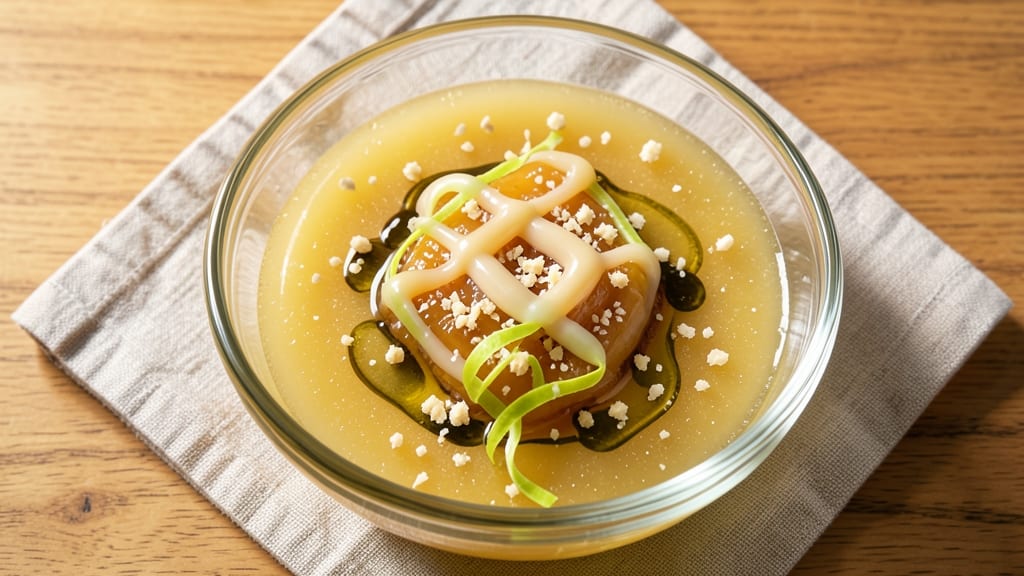
This fresh pineapple salad dressing transforms simple greens into a vibrant, tropical masterpiece with just five ingredients and 10 minutes of prep time.
The natural sweetness of pineapple pairs perfectly with tangy lime and zesty garlic, creating a dressing that brightens any dish while adding a refreshing contrast to rich flavors. It’s the kind of dressing that makes summer salads feel like a vacation in every bite.
The secret lies in balancing sweet and acidic components—fresh pineapple juice provides that signature tropical sweetness, while lime juice cuts through it with a sharp brightness.
A touch of honey or agave balances the tartness, and a blend of olive oil and Dijon mustard creates an emulsified texture that clings beautifully to greens, proteins, or grains. This isn’t just a dressing; it’s a flavor enhancer that elevates everything it touches.
What you’ll end up with is a dressing so versatile it works as a marinade for grilled chicken or shrimp, a drizzle for ceviche, or a zesty addition to coleslaw. The texture is silky yet light, with just enough body to coat ingredients without weighing them down.
It stays fresh in the fridge for up to a week, making it perfect for meal prep or spontaneous entertaining.
Pair it with mixed greens, grilled fish, or even as a glaze for roasted vegetables—this dressing proves tropical flavors don’t have to be complicated. Let’s make it.
Ingredients for fresh pineapple salad dressing
Five vibrant ingredients balance tropical sweetness with tangy brightness for a dressing that elevates any salad.
| Ingredient | Amount | Notes |
|---|---|---|
| Fresh Pineapple Juice 🍍 | ¾ cup | Freshly extracted from ripe pineapple |
| Fresh Lime Juice 🍋 | 0.3 cup | Strained, seeds removed |
| Extra-Virgin Olive Oil 🫒 | ½ cup | Light and fruity preferred |
| Dijon Mustard 🍯 | 1 tbsp | Mild or strong variety |
| Honey or Agave Nectar 🍯 | 2 tbsp | Adjust to taste for sweetness |
| Garlic Cloves 🧄 | 2 cloves | Minced for subtle garlic flavor |
| Salt 🧂 | ½ tsp | Kosher or sea salt |
| Black Pepper 🌶️ | ¼ tsp | Freshly ground preferred |
The pineapple juice is the heart of this dressing—choose fully ripe pineapples with golden flesh for maximum sweetness. Whole Foods or Latin markets often carry the juiciest varieties, but any ripe pineapple from your grocery store works. Lime juice should be freshly squeezed (the Key Lime brand at Trader Joe's is my go-to for consistent quality), and don't skip straining it—seeds make the dressing gritty. For the garlic, I always use two cloves—just enough to add depth without overpowering the tropical flavors. The olive oil matters too; a light, fruity variety keeps the dressing from tasting heavy.
No fresh pineapple juice? Canned pineapple juice works in a pinch (Dole brand is reliable), but it lacks the freshness. Short on lime juice? Substitute lemon juice at the same amount, though it’ll be slightly less tart. Dijon mustard can be swapped for whole-grain mustard if you prefer a nuttier flavor. For vegans, use agave nectar instead of honey—it mimics the sweetness perfectly. The garlic can be omitted if you dislike it, but I recommend keeping it for that subtle zing. If the dressing separates, just whisk it vigorously or add a splash more olive oil to re-emulsify.
Store this dressing in an airtight jar in the fridge for up to 1 week, though it’s best used within 5 days. The flavors actually deepen over time, making it perfect for meal prep. For longer storage, freeze in ice cube trays and transfer to a bag—3 months in the freezer is no problem. When using, shake or whisk before each application to maintain that silky texture. It pairs beautifully with grilled shrimp, mixed greens, or even as a marinade for chicken—just don’t overcook the protein, or the dressing’s delicate balance will fade.
Why You'll Love This Recipe
- Here’s what sold me: the way the honey or agave nectar melts into the tartness of lime and Dijon mustard, while the pineapple juice keeps it lively—not cloying, not heavy. It’s the kind of dressing that makes a simple salad feel like a vacation, and it’s ready in minutes.
- No Blender Needed: I’ll be honest—this dressing comes together with a whisk and a bowl. No pulsing, no straining, just a few quick stirs. That fresh pineapple juice’s natural sweetness and the zing of lime cut through the richness of the olive oil instantly, so you’re not stuck waiting for anything.
- Tropical Brightness: Here’s what sold me: the way the honey or agave nectar melts into the tartness of lime and Dijon mustard, while the pineapple juice keeps it lively—not cloying, not heavy. It’s the kind of dressing that makes a simple salad feel like a vacation, and it’s ready in minutes.
- Perfect for Everything: Between us, this dressing works on grilled chicken, fish tacos, or even drizzled over roasted sweet potatoes. I’ve used it as a marinade, a dip, and a finishing touch—it’s that adaptable. Honestly, I keep a jar in the fridge for those days when I don’t want to think too hard about what to eat.
Step-by-step instructions for fresh pineapple salad dressing
This vibrant dressing comes together in minutes with simple techniques that preserve the natural sweetness and acidity.
Whisk Together the Citrus Juices
In a medium bowl, combine the 0.75 cup fresh pineapple juice and 0.3 cup fresh lime juice. The pineapple juice should be freshly extracted from ripe fruit—this ensures maximum flavor and natural sweetness. If using bottled pineapple juice, choose 100% pure with no added sugars to maintain balance.
Use a whisk to blend the juices thoroughly, breaking down any pulp that might be present. This step is crucial for creating a smooth, cohesive dressing. The citrus combination will form the bright, tangy foundation of your dressing, cutting through rich ingredients like avocado or fatty greens while complementing sweet elements like mango or berries.
Add Sweetener and Mustard
To the citrus mixture, add the 2 tablespoons honey or agave nectar and 1 tablespoon Dijon mustard. The honey or agave should be liquid at room temperature—if using honey, warm it gently in a small bowl over hot water for 10-15 seconds to make it easier to mix. The Dijon mustard adds depth and a subtle tang that balances the sweetness.
Whisk vigorously for about 30 seconds until the honey is fully incorporated and the mixture becomes slightly thickened. This step ensures the sweetener and mustard are evenly distributed, preventing any clumps that could affect the dressing's texture. The mustard also helps to emulsify the dressing later, creating a stable, creamy consistency.
Incorporate the Olive Oil Gradually
With the whisk still in the bowl, slowly drizzle in the 0.5 cup extra-virgin olive oil while continuing to whisk. Adding the oil gradually is key—this prevents the dressing from separating and ensures a smooth, emulsified texture. Start by adding about 2 tablespoons at a time, whisking vigorously after each addition until the mixture begins to thicken slightly.
Continue whisking for an additional 1-2 minutes after all the oil is incorporated. The dressing should now have a creamy, slightly thick consistency, similar to vinaigrette. If it appears too thick, add 1-2 teaspoons of water and whisk again. If it's too thin, whisk in another 1 tablespoon of olive oil to achieve the perfect balance.
Season with Garlic, Salt, and Pepper
Add the 2 minced garlic cloves, 0.5 teaspoon salt, and 0.25 teaspoon black pepper to the bowl. The garlic should be finely minced to avoid any grainy texture in the dressing. Stir gently with a spoon to combine, ensuring the seasonings are evenly distributed. Taste the dressing at this stage—it should be bright, slightly sweet, and tangy with a hint of garlic.
Adjust the seasoning as needed. If the dressing tastes too sweet, add a splash more lime juice. If it needs more depth, add a pinch of salt or a tiny bit more garlic. The dressing should be well-balanced, with none of the flavors overpowering the others. This is the final opportunity to refine the flavor profile before using it.
Let It Rest and Shake Before Serving
Cover the bowl with plastic wrap and let the dressing rest for 10-15 minutes at room temperature. This brief resting period allows the flavors to meld together, creating a more cohesive and harmonious taste. It also gives the dressing time to thicken slightly, making it easier to drizzle over salads.
Before using, give the dressing a good shake or whisk one more time. This ensures any separation that might have occurred is re-emulsified, and the texture remains smooth and consistent. The dressing is now ready to elevate your salads, coleslaws, or even as a marinade for grilled meats. Its tropical brightness pairs beautifully with fresh greens, grilled vegetables, or even as a dip for fruit skewers.
Pro Tips For Making Fresh Pineapple Salad Dressing
- STRAIN THE JUICE WELL: Don’t just pour straight from the blender—pineapple pulp clogs and ruins texture. Use a fine-mesh sieve or cheesecloth, pressing gently with a spoon to extract every last drop. I learned this the hard way when my first batch had gritty bits that made the dressing taste unfinished.
- WHISK IN STAGES: Add the olive oil last, a drizzle at a time, while whisking vigorously. This emulsifies the dressing properly instead of ending up with a split layer. My grandmother swore by this, and she was right: the dressing stays silky, not oily or watery.
- MEASURE LIQUIDS ACCURATELY: Skip eyeballing the lime juice—too much and it’s tart, too little and it’s bland. Use a measuring cup for the lime juice and pineapple juice (about ¼ cup each), then adjust honey/agave to taste. I was skeptical until I tried it: consistency matters more than you’d think.
- SALT BEFORE SWEETENING: Add a pinch of salt (½ teaspoon) with the mustard—it balances the sweetness and brightens the flavors. Then adjust honey/agave to your taste. This isn’t the prettiest method, but it’s the tastiest, and it saves you from over-sweetening to compensate for flatness.
Creative variations of this dish
Tropical Fruit Fusion
Swap ½ cup of the pineapple juice for ½ cup fresh mango puree to create a richer, fruitier dressing. I love using ripe mangoes from Trader Joe’s or Whole Foods—blend them with a splash of water until smooth, then strain through a fine-mesh sieve.
This variation works beautifully with spicy dishes like Thai-inspired salads or grilled shrimp skewers. 🌴
Spicy Mango-Chili Twist
Add ½ teaspoon of Tajín seasoning or a pinch of chili powder to the finished dressing for a sweet-spicy kick. I also stir in ½ teaspoon of lime zest for extra brightness.
This version pairs perfectly with grilled chicken or fish tacos, adding a fiesta-worthy flavor punch. Trust me, the heat balances the sweetness in the most delicious way. 🌶️
Creamy Avocado Dressing
Blend ½ ripe avocado with the dressing ingredients for a luscious, creamy texture. Use a handheld immersion blender for a quick, silky result. This variation is perfect for hearty salads like black bean or kale—just add 1-2 tablespoons of water if it’s too thick.
The avocado adds a velvety richness that makes this dressing feel like a dessert. 🥑
Herb-Infused Variations
Stir in 1 tablespoon of fresh cilantro or mint for a herbaceous twist. I prefer cilantro with Mexican-inspired dishes, while mint brightens up summer salads. For an extra layer of flavor, add ½ teaspoon of grated ginger—it enhances the tropical notes beautifully.
These herbs add freshness that keeps the dressing vibrant for days. ✨
Nutty Crunch Add-Ins
For texture, fold in 1 tablespoon of toasted coconut flakes or chopped macadamia nuts just before serving. The nuts add a buttery crunch that contrasts perfectly with the smooth dressing.
I love this variation on tropical fruit salads or as a topping for grilled pineapple slices. It’s like a little flavor party in your mouth. 🥥
Protein-Packed Marinade
Use this dressing as a marinade for chicken, shrimp, or tofu—just add 1 tablespoon of soy sauce or coconut aminos for extra umami. Let the protein marinate for 30-60 minutes before grilling or baking.
The tropical flavors caramelize beautifully, creating a sticky, flavorful crust. It’s a game-changer for weeknight dinners. 🍗
Nutrition facts
Frequently asked questions
Can I use canned pineapple juice instead of fresh?
You can use canned pineapple juice in a pinch, but fresh is ideal for maximum flavor. Look for 100% pure canned juice with no added sugars—brands like Dole work well. The texture will be slightly less vibrant, but it still delivers that tropical sweetness. For best results, reduce the honey by 1 teaspoon since canned juice tends to be sweeter.
Why did my dressing separate?
Separation usually happens when oil and citrus aren't properly emulsified. Whisk vigorously when adding oil, or try blending the ingredients briefly for a smoother texture. If it separates later, just whisk or shake before using. For extra stability, add ½ teaspoon of xanthan gum when blending.
How long will this dressing keep in the fridge?
Store in an airtight jar for up to 1 week in the fridge. The flavors actually improve over time! For longer storage, freeze in ice cube trays—thaw overnight in the fridge before using. The texture may thin slightly when frozen, so whisk well before serving.
Can I make this dressing without honey?
Use agave nectar for a vegan option, or swap for maple syrup at the same amount. For a lighter touch, try 1 tablespoon of coconut sugar dissolved in warm water. The key is balancing sweetness with the tart citrus—start with slightly less and adjust to taste.
What's the best way to use leftover dressing?
This dressing works as a marinade for grilled shrimp or chicken—just add 1 tablespoon of soy sauce first. It also makes a fantastic dip for fresh fruit skewers or a glaze for roasted vegetables. For extra flair, drizzle over seared tuna or use as a sauce for sushi rolls.