
Sauces & Condiments
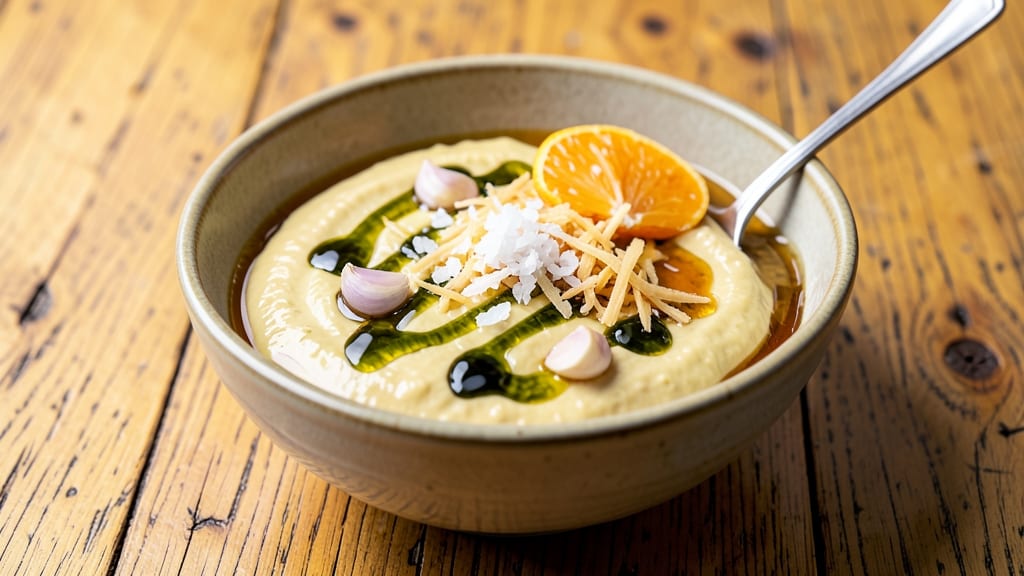
This garlic ginger apple cider vinegar honey recipe transforms simple pantry staples into a vibrant, tangy-sweet glaze that elevates roasted meats, grilled vegetables, and even salads. The balance of sharp apple cider vinegar, warm ginger, and honey creates a sauce that's both complex and effortless to make—no fancy techniques required.
I developed this after craving a glaze that could stand up to bold flavors without overpowering them, and it quickly became my go-to for weeknight dinners and special occasions alike.
The beauty of this recipe lies in its versatility and simplicity. With just five ingredients—fresh garlic, ginger, apple cider vinegar, honey, and a pinch of salt—you’ll achieve a sauce that’s rich in umami, bright with acidity, and perfectly sweet.
The key is simmering the mixture until it thickens slightly, which ensures it clings beautifully to meats and vegetables without being syrupy. This glaze works equally well as a marinade, a finishing sauce, or a dipping sauce for crispy fries or roasted Brussels sprouts.
What makes this recipe stand out is its ability to cut through rich, fatty dishes while adding depth to lighter ones. The garlic and ginger infuse the vinegar and honey with warmth, while the acidity keeps the flavors from becoming cloying.
Once you taste it, you’ll reach for this glaze time and time again—it’s the kind of sauce that turns ordinary meals into something special with minimal effort.
Store any leftovers in an airtight container in the refrigerator for up to one week, though I rarely have it last that long. It’s the perfect balance of sweet, tangy, and savory, and it pairs beautifully with everything from roasted chicken to grilled salmon.
Let’s get started—your taste buds will thank you.
Ingredients for garlic ginger apple cider vinegar honey
Five simple ingredients, one bold glaze that transforms everything it touches.
| Ingredient | Amount | Notes |
|---|---|---|
| Fresh Garlic Cloves 🧄 | 4 cloves | Minced for aromatic base |
| Fresh Ginger Root 🌿 | 2 tbsp | Finely grated, peeled |
| Apple Cider Vinegar 🍎 | ½ cup | Raw, unfiltered preferred |
| Raw Honey 🍯 | ½ cup | Light to medium variety |
| Sea Salt 🧂 | ½ tsp | Fine grain preferred |
| Extra-Virgin Olive Oil 🫒 | 1 tbsp | For glossy finish (optional) |
The garlic and ginger are your flavor anchors here. Fresh is non-negotiable—jarred minced garlic lacks the punch, and dried ginger tastes medicinal. I always grab organic ginger root from the produce section at Whole Foods or Trader Joe's for the best flavor. Look for plump, firm cloves with no green sprouts—those mean it's past its prime. The apple cider vinegar should be raw and unfiltered (like Bragg) for that tangy depth. Skip the seasoned versions—they're loaded with sugar and salt you don't need.
No fresh ginger? Powdered ginger at half the amount works in a pinch, but it won't have the same warmth. Substituting maple syrup for honey? Use 3/4 cup—it's less sweet. Running low on apple cider vinegar? White vinegar or lemon juice adds brightness, though it'll taste different. The olive oil is optional but worth it for that silky finish—California avocado oil works too if you prefer a neutral taste. Want more heat? Add a pinch of cayenne or a dash of red pepper flakes.
This glaze keeps beautifully—1 week in the fridge sealed in a jar. I always double the batch because it disappears fast. The texture thickens as it cools, so stir before using. Freezes for 3 months if you want to make a big batch. Pro tip: Brush on roasted meats in the last 10 minutes of cooking so the flavors really sing. Leftovers? Perfect for drizzling over yogurt bowls or tossing with sautéed greens.
Why You'll Love This Recipe
- Five-Ingredient Magic: I swear by this combo—just peel, slice, steep, and stir. No fancy tools, no stress, and zero cleanup beyond one jar.
- Zingy Warmth: That first sip? Pure brightness—ginger’s kick, garlic’s depth, honey’s smoothness—all balanced by the tangy vinegar. It’s like a hug for your taste buds.
- Dress Up Anything: Drizzle it over roasted veggies, toss it with greens, or use it as a marinade. Even my picky teenagers ask for seconds when I add it to their stir-fry.
- Pantry Goldmine: Apple cider vinegar and honey last forever, and garlic/ginger are cheap staples. Make a big batch—it’ll keep for weeks and save me from buying overpriced dressings.
Step-by-step instructions for garlic ginger apple cider vinegar honey glaze
This vibrant glaze comes together in minutes with just a few simple steps—perfect for elevating roasted meats.
Prepare the Aromatic Base
In a small saucepan, combine the 4 cloves fresh garlic cloves (minced) and 2 tablespoons fresh ginger root (finely grated). Let them sit for 5 minutes at room temperature to release their natural oils and intensify the flavor. This waiting period makes all the difference in building depth.
Add the ½ cup apple cider vinegar and bring the mixture to a gentle simmer over medium heat. Let it bubble away for 3-4 minutes until the garlic turns translucent and the ginger softens slightly. You'll notice the aroma filling your kitchen—this is where the magic starts.
Sweeten and Season
Reduce the heat to low and carefully stir in the ½ cup raw honey. The mixture will bubble vigorously at first, so keep the heat gentle to prevent splattering. Let it simmer for another 5-6 minutes until slightly thickened and reduced by about ¼ cup. You're looking for a syrupy consistency that coats the back of a spoon.
Add the ½ teaspoon sea salt and stir until completely dissolved. Taste the mixture—it should balance sweet, tangy, and slightly spicy notes. If you want extra richness, this is the moment to add the 1 tablespoon extra-virgin olive oil, which will give the glaze a beautiful sheen and help it cling better to meats.
Simmer to Perfection
Continue simmering on low heat for 8-10 minutes until the glaze reduces further and becomes glossy. You'll know it's ready when it coats a spoon smoothly and leaves a slight trail behind. The color should deepen to a rich amber hue, indicating proper caramelization of the honey.
For extra brightness, you can strain the mixture through a fine-mesh sieve to remove any garlic or ginger bits if you prefer a smoother texture. Return the glaze to the saucepan and keep it warm over very low heat until ready to use—this prevents it from setting up too much.
Apply to Roasted Meats
When your roasted meats are nearly done (about 15 minutes before they'd normally finish), brush them generously with the glaze. Start with 2-3 tablespoons per pound of meat, using a pastry brush for even coverage. The glaze should caramelize beautifully in the residual heat of the oven or grill.
For maximum flavor, broil the meats for 2-3 minutes after glazing to create a glossy, slightly crisp exterior. If you're serving immediately, the glaze will be warm and vibrant. For a restaurant-style presentation, let it cool slightly before serving—this allows the flavors to meld even more.
Pro Tips For Making Garlic Ginger Apple Cider Vinegar Honey
- PEEL GINGER FAST: Use a spoon to scoop off the skin in one solid strip—no peeling required. I learned this the hard way after trying to slice through ginger with a knife and ending up with a counter full of juice and frustration.
- MINCE GARLIC GRANULAR: Smash each clove with the flat side of your knife first, then finely chop—this breaks down the cells and releases more flavor. I used to just slice, and the garlic never felt as potent in the final mix.
- SIMMER LOW AND STEADY: Keep the heat at a gentle simmer (barely bubbling) for at least 10 minutes after combining everything. Rushing it leaves the honey raw and the garlic sharp; patience makes the difference.
- SALT THE VINEGAR FIRST: Dissolve the salt in the apple cider vinegar before adding honey and ginger—it blends smoother and prevents graininess. I skipped this once and ended up with a weird texture that took me hours to fix.
Troubleshooting this recipe
Glaze Too Thin?
If your glaze isn’t thickening enough, simmer it longer—up to 15 minutes total—on low heat. The honey and vinegar will naturally reduce as moisture evaporates. For faster results, add 1 teaspoon cornstarch mixed with 1 tablespoon water, stir in, and simmer 2-3 minutes until thickened.
Avoid high heat, which can make the glaze grainy. 🌡️
Garlic Overpowering?
Reduce the garlic to 3 cloves or remove it entirely after simmering. For a smoother texture, strain through a fine-mesh sieve before using. If you love garlic but want balance, add ½ teaspoon smoked paprika—it mellows the sharpness while adding depth. Taste as you go! 🧄
Glaze Too Sweet?
Balance excess sweetness by adding 1 extra tablespoon apple cider vinegar and simmering 2 minutes longer. For a tangier kick, stir in ½ teaspoon Dijon mustard or a pinch of ground black pepper. The acidity will cut through the honey beautifully. 🍎
Ginger Not Infusing?
Fresh ginger needs time to release its oils. Grating it finely (not chopping) and letting it sit in the vinegar for 5 minutes before heating maximizes flavor. If using powdered ginger, double the amount (to 4 teaspoons) and add it at the end to avoid bitterness. 🌿
Glaze Crystallizing?
If the glaze thickens too much and becomes grainy, gently reheat it in a saucepan with 1 tablespoon water over low heat, stirring constantly until smooth. Avoid microwaving—it can cause uneven heating and separation. Store properly in an airtight container to prevent future crystallization. ❄️
Oil Separating?
If the olive oil separates, reheat the glaze gently and whisk vigorously until emulsified. For a smoother finish, temper the oil by mixing it with 1 teaspoon honey before adding it to the saucepan. This helps bind the ingredients better. 🫒
Nutrition facts
Frequently asked questions
Can I use this glaze as a salad dressing?
Thin it with 1-2 tablespoons water or extra apple cider vinegar to create a light, tangy dressing. The garlic and ginger add wonderful depth to greens, while the honey balances the acidity. Start with 1 tablespoon per serving and adjust to taste.
How do I store leftovers to keep them fresh?
Transfer to an airtight container and refrigerate for up to 1 week. The glaze will thicken slightly when cold—just stir before using. For longer storage, freeze for 3 months in ice cube trays (perfect for portion control). Thaw overnight in the fridge before reheating gently.
What's the best way to use this on vegetables?
Toss roasted or grilled vegetables like Brussels sprouts, carrots, or asparagus with 1-2 tablespoons glaze in the last 5 minutes of cooking. For extra shine, drizzle with ½ teaspoon olive oil first. The acidity cuts through the sweetness of roasted veggies beautifully.
Can I make this without honey?
Yes! Substitute with ½ cup maple syrup (less sweet) or ¼ cup agave plus ¼ cup brown sugar for a deeper caramel flavor. The vinegar's acidity will still balance the sweetness, but expect slightly different texture—maple syrup thickens faster than honey.
Is this glaze safe for vegetarians/vegans?
Yes, but check your honey—some brands process with animal products. For vegan use, substitute honey with maple syrup or agave nectar. The recipe remains completely plant-based and free from animal derivatives. The flavor profile works perfectly for vegetarian dishes like portobello mushrooms or eggplant.