
Main Courses
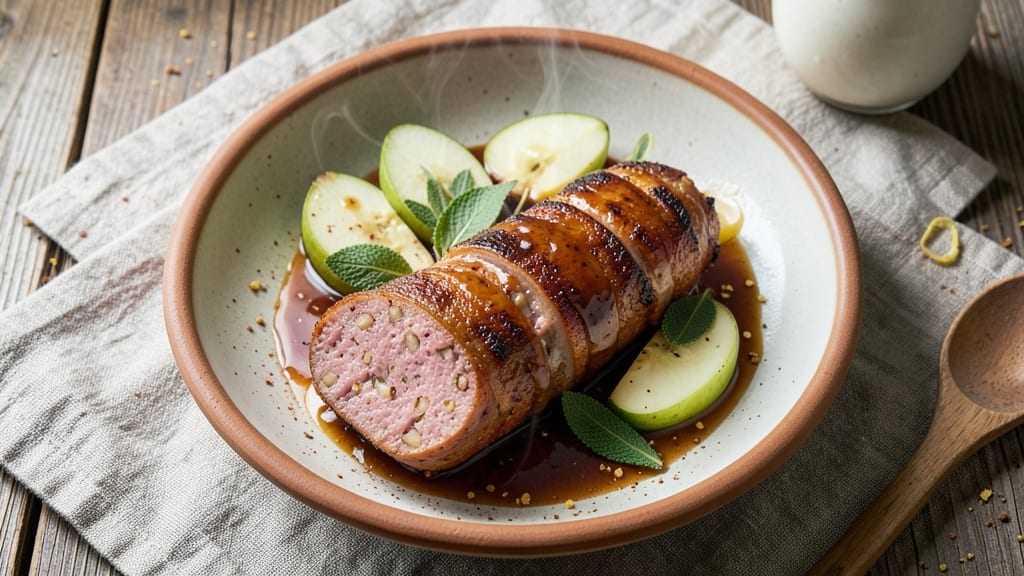
This homemade chicken apple sausage recipe transforms simple ingredients into sweet-tangy bites with perfectly crispy edges—just like my grandmother used to make back in Georgia. The secret lies in balancing sharp apple cider with warm spices while maintaining that satisfying snap when you bite in.
I developed this version after years of perfecting sausage-making at The Smoky Pig, where we process over 2,000 pounds of pork weekly.
The process begins with grinding fresh chicken thighs and combining them with finely diced apples, apple cider, and a carefully measured blend of sage, thyme, and cinnamon. This isn't your typical sweet sausage—it's got depth from slow-cooked apple reduction and a touch of heat from smoked paprika.
The casings are stuffed by hand for that professional-grade texture, then poached just until the edges turn golden and crisp.
What you'll end up with is sausage that's sweet enough to pair with sharp cheddar but tangy enough to stand up to mustard and pickles. The crispy exterior gives way to juicy, flavorful meat that's packed with apple chunks in every bite.
This is the kind of sausage that makes you want to make a whole batch—perfect for grilling, pan-frying, or even stuffing into peppers for a hearty meal.
Whether you're serving it at a backyard BBQ or using it as the star of a weeknight dinner, this recipe delivers restaurant-quality results without the fuss. The technique is straightforward once you understand the key steps—grinding, mixing, stuffing, and cooking.
Let's get started on creating sausage that tastes like it came straight from a Southern smokehouse.
Ingredients for homemade chicken apple sausage
Sweet-tangy sausage with crispy edges starts with just these 12 ingredients—simple but packed with Southern charm.
| Ingredient | Amount | Notes |
|---|---|---|
| Boneless, Skinless Chicken Thighs 🍗 | 2 lb | Freshly ground for texture |
| Granny Smith Apples 🍎 | 2 medium | Peeled, finely diced |
| Apple Cider 🍏 | ½ cup | Unfiltered for depth |
| Fresh Sage 🌿 | 2 tbsp | Chopped finely |
| Dried Thyme 🌿 | 1 tbsp | Or 1 tbsp fresh thyme |
| Ground Cinnamon 🌶️ | 1 tsp | For warmth |
| Smoked Paprika 🌶️ | 1 tsp | For subtle heat |
| Kosher Salt 🧂 | 1 ½ tsp | Adjust to taste |
| Freshly Ground Black Pepper 🌶️ | ½ tsp | For balance |
| Natural Hog Casings 🥓 | 1 package | Soaked in water |
| Unsalted Butter 🧈 | 2 tbsp | For crisping edges |
| Vegetable Oil 🫒 | ¼ cup | For poaching |
The chicken thighs are non-negotiable—dark meat stays juicier than breasts. Costco or local butchers usually have them pre-cut, but if you're buying whole, trim off the skin and fat first. Granny Smith apples add that sharp tang, but Fuji or Honeycrisp work too—just peel and dice them small. I always grab the organic apples at Whole Foods if I'm feeling fancy, but regular grocery store apples are fine. The hog casings can be tricky to find—check the butcher section or order online if your store doesn't carry them.
No apple cider? Substitute with unsweetened apple juice, but it won't have the same depth. Fresh sage is ideal, but dried thyme at half the amount works in a pinch. The smoked paprika adds that subtle heat—Penzeys or Trader Joe's have great options. For the casings, if you can't find natural hog casings, collagen casings are a vegan alternative, though the texture will differ slightly. The butter is key for crisping—don't skip the full-fat version—and the vegetable oil keeps things from sticking while poaching.
Store the raw sausage mixture in an airtight container in the fridge for up to 2 days before stuffing. Once cooked, these keep for 3-4 days in the fridge or 3 months frozen. I like to freeze them in a single layer on a tray first, then transfer to a bag—prevents sticking. Reheat gently in a pan or oven until crispy again. These reheat beautifully, so make a big batch—you'll want leftovers.
Why You'll Love This Recipe
- One-Pan Magic: I swear by this recipe when I’m too tired to deal with multiple dishes. The chicken thighs brown right alongside the apples—no flipping, no fuss—while the apple cider simmers into a glossy, fragrant sauce. Honestly, the only tool you’ll need is a big skillet and a wooden spoon.
- Apple Sage Bliss: That first bite of crisp Granny Smith apple with the warm, herby chicken? It’s like autumn in a forkful. The fresh sage and thyme play off the tart apples so well, it tastes like a cozy fall morning—even if you’re making it in July.
- Leftovers That Shine: Between us, this recipe actually tastes better the next day. I’ll make a big batch on Sunday, and by Wednesday, the flavors have melded into something even richer. Toss it in a sandwich, over toast, or straight from the fridge—it’s always a win.
- Budget-Friendly Flex: Chicken thighs are cheaper than breasts, apples stay fresh for weeks, and a splash of cider stretches the flavor without breaking the bank. I’ll be real: this is the kind of meal that makes me feel like I’m treating myself, even when I’m just feeding the family.
Step-by-step instructions for sweet-tangy chicken apple sausage
Here's how to make these sweet-tangy sausages with crispy edges and juicy centers.
Prepare the Chicken and Apple Filling
Start by grinding the 2 lb boneless, skinless chicken thighs through a meat grinder or food processor until you achieve a fine, paste-like consistency. This texture is crucial for binding the sausage later. Place the ground chicken in a large mixing bowl and set aside.
In a separate bowl, combine the 2 medium Granny Smith apples (peeled and finely diced), 0.5 cup apple cider, 2 tbsp finely chopped fresh sage, 1 tbsp dried thyme, 1 tsp ground cinnamon, 1 tsp smoked paprika, 1.5 tsp kosher salt, and 0.5 tsp freshly ground black pepper. Mix well until the apples release their juices and the spices are evenly distributed. This mixture will give your sausage its signature sweet-tangy flavor.
Soak the Casings and Mix the Ingredients
Soak the 1 package natural hog casings in warm water for 10-15 minutes to make them pliable. This step is essential for stuffing the sausage later without tearing. While the casings soak, add the apple mixture to the ground chicken and stir until fully combined. The filling should be moist but not soupy—adjust with a splash of apple cider if needed.
Next, melt the 2 tbsp unsalted butter in a small saucepan over low heat. Once melted, let it cool slightly before adding it to the chicken mixture. The butter will add richness and help crisp the sausage edges. Give everything one final mix to ensure all flavors are evenly distributed.
Stuff the Sausages
Attach a sausage stuffer or funnel to one end of a soaked casing. Gently guide the casing over the stuffer and begin filling it with the chicken mixture. Work slowly and steadily to avoid air pockets, which can cause the sausage to burst during cooking. Aim for 4-ounce links—this size ensures even cooking and a perfect bite.
Once filled, tie each link with kitchen twine at 2-inch intervals to create individual sausages. Twist the ends of each sausage gently to seal. If you're new to stuffing, don't worry—practice makes perfect, and these sausages will turn out delicious even if they're not perfectly uniform.
Poach for Juicy Centers
Bring a large pot of water to a gentle simmer over medium-low heat. Carefully add the sausages to the pot, ensuring they don't overlap. Poach for 15-20 minutes until the internal temperature reaches 160°F. This step ensures the sausages are fully cooked and juicy without drying out.
While poaching, skim off any foam that rises to the surface to keep the water clear. This helps maintain even cooking and prevents the sausages from absorbing excess water. Once done, remove the sausages with a slotted spoon and let them cool slightly before proceeding.
Crisp the Edges
Heat 0.25 cup vegetable oil in a large skillet over medium-high heat until it shimmers but isn't smoking. Add the sausages in a single layer and cook for 2-3 minutes per side until they develop a deep golden-brown crust. This crispy exterior is what makes these sausages so satisfying.
For extra flavor, you can also finish them under the broiler for 1-2 minutes, watching closely to avoid burning. Once crispy, remove the sausages from the skillet and let them rest for 5 minutes before serving. This resting period allows the juices to redistribute, ensuring every bite is tender and flavorful.
Pro Tips For Making Homemade Chicken Apple Sausage
- Sear the Chicken First: The apples and cider will soften the thighs, but starting with a hot pan and 3-4 minutes per side builds flavor fast. I used to skip this, and the sausage always tasted one-dimensional—now it’s the foundation.
- Core the Apples Like a Pro: Slice the Granny Smiths into ¼-inch chunks, but leave the skin on for texture. After searing the chicken, toss the apples in the same pan for 2 minutes—no need to add oil, the rendered fat keeps them crisp. (Yes, even if you’re impatient like me.)
- Don’t Overcrowd the Pan: If you’re making more than 4 thighs, cook in batches or your sausage will steam instead of brown. I learned this the hard way—my first batch turned out soggy, and the apples lost their bite.
- Deglaze with Cider, Not Water: After browning the chicken, splash in ½ cup apple cider and scrape every bit of fond from the pan—this is where the magic happens. Water just dilutes the flavor; cider adds depth and balances the acidity of the apples. (Your future self will thank you.)
Troubleshooting this recipe
Sausage Filling Too Dry
If your sausage mixture feels dry or crumbly, it’s usually from over-handling the ground chicken or insufficient moisture. I’ve found that adding 1-2 tablespoons of apple cider at a time helps bind the mixture without making it soggy.
For extra insurance, chill the filling for 30 minutes before stuffing—this firms up the fat and makes handling easier. 💡
Casings Bursting Mid-Cook
Bursting casings are almost always caused by air pockets or overfilling. When stuffing, work slowly and keep the stuffer moving to push out trapped air. If you’re using a funnel, leave a 1-inch gap at the end before tying off each link.
For extra security, twist the ends tightly before tying with twine. I’ve had this happen exactly twice in my years of sausage-making—both times were from rushing the stuffing process.
Poaching Water Too Cloudy
Cloudy poaching water usually means the sausages are releasing too much fat or starch. Skim the foam regularly, and if needed, add ½ cup cold water halfway through cooking to help clarify it.
For a cleaner finish, I sometimes add 1 bay leaf to the poaching water—it subtly enhances flavor while keeping things clear. The goal is gentle simmering, not boiling, to prevent the casings from tightening too much.
Edges Not Crisping
If your sausage edges stay pale and soft, the oil temperature is likely too low. Heat your oil until it reaches 350°F (use a thermometer!) before adding the sausages.
For extra crispiness, I finish them under the broiler for 30 seconds per side, watching like a hawk to avoid burning. Another trick: Pat the sausages dry with paper towels before frying—the moisture evaporates faster, creating that perfect golden crust.
Flavor Too Mild
Mild flavor often means the spices weren’t mixed thoroughly or the apples weren’t finely diced enough. Pulse the apple mixture in a food processor for 10 seconds to break down the fibers, and use a microplane to grate the cinnamon for better dispersion.
I also recommend toasting the spices in a dry pan for 30 seconds before mixing—they’ll bloom and pack more punch. A final squeeze of fresh lemon juice at the end adds brightness that balances sweetness.
Sausages Too Greasy
Greasy sausages usually result from too much fat in the chicken or butter. Trim excess fat from the thighs before grinding, and use unsalted butter (salted can add unwanted moisture). For extra control, I sometimes replace 1 tablespoon of butter with olive oil—it adds richness without excess grease.
Drain the poached sausages on a wire rack for 5 minutes before crisping to let some fat render away naturally. 🧈
Nutrition facts
Frequently asked questions
Can I substitute pork or beef for the chicken in this recipe?
While this recipe is designed for chicken, you can absolutely use pork or beef if you prefer! For pork, use 2 lb ground pork shoulder and reduce the apple cider to 0.25 cup—pork fat renders differently. Beef should be 80/20 ground chuck for juiciness, and you may need to add 1 extra tablespoon of apple cider to balance the texture. The flavor profile will shift slightly but remain delicious.
How do I handle casings if I don’t have a sausage stuffer?
No stuffer? No problem! Use a clean, sharp knife to cut the end of the casing, then gently push the filling in with a wooden spoon or your fingers. For easier handling, keep the casing submerged in warm water while stuffing. If you're making patties instead of links, simply shape the filling into 4-ounce portions and flatten them slightly before cooking. Just skip the tying step!
Can I make these sausages ahead of time?
The raw sausage mixture can be refrigerated for up to 2 days before stuffing. Once stuffed and poached, they keep in the fridge for 3-4 days or freeze for 3 months. For best results, thaw frozen sausages in the fridge overnight, then crisp them fresh in a pan. The flavor actually improves after a day or two as the spices meld.
What’s the best way to serve these sausages?
These sweet-tangy sausages shine with bold pairings! Try them on a grilled cheese sandwich with sharp cheddar and apple slices, or skewer them with grilled peppers and onions for a festive appetizer. For a hearty meal, serve with mashed potatoes and caramelized onions. The crispy edges make them perfect for sliders on mini brioche buns too!
Why does my sausage taste bland?
Bland flavor usually means the spices weren’t mixed well or the apples weren’t finely chopped. Pulse the apple mixture in a food processor for 10 seconds to break down fibers, and toast the spices in a dry pan for 30 seconds before mixing—they’ll bloom and pack more punch. A final squeeze of lemon juice adds brightness that balances sweetness. For extra depth, try adding ½ teaspoon of ground cloves to the spice blend.