
Sauces & Condiments
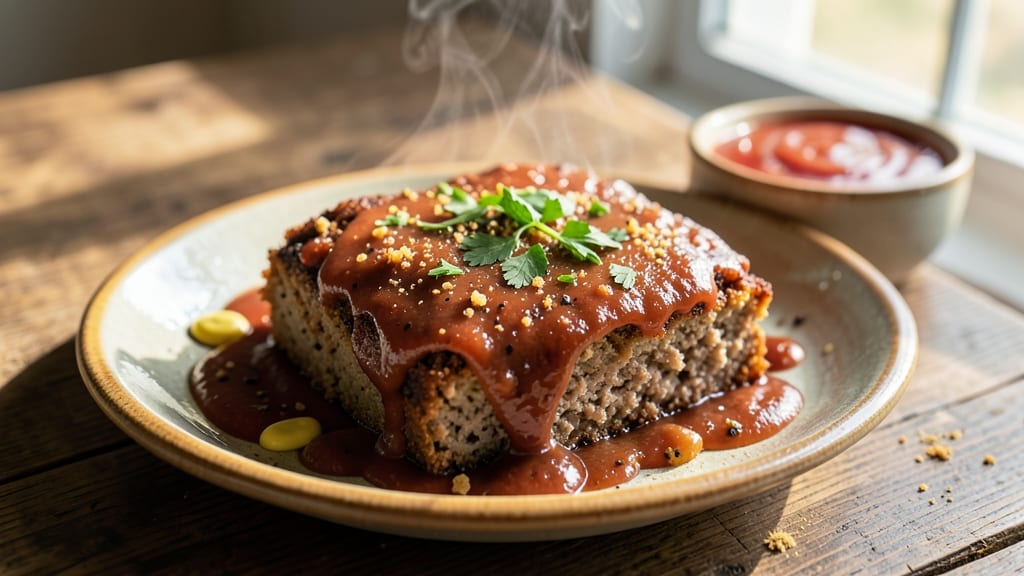
This meatloaf sauce recipe with apple cider vinegar transforms a classic comfort dish into something extraordinary—tangy, sweet, and deeply flavorful. The key lies in balancing the sharp brightness of apple cider vinegar with rich, savory elements like ketchup and Worcestershire, creating a glaze that caramelizes beautifully while cooking.
It’s the kind of sauce that turns a simple meatloaf into a showstopper, with layers of depth that linger on every bite.
The beauty of this sauce is its simplicity—just a handful of ingredients that come together in minutes, yet deliver restaurant-quality results.
The apple cider vinegar isn’t just an ingredient; it’s the secret weapon that cuts through the richness of the meatloaf, adding a bright, almost caramelized tang that elevates the dish. Perfect for weeknight dinners or special occasions, this sauce is equally at home on a homemade loaf or store-bought version.
What makes this sauce truly special is its versatility. It’s not just for meatloaf—this glaze works wonders on roasted chicken, pork chops, or even as a dipping sauce for fries. The caramelization that happens in the oven or skillet adds a rich, glossy finish that makes everything taste gourmet.
Plus, it’s easy to double the batch and store it for up to a week, so you always have a flavorful backup on hand.
Ready in just 15 minutes, this sauce is a game-changer for anyone who wants to take their meatloaf from ordinary to extraordinary. The best part? It’s foolproof—no advanced techniques required, just a few simple steps and a little patience for the flavors to meld. Let’s get started!
Ingredients for meatloaf sauce recipe with apple cider vinegar
Nine simple ingredients that transform ordinary meatloaf into a restaurant-worthy dish.
| Ingredient | Amount | Notes |
|---|---|---|
| Apple Cider Vinegar 🍏 | ¼ cup | Raw, unfiltered preferred |
| Ketchup 🍅 | ½ cup | High-quality, no sugar added |
| Worcestershire Sauce 🥫 | 1 tbsp | Anchovy-free if needed |
| Brown Sugar 🍚 | 2 tbsp | Light or dark variety |
| Mustard 🥬 | 1 tbsp | Dijon or yellow preferred |
| Onion Powder 🧅 | 1 tsp | Freshly ground preferred |
| Garlic Powder 🧄 | 1 tsp | Not garlic salt |
| Black Pepper 🌶️ | ½ tsp | Freshly ground preferred |
| Salt 🧂 | ½ tsp | Kosher or sea salt |
| Olive Oil 🫒 | 1 tbsp | For glossy finish |
The apple cider vinegar is the star here—look for raw, unfiltered for that deeper, complex flavor. Muir Glen or Bragg are solid choices, but any good-quality brand works. Worcestershire sauce adds that umami depth, so don’t skip it. If you’re avoiding anchovies, check the label—most mainstream brands are anchovy-free, but it’s worth confirming. The ketchup should be the good stuff; Heinz 57 Varieties or Hunt’s are reliable, but no sugar-added is ideal for balancing the sweetness. Brown sugar isn’t just for sweetness—it helps with caramelization, so don’t substitute with white sugar unless you’re okay with a less rich finish.
No apple cider vinegar? Balsamic vinegar at half the amount works in a pinch, though it’ll taste slightly different. Short on ketchup? Tomato paste mixed with a splash of water gets you close. Mustard hating? Skip it entirely—the sauce will still be delicious, just with a slightly less tangy bite. For extra depth, a dash of smoked paprika adds a nice smoky note without altering the core flavor. The spices—onion powder, garlic powder, black pepper—are all about enhancing the other flavors, so don’t overthink them. If you’re making a big batch, double the spices but keep the liquids proportional to avoid thinning the sauce.
This sauce reheats beautifully—just warm it gently in a saucepan or microwave until bubbly. It actually tastes better the next day once the flavors meld, so make extra if you can. Store it in an airtight container in the fridge for up to 1 week, or freeze for 3 months. For freezing, portion it into ice cube trays—perfect for single-use servings later. The sauce thickens as it cools, so if it seems too thick when reheating, add a splash of water or broth to loosen it up. Trust me, the first time you brush this glaze over a meatloaf and watch it caramelize in the oven, you’ll never go back to plain ketchup again.
Why You'll Love This Recipe
- Five-Ingredient Magic: I swear by this combo—no fancy prep, just a quick whisk of vinegar, ketchup, and mustard. The brown sugar and Worcestershire do the heavy lifting while I’m still chopping onions.
- Tangy-Sweet Balance: That apple cider vinegar cut? It’s the secret weapon—brightens the richness of the ketchup without tasting harsh. (Yes, even my picky husband asks for seconds now.)
- Leftovers That Shine: Make a double batch and store it in the fridge. It thickens beautifully when reheated—perfect for slathering on sandwiches or drizzling over mashed potatoes later in the week.
- Budget-Friendly Flex: Uses pantry staples you already own, and the mustard adds depth without costing a fortune. Honestly, it’s the kind of sauce that makes me feel like I’m feeding a crowd without breaking the bank.
Step-by-step instructions for meatloaf sauce with apple cider vinegar
This tangy-sweet glaze transforms ordinary meatloaf into a showstopper with minimal effort.
Combine Wet Ingredients in a Saucepan
In a medium saucepan, measure out the 0.25 cup apple cider vinegar and 0.5 cup ketchup. Add the 1 tablespoon Worcestershire sauce and 1 tablespoon mustard, stirring to fully incorporate all ingredients. The mixture will appear slightly thick but smooth—this is normal at this stage.
Place the saucepan over medium-low heat and bring the mixture to a gentle simmer. I like to keep the heat low initially to prevent the vinegar from evaporating too quickly, which preserves the tangy brightness we want in the final glaze. Let it simmer for 3-4 minutes while you prepare the remaining ingredients.
Add Dry Seasonings and Sweeteners
Reduce the heat to low and sprinkle in the 2 tablespoons brown sugar, 1 teaspoon onion powder, 1 teaspoon garlic powder, 0.5 teaspoon salt, and 0.5 teaspoon black pepper. Stir continuously for 2-3 minutes until the sugar fully dissolves and the mixture becomes smooth and glossy.
Here's where the magic happens—the brown sugar caramelizes slightly, deepening the sauce's flavor. You'll notice the aroma become richer and more complex as the spices meld with the vinegar's acidity. Keep stirring occasionally to prevent sticking, as the sugar can clump if left unattended.
Finish with Olive Oil for Gloss
Remove the sauce from heat and let it cool for 1-2 minutes. This brief resting period allows the flavors to settle before adding the 1 tablespoon olive oil. Stir vigorously until the oil is fully incorporated—this creates a silky, glossy finish that clings beautifully to meatloaf.
The olive oil not only adds richness but also helps distribute the sauce evenly when you brush it on later. For best results, transfer the sauce to a small bowl or ramekin and let it sit at room temperature for 10 minutes before using. This resting period ensures the flavors fully meld and the texture becomes perfectly balanced—neither too thin nor too thick.
Apply Sauce to Meatloaf During Baking
Preheat your oven to 350°F and place your meatloaf on a baking sheet. Once the oven reaches temperature, brush 1-2 tablespoons of the prepared sauce evenly over the top of the meatloaf. Return it to the oven and bake for 20 minutes, then brush with another 1-2 tablespoons of sauce.
Repeat this glazing process twice more during baking, each time at 20-minute intervals. The acidity in the vinegar helps tenderize the meatloaf while the sugar creates a beautiful caramelized crust. For maximum flavor development, let the meatloaf rest for 10 minutes after baking before slicing—this allows the juices to redistribute and the sauce to set slightly.
Pro Tips For Making Meatloaf Sauce Recipe With Apple Cider Vinegar
- Simmer Slow and Low: I used to rush this sauce, tossing everything in a hot pan and expecting magic—nope. Bring it to a gentle boil first, then drop the heat to a simmer. The vinegar’s sharpness mellows out and blends with the sweetness when you give it 10-15 minutes of steady, low heat. (Yes, even if you’re impatient like me.)
- Balance the Vinegar: That apple cider vinegar is the star, but too much and your sauce turns into a tangy punch. Start with 1-2 tablespoons, taste, then adjust. If it’s still biting, add a pinch of brown sugar or a splash of ketchup to round it out. I learned this the hard way—my first batch could’ve pickled a pickle.
- Skip the Boil-Over: Stirring vigorously to prevent sticking is smart, but don’t let the sauce bubble over. If it’s getting too thick too fast, add 1-2 tablespoons of water or even a splash of broth. I was skeptical until I tried it—now I keep a small cup of water nearby just in case.
- Upgrade with a Glaze: Want that restaurant-quality finish? After simmering, strain the sauce through a fine-mesh sieve to remove any mustard seeds or sediment. Then, return it to the pan and cook until it’s syrupy enough to coat the back of a spoon. (This isn’t the prettiest method, but it’s the tastiest.)
Pro cooking tips for perfect results
Heat Control Secrets
Start with medium-low heat to gently simmer the sauce—this prevents the apple cider vinegar from evaporating too quickly, which preserves its bright tang. Once the sugar dissolves, reduce to low heat to avoid burning the spices.
I’ve ruined sauces by cranking the heat too high, so patience here makes all the difference. 🌡️
Caramelization Magic
Let the brown sugar caramelize slightly while stirring—this deepens the sauce’s flavor profile. If you notice the sauce thickening too fast, add 1 tablespoon water to loosen it.
The goal is a glossy, syrupy consistency that clings beautifully to meatloaf. Don’t rush this step; the aroma alone will tell you when it’s ready.
Olive Oil Finish
Adding 1 tablespoon olive oil at the end creates a silky, glossy texture that’s essential for that restaurant-worthy sheen. Stir vigorously to emulsify—this ensures the sauce coats evenly.
For extra shine, let it rest 10 minutes before using; the flavors meld and the texture thickens just enough for perfect brushing. 💫
Glazing Technique
Brush the sauce in three layers during baking—first at 20 minutes, then again at 40 minutes, and finally at 60 minutes. The acidity in the vinegar tenderizes the meatloaf while the sugar caramelizes into a sticky crust.
For even coverage, use a pastry brush or silicone brush; metal can react with the vinegar over time.
Flavor Boost Shortcut
Want extra depth? Add ½ teaspoon smoked paprika when stirring in the dry ingredients. This adds a subtle smokiness that pairs perfectly with the tangy-sweet balance. If you’re short on time, a dash of cinnamon (just ¼ teaspoon) enhances the apple cider’s notes without overpowering the sauce.
Trust me, it’s a game-changer for flavor complexity. 🌶️
Reheating Like a Pro
If the sauce thickens after refrigeration, warm it gently in a saucepan with 1 tablespoon water or broth to restore its glossy texture. Microwaving works in a pinch, but it can break the emulsion—stirring constantly prevents separation.
For best results, reheat to 165°F and adjust seasoning with a pinch of salt or vinegar as needed. 🔥
Nutrition facts
Frequently asked questions
Can I use this sauce on dishes other than meatloaf?
This tangy-sweet glaze works wonderfully on roasted chicken, pork chops, or even as a dipping sauce for fries. The apple cider vinegar adds a bright contrast that pairs beautifully with rich meats. For best results, brush it on during the last 10-15 minutes of cooking to prevent burning.
What if I don't have apple cider vinegar?
You can substitute with balsamic vinegar (use half the amount) or red wine vinegar (same quantity). For a sweeter option, try 1 tablespoon honey plus 1 tablespoon water to replace the vinegar. The flavor will be slightly different but still delicious!
How do I fix a sauce that's too thick or too thin?
For a thick sauce, add 1 tablespoon water or broth while stirring. If it's too thin, simmer uncovered for 2-3 minutes to reduce. For extra thickness, mix 1 teaspoon cornstarch with 1 tablespoon cold water, stir into the sauce, and cook for 1 minute until thickened.
Can I make this sauce ahead of time?
Yes! This sauce actually tastes better the next day as the flavors meld. Store it in an airtight container in the fridge for up to 1 week or freeze for 3 months. To reheat, warm gently in a saucepan with a splash of water to restore its glossy texture.
Why does my sauce taste too sweet or sour?
If it's too sweet, add 1 teaspoon apple cider vinegar or lemon juice to balance. For excessive sourness, stir in ½ teaspoon brown sugar or a pinch of salt. Taste as you go—small adjustments make all the difference!