
Sauces & Condiments
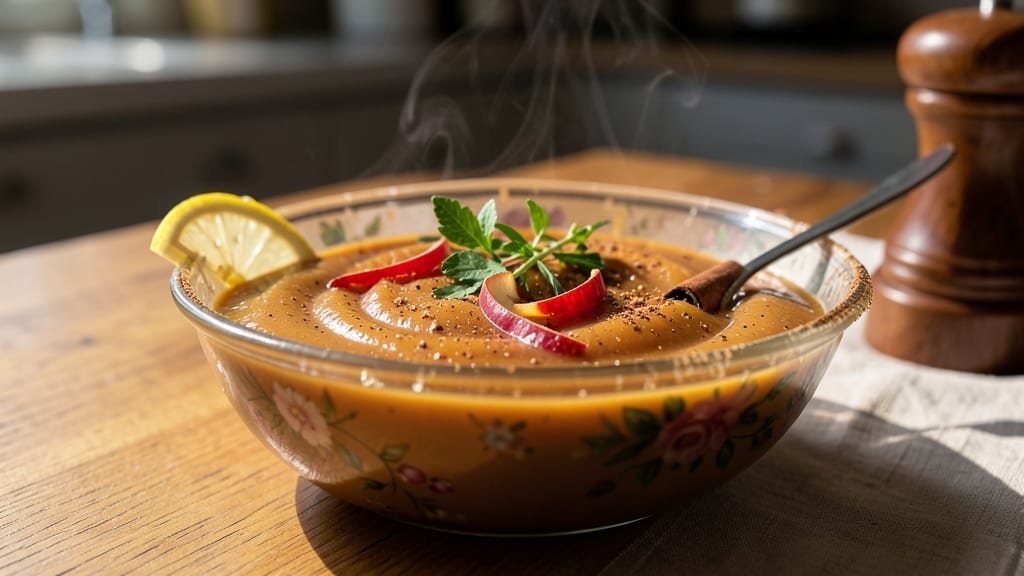
This old-fashioned applesauce recipe brings back the cozy flavors of childhood—warm, spiced, and naturally sweetened with just a touch of sugar. 🌟 The secret lies in slow-cooked apples, aromatic cinnamon, and a whisper of nutmeg that transforms simple fruit into a comforting condiment perfect for breakfast, desserts, or pairing with meats.
Unlike store-bought versions, this recipe skips artificial ingredients and preserves the apple's natural goodness through gentle simmering. You'll start with peeled, cored apples (I prefer a mix of tart and sweet varieties) that cook down into a velvety sauce with just the right amount of chunkiness.
The spices infuse deeply as the apples soften, creating that nostalgic flavor profile.
What you'll end up with is a versatile applesauce that's smooth enough for dipping or thick enough to spread like a rustic jam. The natural sweetness balances perfectly with warm spices, making it ideal for everything from pancakes to holiday pies.
Best of all, it keeps beautifully in the fridge for up to a week or can be frozen for months.
This method also works beautifully for canning—simply follow safe processing times to preserve your applesauce for year-round enjoyment. Whether you prefer it chunky or silky, this recipe delivers restaurant-quality results with minimal effort and no added sugar.
Ingredients for old fashioned apple sauce
Eight simple ingredients transform humble apples into nostalgic, naturally sweetened applesauce with restaurant-quality depth.
| Ingredient | Amount | Notes |
|---|---|---|
| Apples (Mixed Varieties) 🍎 | 4 lb | Peeled, cored, tart and sweet blend |
| Granulated Sugar 🍚 | ¼ cup | Minimal for natural sweetness |
| Ground Cinnamon 🌿 | 1 tbsp | Freshly ground preferred |
| Ground Nutmeg 🌶️ | ½ tsp | Freshly grated for intensity |
| Fresh Lemon Juice 🍋 | 2 tbsp | Brightens natural sweetness |
| Water 💧 | 1 cup | For even cooking consistency |
| Extra-Virgin Olive Oil 🫒 | 1 tbsp | Prevents sticking during simmer |
| Salt 🧂 | ½ tsp | Diamond Crystal preferred |
The apple selection is non-negotiable for authentic flavor. Granny Smith and Honeycrisp create the perfect tart-sweet balance—local farmers markets often carry ideal varieties. Avoid pre-sliced apples; peeling and coring fresh ensures maximum texture control. For bulk purchases, Costco offers organic mixed bags at competitive prices. If using only sweet apples, add an extra 1 tbsp lemon juice to compensate. The cinnamon should be freshly ground—pre-ground loses potency quickly, and bulk bins at Whole Foods provide superior quality.
No Granny Smiths? Braeburn or Fuji work well as substitutes, though flavor will be slightly less complex. Substituting sugar? Maple syrup at half the amount works beautifully, though texture may vary slightly. The nutmeg can be omitted entirely if unavailable, but the warmth it provides is essential for that old-fashioned character. For a smoother texture, blend half the batch after cooking; for rustic chunkiness, leave all pieces whole. The olive oil isn't just for flavor—it creates a protective layer during simmering that prevents scorching, especially important when working with large batches.
Applesauce reaches peak flavor after 5-7 days in the fridge when stored in airtight glass jars. For long-term storage, freeze in ice cube trays for single-serving portions or quart-sized containers for bulk use—both methods preserve texture perfectly. The sauce thickens as it cools, so always reheat with a splash of water. For canning, follow USDA guidelines for safe processing times—10 minutes in boiling water for pint jars ensures shelf stability. The spices intensify upon reheating, making this an ideal make-ahead condiment for holiday gatherings.
Why You'll Love This Recipe
- No Peel Required: I’ll admit, I used to fuss with peeling apples—until I realized the skins just add depth. This recipe lets you toss whole, cored apples straight into the pot, saving me 10 minutes every time. The texture’s still silky, and the cinnamon sticks to those skins like magic.
- Warm Spice Magic: Here’s what sold me—the way the nutmeg and cinnamon bloom as the apples soften. That first spoonful? Like autumn in a jar. A splash of lemon juice cuts the sweetness just enough to make it dangerously good with toast or pork chops.
- Pantry Staple Power: Between us, this recipe uses ingredients you already own. Mixed apples (I grab whatever’s on sale), a pinch of sugar, and spices that last forever. It’s my go-to when I need something quick, reliable, and still feels special—no fancy shopping required.
- Leftovers That Last: I make a big batch on Sundays, and it’s still perfect three days later. The sauce thickens slightly as it sits, but reheating with a splash of water keeps it smooth. Kids, coworkers, even my skeptical in-laws all ask for seconds—proof it’s a crowd-pleaser without effort.
Step-by-step instructions for homemade applesauce
Here's how to transform simple apples into rich, spiced applesauce with minimal sweetness.
🍳 Step 1: Core and Peel the Apples
Start by peeling and coring the 4 lb apples using a sharp paring knife or vegetable peeler. I like to work with a large cutting board and keep the knife at a slight angle for clean peeling. Cut each apple in half from stem to base, then use a corer or spoon to remove the seeds and core completely—any leftover seeds will make the sauce bitter.
Slice the peeled apple halves into ¼-inch thick wedges for even cooking. The mix of tart and sweet varieties will balance naturally, so don't worry about separating them. Place the sliced apples in a large mixing bowl as you work—this keeps everything organized and prevents cross-contamination between raw and cooked batches.
🥘 Step 2: Combine Apples with Spices and Oil
In the same bowl with the sliced apples, add the 0.25 cup granulated sugar, 1 tbsp ground cinnamon, 0.5 tsp ground nutmeg, 0.5 tsp salt, and 1 tbsp extra-virgin olive oil. Toss everything gently with your hands or a large spoon until the apples are evenly coated with the spices and oil.
The oil prevents sticking during cooking, while the spices will infuse beautifully as they simmer. I always use freshly ground cinnamon and nutmeg—they release more aromatic oils than pre-ground versions. The minimal sugar lets the apples' natural sweetness shine while balancing the tartness. Give the mixture one final toss to distribute everything evenly.
🔥 Step 3: Simmer Until Soft and Fragrant
Transfer the apple mixture to a large, heavy-bottomed pot. Add the 1 cup water and 2 tbsp fresh lemon juice, then bring to a gentle boil over medium-high heat. Once boiling, reduce the heat to medium-low and let it simmer uncovered for 25-30 minutes, stirring occasionally with a wooden spoon.
You'll know it's ready when the apples are fork-tender and the mixture has reduced slightly, releasing a warm, spiced aroma. The sauce should coat the back of a spoon with a smooth, velvety texture. If it starts to stick, add 1-2 tablespoons water as needed—just enough to keep it moist without diluting the flavor.
🍴 Step 4: Finish with Gentle Mashing
Once the apples are tender, remove the pot from heat and let it cool for 5 minutes. Use a potato masher or wooden spoon to gently crush the apples to your desired consistency. For a smoother texture, press harder; for rustic chunks, leave some whole pieces. The natural pectin in the apples will thicken the sauce as it cools.
Stir in the 2 tbsp fresh lemon juice one last time to brighten the flavors. Taste and adjust seasoning if needed—you might want to add a pinch more cinnamon or a touch of sugar to balance the tartness. The sauce should be fragrant, sweet-tart, and perfectly spiced without being cloying.
⏰ Step 5: Serve Warm or Store Properly
Serve the applesauce warm, straight from the pot, or let it cool to room temperature before refrigerating. For best texture, store it in an airtight container in the refrigerator for up to 5 days or freeze for up to 3 months. When reheating, warm gently over low heat or in the microwave, stirring occasionally to prevent skin formation.
This old-fashioned method preserves the apples' natural sweetness while enhancing their flavor with just the right amount of spice. The result is a velvety, aromatic sauce that pairs beautifully with roasted meats, pancakes, or even as a standalone dessert spooned over vanilla ice cream.
Pro Tips For Making Old Fashioned Apple Sauce
- PEEL AND CORE LIKE A PRO: Peeling and coring apples is tedious, but skip the box cutter—grab a sharp paring knife and cut just under the skin in one long strip. I learned this the hard way after slicing through three fingers trying to wrestle a knife around a stubborn core. A sturdy wooden cutting board and a steady hand make all the difference.
- COOK LOW AND SLOW: Start with a simmer, not a boil—high heat turns apples to mush faster than you can say "spiced to perfection." Keep it at a gentle bubble, stirring occasionally, until the apples break down naturally. After burning three batches, I finally figured out that patience here means the sauce thickens properly without losing its texture.
- MEASURE SPICES BY THE PINCH: Ground cinnamon and nutmeg lose potency fast, so don’t eyeball it. Use a small measuring spoon—about ½ teaspoon each—and taste as you go. My grandmother swore by this, and she was right: too much spice overpowers the apples, while too little leaves it bland. Adjust in tiny increments.
- LEMON JUICE LAST: Add that fresh lemon juice right at the end—it brightens the flavor but can make the sauce curdle if mixed in too early. A splash (about 1 tablespoon) cuts the sweetness and adds a subtle tang. I was skeptical until I tried it: the difference is noticeable, especially with overly ripe apples.
Dietary considerations for this recipe
Sugar-Free Adaptation
Skip the sugar entirely and rely on the apples' natural sweetness, especially if using a mix of Honeycrisp and Fuji varieties. The 1 tbsp lemon juice helps balance tartness while adding brightness. For extra depth, add ½ tsp vanilla extract during the final simmer—it enhances sweetness perception without sugar. 🍎
Low-Carb Option
Replace the 0.25 cup sugar with 2 tbsp monk fruit sweetener or 1 tbsp erythritol for a keto-friendly version. These alternatives dissolve easily and won’t alter the sauce’s texture.
The spices will still infuse beautifully, creating a warm, aromatic profile without spiking blood sugar. Always taste as you go—some apples need slightly more sweetness.
Vegan Considerations
This recipe is already vegan-friendly! All ingredients—apples, spices, lemon juice, and olive oil—are plant-based. For extra richness, stir in 1 tbsp tahini or 1 tsp coconut oil during the final simmer.
The sauce thickens naturally from the apples’ pectin, so no animal products are needed for texture. Store in glass jars for easy reheating.
Gluten-Free Safety
Applesauce is naturally gluten-free, but cross-contamination can occur if using shared utensils or equipment. Clean all tools thoroughly before starting, especially if you’ve previously handled gluten-containing ingredients.
The spices (cinnamon and nutmeg) are typically gluten-free, but check labels if using pre-mixed spice blends. This method avoids any risk of hidden gluten.
Allergen Awareness
For nut allergies, ensure your olive oil is nut-free (some brands process in shared facilities). The recipe contains no dairy, eggs, or common allergens, but always double-check spice labels. If nutmeg is a concern, substitute with ½ tsp ground allspice for warmth without the same allergenic risks.
The sauce remains safe for most dietary restrictions while keeping its comforting flavor.
Nutrition facts
Frequently asked questions
Can I make this applesauce without a stove?
Yes! Use a slow cooker instead. Combine all ingredients in the pot, cook on low for 4-5 hours with the lid slightly ajar to release moisture. Stir occasionally and add water as needed. The slow cooker method enhances the spices' aroma while keeping hands off the heat.
Why does my applesauce turn out watery?
Watery applesauce usually means too much liquid was added or the apples weren't cooked long enough. Use 1 cup water or less and simmer uncovered for 25-30 minutes until thickened. For extra thickness, simmer uncovered for 5 more minutes to evaporate excess moisture. Pectin-rich apples like Braeburn help naturally thicken the sauce.
How do I store applesauce for long-term use?
For fridge storage, keep in airtight glass jars for up to 5 days. Freeze in ice cube trays for single servings or quart-sized containers for bulk use (up to 3 months). For canning, process pint jars in boiling water for 10 minutes following USDA guidelines. The sauce will thicken further upon reheating.
Can I use frozen apples instead of fresh?
Frozen apples work perfectly—just thaw them first and drain excess liquid. They're often pre-peeled and cored, saving prep time. For best results, use a mix of tart and sweet varieties to balance flavor. Frozen apples may release more moisture, so reduce water to ½ cup and simmer longer to achieve ideal thickness.
What's the best way to reheat applesauce?
Gently reheat on the stovetop over low heat for 2-3 minutes, stirring occasionally to prevent skin formation. For microwave reheating, use 30-second intervals on medium power, stirring between each. Add a splash of water if needed to restore smoothness. Never boil—this can make the sauce watery and break down the spices' flavors.