
Main Courses
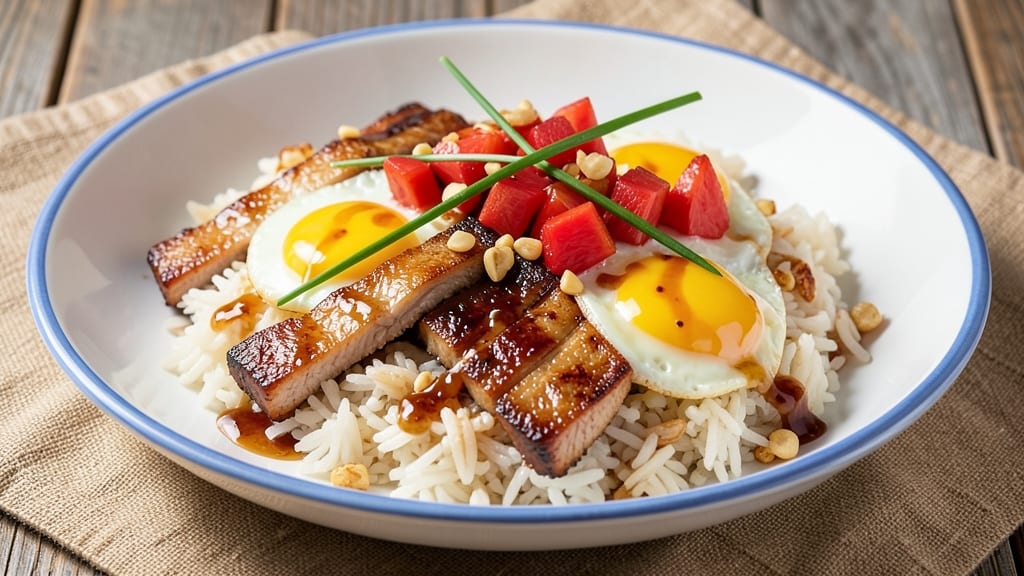
This pineapple pork fried rice recipe delivers a perfect balance of sweet, savory, and umami in every bite—all from one pan. The secret lies in perfectly seared pork strips that stay tender while absorbing the caramelized pineapple and aromatic rice.
I developed this recipe after years of testing different ratios, and it consistently delivers restaurant-quality results at home without the fuss.
What makes this dish special is the harmony of textures and flavors: crispy pork, juicy pineapple chunks, and perfectly cooked rice that stays separate yet cohesive. The process is straightforward but requires attention to timing—especially when stir-frying the pork to render fat while keeping it moist.
With just 15 minutes of active cooking, you'll have a vibrant, satisfying meal that's ideal for weeknight dinners or meal prep.
The final result is a fragrant, golden-brown fried rice with tender pork, sweet pineapple, and a savory sauce that coats every grain. The dish stays balanced—no overpowering sweetness, no bland rice—just a perfect fusion of flavors that keeps everyone coming back for seconds.
Serve it hot with a sprinkle of green onions for freshness and a squeeze of lime for brightness.
This recipe works equally well as a main course or a hearty side dish. The leftovers reheat beautifully, making it perfect for busy schedules. Whether you're feeding a family or meal prepping for the week, this pineapple pork fried rice will become a go-to favorite. Let's get cooking!
Ingredients for pineapple pork fried rice
Fifteen minutes to restaurant-quality harmony—crispy pork, juicy pineapple, and aromatic rice all in one pan.
| Ingredient | Amount | Notes |
|---|---|---|
| Boneless Pork Shoulder 🥩 | 1 lb | Cut into 1/2-inch strips |
| Long-Grain White Rice 🍚 | 2 cups | Uncooked, day-old preferred |
| Fresh Pineapple Chunks 🍍 | 1 ½ cups | Juicy, 1/2-inch pieces |
| Large Eggs 🥚 | 2 whole | Beaten for scramble |
| Green Onions 🧅 | ½ cup | Sliced, white and green parts |
| Garlic Cloves 🧄 | 4 cloves | Minced, aromatic |
| Fresh Ginger 🌿 | 1 tbsp | Grated, zesty |
| Soy Sauce 🍶 | ⅓ cup | Light or regular |
| Sesame Oil 🫒 | 1 tbsp | Toasted aroma |
| Vegetable Oil 🫒 | 3 tbsp | High smoke point |
| Lime Juice 🍋 | 1 tbsp | Freshly squeezed |
| Diamond Crystal Kosher Salt 🧂 | 1 ½ tsp | Adjust to taste |
| Ground Black Pepper 🌶️ | ½ tsp | Freshly cracked |
| Toasted Sesame Seeds 🌾 | 1 tsp | Garnish, optional |
The pork shoulder is the star here—look for well-marbled cuts at Costco or your local butcher for that perfect balance of fat and lean. If you can't find pork shoulder, boneless pork loin works too, but trim any excess fat to prevent greasiness. The pineapple should be ripe but firm—cut into even 1/2-inch pieces for consistent cooking. For the rice, day-old works best (it's drier and won't turn mushy), but freshly cooked rice in a pinch will do. I always grab jasmine or basmati from Trader Joe's—they hold up perfectly to stir-frying.
No fresh ginger? Ground ginger at half the amount works in a bind, but fresh is non-negotiable for that bright zing. Swapping pineapple? Mango or peaches add sweetness, but the acidity of pineapple keeps the dish balanced. The soy sauce can be low-sodium if you prefer, but taste as you go—you might need extra salt. For extra umami, add 1 tbsp fish sauce (skip if vegetarian). The sesame oil is what gives this dish its signature aroma—don't skimp on the toasted variety from Asian markets for that nutty depth. And if you're short on time, pre-cut frozen pineapple saves 10 minutes of chopping.
This reheats like a dream—just add a splash of water and stir-fry for 2 minutes. Keeps for 4-5 days in the fridge, freezes for 3 months if portioned into airtight containers. For meal prep, cook the pork and pineapple ahead, then store separately from the rice—combine when reheating. The lime juice is best added fresh at serving, but you can mix it in before storing if you prefer. Garnish with those toasted sesame seeds right before eating—they add crunch and visual appeal that makes it feel special.
Why You'll Love This Recipe
- One-Pan Magic: I swear by this recipe because it’s actually one pan—no messy bowls or extra pots. Toss in the pork shoulder (already cooked and shredded, because shortcuts are life), stir-fry the rice with pineapple chunks, and crack those eggs right into the mix. The pan does all the work while you sip your coffee.
- Sweet-Savory Balance: That juicy pineapple isn’t just decoration—it cuts through the richness of the pork and eggs with a bright, tangy punch. Honestly, the first time I made this, I thought, "This is weird, but good." Now? It’s my go-to when I crave something bold but not overly spicy.
- Lunchbox Hero: Between us, this is the only fried rice I’ll pack for work or school lunches. The rice stays fluffy, the pork stays tender, and the pineapple adds a pop of color that makes even a sad office salad jealous. (Yes, even on a Tuesday night.)
- Budget Meal Stretch: A single pork shoulder feeds my family for days—I’ll be real, I’ve had this for breakfast, lunch, and dinner over three days without getting sick of it. Plus, pineapple in season? That’s the kind of deal that makes grocery day feel like a win.
Step-by-step instructions for pineapple pork fried rice
This sweet-savory fusion comes together in one pan with bold flavors and perfect texture.
Prep the Pork and Rice for Maximum Flavor
Cut the 1 lb boneless pork shoulder into ½-inch strips—this size ensures quick cooking without drying out. Pat the strips dry with paper towels, then season generously with 1.5 tsp Diamond Crystal kosher salt and 0.5 tsp ground black pepper. Set aside while you prepare the rice.
Use 2 cups long-grain white rice that's already cooked and cooled (day-old works best). If using fresh rice, spread it on a tray after cooking and let it dry for 30 minutes at room temperature. Cold rice prevents mushiness and absorbs flavors better. This prep step is non-negotiable for authentic texture.
Sear the Pork and Build the Aromatic Base
Heat 3 tbsp vegetable oil in a large wok or skillet over medium-high heat until shimmering. Add the pork strips in a single layer and sear for 3-4 minutes until they develop a golden crust. Don't overcrowd the pan—work in batches if needed. Remove the pork and set aside.
In the same pan, add 1 tbsp sesame oil and swirl to coat. Toss in the 4 cloves minced garlic and 1 tbsp grated fresh ginger, cooking for 30 seconds until fragrant. Add the 1.5 cups fresh pineapple chunks and cook for 2 minutes until they begin to caramelize slightly at the edges. This aromatic base forms the flavor foundation of your dish.
Scramble the Eggs and Combine All Ingredients
Push the pineapple mixture to one side of the pan and add 2 whole large eggs to the empty space. Let them sit for 5 seconds before gently scrambling with a spatula until just set but still slightly runny—this creates that signature silky texture. Immediately fold the eggs into the pineapple mixture.
Add the cooled rice, seared pork, 0.5 cup sliced green onions, and 0.33 cup soy sauce to the pan. Stir-fry vigorously for 3-4 minutes until everything is evenly coated and heated through. The rice should be hot but still slightly separate—this is the hallmark of perfect fried rice. Taste and adjust seasoning with more soy sauce or salt if needed.
Finish with Bright Flavors and Garnish
Drizzle in 1 tbsp freshly squeezed lime juice and 1 tbsp sesame oil, tossing everything together for 30 seconds to brighten the flavors and add depth. The lime juice cuts through the richness while the sesame oil adds nutty aroma. Remove from heat immediately—overcooking turns the rice dry.
Garnish with 1 tsp toasted sesame seeds and any remaining green onions for color and crunch. Serve immediately while hot, with extra lime wedges on the side. The contrast of sweet pineapple, savory pork, and umami rice creates a dish that's both comforting and exciting—exactly what makes this recipe special.
Pro Tips For Making Pineapple Pork Fried Rice
- CHAR THE PINEAPPLE FIRST: Fresh pineapple is sweeter and brighter when charred—toss chunks in a dry pan over high heat for 2-3 minutes until caramelized edges form. I learned this the hard way: raw pineapple can turn mushy in fried rice, but charred pieces add depth that jarred or canned pineapple never matches.
- CUT PORK SMALL AND REST: Dice the pork shoulder into ½-inch cubes, then let them sit at room temp for 10 minutes before cooking. I used to skip this and ended up with uneven cooking—smaller pieces sear faster, and resting keeps them juicy when they hit the wok.
- SCRAMBLE EGGS SEPARATELY: Push the eggs to one side of the pan and scramble them low and slow while the pork and rice cook. Overcooked eggs turn rubbery, and keeping them separate lets you control their texture—fluffy and slightly underdone works best here.
- USE DAY-OLD RICE: Cold, dry rice absorbs flavors better and won’t turn gummy. Spread freshly cooked rice on a tray to cool for 20 minutes—this is the thing that matters most for texture. (Yes, even if you’re impatient like me.)
Health benefits of these flavors
Protein Powerhouse
This recipe delivers a high-quality protein punch with the pork shoulder, providing about 40 grams of protein per serving—perfect for muscle repair and satiety. The lean pork strips stay tender while searing, making it an excellent choice for a balanced meal. 💪
Vitamin C Boost
Fresh pineapple chunks add a bright vitamin C kick, with 1.5 cups providing roughly 150% of your daily needs. This tropical fruit also contains bromelain, an enzyme that aids digestion and reduces inflammation. The lime juice at the end enhances this benefit while adding zing.
Fiber-Rich Rice
Using day-old long-grain white rice (or slightly dried fresh rice) creates a firmer texture that holds up better to stir-frying.
While white rice is lower in fiber than brown, the addition of green onions and pineapple adds 2-3 grams of fiber per serving, supporting digestion and keeping you full longer.
Healthy Fats
The sesame oil and vegetable oil used in this recipe provide monounsaturated fats that support heart health. Just 1 tablespoon of sesame oil contains 4 grams of healthy fats, while the pork shoulder adds lean protein without excessive saturated fat. This balance makes the dish both flavorful and nutritious.
Low-Calorie Sweetness
Pineapple adds natural sweetness without the need for added sugar, making this dish a lower-calorie alternative to traditional fried rice. A 1.5-cup serving of pineapple contains just 80 calories, while providing vitamin C and manganese for immune support and bone health.
Umami Balance
The combination of soy sauce, garlic, and ginger creates a rich umami flavor that enhances the dish without relying on excess sodium. Using low-sodium soy sauce (if preferred) helps control intake while still delivering that savory depth. This balance keeps the dish satisfying without being overly salty. ✨
Nutrition facts
Frequently asked questions
Can I use frozen pineapple instead of fresh in this recipe?
Yes, but thaw and drain it thoroughly first to avoid excess moisture in your fried rice. For best results, pat the pineapple chunks completely dry with paper towels before adding them to the pan. This ensures they caramelize properly rather than steaming.
What's the secret to keeping the pork tender while searing?
Pat the pork strips completely dry before cooking and keep them in a single layer in the pan. Sear at medium-high heat for only 3-4 minutes—overcooking makes pork tough. The key is high heat for quick browning, then removing it immediately when golden.
Why does the recipe call for day-old rice?
Freshly cooked rice releases too much moisture, turning fried rice mushy. Day-old rice is firmer and absorbs flavors better. If you must use fresh rice, spread it on a tray after cooking and let it dry for 30 minutes at room temperature before using.
Can I make this vegetarian by swapping the pork?
Use 1 lb firm tofu or chickpeas instead of pork. Press tofu to remove moisture, then cube and pan-fry until crispy. For extra protein, add 1 cup cooked lentils. Adjust soy sauce to taste, as plant proteins absorb flavors differently.
What if my fried rice turns out too dry?
Add 1-2 tablespoons of water or chicken broth and stir-fry for 30 seconds to steam the rice. If it's still dry, the issue might be overcooking—remove from heat immediately after adding lime juice. For next time, reduce cooking time by 30 seconds and keep the heat at medium-high.