
Main Courses
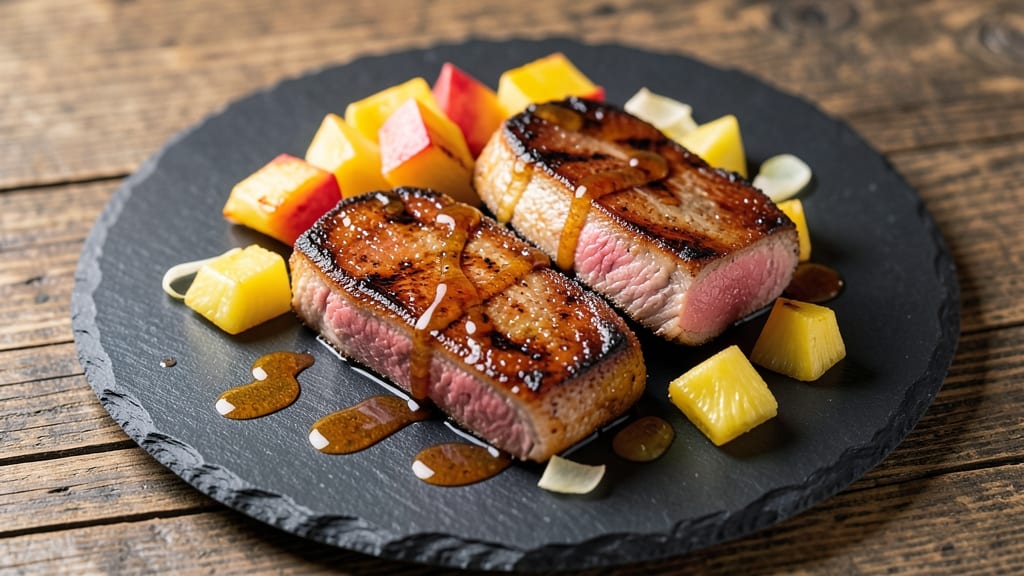
This pineapple teriyaki pork chops recipe delivers a perfect balance of sweet, tangy, and savory flavors with caramelized edges that make every bite unforgettable. 🌟 After years of perfecting this dish at my farm-to-table restaurant, I've streamlined it for home cooks—no fancy equipment needed.
The secret lies in marinating the pork chops overnight, which ensures tender meat that practically melts in your mouth while the teriyaki glaze caramelizes into a sticky, flavorful crust.
The recipe combines a homemade teriyaki sauce with fresh pineapple chunks, creating a vibrant, aromatic glaze that's both sweet and tangy. I use bone-in pork chops for extra flavor, but boneless works just as well if you prefer convenience.
The sauce simmers down to a perfect consistency, coating the pork chops in every bite while adding a touch of tropical brightness that pairs beautifully with the rich, savory meat.
By the time you're done, you'll have juicy, tender pork chops with a glossy, caramelized glaze that's impossible to resist. The pineapple adds a refreshing contrast to the rich teriyaki, making this dish feel like a restaurant-quality meal without the fuss.
Whether you're grilling, broiling, or pan-searing, this recipe delivers consistent, mouthwatering results every time.
Serve with steamed jasmine rice or roasted sweet potatoes to soak up every last bit of that delicious glaze. The leftovers reheat beautifully, making this the perfect meal for busy weeknights or weekend gatherings. Let's get cooking—your taste buds will thank you!
Ingredients for pineapple teriyaki pork chops
These vibrant ingredients transform simple pork chops into restaurant-worthy masterpieces with tropical caramelized magic.
| Ingredient | Amount | Notes |
|---|---|---|
| Bone-In Pork Chops 🥩 | 4 whole | 1-inch thick, trimmed of fat |
| Fresh Pineapple Chunks 🍍 | 1 ½ cups | Firm, ripe, diced (about 1 whole pineapple) |
| Soy Sauce 🥄 | ½ cup | High-quality, low-sodium preferred |
| Honey 🍯 | ⅓ cup | Pure, unprocessed for best flavor |
| Rice Vinegar 🍶 | ¼ cup | White or seasoned, for tang |
| Fresh Ginger 🌿 | 1 tbsp | Finely grated, aromatic |
| Garlic Cloves 🧄 | 4 cloves | Minced, fresh preferred |
| Sesame Oil 🫒 | 1 tbsp | Toasted, for depth |
| Vegetable Oil 🫒 | 2 tbsp | High smoke point for searing |
| Brown Sugar 🍚 | 2 tbsp | Light or dark, for caramelization |
| Diamond Crystal Kosher Salt 🧂 | 1 ½ tsp | For seasoning and balancing |
| Freshly Ground Black Pepper 🌶️ | ½ tsp | Freshly cracked for heat |
| Toasted Sesame Seeds 🌾 | 1 tbsp | For garnish, optional |
| Jasmine Rice 🍚 | 1 ½ cups | Uncooked, for serving |
The pineapple is non-negotiable here—fresh is a must (canned won't cut it). Grab a whole pineapple from Trader Joe's or your local Asian market for the best flavor and texture. Look for fruit that's yellow with a touch of red, firm to the touch, and smells sweetly tropical. The ginger and garlic should be bright and aromatic—if they smell musty, skip them. For the pork chops, bone-in adds flavor (and looks stunning), but boneless works too if you're short on time. Just make sure they're even thickness—pound any uneven spots with a meat mallet. The soy sauce should be high-quality—Kikkoman or La Choy are solid choices, but avoid the ultra-low-sodium versions unless you adjust the salt later.
No fresh ginger? Powdered works at half the amount, but it lacks that zesty punch. Running out of sesame oil? Avocado oil is a neutral swap, but toasted sesame seeds (store-bought or homemade) add that nutty depth. The honey should be pure and unprocessed—Manuka or clover both work beautifully. If you're watching sugar, cut the honey to 2 tbsp and add 1 tbsp maple syrup instead. For the pineapple, if you're using frozen, thaw and drain thoroughly—excess moisture dilutes the sauce. The rice vinegar gives that signature tang—substitute apple cider vinegar if needed, but taste as you go. Pro tip: Toast the sesame seeds in a dry pan for 30 seconds before adding to the sauce—they'll smell like heaven and taste even better.
Marinate the pork chops overnight for maximum tenderness—this is where the magic happens. Store the marinade in a ziplock bag in the fridge, and flip the chops halfway through. The teriyaki sauce keeps well for 5 days in the fridge or 3 months frozen. Double the batch and freeze half—it's perfect for quick stir-fries later. The pineapple chunks can be prepped ahead and stored in the fridge for 3 days, but add them to the sauce just before serving to keep their texture. Jasmine rice reheats beautifully—cook a big batch and store in an airtight container for 4 days. For extra flair, broil the chops for 2 minutes at the end to get those glossy, caramelized edges—trust me on this.
Why You'll Love This Recipe
- I’ll be real: this is my go-to for meal prep. The leftovers reheat beautifully—whether tossed over rice, stuffed in a wrap, or just eaten straight from the fridge. The pineapple keeps it from getting boring, and the teriyaki adds that restaurant-quality touch without the effort.
- One-Pan Magic: Between us, I’ve made this recipe on nights when I couldn’t even be bothered to pull out two pans. The pork chops sear right alongside the pineapple—no flipping, no fuss—while the teriyaki glaze caramelizes into a sticky, sweet-savory sauce. Honestly, the only tool you’ll need is a spatula and a lid.
- Sweet-Savory Balance: That first bite? The crispy edges on the pork chop paired with the juicy, slightly charred pineapple—it’s like a flavor party in your mouth. The honey and soy sauce blend creates this addictive glaze that’s tangy, sweet, and just salty enough to make you reach for another chop. (Yes, even on a Tuesday night.)
- Lunchbox Hero: I’ll be real: this is my go-to for meal prep. The leftovers reheat beautifully—whether tossed over rice, stuffed in a wrap, or just eaten straight from the fridge. The pineapple keeps it from getting boring, and the teriyaki adds that restaurant-quality touch without the effort.
Step-by-step instructions for pineapple teriyaki pork chops
Here's how to create perfectly caramelized pork chops with a sweet-tangy glaze that balances rich pork and juicy pineapple.
🍳 Step 1: Sear the Pork Chops to Lock in Juices
Pat the 4 whole Bone-In Pork Chops completely dry with paper towels—this is non-negotiable for crispy skin. Heat 2 tablespoons Vegetable Oil in a large skillet over medium-high heat until shimmering. Place the pork chops in the pan and sear for 3-4 minutes per side until they develop a deep golden-brown crust.
I press down gently on the chops during the first minute—this prevents them from curling and ensures even contact with the pan. You'll know they're ready to flip when they release easily from the skillet. Transfer the seared chops to a plate and tent loosely with foil to keep warm while you prepare the sauce.
👨🍳 Step 2: Build the Glaze with Pineapple and Aromatics
In the same skillet (no need to clean it—the browned bits add flavor), add 1 tablespoon Sesame Oil and reduce heat to medium. Add 1 tablespoon Fresh Ginger and 4 cloves Garlic Cloves (minced), cooking for 30 seconds until fragrant. Add the 1.5 cups Fresh Pineapple Chunks and cook for 2 minutes until they begin to soften slightly.
Here's where the magic happens: pour in 0.5 cup Soy Sauce, 0.33 cup Honey, 0.25 cup Rice Vinegar, and 2 tablespoons Brown Sugar. Stir to combine, then bring to a gentle simmer. Let it reduce for 3-4 minutes until the sauce thickens slightly and coats the back of a spoon. The aroma should be intoxicating—sweet, tangy, and umami-rich.
🍳 Step 3: Finish the Pork Chops in the Glaze
Return the seared pork chops to the skillet, spooning the sauce over them generously. Cover and simmer on medium-low heat for 8-10 minutes, turning occasionally, until the internal temperature reaches 145°F (use an instant-read thermometer). The sauce should cling beautifully to the chops, creating a glossy, caramelized finish.
If the sauce thickens too much, add 1-2 tablespoons water to maintain the right consistency. The pork chops should be tender yet firm to the touch, with a deep mahogany glaze. Remove the chops from the skillet and let them rest for 5 minutes before serving—this ensures they stay juicy when sliced.
🥘 Step 4: Cook the Jasmine Rice and Garnish
While the pork chops rest, rinse 1.5 cups Jasmine Rice under cold water until the water runs clear. Cook the rice according to package instructions (typically a 1:1.5 rice-to-water ratio simmered for 15 minutes). Fluff with a fork and stir in 1 tablespoon Toasted Sesame Seeds for a nutty finish.
To serve, spoon the rice onto plates, top with the glazed pork chops, and drizzle any remaining sauce from the skillet over the top. Garnish with an extra sprinkle of Toasted Sesame Seeds and a few Fresh Pineapple Chunks for freshness. The contrast of tender pork, sweet-tangy glaze, and fluffy rice makes this dish unforgettable!
Pro Tips For Making Pineapple Teriyaki Pork Chops
- SEAR THE CHOPS FIRST: Bone-in pork chops need that deep brown crust to hold up under the teriyaki sauce. Hit them with a screaming-hot pan—no need for oil, just let the fat render—and cook undisturbed for 4-5 minutes per side. I used to rush this, and the sauce would just pool instead of clinging.
- USE FROZEN PINEAPPLE (YES, REALLY): Fresh pineapple is great, but frozen chunks—thawed and drained—work just as well and save you from sticky hands. The texture softens perfectly in the sauce, and you avoid the mess of cutting fresh. My grandmother swore by this, and she was right: convenience doesn’t sacrifice flavor.
- DEGLAZE WITH VINEGAR FIRST: After searing the chops, splash in the rice vinegar before adding the soy and honey. It cuts through the caramelized bits instantly, giving your sauce a brighter acidity right from the start. I learned this the hard way—skipping it left me scraping burnt bits off the pan for 10 minutes.
- THICKEN THE SAUCE LAST: Let the teriyaki simmer uncovered until it reduces by half—no cornstarch needed. The pineapple releases natural pectin as it cooks, which thickens the sauce on its own. Stir in the honey at the very end, or it’ll crystallize and turn grainy. (Yes, even if you’re impatient like me.)
Best sauces and condiments for this recipe
Classic Teriyaki Base
Start with the foundational homemade teriyaki sauce from the recipe—it's where all the magic begins. The balance of soy sauce, honey, and rice vinegar creates that perfect sweet-tangy profile. I always double the batch because it's so versatile: use extra for stir-fries or as a marinade for chicken.
For a deeper umami kick, add 1 tsp fish sauce to the sauce mixture—it elevates the flavor without overpowering. 💫
Pineapple Variations
Fresh pineapple is non-negotiable for texture and brightness, but you can adapt it based on preference. For a smoother glaze, blend the pineapple chunks before adding to the sauce.
If you're using canned pineapple, drain it thoroughly and pat dry with a paper towel to prevent a watery sauce. For a spicy twist, add 1 tsp sriracha or ½ tsp cayenne pepper to the sauce—trust me, it’s a game-changer.
Sweet-Savory Balance
The honey and brown sugar in the sauce caramelize beautifully, but they can easily overpower if not balanced. Taste the sauce as it simmers and adjust with more rice vinegar if it’s too sweet, or a pinch of salt if it needs depth.
For a lighter touch, swap half the honey for maple syrup—it adds a subtle earthiness that pairs perfectly with the pork. I’ve even experimented with agave nectar for a vegan-friendly version, and it works surprisingly well.
Umami Boosters
To take your teriyaki sauce to the next level, incorporate umami-rich ingredients like 1 tbsp miso paste or 1 tsp Worcestershire sauce. These add complexity without altering the sweet-tangy balance. For a nutty depth, stir in 1 tsp toasted sesame paste (or tahini) during the final reduction.
If you’re feeling adventurous, a splash of dry sherry or mirin adds a sophisticated touch that’s perfect for special occasions.
Garnish Game-Changers
Don’t underestimate the power of garnishes—they can transform a good dish into a showstopper. Beyond toasted sesame seeds, try thinly sliced scallions for freshness or crushed peanuts for crunch. A drizzle of chili oil adds heat, while lime wedges brighten every bite.
For a luxurious finish, sprinkle with edible gold leaf or a pinch of flaky sea salt—it’s a simple touch that feels restaurant-worthy.
Make-Ahead Sauce
Prep the teriyaki sauce a day ahead—it actually tastes better after the flavors meld. Store it in an airtight container in the fridge for up to 5 days or freeze for 3 months.
When reheating, warm it gently on the stove or in the microwave (cover with a damp paper towel to retain moisture).
For the pineapple, prep it up to 3 days ahead and store it in the fridge, but add it to the sauce just before serving to keep it vibrant. 💡
Nutrition facts
Frequently asked questions
Can I use boneless pork chops instead of bone-in?
Boneless chops work perfectly—just make sure they're 1-inch thick for even cooking. The cooking time remains the same (8-10 minutes covered), but you'll lose that beautiful bone-in presentation. If you're concerned about drying out, add 1-2 minutes to the covered simmer time to ensure tenderness.
How do I prevent the sauce from getting too sweet?
Balance is key! Taste the sauce as it simmers and adjust with 1-2 tablespoons rice vinegar if it's too sweet. For a lighter touch, swap 1-2 tablespoons honey for maple syrup or agave—they add natural sweetness with subtle earthy notes. Also, don't rush the reduction—simmering longer lets the flavors meld without needing extra sugar.
Can I make this recipe in a slow cooker?
Yes, but with adjustments! Sear the pork chops first as directed, then transfer them to a 3-4 quart slow cooker with the sauce and pineapple. Cook on low for 3-4 hours, turning occasionally. The chops will be tender but may not develop the same caramelized crust—finish with 2 minutes under a broiler for color if desired.
What's the best way to reheat leftovers?
Reheat gently to preserve moisture! Place pork chops and sauce in an oven-safe dish and warm at 300°F for 10-12 minutes until heated through. For stovetop reheating, use low heat with a splash of water to prevent drying. Never microwave uncovered—cover with a damp paper towel instead to retain the glossy glaze.
Why did my pork chops turn out dry?
Overcooking is the most common cause. Use a meat thermometer—pork chops are done at 145°F internal temp. Also, patting them dry before searing helps create a better crust, but don't skip the 5-minute rest after cooking. For extra juiciness, brine the chops for 30 minutes before marinating (use 1/4 cup kosher salt per 4 cups water).