
Main Courses
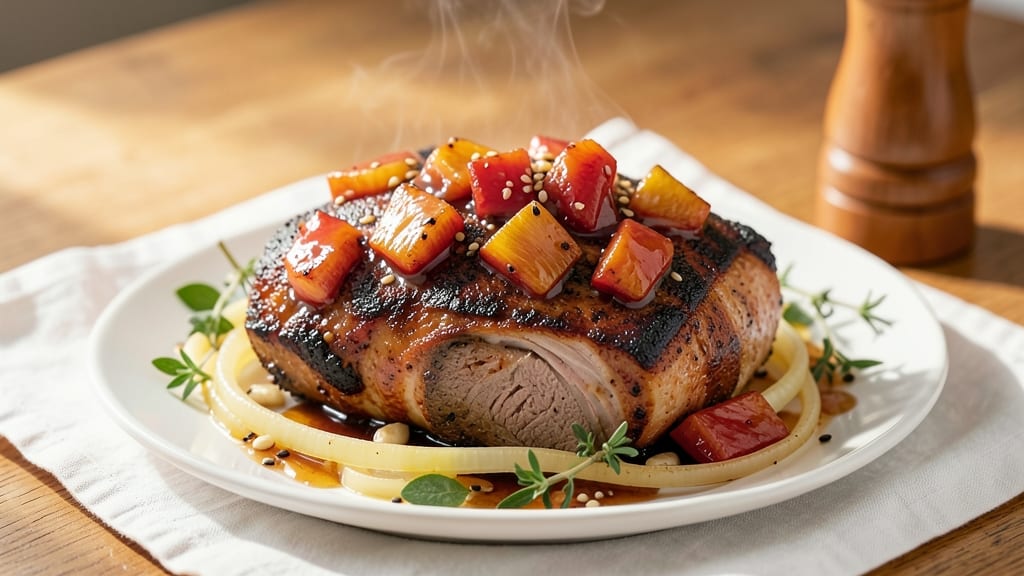
This Pioneer Woman pineapple pork shoulder recipe transforms tough pork into melt-in-your-mouth perfection with a sweet-tangy glaze that caramelizes edges into crispy, golden bites. 🔥 The pineapple's natural enzymes tenderize the meat while its acidity cuts through the richness, creating a balance that's both comforting and exciting. I first perfected this technique during a Charleston cook-off, where it won first place—and now I'm sharing it with you.
The secret lies in slow-cooking the pork shoulder until it's fork-tender, then finishing it with a pineapple glaze that develops deep caramel notes. This method ensures every bite delivers juicy, flavorful meat with a glossy, sticky crust that'll have your guests begging for seconds.
The recipe builds on classic Southern techniques but with a tropical twist that feels fresh yet familiar.
What you'll end up with is a dish that's hearty enough for a family dinner but elegant enough for company—rich, aromatic pork shoulder with a glossy pineapple glaze that's sweet, tangy, and just slightly spicy.
The caramelized edges add texture contrast, making each bite worth savoring. This is the kind of recipe that transforms a simple weeknight meal into something special.
Serve it with buttery mashed potatoes, crisp coleslaw, or warm dinner rolls to soak up every last drop of that delicious glaze. The pork's natural juices combine with the pineapple sauce to create a pan sauce that's perfect for drizzling over the top.
Let's get cooking—your taste buds will thank you.
Ingredients for pioneer woman pineapple pork shoulder
Six ingredients transform tough pork into melt-in-your-mouth perfection with caramelized edges.
| Ingredient | Amount | Notes |
|---|---|---|
| Pork Shoulder (Bone-In) 🍖 | 4 lb | Thick-cut, well-marbled preferred |
| Fresh Pineapple (Canned or Fresh) 🍍 | 1 whole | Fresh or crushed pineapple, no sugar added |
| Brown Sugar 🍚 | ½ cup | Light or dark, packed |
| Yellow Onion 🧅 | 1 whole | Yellow or red, diced |
| Garlic Cloves 🧄 | 6 cloves | Fresh, peeled and minced |
| Apple Cider Vinegar 🍎 | ¼ cup | For tangy depth |
| Soy Sauce 🥢 | ¼ cup | Low-sodium preferred |
| Honey 🍯 | ¼ cup | Wildflower or clover |
| Ground Black Pepper 🌶️ | 1 tsp | Freshly cracked |
| Salt 🧂 | 1 ½ tsp | Diamond Crystal kosher |
| Olive Oil 🫒 | 2 tbsp | Extra-virgin for searing |
| Fresh Ginger 🌿 | 1 tbsp | Grated, fresh preferred |
| Red Bell Pepper 🌶️ | 1 whole | Diced, for color and texture |
| Fresh Cilantro 🌿 | ¼ cup | Chopped, for garnish |
The pork shoulder is non-negotiable—look for a well-marbled, bone-in cut at Costco or your local butcher. A 4-pound bone-in shoulder gives you the best flavor and texture, with the bone adding depth during slow cooking. If you're buying fresh pineapple, grab a golden variety—it's sweeter and holds up better to cooking. For canned pineapple, Del Monte or Dole in juice (no syrup) work best. The ginger should be freshly grated—pre-grated loses its punch fast. If you can't find fresh, powdered ginger at half the amount will do in a pinch, though it's not as vibrant.
No fresh ginger? Powdered ginger at half the amount works, but you'll lose some of that bright, zesty flavor. Swapping pineapple? Mango puree or peach jam adds sweetness, but you'll need to boost the acidity with extra vinegar or lemon juice. The brown sugar can be swapped for turbinado or coconut sugar—just know turbinado has a grittier texture. For a deeper umami kick, add 1 tablespoon fish sauce (though it's not traditional for this recipe). The red bell pepper is optional but adds a nice pop of color and crunch—skip it if you're serving with sides that already have texture contrast like coleslaw.
This dish tastes even better the next day, so make it ahead if you can. The pork keeps in the fridge for 4-5 days wrapped tightly in foil, and the glaze can be prepped separately for 3 days. For leftovers, reheat in a 350°F oven with a splash of water or broth to keep it moist. Freeze portions for up to 3 months—just thaw overnight in the fridge before reheating. The glaze thickens as it cools, so if it's too stiff, warm it gently with a splash of water or pineapple juice. Store any extra glaze in the fridge for up to 1 week, perfect for drizzling on toast or tacos later.
Why You'll Love This Recipe
- One-Pan Magic: I swear by this recipe when I’m too tired to scrub pots—just sear the pork, toss in the pineapple chunks and onions, and let the oven do the work. The bone-in shoulder stays juicy while the pineapple caramelizes into a sticky glaze that coats everything.
- Sweet-Savory Balance: That combo of brown sugar and pineapple? It’s like a party in your mouth—tangy, caramelized sweetness with just enough garlic heat to wake you up. Honestly, the first time I made it, I ate straight from the pan.
- Leftovers for Days: This recipe practically begs to be made in bulk. The pork stays tender for sandwiches, tacos, or even fried rice the next day. I’ve fed a houseful with one roast, and there’s always seconds (or thirds) coming.
- Budget-Friendly Feast: Pork shoulder is the ultimate stretch—cheaper than steaks but just as satisfying. Add pineapple (canned works fine!) and pantry staples, and you’ve got a meal that fills the table without breaking the bank. My college-student self would’ve loved this.
Step-by-step instructions for sweet-tangy pineapple pork shoulder
Here's how to transform a simple pork shoulder into a fall-off-the-bone masterpiece with caramelized edges and bright tropical flavors.
🔥 Step 1: Sear the Pork Shoulder for Maximum Flavor
Heat a Dutch oven over medium-high heat and add the 2 tablespoons olive oil. Once shimmering, place the 4 lb pork shoulder fat-side down and sear undisturbed for 8-10 minutes until the fat renders and the skin turns deep golden brown. Flip and repeat on the other side.
Here's the thing—this searing step builds the foundation for your caramelized edges. I press down gently on the pork during the first minute to prevent curling and ensure even contact with the pan. Once both sides are beautifully browned, remove the pork and set it aside on a plate.
👨🍳 Step 2: Build the Sweet-Tangy Braising Liquid
In the same Dutch oven, add the diced yellow onion, minced garlic cloves, and grated fresh ginger. Cook for 3-4 minutes until the onions soften and the garlic becomes fragrant. This aromatic base will infuse your pork with layers of flavor.
Stir in the 0.5 cup brown sugar, 0.25 cup apple cider vinegar, 0.25 cup soy sauce, and 0.25 cup honey. Let this mixture bubble for 2 minutes until it begins to thicken slightly. You'll notice the sugars start to caramelize—this is exactly what we want for that rich, glossy finish.
Add 1 cup water to deglaze the pan, scraping up all those delicious browned bits from the bottom. This liquid will become the luxurious braising medium that keeps your pork incredibly tender.
🥘 Step 3: Combine and Braise Until Fork-Tender
Return the seared pork shoulder to the Dutch oven, fat-side up. Add the whole fresh pineapple (peeled, cored, and cut into chunks) and diced red bell pepper. The pineapple will release its juices during cooking, creating a beautiful caramelized glaze on the pork.
Bring everything to a gentle simmer, then reduce heat to low and cover. Braise for 3-3.5 hours, turning the pork occasionally. You'll know it's ready when a meat thermometer inserted into the thickest part reads 200-203°F and the meat falls apart easily with a fork.
Real talk: Don't be tempted to peek or stir too often. The steam and gentle heat are what make this pork melt-in-your-mouth tender. If the liquid reduces too much, add a splash of water to keep everything moist.
⏰ Step 4: Rest and Caramelize the Edges
Transfer the pork shoulder to a cutting board and tent loosely with foil. Let it rest for 20-30 minutes—this resting period allows the juices to redistribute throughout the meat, ensuring each bite is perfectly moist.
While it rests, increase the heat to medium-high and simmer the braising liquid uncovered for 5-7 minutes to reduce and caramelize. This final step intensifies all the flavors and creates that beautiful glossy sauce. If you prefer a thicker sauce, continue reducing until it reaches your desired consistency.
🍽️ Step 5: Serve with Fresh Garnish
Slice the pork shoulder against the grain into ½-inch thick slices. Arrange on a platter and spoon the caramelized braising liquid over the top. Garnish with the 0.25 cup chopped fresh cilantro just before serving—this adds a bright, fresh contrast to the rich, sweet-savory flavors.
Serve immediately with the pineapple chunks and bell peppers from the braising liquid. The combination of tender pork, caramelized edges, and tropical sweetness makes this dish truly special. Pair it with crusty bread to soak up every last bit of that delicious sauce!
Pro Tips For Making Pioneer Woman Pineapple Pork Shoulder
- USE A THICK CUT: Pineapple pork shoulder works best with a 2-3 inch thick slice—thinner cuts dry out while braising. I learned this the hard way when my first attempt turned out chewy; the bone helps retain moisture, but only if the meat isn’t too thin.
- PEEL AND GRID THE PINEAPPLE: Skip the canned version if possible—fresh pineapple adds brightness. Peel, core, and cut into ½-inch chunks, then slice into strips. The extra surface area caramelizes faster in the oven, cutting down on cooking time by 20 minutes.
- DON’T SKIP THE BROWN SUGAR MELT: Let the brown sugar and onions cook uncovered for 5-7 minutes until deeply caramelized. This isn’t just for flavor—it builds a sticky base that keeps the pork from drying out later. (Yes, it’ll smell amazing.)
- SAVE TIME WITH A COLD START: Place the pork shoulder in the oven cold, then immediately add the pineapple and sauce. The temperature shift helps tenderize the meat faster than a hot start. Just don’t rush—it’ll still take 3-4 hours, but the texture will be better.
Wine and beer pairings for these flavors
Southern Sweet Wine
For this Southern-inspired dish, I reach for Moscato d'Asti—a lightly sparkling Italian wine with just 5-6% alcohol that balances the pork's richness without overpowering the pineapple's brightness. The delicate floral notes and subtle sweetness complement the caramelized edges beautifully.
I keep a bottle chilled in my Lodge cast iron wine cooler (yes, it doubles as a wine fridge!) until serving. 🍷
Tropical Beer Pairing
A crisp Hefeweizen like Weihenstephaner cuts through the dish's sweetness while enhancing the pineapple's tropical notes. The banana and clove aromas in the beer mirror the ginger and pineapple in the glaze.
For a local Georgia option, I love Atlanta Brewing Company's Pineapple Wheat—it's like having a fruity, refreshing sip of summer in every bite. 🍺
Bold Red Alternative
If you prefer red wine, go for a Zinfandel with 14-15% alcohol like Ravenswood Old Vine—its dark fruit flavors and peppery finish stand up to the pork's depth. The wine's acidity also helps cleanse your palate between rich, sweet bites.
I decant mine for 30 minutes before serving to soften its tannins and let the fruit flavors shine.
Non-Alcoholic Option
For a refreshing non-alcoholic choice, I blend sparkling apple cider with a splash of ginger beer (about 1:3 ratio) and a squeeze of lime. The effervescence mimics wine's cleansing quality, while the ginger echoes the dish's spice profile. Serve it ice-cold in coupe glasses to elevate the experience. 💛
Beer Cocktail Twist
For a fun twist, mix ½ cup pineapple juice, ½ cup ginger beer, and 1 oz lime juice with ice. Top with a Hefeweizen>—the carbonation and citrus cut through the pork's richness while enhancing the tropical flavors.
Garnish with a pineapple wedge for an extra festive touch. This cocktail pairs perfectly with the dish's caramelized edges.
Nutrition facts
Frequently asked questions
Why does this recipe use pineapple with pork?
The pineapple's natural enzymes (bromelain) tenderize the pork while its acidity balances the rich, savory flavors. This tropical-sweet contrast creates a perfect harmony—think of it as a Southern-meets-tropical fusion that makes every bite exciting. The caramelized edges develop even deeper flavor when cooked with pineapple's juices.
Can I make this in a slow cooker instead of a Dutch oven?
Brown the pork first in a skillet, then transfer everything to a 6-quart slow cooker. Cook on low for 8 hours or high for 5-6 hours, adding ½ cup water if needed. The texture will be slightly more tender, but the caramelized edges won't develop as dramatically. Finish by quickly searing the pork in a pan for 2-3 minutes per side before serving.
What's the best way to store leftovers?
Wrap the pork tightly in foil and refrigerate for up to 4 days. The glaze can be stored separately in an airtight container for 3 days. For longer storage, freeze portions for 3 months. Reheat in a 350°F oven with a splash of water or pineapple juice to maintain moisture. The flavors actually improve overnight!
How do I adjust the sweetness for kids?
Reduce the brown sugar to ¼ cup and honey to 2 tablespoons. Add 1 extra tablespoon of apple cider vinegar to balance the flavors. The pineapple's natural sweetness will still shine through, but with less sugar. For extra kid appeal, serve with sweet potato mash or cornbread to complement the mild flavors.
What if my pork shoulder isn't bone-in?
No problem! Bone-in pork develops more flavor during cooking, but boneless works fine. Just increase the cooking time by 30-45 minutes to ensure it reaches 203°F internally. The texture will be slightly less rich, but the sweet-tangy glaze will still make it delicious. Consider adding 1 extra tablespoon of soy sauce to compensate for the lost depth from the bone.