
Main Courses
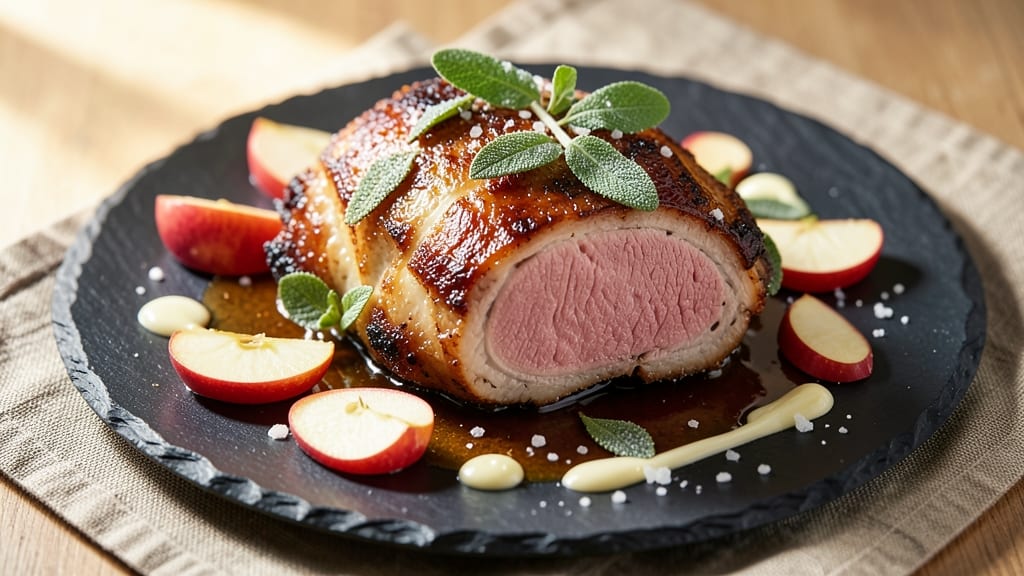
This pork apple sage recipe transforms a simple roast into a showstopper—where tender pork meets caramelized apples and aromatic sage in a pan sauce that tastes like fall in every bite.
The secret lies in balancing sweetness and savory, a technique I perfected while cooking for 2,000 pounds of pork weekly at my restaurant. That experience taught me how to create depth with just a few ingredients.
Start with a bone-in pork shoulder, seared until golden, then slow-roasted until fork-tender. While it rests, caramelize apples with butter and sage until they're soft and glossy, then deglaze the pan to create a rich, velvety sauce that ties everything together.
The result? Juicy pork with crispy edges, apples that melt in your mouth, and a sauce so flavorful it'll have everyone asking for seconds.
This dish works equally well for weeknight dinners or holiday feasts. Serve with creamy mashed potatoes or roasted Brussels sprouts to round out the meal. The combination of textures—tender pork, caramelized apples, and crisp sage—makes every bite satisfying.
It's the kind of recipe that feels special without requiring hours in the kitchen.
For extra depth, add a splash of apple cider to the pan sauce, and don't skip the resting period—it ensures juicy meat and a sauce that's even more flavorful. Trust me, this is the pork recipe that'll become your new favorite. Let's get cooking!
Ingredients for pork apple sage
Sweet, savory, and aromatic—just these ingredients transform simple pork into restaurant-worthy magic.
| Ingredient | Amount | Notes |
|---|---|---|
| Bone-In Pork Shoulder 🐖 | 3 lb | Bone-in for flavor, cut into 2-inch chunks |
| Apples 🍎 | 4 medium | Honeycrisp or Fuji, peeled and quartered |
| Fresh Sage Leaves 🌿 | ½ cup | Packed, stems removed |
| Unsalted Butter 🧈 | ½ cup | Cold, cut into 1-inch cubes |
| Apple Cider 🍏 | ½ cup | Unsweetened, for deglazing |
| All-Purpose Flour 🌾 | 2 tbsp | For thickening sauce |
| Kosher Salt 🧂 | 1 ½ tsp | Diamond Crystal preferred |
| Freshly Ground Black Pepper 🌶️ | ½ tsp | Cracked, not pre-ground |
| Granulated Sugar 🍚 | 1 tbsp | For caramelizing apples |
| Garlic Cloves 🧄 | 4 cloves | Minced for pan searing |
| Olive Oil 🫒 | 2 tbsp | For initial searing |
The pork shoulder is non-negotiable here—bone-in gives deeper flavor, and Costco or local butchers often have the best cuts. Look for good marbling, not too much fat. If you can't find bone-in, use a pork butt roast instead. Apples should be firm but sweet—Honeycrisp or Fuji are my go-tos, but Granny Smith adds tartness if you prefer. Fresh sage matters too; Trader Joe's sells great bundles, but any grocery store's produce section works. Just pick leaves that smell vibrant, not wilted.
No apple cider? Substitute with apple juice + 1 tsp lemon juice—it won't be identical, but close. Running short on butter? Vegan butter works, but expect slightly less richness. The sugar in the apples helps caramelize, but if you're watching carbs, reduce to 1 tsp. For the flour, all-purpose is fine, but gluten-free flour works too if needed. The garlic can be pre-minced (the stuff in jars), but fresh is always better—just smash a clove with the side of your knife for quick mincing.
Pork keeps best in the fridge for 3-4 days before cooking, but it tastes even better the next day. The cooked pork? 3-4 days refrigerated or 3 months frozen. I always make extra sauce—it reheats beautifully and freezes well. Store it in glass jars with a layer of oil on top to preserve freshness. The apples caramelize best fresh, but you can prep them a day ahead and store in the fridge until ready to cook.
Why You'll Love This Recipe
- One-Pan Magic: Honestly, I swear by this—just sear the pork, toss in sliced apples and sage, then let it slow-roast. No chopping boards, no extra pots, just one pan that does all the work while you sip wine and pretend you’re not cooking.
- Sweet-Savory Balance: That crisp apple cider braise? It’s the secret weapon—tender pork with apples so caramelized they practically melt in your mouth, and sage so fresh it tastes like autumn in a bite. (Yes, even on a Tuesday night.)
- Leftovers That Beg: Between us, this dish improves the next day. The pork gets fall-apart juicy, the apples soak up all the flavors, and reheating it? Five minutes in the oven, and suddenly you’ve got a restaurant-worthy meal with zero effort.
- Budget-Friendly Crowd-Pleaser: A bone-in pork shoulder stretches across meals, and apples + cider are cheap in season. Feed six for dinner, eat the rest for lunch—no waste, no stress, just happy eaters (and an empty fridge that won’t judge you).
Step-by-step instructions for sweet-savory pork apple sage
Here's how to transform simple ingredients into a restaurant-worthy dish with tender pork and rich pan sauce.
Sear the Pork Shoulder for Maximum Flavor
Pat the 3 lb bone-in pork shoulder dry with paper towels—this ensures a perfect crust. Heat 2 tbsp olive oil in a large Dutch oven over medium-high heat until shimmering. Add the pork shoulder in a single layer and sear for 4-5 minutes per side until deeply browned.
Don't rush this step—the Maillard reaction creates that irresistible caramelized flavor. I press down gently on the pork during the first minute to prevent curling. Once browned, remove the pork and set it aside on a plate, leaving all that golden browned meat in the pot for the sauce.
Caramelize Apples and Sauté Aromatics
In the same Dutch oven, add 1 tbsp granulated sugar and let it melt for 30 seconds over medium heat. Add the 4 peeled and quartered apples and cook for 5-6 minutes until they begin to soften and release their juices. Stir occasionally to promote even caramelization.
Add the 4 minced garlic cloves and cook for 30 seconds until fragrant. Sprinkle in the 0.5 cup fresh sage leaves and 1.5 tsp kosher salt, stirring for 1 minute until the sage wilts slightly. This step builds the aromatic foundation for your sauce.
Deglaze and Build the Pan Sauce
Pour in the 0.5 cup apple cider and scrape up all those browned bits from the bottom of the pot with a wooden spoon. This deglazing step captures all the meaty flavor that would otherwise stick to the pan. Let the mixture simmer for 3-4 minutes until reduced by half.
Add the 0.5 cup cold unsalted butter cut into cubes and stir until melted. Sprinkle in the 2 tbsp all-purpose flour and whisk vigorously for 1-2 minutes until the sauce thickens to a glossy consistency. Taste and adjust seasoning with 0.5 tsp freshly ground black pepper if needed.
Braise the Pork to Tender Perfection
Return the pork shoulder to the Dutch oven, spooning some of that glorious sauce over the top. Cover tightly with a lid and transfer to a 325°F oven. Braise for 2.5-3 hours until the pork is fork-tender and the internal temperature reaches 200°F (it'll rise to 205°F while resting).
Here's the thing—don't peek! Every time you open that lid, you're letting out moisture and adding time to your cook. The pork will become so tender it practically falls apart when you slice it. If you're worried, use a meat thermometer instead of guessing.
Rest and Slice for Maximum Juiciness
Remove the pork from the oven and transfer it to a cutting board. Tent loosely with foil and let it rest for 20-30 minutes. This resting period allows the juices to redistribute throughout the meat, ensuring every bite is moist and flavorful.
Slice the pork against the grain into ¼-inch thick slices. Spoon the pan sauce over the top and serve immediately. The sauce should coat the pork beautifully, with tender apples and aromatic sage throughout. This dish tastes even better the next day—perfect for meal prep!
Pro Tips For Making Pork Apple Sage
- CRANK THE HEAT FIRST: That pork shoulder needs to sear hard before the slow cook—otherwise, you’re left with bland, gray meat. Get your pan screaming hot (medium-high to high) and let it develop that crust for 5-7 minutes per side. I learned this the hard way after a batch that tasted like it had been steamed instead of caramelized.
- PEEL THOSE APPLES: Raw apple skin stays tough and bitter even after cooking, so peel them first—it’s not optional. Use a sharp knife or vegetable peeler, then cut them into even ½-inch chunks. Uneven pieces burn on the outside while staying raw inside, and nobody wants that.
- DON’T SKIP THE REST: Pull that pork shoulder off the heat and let it rest under foil for 15-20 minutes before slicing. I know, you’re hungry now, but cutting into it too soon turns your tender meat into a sad, dry mess. Trust me, your knife will thank you.
- UPGRADE WITH CIDER REDUCTION: Instead of just tossing apple cider in the pan, reduce it first—simmer it down by half before adding the pork. The concentrated flavor clings better to the meat, and you’ll end up with a glossier sauce. (Yes, even if you’re impatient like me, take the 5 minutes.)
Pro cooking tips for great pork apple sage
Searing Secrets
I can't stress enough how critical the sear is for this dish. Use a Dutch oven—it's the only pot that can handle the heat and volume.
Heat it until it's smoking hot before adding the pork, and let it sear undisturbed for those first 2-3 minutes to build deep flavor. I swear by a cast iron Dutch oven from Lodge—it retains heat like a dream and develops that perfect crust. 🔥
Apple Caramelization
Don't skip the sugar when caramelizing the apples—it's what creates that beautiful glossy sheen and sweet-savory balance. Cut the apples into even-sized chunks so they cook uniformly. If you're using Granny Smith, reduce the sugar to ½ tbsp—their natural tartness needs less sweetness.
Stir occasionally but not constantly; you want those fond spots to form for extra depth.
Sage Timing
Add the sage just before the apple cider—this ensures the leaves wilt perfectly without turning bitter. I like to crush the leaves between my fingers first to release their oils, then add them whole so they infuse the sauce without disappearing.
If you're using dried sage, reduce to 1 tbsp and add it with the garlic. Fresh is always better, but dried works in a pinch.
Sauce Thickening
When adding the flour to thicken the sauce, whisk it into the butter first before pouring it into the pan. This creates a roux that thickens more evenly and prevents lumps.
If your sauce isn't thickening enough, add 1 more tbsp flour and let it cook for another 30 seconds. The sauce should coat the back of a spoon but still be silky, not gluey.
Resting Rules
This is where most home cooks mess up. The pork needs at least 20 minutes to rest—longer if possible. I've seen people slice into it immediately and end up with dry, sad meat. Use this time to make your sides or set the table.
The internal temperature will rise 5-10°F during resting, so don't worry if it's not quite at 205°F when you pull it from the oven.
Equipment Upgrades
If you're serious about this dish, invest in a meat thermometer—I use the ThermoWorks Smoke for accuracy. A wooden spoon is essential for deglazing without scratching your Dutch oven. And for serving, grab a carving fork with serrated edges—it makes slicing through the pork against the grain effortless.
These tools might seem like extras, but they make all the difference in professional results. 💪
Nutrition facts
Frequently asked questions
Can I substitute pork tenderloin for pork shoulder in this recipe?
Yes, but with adjustments! Pork tenderloin cooks much faster—aim for 1.5-2 pounds and reduce the braising time to 1-1.5 hours at 325°F. Slice it ½-inch thick against the grain for best texture. The sauce ratio stays the same, but tenderloin won't be as forgiving if overcooked. Use a meat thermometer to hit 145°F internal temp.
What's the best way to reheat leftovers?
Reheat pork and sauce together in a skillet over medium-low heat with a splash of apple cider or water to prevent drying. Cover for 5-7 minutes, stirring occasionally, until warmed through (165°F). For extra richness, add a pat of butter. Microwaving works in a pinch, but the sauce may separate—always stir well. Leftovers taste even better the next day!
Can I make this dish in a slow cooker?
Brown the pork first in a skillet, then transfer to the slow cooker with apples, sage, apple cider, and ½ cup water. Cook on Low for 6-8 hours or High for 3-4 hours until tender. Finish by making the sauce separately in a pan—thicken it with the flour-butter mixture as directed. The slow cooker method is perfect for busy days!
Why did my sauce turn out too thin?
This usually happens from one of three things: not enough flour (add 1 more tbsp and cook 1 minute longer), sauce wasn't reduced enough before adding butter, or butter melted too quickly. For next time, whisk flour into cold butter first, then add to the pan—this creates a smoother roux. If it's still too thin, mix 1 tsp cornstarch with 1 tbsp water and stir it in.
What sides pair best with this dish?
Classic pairings include creamy mashed potatoes, roasted Brussels sprouts with bacon, or buttery egg noodles. For a lighter option, try a crisp arugula salad with apple cider vinaigrette—it echoes the apple-sage flavors. My go-to is garlic mashed sweet potatoes—the sweetness complements the pork perfectly. Don't forget warm dinner rolls for soaking up that delicious sauce!