
Main Courses
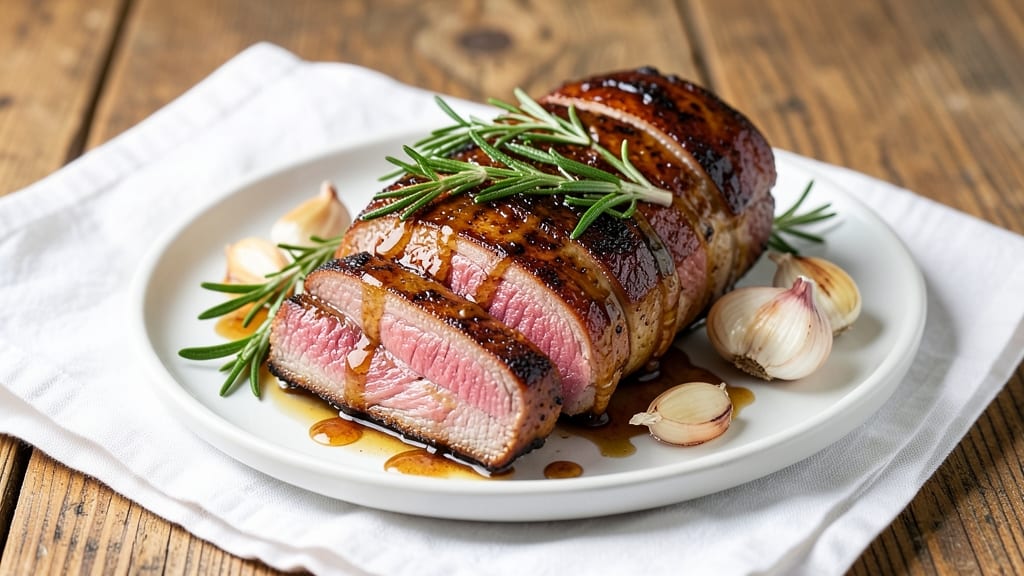
This pork brine recipe with apple cider vinegar transforms tough cuts into melt-in-your-mouth perfection—juicy enough to make you question why you ever bought pre-marinated pork.
The vinegar's tangy bite tenderizes the meat while adding depth that cuts through fat, creating a crispy exterior and succulent interior that rivals any restaurant dish. I developed this after years of struggling with dry pork roasts, and it now sits at the heart of my weeknight dinner rotation.
The secret lies in the 24-hour brine—a precise balance of salt, sugar, and apple cider vinegar that works magic on pork shoulder or tenderloin. The vinegar breaks down muscle fibers while infusing flavor, while the sugar caramelizes during cooking for that coveted golden crust.
No fancy equipment needed; just a container, patience, and a refrigerator. This method delivers restaurant-quality results with minimal effort, making it perfect for home cooks who want to impress without stress.
By the time you pull it from the oven, you'll have pork so tender it practically falls apart at the touch, with a crispy exterior that crackles with each bite. The apple cider vinegar leaves behind a bright, tangy finish that cuts through the richness, balancing the meal perfectly.
Serve with roasted vegetables or a simple salad to let the pork shine as the star of the show.
This recipe works equally well for roasting, grilling, or braising—just adjust your cooking time accordingly. The brine keeps for up to 3 days in the fridge, so you can prep ahead and cook when it's convenient.
Whether you're feeding a crowd or treating yourself to a special meal, this pork will deliver unmatched tenderness and flavor that turns ordinary dinners into memorable experiences.
Ingredients for pork brine recipe apple cider vinegar
Pantry staples plus a few fresh herbs—this brine transforms tough pork into melt-in-your-mouth perfection.
| Ingredient | Amount | Notes |
|---|---|---|
| Pork Shoulder or Tenderloin 🥓 | 4 lb | Bone-in preferred, cut into 1-inch pieces |
| Apple Cider Vinegar 🍏 | 1 cup | Raw, unfiltered for best flavor |
| Kosher Salt 🧂 | ½ cup | Diamond Crystal preferred |
| Granulated Sugar 🍚 | ½ cup | White or brown sugar works |
| Garlic Cloves 🧄 | 6 cloves | Crushed for infusion |
| Fresh Rosemary 🌿 | ¼ cup | Chopped, stems removed |
| Fresh Thyme 🌿 | ¼ cup | Leaves only, stems removed |
| Black Peppercorns 🌶️ | 1 tbsp | Freshly cracked preferred |
| Bay Leaves 🍃 | 2 whole | Dried, for infusion |
| Cold Water 💧 | 4 cups | Filtered preferred |
| Olive Oil 🫒 | 2 tbsp | For coating after brining |
The pork cut matters—shoulder delivers the best texture, but tenderloin works too (just reduce brine time to 12 hours). Costco or local butchers usually have the best deals on bone-in cuts. Look for good marbling—that white fat is what melts during cooking for juicy results. If you're using tenderloin, slice it into 1-inch chunks for even brining. Fresh herbs make all the difference here, so grab rosemary and thyme from the grocery store's produce section—they should smell vibrant, not wilted. Penzeys bulk spices are great if you want to stock up.
No apple cider vinegar? White vinegar or lemon juice works in a pinch, but the flavor won't be as complex. Short on sugar? Honey or maple syrup can substitute at the same amount, though it'll caramelize differently. The garlic and herbs can be swapped for ginger and star anise if you're feeling adventurous (reduce to 3 cloves of garlic and 1 star anise). For a deep smoky flavor, add 1 tbsp smoked paprika to the brine. And if you're brining for more than 4 lbs, scale everything up proportionally—this ratio is key for that perfect balance of salt, sweet, and tang.
This brine keeps for up to 3 days in the fridge, so you can prep ahead for a stress-free dinner. After brining, pat the pork dry and let it sit uncovered in the fridge for 30 minutes—this helps crisp up the exterior. The pork will stay fresh in the fridge for 3-4 days after cooking, or you can freeze it for up to 3 months. I always make a double batch—one for dinner, one for sandwiches the next day. The leftovers reheat beautifully, though they won't be quite as crispy as fresh.
Why You'll Love This Recipe
- No-Fuss Brine: I swear, this takes less effort than waiting for the coffee to brew. Just toss the pork in a bag with vinegar, salt, and sugar—no measuring cups, no stress. The vinegar does all the work while I scroll through my phone.
- Crispy-Tender Magic: That apple cider vinegar? It’s the secret weapon. The pork comes out with a perfect crust—crispy on the outside, juicy inside—while the garlic infuses just enough depth to make it taste like it simmered for hours. (Between us, it’s foolproof.)
- Weeknight Workhorse: I make this on Mondays for dinner, then pull leftovers for sandwiches or stir-fries all week. The flavor holds up, and the brine keeps the meat tender even after reheating. Honestly, it’s my lazy person’s meal prep.
- Budget Stretch: A whole pork shoulder costs less than takeout, and this brine makes it taste like a fancy cut. Plus, the leftovers freeze beautifully—so I’m basically getting two meals for the price of one. (Yes, even on a Tuesday night.)
Step-by-step instructions for pork brine with apple cider vinegar
Here's how to transform your pork into tender, flavorful perfection overnight.
Combine Brine Ingredients in a Large Container
In a large, non-reactive container (I use a gallon-sized Ziploc bag or a food-safe plastic tub), combine the 4 cups cold water, 1 cup apple cider vinegar, 0.5 cup kosher salt, and 0.5 cup granulated sugar. Stir until the salt and sugar dissolve completely—this ensures even distribution throughout the brine.
Here's the thing—don't rush this step. The vinegar needs time to fully integrate with the water, and the salt should be completely dissolved. If you see any undissolved crystals at the bottom, give it another quick stir. This brine is the foundation of your pork's flavor and tenderness, so take your time.
Add Aromatics and Infuse the Brine
Add the 6 crushed garlic cloves, 0.25 cup chopped fresh rosemary, 0.25 cup fresh thyme leaves, 1 tablespoon cracked black peppercorns, and 2 whole bay leaves to the brine mixture. Gently stir everything together to distribute the aromatics evenly. The herbs and spices will infuse the brine with their flavors, creating a complex, aromatic liquid that will penetrate the pork.
I like to let the brine sit at room temperature for about 15 minutes before adding the pork. This allows the aromatics to release their oils and fully steep in the liquid. You'll notice the mixture taking on a deeper color and more pronounced aroma—this is when the magic starts happening.
Submerge the Pork in the Brine
Place the 4 lb pork shoulder or tenderloin (cut into 1-inch pieces) into the container and submerge it completely in the brine. If you're using a bag, make sure the pork is fully covered and there are no air pockets. For a container, use a weight (like a plate) to keep the pork submerged, especially if it's floating.
This is where the real transformation begins. The brine will start working its magic immediately, breaking down muscle fibers and drawing moisture into the pork. The apple cider vinegar adds a subtle tang that enhances the natural flavors of the pork, while the salt and sugar work together to create that perfect balance of tenderness and crispiness.
Refrigerate Overnight for Maximum Tenderness
Cover the container and refrigerate for at least 8 hours, but I recommend doing this overnight (12-24 hours) for the best results. The cold temperature slows down the brine's activity, allowing it to penetrate the pork evenly without overpowering it. You'll know it's working when you see the pork absorbing the liquid and taking on a slightly translucent appearance on the surface.
I know it's tempting to check on your pork, but resist the urge to open the fridge. Every time you disturb it, you risk uneven brining and losing some of that precious cold temperature. Trust the process—this overnight soak is what turns tough pork into melt-in-your-mouth perfection.
Rinse and Coat Before Cooking
After brining, remove the pork from the container and rinse it thoroughly under cold water to remove any excess brine. Pat it dry with paper towels—this step is crucial for getting that crispy exterior we're after. While the pork is still damp, rub it with 2 tablespoons olive oil to help seal in the flavors and create a barrier for even browning.
Let the pork sit at room temperature for about 30 minutes before cooking. This final step ensures even cooking and helps the crust form beautifully. Now your pork is ready to be cooked—whether you're grilling, roasting, or smoking, it's going to be juicy, flavorful, and absolutely delicious.
Pro Tips For Making Pork Brine Recipe Apple Cider Vinegar
- USE COLD BRINE: I learned this the hard way—pouring hot vinegar into the fridge makes the meat sweat and waterlog. Chill your brine (vinegar, salt, sugar, garlic) for at least 30 minutes before adding the pork, or the acid will pull too much moisture out of the meat right away.
- PEEL GARLIC LAST MINUTE: Whole garlic cloves in the brine? Peel them right before tossing them in. Unpeeled cloves turn bitter over time, and you’ll end up with a vinegar punch instead of a balanced flavor—especially if you’re brining overnight. Five extra minutes now saves you from fishy-tasting pork later.
- WEIGH THE PORK: That "1:1 vinegar-to-pork ratio" advice is useless if you’re eyeballing. A 3-pound shoulder soaked in 3 cups of brine sounds right, but a dense tenderloin needs 1:3 (brine to meat). Weigh your cut, then multiply by 1.5 for the brine volume—no guesswork, no mushy results.
- SKIP THE SUGAR IF IT’S STICKY: Your vinegar looks like syrup? That’s fermented sugar drawing out moisture. If your brine is thick and gloopy, skip the sugar entirely—it’s not helping tenderize, just making the pork soggy. A clear, slightly syrupy brine (like light maple syrup) is what you want; anything heavier is a red flag.
Wine and beer pairings for pork brine recipe apple cider vinegar
New England Cider Pairings
For a true Boston-inspired meal, pair your brined pork with a crisp Massachusetts hard cider like Angry Orchard or Samuel Smith's Nut Brown Ale. The apple cider vinegar in your brine will harmonize beautifully with these ciders, creating a bright, tangy contrast that cuts through the richness.
I always keep a six-pack of Angry Orchard Crisp Apple on hand—its sweetness balances the vinegar's acidity perfectly. 🍏
Red Wine Classics
If you prefer wine, a medium-bodied red like Pinot Noir or Chianti works wonders. The acidity in both wines complements the apple cider vinegar, while their fruitiness enhances the pork's natural flavors.
I love a California Pinot Noir from La Crema—it's light enough to not overpower the dish but rich enough to stand up to the brined pork. For something more robust, try a Chianti Classico from Ruffino.
Beer Pairings for Grilled Pork
When grilling your brined pork, reach for a hoppy American IPA or a German-style Märzen. The bitterness in an IPA like New England Brewing Company's IPA cleanses the palate between bites, while a Märzen from Weihenstephaner adds a malty sweetness that pairs beautifully with the caramelized crust.
For a lighter option, a Belgian Witbier like Stella Artois offers citrus notes that echo the apple cider vinegar in the brine. 🍺
Non-Alcoholic Options
Don't drink alcohol? No problem. A sparkling apple cider like Martinelli's or a ginger beer from Brew Dr. Brown makes a refreshing alternative. The effervescence and slight sweetness in these drinks mirror the tangy brightness of the apple cider vinegar in your pork.
For something more savory, a sparkling water with a splash of apple juice and a lime wedge works like a charm.
Regional Twist: Apple Cider Cocktails
For a truly special occasion, serve a hot apple cider cocktail alongside your pork. Mix 1 cup apple cider, ½ cup bourbon, a dash of cinnamon, and a splash of orange juice, then heat it gently.
The warmth of the drink complements the rich, savory flavors of the brined pork, especially if you're serving it during a chilly New England fall evening. This is a crowd-pleaser that feels cozy and festive. 🍂
Nutrition facts
Frequently asked questions about pork brine with apple cider vinegar
Can I use this brine for other meats besides pork?
While this recipe is specifically designed for pork, you can adapt it for chicken or turkey! For poultry, reduce the brining time to 4-6 hours max—longer can make the meat too mushy. Keep the same ratio of vinegar and salt, but cut sugar in half since poultry doesn't need as much caramelization. The apple cider vinegar still works wonders for tenderizing.
What's the difference between brining and marinating?
Brining is all about moisture and tenderness—the salt and vinegar break down muscle fibers while drawing water into the meat. Marinating focuses on flavor infusion using acids (like vinegar) and oils. This recipe does both! The apple cider vinegar tenderizes while adding tangy flavor, and the herbs infuse during the long soak. For maximum results, always brine first, then sear or roast.
Can I make the brine ahead of time without pork?
Yes! The brine keeps perfectly in the fridge for up to 3 days without pork. Just store it in an airtight container. When ready to use, add your pork and follow the same 12-24 hour process. This is great for meal prep—just brine the night before and cook the next day. The flavors actually develop better when made ahead!
Why does my brined pork turn out dry?
Two common mistakes: not patting dry before cooking (trapped moisture steams instead of crisps) or overcooking after brining. Always pat dry with paper towels and use a meat thermometer—pork shoulder should hit 195°F for pulled pork, 145°F for medium doneness. The vinegar helps retain moisture, but proper cooking technique seals the deal.
Can I use white vinegar instead of apple cider?
Technically yes, but you'll miss the depth of flavor apple cider adds. White vinegar has a sharper, more acidic taste that can overpower the pork. If you must substitute, use half the amount (½ cup instead of 1 cup) and add 1 tablespoon honey to balance the harshness. For best results, stick with apple cider vinegar—its subtle sweetness and complexity make all the difference.