
Main Courses
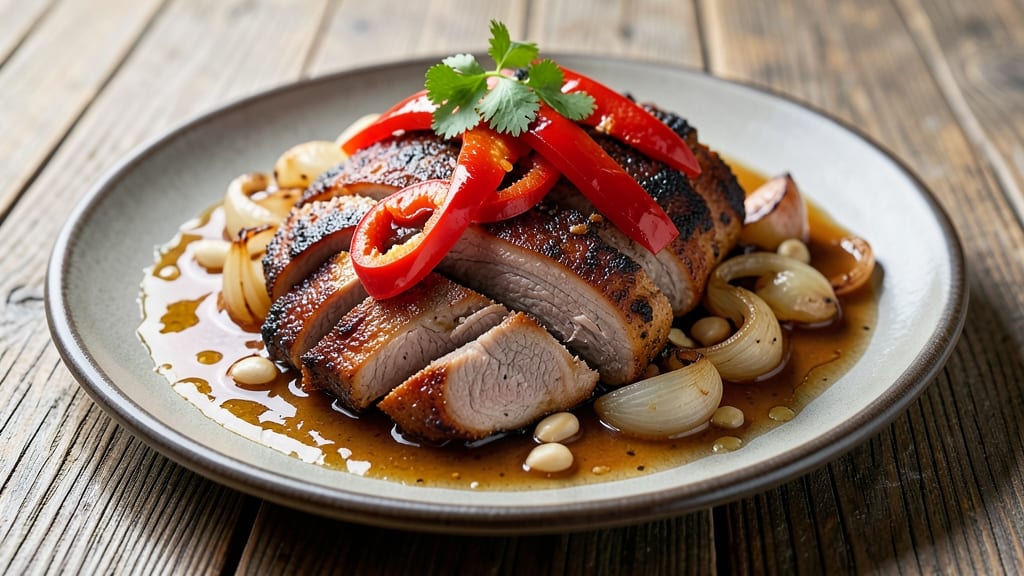
This pork estofado recipe with pineapple juice transforms tough pork into melt-in-your-mouth tenderness while balancing sweet and savory flavors in every bite. The pineapple juice plays a crucial role—its natural acidity tenderizes the meat while adding a bright, tropical depth that cuts through the richness.
I first discovered this technique while researching Portuguese cuisine, and it quickly became a family favorite for its comforting yet sophisticated profile.
The magic happens during the slow braising process, where pork shoulder simmers in a rich sauce until fork-tender. The pineapple juice reduces into a glossy glaze that caramelizes beautifully, creating pockets of sweetness that contrast perfectly with the savory spices.
This dish is perfect for special occasions or when you want to impress guests without spending hours in the kitchen—just prep, then let the slow cooker do the work.
What you'll end up with is a restaurant-quality stew where tender pork falls apart at the touch of a fork, swimming in a velvety sauce that's equally delicious over rice or crusty bread.
The aroma alone will have everyone gathering around the table, and the flavors only deepen as it sits. This is the kind of dish that tastes even better the next day, making it ideal for meal prep.
Pair it with roasted potatoes or a simple green salad to round out the meal. The bright acidity of the pineapple juice makes this estofado versatile enough for weeknight dinners while still feeling special enough for company. Let's get cooking—your taste buds will thank you.
Ingredients for pork estofado recipe with pineapple juice
Sixteen ingredients for a dish that tastes like a hug from Portugal's kitchen.
| Ingredient | Amount | Notes |
|---|---|---|
| Pork Shoulder 🥩 | 3 lb | Bone-in for best flavor |
| Pineapple Juice 🍍 | 1 ½ cups | Freshly squeezed preferred |
| Yellow Onion 🧅 | 1 whole | Diced into small pieces |
| Garlic Cloves 🧄 | 6 cloves | Minced for depth of flavor |
| Red Bell Pepper 🌶️ | 1 whole | Diced, any color works |
| Tomato Paste 🍅 | ½ cup | Squeeze tube preferred |
| Bay Leaves 🌿 | 2 whole | Dried for convenience |
| Ground Cumin 🌶️ | 1 tbsp | Toasted for warmth |
| Paprika 🌶️ | 1 tbsp | Smoked for extra depth |
| Olive Oil 🫒 | ¼ cup | Extra-virgin for richness |
| Beef Broth 💧 | 2 cups | Low-sodium preferred |
| White Wine 🍷 | ½ cup | Dry variety recommended |
| Salt 🧂 | 1 ½ tsp | Kosher or sea salt |
| Black Pepper 🌶️ | ½ tsp | Freshly ground preferred |
| Fresh Parsley 🌿 | ¼ cup | Chopped for garnish |
The pork shoulder is the star here—bone-in cuts stay juicier, but boneless works too. Trader Joe's and Costco usually have it pre-cut for convenience, but if you're buying whole, look for good marbling. That fat renders down into flavor gold during the slow cook. The pineapple juice? Fresh is ideal, but canned works in a pinch—just pick one without added sugar. I grab the fresh stuff at Whole Foods when I'm making this, but regular grocery stores carry it too. Don't skip the bay leaves—they add that subtle earthiness that makes this dish sing.
No pineapple juice? Fresh orange juice with a splash of lime gets you close, though it'll lack that tropical depth. Running low on white wine? Apple cider or extra beef broth bridges the gap. The tomato paste can be the squeeze tube kind—no need to buy the fancy can. Fresh parsley is nice, but dried oregano at half the amount works too. For the spices, Penzeys or bulk bins have the freshest ground cumin and paprika. Toast your cumin seeds in a dry pan for 30 seconds before grinding—game changer for flavor. The bell pepper can be any color, but red has the sweetest taste.
This dish only gets better with time—3-4 days in the fridge is perfect for meal prep. The sauce thickens as it sits, so add a splash of water or broth if it gets too heavy. Freezes beautifully for up to 3 months, though the texture changes slightly after thawing. I always make a double batch because it disappears fast. Serve over rice or crusty bread—the sauce soaks right in. Leftovers? Even more delicious reheated with a splash of water or broth to loosen the sauce.
Why You'll Love This Recipe
- One-Pot Magic: I swear by this recipe when I’m too tired to wash dishes. Sear the pork shoulder, toss in onions and garlic, then let the pineapple juice do its thing—no extra pans, no stress. The bell pepper adds a pop of color and sweetness without extra effort.
- Sweet-Savory Balance: That pineapple juice isn’t just for flavor—it tenderizes the pork while keeping it juicy, and the caramelized onions and garlic create this deep, rich base. Honestly, the first time I tasted it, I thought, "Why didn’t I do this sooner?"
- Weeknight to Weekend: Make a big batch on Sunday, and you’ve got lunch or dinner covered all week. The flavors only get better as it sits, and it reheats like a dream—perfect for busy nights or when you’ve got guests over unexpectedly.
- Budget-Friendly Feast: Pork shoulder is affordable, and the other ingredients stretch far. I’ll be real: this recipe feeds four for under $15, and the leftovers? Even better the next day. My wallet—and my taste buds—thank me every time.
Step-by-step instructions for pork estofado with pineapple juice
Here's how to create this rich, caramelized stew with tender pork and bright pineapple notes.
Sear the Pork Shoulder for Deep Flavor
Pat the 3 lb pork shoulder completely dry with paper towels—this ensures maximum browning. Heat the 0.25 cup olive oil in a large Dutch oven over medium-high heat until shimmering. Add the pork shoulder and sear on all sides for about 8-10 minutes total, until the exterior develops a deep golden-brown crust.
Don't rush this step. The pork should release from the pan with gentle persuasion, and you'll smell that wonderful, caramelized aroma. Once browned, remove the pork and set it aside on a plate. You're building flavor here—those browned bits are pure gold for your stew.
Build the Aromatic Base
In the same Dutch oven, add the diced 1 whole yellow onion and diced 1 whole red bell pepper. Cook for 5-6 minutes, stirring occasionally, until the vegetables begin to soften and release their juices. Add the 6 cloves minced garlic cloves and cook for another 30 seconds until fragrant.
Here's where the magic starts. Stir in the 0.5 cup tomato paste and cook for 2 minutes, allowing it to darken slightly. This creates a rich foundation for your sauce. Add the 1 tbsp ground cumin and 1 tbsp paprika, stirring to coat everything evenly. The spices will bloom beautifully and infuse the vegetables with warmth.
Deglaze and Simmer the Base
Pour in the 0.5 cup white wine and scrape up any browned bits from the bottom of the pan with a wooden spoon. This deglazing step captures all those delicious caramelized flavors. Let the wine simmer for 3-4 minutes until reduced by half, then add the 1.5 cups pineapple juice and 2 cups beef broth.
Bring the mixture to a gentle simmer, then add the 2 whole bay leaves, 1.5 tsp salt, and 0.5 tsp black pepper. Return the pork shoulder to the pot, making sure it's fully submerged in the liquid. The goal here is to create a flavorful broth that will tenderize the pork beautifully over time.
Slow Cook Until Tender
Cover the Dutch oven and transfer it to a preheated 325°F oven. Cook for 2.5 to 3 hours, or until the pork is fork-tender and easily pulls apart. You'll know it's ready when a knife slides in and out smoothly, and the internal temperature reaches 200°F.
This long, slow cooking process is what transforms tough pork shoulder into melt-in-your-mouth tenderness. I like to check the pork after 2 hours to ensure it's on track. If the liquid seems too thin, you can reduce it slightly by uncovering the pot for the last 15 minutes of cooking.
Finish and Garnish
Once the pork is tender, remove it from the pot and let it rest for 10 minutes. Skim any excess fat from the surface of the sauce, then return the pork to the pot and heat everything through over medium heat for 5 minutes. The pork will absorb the remaining flavors beautifully.
Before serving, stir in the 0.25 cup chopped fresh parsley. This adds a bright, fresh contrast to the rich, caramelized flavors. Ladle the pork and sauce into bowls, making sure each serving gets a generous portion of both. The pork should be falling-apart tender, and the sauce should coat the back of a spoon with a perfect balance of sweet pineapple and savory depth.
Pro Tips For Making Pork Estofado Recipe With Pineapple Juice
- Brown the Pork First: Walk away after the initial sear—you want deep, caramelized crust on those pork shoulder chunks, not a quick char. Five minutes per side on high heat, no crowding the pan, or you’ll steam the meat instead of brown it. (Yes, even if you’re impatient like me.)
- Use Fresh Pineapple Juice: Store-bought juice lacks the bright acidity and natural sweetness that fresh pineapple juice brings to the stew. Blend a cup of fresh pineapple chunks, strain, and reduce it slightly before adding—it’ll cut through the richness of the pork and onions without overpowering them.
- Slice Onions Thinly: I used to dice onions for this recipe, but thinly sliced (almost translucent) onions melt into the sauce faster and sweeten it more evenly. No need to chop them small enough to disappear—just thin enough to soften in 10 minutes, not 30.
- Deglaze with Cold Juice: After browning the pork, let the pan cool for 30 seconds before adding pineapple juice. Cold liquid loosens the stuck-on bits better than hot, and you’ll end up with a smoother, glossier sauce. (Your future self will thank you.)
Make-ahead tips for this recipe
Prep Ahead Timeline
I like to prep this dish 24 hours in advance—the flavors deepen overnight like a fine wine. After searing the pork and building the base, transfer everything to a slow cooker or Dutch oven and refrigerate.
The next day, simply bring to a simmer and cook until the pork reaches 200°F. This method saves you oven time while intensifying the sauce's richness. 🌟
Freezer-Friendly Strategy
For maximum convenience, assemble the entire dish (seared pork, veggies, and sauce) in a freezer-safe bag, leaving 1 inch headspace for expansion. Freeze for up to 3 months.
When ready to cook, thaw in the fridge overnight, then transfer to a pot and simmer on the stovetop for 1.5 hours until the pork is tender. The sauce may thicken slightly—just add a splash of water or broth to loosen it.
Sauce Thickening Hack
If you're prepping for leftovers, let the sauce thicken naturally in the fridge. When reheating, stir in 1 tbsp cornstarch mixed with 2 tbsp water per cup of sauce to restore its velvety consistency.
This works especially well if you've stored it for 3-4 days. I often double the recipe just so I can enjoy this sauce thickening magic over multiple meals. ✨
Pork Prep Shortcut
Buy pre-cut, bone-in pork shoulder from Costco or Trader Joe's to save 15 minutes of butchering time. If you're using boneless pork, trim any large fat deposits before searing—they can make the sauce greasy.
I also like to season the pork with 1 tsp salt and ½ tsp black pepper before searing, giving it a head start on flavor development.
Vegetable Prep Efficiency
Chop all your vegetables (onion, bell pepper, garlic) at once and store them in a ziplock bag in the fridge. This keeps them fresh for up to 3 days and makes assembly day a breeze.
I even label the bags with the date—no more guessing if they're still good! The pineapple juice can also be pre-measured and refrigerated separately for easy pouring later. 💡
Slow Cooker Adaptation
For hands-off cooking, transfer the seared pork and sauce components to a 6-quart slow cooker and cook on low for 8 hours or high for 5 hours. The slow cooker's gentle heat mimics the oven's low-and-slow approach.
I find this method especially useful for busy weeknights—just dump everything in before work and come home to a restaurant-quality meal. 🍲
Nutrition facts
Frequently asked questions
Why does this recipe use pineapple juice instead of traditional braising liquids?
The pineapple juice adds a bright tropical acidity that tenderizes the pork while balancing the rich, savory flavors. Unlike vinegar or wine alone, it caramelizes beautifully during cooking, creating pockets of sweetness that contrast perfectly with the cumin and paprika. This technique comes from Portuguese-inspired fusion cooking where tropical ingredients elevate classic stews.
Can I substitute chicken or beef for the pork?
For chicken, use 2 bone-in thighs and 2 drumsticks (about 2.5 lbs total) and reduce cooking time to 1.5 hours. For beef, choose a 2-inch thick chuck roast and cook for 3-4 hours. The pineapple juice works equally well with both proteins, but adjust cooking times based on cut thickness. Beef will need longer to tenderize.
What's the best way to reheat leftovers without drying out the pork?
Reheat gently in a covered pot over low heat with 2-3 tablespoons of water or broth per serving. Stir occasionally and add more liquid if needed—this prevents the sauce from thickening too much. For microwave reheating, cover with a damp paper towel and heat in 30-second intervals, stirring between each. The pork should stay moist and tender.
How do I adjust this recipe for a slow cooker?
Follow the same steps for searing the pork and building the base, then transfer everything to a 6-quart slow cooker. Cook on low for 8 hours or high for 5 hours. The slow cooker's gentle heat mimics the oven's low-and-slow method perfectly. Just make sure the pork is fully submerged in liquid—add a splash of broth if needed before sealing.
What if my sauce is too thin after cooking?
Simmer the sauce uncovered for 10-15 minutes to reduce it naturally. For quicker results, mix 1 tbsp cornstarch with 2 tbsp cold water and stir it into the sauce while heating. Cook for another 2-3 minutes until thickened to your desired consistency. This works especially well if you've stored leftovers in the fridge and the sauce has separated.