
Main Courses
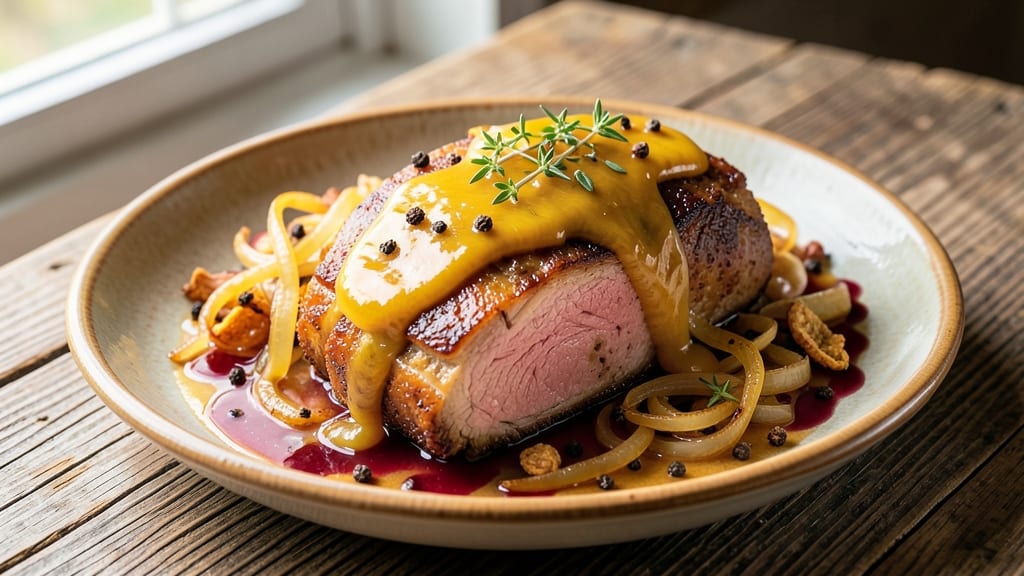
This pork humba recipe with pineapple juice brings the vibrant flavors of the Caribbean straight to your kitchen—where tender pork simmers in a tangy-sweet sauce until it practically melts in your mouth. 🌟 The secret lies in the pineapple juice marinade, which tenderizes the meat while infusing it with that signature tropical brightness Jamaican and Bahamian cooks have perfected for generations.
The beauty of this dish is in its simplicity: just a few core ingredients transform into a restaurant-worthy meal with minimal effort.
We'll start with a marinade of pineapple juice, garlic, and thyme, then slow-cook the pork until it's fork-tender, all while building a rich, caramelized sauce that clings to every bite. The result? A dish that's equally at home on Sunday dinner tables or festive gatherings.
What makes this recipe truly special is how the flavors develop over time—the pineapple juice caramelizes slightly, creating a glossy sauce that balances sweet and savory perfectly. The slow cooking ensures the pork stays juicy, while the aromatic spices create layers of complexity that will have everyone asking for seconds.
This is comfort food with Caribbean flair, elevated just enough to feel like a special occasion.
Pair it with steamed rice and peas or fried plantains for the full experience, or serve it over mashed sweet potatoes for a modern twist. The possibilities are endless, but the foundation—a perfectly braised pork humba—is foolproof. Let's get cooking!
Ingredients for pork humba recipe with pineapple juice
Sixteen ingredients transform into a restaurant-quality Caribbean braise with just a few hours of slow cooking.
| Ingredient | Amount | Notes |
|---|---|---|
| Pork Shoulder (Bone-In) 🐖 | 3 lb | Cut into 2-inch chunks for even cooking |
| Pineapple Juice 🍍 | 1 ½ cups | Freshly squeezed preferred, no pulp |
| Yellow Onion 🧅 | 1 whole | Medium size, chopped into half-moons |
| Garlic Cloves 🧄 | 6 cloves | Fresh, minced for marinade and cooking |
| Fresh Thyme Sprigs 🌿 | 4 whole | Or 1 tbsp dried thyme if fresh unavailable |
| Allspice Berries 🌶️ | 1 tsp | Crushed lightly for authentic flavor |
| Ground Allspice 🌶️ | ½ tsp | Substitute if whole berries unavailable |
| Ground Cinnamon 🌿 | ½ tsp | For subtle warmth in the sauce |
| Ground Nutmeg 🌿 | ¼ tsp | Freshly grated preferred for depth |
| Brown Sugar 🍯 | ½ cup | Light or dark, packed measurement |
| Tomato Paste 🍅 | 2 tbsp | Squeeze tube or canned preferred |
| Vegetable Oil 🫒 | 2 tbsp | For searing pork before braising |
| Salt 🧂 | 1 ½ tsp | Kosher or sea salt for seasoning |
| Black Peppercorns 🌶️ | ½ tsp | Freshly cracked for best flavor |
| Fresh Scallions 🧅 | 3 whole | Sliced thin for garnish, optional |
The pork shoulder is non-negotiable—bone-in stays juicier and develops deeper flavor during the long braise. Look for cuts with good marbling at Whole Foods or your local butcher shop, as supermarket pre-cut pork often lacks the same richness. Fresh pineapple juice is critical for authentic taste; canned juice works in a pinch but lacks the bright acidity. For thyme, Caribbean markets often carry fresh sprigs with more intense flavor than grocery store bunches, though dried works at one-third the amount. Allspice berries are the secret weapon—Penzeys Spices sells them whole, but if unavailable, ground allspice suffices. The brown sugar should be packed tightly to avoid measuring errors that dilute the sauce's balance.
No fresh pineapple juice? Fresh lime juice at half the amount adds tartness, though it won't replicate the pineapple's unique depth. Substituting ground allspice for whole berries works, but toasting the whole berries in a dry pan for 30 seconds before grinding amplifies their aroma dramatically. For tomato paste, Trader Joe's squeeze tubes eliminate waste and keep for months in the pantry. The scallions are optional but add a bright finish—green onions work equally well. If you're short on time, pre-minced garlic from the jar saves steps, though freshly minced garlic imparts more complexity. The brown sugar can be swapped for white sugar, but the molasses notes in brown sugar caramelize beautifully during braising.
This dish tastes even better the next day as flavors meld. Store leftovers in an airtight container in the fridge for up to 5 days, or freeze for 3 months in portion-sized containers. The sauce thickens as it cools, so add 1-2 tbsp water when reheating. For meal prep, double the recipe and freeze half—just thaw overnight in the fridge before reheating. The pork becomes more tender with each reheat, making this a perfect make-ahead dish for gatherings. Garnish with fresh scallions just before serving to preserve their bright color.
Why You'll Love This Recipe
- One-Pot Magic: I swear by this recipe when I’m too tired to dirty more than one pan. The pork shoulder practically cooks itself in the pineapple juice, and by the time the onions caramelize, dinner’s ready—no extra pots, no fuss.
- Sweet-Savory Balance: That tangy pineapple juice cuts through the richness of the pork while the thyme and garlic add depth. Honestly, the first bite makes me pause—it’s like a tropical hug for your taste buds, but with real meaty satisfaction.
- Leftovers That Don’t Suck: Between us, most pork dishes turn dry or bland after day two. Not this one. The pineapple keeps it juicy, and I’ve reheated these leftovers for days—even my picky teenager asks for seconds. (Yes, even on a Tuesday night.)
- Budget-Friendly Feast: Pork shoulder is cheap, and this recipe stretches it into a full meal. Add rice or plantains, and suddenly you’ve got a spread that feeds four for under $15. My wallet and my family thank me every time.
Step-by-step instructions for pork humba with pineapple juice
Master this Caribbean-inspired braise with bold flavors and tender pork through precise technique.
🔥 Step 1: Sear the Pork Shoulder for Deep Flavor
Pat the 3 lb pork shoulder dry with paper towels—this is critical for that signature crispy exterior. Heat the 2 tbsp vegetable oil in a heavy Dutch oven over medium-high heat until shimmering. Working in batches if needed, add the pork shoulder in a single layer and sear for 4-5 minutes per side until deeply browned. Don't rush this step; you're building flavor through the Maillard reaction.
As the pork browns, remove it to a plate and set aside. You'll notice the fat rendering out—this is good. If the pan gets too dark or smoky, reduce heat slightly but maintain that golden crust. The goal is even browning on all sides before we move to the braising stage. Keep the browned bits in the pan—they'll form the base of our rich sauce.
👨🍳 Step 2: Build the Spiced Braising Base
In the same Dutch oven, add the chopped 1 whole yellow onion and cook for 5 minutes until softened. Add the 6 cloves minced garlic and cook for another 30 seconds until fragrant—this prevents bitter flavors. Sprinkle in the 1 tsp crushed allspice berries, 0.5 tsp ground allspice, 0.5 tsp ground cinnamon, and 0.25 tsp ground nutmeg. Stir constantly for 1 minute until the spices bloom and release their aromatic oils.
Add the 2 tbsp tomato paste and cook for 2 minutes, stirring frequently. This step deepens the sauce's complexity. Pour in the 1.5 cups pineapple juice and scrape up all those delicious browned bits from the bottom of the pan. Bring to a gentle simmer, then return the pork shoulder to the pot, fat-side up. The pineapple juice will help tenderize the meat while adding that signature tropical tang.
🥘 Step 3: Braise Until Fork-Tender
Add the 0.5 cup brown sugar, 1.5 tsp salt, and 0.5 tsp cracked black peppercorns to the pot. Stir to combine, then add enough water to come about halfway up the pork pieces—this creates a proper braising liquid. Bring to a gentle boil, then reduce heat to low, cover, and transfer to a preheated 300°F oven. Braise for 3 hours, turning the pork occasionally to ensure even cooking and sauce distribution.
Here's the key: the pork is done when it's fork-tender with a probe reading 200-205°F. The sauce should thicken slightly and take on a glossy sheen. If the liquid reduces too quickly, add small amounts of water or pineapple juice as needed—we want that perfect balance of moisture and concentration. The longer it braises, the more the flavors meld together into that complex humba profile.
⏰ Step 4: Finish and Garnish
Once the pork reaches the proper doneness, remove it from the pot and let it rest for 15 minutes. This crucial resting period allows the juices to redistribute throughout the meat. Skim any excess fat from the sauce and adjust seasoning if needed—you might need a touch more salt to balance the sweetness.
Before serving, slice the 3 whole fresh scallions thinly and sprinkle them over the top for freshness. The pork should pull apart easily with two forks, revealing tender, juicy meat with a rich sauce clinging to every bite. Serve immediately with rice or crusty bread to soak up that incredible humba sauce.
Pro Tips For Making Pork Humba Recipe With Pineapple Juice
- Sear the Pork First: I used to skip this step, thinking the long braise would handle it—but that crispy crust makes all the difference. Hit the pork shoulder with a hot pan (no oil needed) until deep golden on all sides before adding onions and garlic. That’s where the flavor locks in.
- Reduce Pineapple Juice Slow: Don’t just dump it in and forget it. Simmer the pineapple juice down to about a third of its original volume first—this concentrates the sweetness and balances the acidity. Skim off any foam that rises; it’s bitter and ruins the smoothness.
- Char the Onions Properly: Those onions aren’t just for flavor—they’re the backbone of the dish. Cook them low and slow until they’re caramelized to a deep amber, not just softened. If they’re still pale, you’ve missed the best part.
- Save the Thyme Stems: Sounds weird, but it works: Snip the thyme sprigs and toss the stems into the pot with the leaves. They release more oil and aroma over time—no need to waste anything. Just strain them out before serving if you’re picky.
Serving suggestions for pork humba recipe with pineapple juice
Classic Caribbean Sides
For an authentic experience, serve this pork humba with steamed rice and peas—a Jamaican staple made with kidney beans, coconut milk, and thyme. I find the coconut milk from Native Forest adds the perfect creaminess.
Alternatively, fried plantains (ripe, of course) bring sweetness that complements the tangy sauce beautifully. 🍍
Modern Twists
Want to elevate your meal? Try serving the humba over garlic mashed sweet potatoes for a modern fusion. The natural sweetness of the potatoes balances the pineapple's acidity perfectly.
I also love adding a side of grilled pineapple slices—just brush with honey and grill for 2-3 minutes per side to caramelize the edges.
Bread Pairings
For a heartier meal, offer warm crusty bread like a baguette or focaccia to soak up the rich humba sauce. I recommend Trader Joe's sourdough—it's sturdy enough to handle the moist sauce without falling apart.
For extra flair, toast the bread with a sprinkle of garlic powder and serve with butter on the side.
Drink Recommendations
Cool down the tropical flavors with a rum punch—mix 2 oz dark rum, 1 oz lime juice, and 4 oz pineapple juice over ice. For a non-alcoholic option, hibiscus iced tea (from Tazo tea bags) adds a tart, floral note that pairs wonderfully. 🍹
Presentation Tips
Garnish the humba with fresh cilantro or thinly sliced scallions for a pop of color. I like to arrange the pork in a shallow serving dish and spoon the sauce over the top, letting guests ladle it onto their plates.
For a rustic touch, serve family-style in a cast-iron skillet straight from the oven.
Leftovers Reinvented
Turn tomorrow's lunch into something special by shredding the pork and mixing it with mayonnaise, mustard, and diced apples for a Caribbean-style pulled pork sandwich. Or serve it cold in tortillas with avocado slices and pickled red onions for a refreshing twist.
The flavors only get better as they meld over time! 💫
Nutrition facts
Frequently asked questions
What's the difference between pork humba and Jamaican pulled pork?
While both use pork, humba is a braised dish with a rich, caramelized sauce made from pineapple juice and spices, while Jamaican pulled pork is typically slow-cooked with jerk seasoning until tender enough to shred. The sauce in humba is the star—it's sweet, tangy, and deeply aromatic from allspice and cinnamon, whereas pulled pork focuses on the meat's texture and smoky jerk flavors.
Can I substitute fresh pineapple juice with canned?
You can, but fresh pineapple juice gives the best results. Canned juice lacks the bright acidity and natural sweetness that tenderizes the pork and builds flavor. If using canned, choose 100% pineapple juice with no added sugar. For extra depth, add 1 tbsp lime juice to mimic the fresh pineapple's tang.
Why does the pork need to rest after cooking?
The 15-minute rest is crucial because it lets the juices redistribute throughout the meat instead of pouring out when you slice. This keeps the pork moist and tender. Skipping this step can leave you with dry meat—especially important for braised dishes where the sauce does most of the flavor work. Cover loosely with foil to keep it warm while resting.
How do I know when the pork is fully cooked?
Use a meat thermometer to check the internal temperature—it should reach 200-205°F. The pork will also be fork-tender, pulling apart easily with two forks. If the sauce reduces too quickly, add 2-3 tbsp water or pineapple juice to maintain moisture while cooking. The longer it braises, the more flavorful it becomes!
Can I make this recipe in a slow cooker?
Brown the pork first in a skillet, then transfer everything to the slow cooker. Cook on low for 6-7 hours or high for 4-5 hours. The sauce may be thinner, so reduce it on the stove for 10-15 minutes before serving. The slow cooker method is perfect for busy days—just add a splash of water if the sauce gets too thick.