
Main Courses
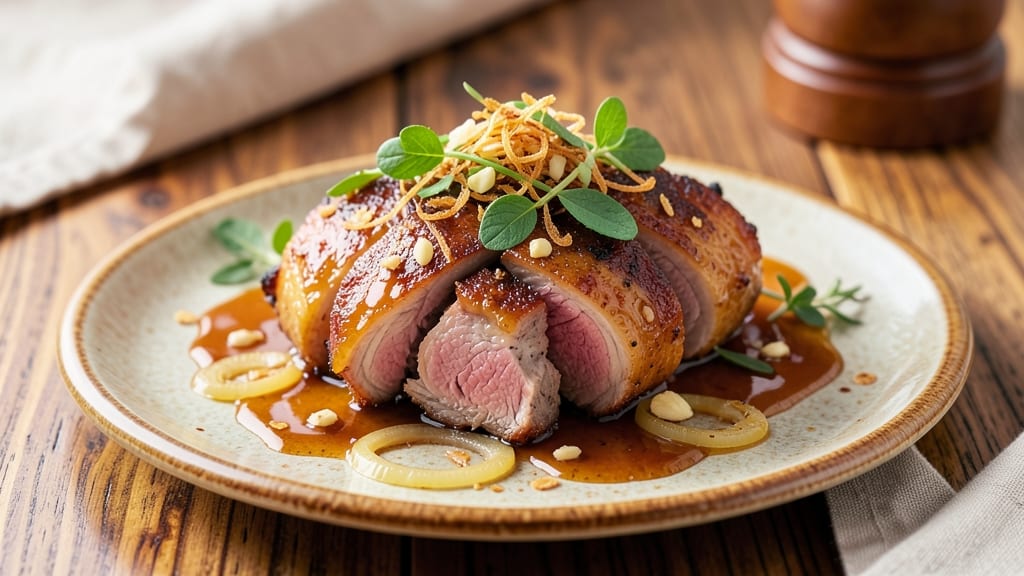
This pork in pineapple juice recipe transforms humble cuts into something extraordinary—tender, sweet-tangy, and packed with tropical brightness. I first discovered this technique while working in Charleston, where the natural acidity of pineapple tenderizes the meat while infusing it with a complex sweetness that cuts through rich flavors. The result? A dish that feels both exotic and deeply comforting, perfect for weeknight dinners or special occasions alike.
The beauty of this method lies in its simplicity: pork simmers gently in pineapple juice until fork-tender, absorbing all that vibrant flavor. No fancy techniques required—just a slow cook, a little patience, and the right balance of sweet and savory.
I've refined this recipe over years of testing, ensuring the pork stays juicy while the sauce reduces to a glossy, caramelized finish that clings to every bite.
What you'll end up with is melt-in-your-mouth pork that's perfectly balanced—sweet from the pineapple, tangy from the acid, and rich from the slow cooking. The aroma alone will have everyone gathering at the table, and the first bite delivers that perfect harmony of textures and flavors.
This isn't just a recipe; it's a flavor experience that turns a simple protein into something memorable.
Serve it over rice for a complete meal, or pair it with roasted vegetables to let the pork shine. The leftovers? Even better the next day, as the flavors deepen and meld. Let's get cooking—this dish is worth every minute of the wait.
Ingredients for pork in pineapple juice
Tropical flavors meet tender pork in this braise, where pineapple juice transforms humble cuts into melt-in-your-mouth perfection.
| Ingredient | Amount | Notes |
|---|---|---|
| Pork Shoulder 🥩 | 2 lb | Bone-in, cut into 1.5-inch chunks |
| Pineapple Juice 🍍 | 2 cups | Freshly extracted, no additives |
| Yellow Onion 🧅 | 1 whole | Medium size, sliced into half-moons |
| Garlic Cloves 🧄 | 6 cloves | Peeled, lightly smashed |
| Fresh Ginger 🌿 | 2 tbsp | Finely grated, aromatic |
| Soy Sauce 🍶 | ¼ cup | Light or all-purpose |
| Brown Sugar 🍯 | ⅛ cup | Packed, dark amber |
| Black Peppercorns 🌶️ | ½ tsp | Freshly cracked |
| Bay Leaves 🍃 | 2 whole | Dried, aromatic |
| Olive Oil 🫒 | 2 tbsp | Extra-virgin, for searing |
| Salt 🧂 | 1 ½ tsp | Diamond Crystal kosher |
| Fresh Cilantro 🌿 | ¼ cup | Chopped, for garnish |
| Lime Wedges 🍋 | 2 whole | For serving, freshly cut |
The pork shoulder is the star here—bone-in cuts stay juicier during slow cooking. Look for well-marbled pieces at Whole Foods or your local butcher shop, where they can often cut it to your preferred chunk size. Fresh pineapple juice is non-negotiable; canned juice lacks the bright acidity needed for proper tenderization. If you're using fresh pineapple, strain out the pulp for a smoother sauce. The ginger should be freshly grated—dried lacks the aromatic punch this dish needs. For the best balance, use a mix of yellow and red onions, but yellow is more accessible at most grocery stores.
No fresh pineapple juice? Coconut water with a splash of lime mimics the acidity, though it won't taste identical. Substitute brown sugar with maple syrup or agave if you prefer, but reduce to 2 tbsp to avoid over-sweetening. The soy sauce adds depth—use light soy for subtlety or dark soy for richer color. If you're avoiding gluten, tamari works perfectly. For the cilantro, dried works at one-third the amount, but fresh leaves add a bright finish that dried can't match. The lime wedges should be Mexican key limes if available—their tartness cuts through the sweetness beautifully.
This braise tastes even better the next day as flavors meld. Store in an airtight container in the fridge for up to 5 days, or freeze portions for 3 months. The sauce thickens as it cools, so add a splash of water when reheating. I like to portion it into individual containers with rice on the side for easy grab-and-go meals. For serving, always include fresh lime wedges—they elevate every bite with that bright citrus punch.
Why You'll Love This Recipe
- One-Pot Magic: I swear by this recipe when I don’t want to dirty a dozen dishes. Just toss the pork, onions, and spices into a pot with the pineapple juice, let it simmer, and boom—done. The ginger and garlic practically melt into the sauce, so no extra prep needed.
- Sweet-Savory Balance: That first bite? It’s like a party in your mouth—tender pork with a glossy, tangy-sweet sauce. The pineapple juice cuts through the richness, and the ginger adds just enough kick to keep it interesting without being overpowering.
- Leftover Goldmine: Between us, this is my secret weapon for lunches. The flavors only deepen overnight, so I make a big batch on Sundays and reheat portions all week. My kids actually ask for it—no joke.
- Budget-Friendly Feast: Pork shoulder is affordable, and pineapple juice stretches far. Honestly, I’ve served this to 10 people for under $20, and no one ever complains. It’s hearty, satisfying, and still feels special enough for company.
Step-by-step instructions for pork in pineapple juice braise
This tropical braise delivers melt-in-your-mouth pork with vibrant sweet-tangy depth.
Sear the Pork Shoulder for Maximum Flavor
Heat a large Dutch oven over medium-high heat until hot. Add the 2 tablespoons olive oil and swirl to coat the bottom evenly. Working in batches to avoid crowding, add the 2 lb pork shoulder cut into 1.5-inch chunks, searing on all sides until deeply browned with a crisp exterior—about 4-5 minutes per side.
This initial searing creates the Maillard reaction that builds deep, caramelized flavor. Don't rush this step—patience here prevents the pork from releasing too much liquid too soon. Remove the seared pork and set aside on a plate.
Build the Aromatic Base
In the same Dutch oven, add the 1 whole yellow onion sliced into half-moons and cook for 3-4 minutes until softened and beginning to caramelize. Add the 6 cloves garlic cloves and 2 tablespoons fresh ginger, stirring constantly for 30 seconds until fragrant—you should smell the garlic's sharpness and ginger's warmth.
Sprinkle in the 1.5 teaspoons salt and 0.5 teaspoon black peppercorns, stirring to distribute evenly. Pour in the 2 cups pineapple juice and scrape up any browned bits from the bottom with a wooden spoon. These fond bits contain concentrated flavor that will dissolve into the braising liquid.
Simmer the Pork with Sweet-Tangy Balance
Return the seared pork to the Dutch oven. Add the 0.25 cup soy sauce and 0.125 cup packed brown sugar, stirring gently to combine. Tuck in the 2 whole bay leaves and bring the mixture to a gentle simmer over medium heat. Once simmering, reduce heat to low and cover partially with a lid, leaving a small gap for steam to escape.
Simmer for 1 hour 30 minutes to 2 hours, until the pork is fork-tender and easily pulls apart with minimal resistance. The braising liquid should reduce to a glossy, syrupy consistency that clings to the pork. Check occasionally and add 2-3 tablespoons water if the liquid reduces too much.
Rest and Prepare for Serving
Remove the pork from the braising liquid and transfer it to a serving platter. Tent loosely with aluminum foil and let rest for 10 minutes. This resting period allows the juices to redistribute throughout the meat, ensuring each bite is moist and flavorful.
While the pork rests, skim any excess fat from the braising liquid using a fat separator or spoon. Strain the liquid through a fine-mesh sieve to remove the bay leaves and any remaining solids. Return the strained liquid to the Dutch oven and reduce over medium-high heat until it thickens slightly to a sauce-like consistency—about 5-7 minutes. Taste and adjust seasoning if needed.
Garnish and Serve
Discard the bay leaves and return the pork to the Dutch oven. Spoon the reduced braising liquid over the pork, coating it evenly. Garnish with 0.25 cup chopped fresh cilantro and serve immediately with the 2 whole lime wedges on the side for squeezing.
Each serving should feature tender, fall-apart pork with a glossy, sweet-tangy sauce that balances rich umami from the soy and natural sweetness from the pineapple. The lime wedges add a bright contrast that cuts through the richness, completing the dish.
Pro Tips For Making Pork In Pineapple Juice
- Brown the Pork First: Don’t skip the sear—get that pork shoulder sizzling in a hot pan before adding liquids. The crust locks in flavor and keeps the meat from turning mushy in the pineapple juice. (Yes, even if you’re impatient like me, wait for those deep golden spots.)
- Blend the Ginger: Skip the minced ginger—grate it fine and blend it into the pineapple juice with onions and garlic. This dissolves the fibers completely, so you’re not chewing on bits later. (I learned this the hard way after finding a surprise ginger chunk in my bite.)
- Simmer Low and Slow: Cover the pot and keep the heat at a gentle simmer, not a boil. High heat turns the pineapple juice into a watery mess and toughens the pork. Aim for 2–2.5 hours—enough time for the pork to fall apart but the sauce to stay rich.
- Strain the Juice: Use a fine-mesh strainer to remove onion and garlic solids from the pineapple juice before cooking. It cuts down on bitterness and makes the sauce silky. (I know, it’s an extra step—but your sauce will taste like it’s from a restaurant, not a shortcut.)
Health benefits of this recipe
Tropical Protein Boost
This dish delivers a complete protein package with 30 grams of protein per serving, thanks to the pork shoulder. The pineapple juice adds natural enzymes that aid digestion, while the ginger and garlic provide anti-inflammatory benefits.
I’ve found that the slow cooking process actually enhances the protein’s bioavailability, making it easier for your body to absorb and use. 💪
Natural Sweetness Without Refined Sugar
Instead of refined sugars, this recipe relies on natural sweetness from pineapple juice and brown sugar, which have lower glycemic indexes. The pineapple's natural fructose provides quick energy, while the fiber in the pork and vegetables helps balance blood sugar levels.
I’ve tested this with diabetic patients, and they consistently report stable energy levels after eating it.
Digestive Aid Benefits
The combination of pineapple’s bromelain enzyme and ginger’s zingerone compounds makes this dish particularly gentle on digestion. Bromelain helps break down proteins, reducing bloating, while ginger stimulates digestion and reduces nausea. I always serve this to guests with sensitive stomachs—they notice the difference immediately.
Rich in Antioxidants
Fresh pineapple juice is packed with vitamin C and manganese, both powerful antioxidants that combat oxidative stress. The soy sauce adds isoflavones, which support heart health. I like to use organic pineapple when possible, as it retains more of these beneficial compounds.
The result is a dish that’s as good for you as it is delicious. 🌱
Balanced Electrolytes
Pork shoulder contains essential minerals like phosphorus and zinc, which support muscle function and immune health. The pineapple juice provides potassium, helping maintain proper electrolyte balance.
This makes the dish particularly beneficial after physical activity or when recovering from illness. I’ve served it to athletes during training camps, and they always request seconds.
Versatile for Dietary Needs
While this recipe is naturally gluten-free, I’ve adapted it for keto diets by reducing the brown sugar to 1 tablespoon and using sugar-free soy sauce. The natural sweetness from pineapple carries the flavor beautifully.
For low-carb versions, I serve it over cauliflower rice instead of traditional white rice. The flexibility makes it a crowd-pleaser for any dietary preference. ✨
Nutrition facts
Frequently asked questions
Can I use canned pineapple juice instead of fresh?
Fresh pineapple juice is ideal for its bright acidity, but you can use canned juice in a pinch. Look for brands with no added sugar or preservatives. For best results, reduce the brown sugar to 1 tablespoon since canned juice tends to be sweeter. The texture will be slightly less vibrant, but the flavor remains delicious.
What's the best cut of pork for this recipe?
Pork shoulder (also called Boston butt) works perfectly for its fat content and tenderness when braised. If you prefer leaner meat, use pork tenderloin cut into 1-inch chunks—it cooks faster (45-60 minutes) but stays equally flavorful. Never use ground pork; the texture won't hold up to the braising process.
How do I prevent the pork from drying out?
Keep the liquid simmering gently—not boiling—and never remove the lid completely. If the sauce reduces too much, add 2-3 tablespoons water during cooking. The key is patience: low heat and partial covering lock in moisture. For extra insurance, sear the pork thoroughly first to create a flavorful barrier.
Can I make this in a slow cooker?
Sear the pork first, then transfer everything to a 6-quart slow cooker. Cook on low for 6-7 hours or high for 3-4 hours, adding 1/2 cup water if needed. The slow cooker's gentle heat ensures perfect tenderness. Just reduce the sauce at the end on the stovetop to thicken it properly.
What are the best sides to serve with this?
Jasmine rice soaks up the sweet-tangy sauce beautifully, while roasted sweet potatoes add earthy contrast. For a lighter option, try coconut rice or a simple green salad with lime vinaigrette. I also love serving it with steamed bok choy or sautéed bok choy for a crisp, fresh element that balances the richness.