
Main Courses
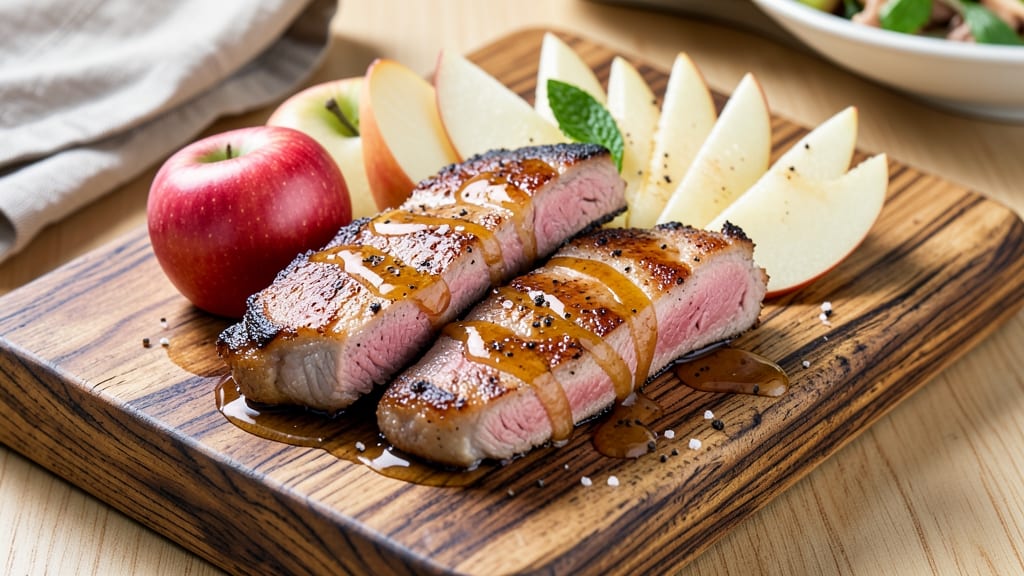
This pork medallions with apples recipe transforms simple ingredients into a dish that balances sweet and savory with restaurant-quality precision. The secret lies in searing thick-cut pork medallions until golden, then finishing them with caramelized apples that add natural sweetness and texture.
I developed this technique after years of perfecting pork cuts at my restaurant, where the right balance of heat and acidity makes all the difference.
The process begins with selecting bone-in pork chops—thick enough to stay tender but thin enough to cook quickly. While the pork sears in a cast-iron skillet, you'll caramelize apples in the same pan, letting their natural sugars concentrate into a glossy glaze.
A splash of apple cider vinegar at the end brightens the dish, cutting through the richness of the pork while enhancing the apples' depth. This method ensures every bite delivers crispy edges, juicy meat, and tender apples in perfect harmony.
What sets this recipe apart is how the apples elevate the pork rather than overpowering it. The caramelization creates pockets of sweetness that complement the savory sear, while the vinegar adds a subtle tang that cleanses the palate.
Serve with a side of mashed potatoes or a simple arugula salad to round out the meal—each component designed to highlight the star: perfectly cooked pork medallions with apples that taste like they've been simmering all day.
This dish is ideal for weeknight dinners or special occasions, offering a balance of technique and simplicity. The method scales easily, making it perfect for feeding a crowd or prepping ahead.
Once you try this combination, you'll understand why pork and apples are a match made in culinary heaven—where every element works together to create something greater than the sum of its parts.
Ingredients for pork medallions apple
Thick-cut pork, crisp apples, and balanced seasoning—this dish delivers restaurant-quality harmony at home.
| Ingredient | Amount | Notes |
|---|---|---|
| Bone-In Pork Chops 🥩 | 1 ½ lb | Thick-cut, 1-inch thick preferred |
| Honeycrisp Apples 🍎 | 2 whole | Cored and sliced into wedges |
| Unsalted Butter 🧈 | 4 tbsp | Cold, cut into slices |
| Apple Cider Vinegar 🍶 | 2 tbsp | Unfiltered preferred |
| Kosher Salt 🧂 | 1 ½ tsp | Diamond Crystal preferred |
| Freshly Ground Black Pepper 🌶️ | ½ tsp | Coarse grind preferred |
| Granulated Sugar 🍚 | 1 tbsp | For caramelization |
| Fresh Thyme Leaves 🌿 | ¼ cup | Chopped, stems removed |
| Olive Oil 🫒 | 1 tbsp | Extra-virgin, for searing |
| Fresh Rosemary 🌿 | 1 sprig | For aroma, removed before serving |
| Heavy Cream 🥛 | ¼ cup | Optional, for finishing |
The pork chops are non-negotiable here—bone-in, 1-inch thick cuts ensure perfect doneness without drying out. Look for center-cut chops at specialty butchers or the meat counter at Whole Foods or Dartmouth Farms for optimal quality. Honeycrisp apples are ideal for their balance of sweetness and crispness, but Granny Smith works too if you prefer tartness. The butter should be cold and sliced—this ensures proper searing without melting prematurely. For the vinegar, unfiltered brands like Woodstock Cider add depth, but any quality apple cider vinegar will suffice.
No bone-in chops? Pork loin chops work in a pinch, but trim excess fat to prevent flare-ups. Substituting apples? Bosc or Fuji hold their shape well during caramelization, though Honeycrisp remains the star. The thyme can be swapped for dried at one-third the amount, but fresh delivers superior aroma. If you dislike vinegar's sharpness, a splash of lemon juice (1 tbsp) offers a similar brightening effect. For a richer finish, heavy cream can be reduced with the apples, though it’s optional—this dish shines with just the natural sweetness of the fruit.
Prep the apples and season the pork the night before for a seamless cooking day. Store the chops uncovered in the fridge for up to 24 hours to dry-brine slightly, enhancing their sear. The caramelized apples keep well in the fridge for 3 days if stored in an airtight container, though they’re best enjoyed fresh. For make-ahead convenience, sear the pork and store it separately—reheat gently in the pan with the apples before serving. The dish reheats beautifully, making it perfect for meal prep or entertaining.
Why You'll Love This Recipe
- One-Pan Magic: I swear by this—just toss the pork and apples on a sheet, let the butter and vinegar work their magic, and walk away. No fancy gadgets, no stress. (Yes, even on a Tuesday night.)
- Sweet-Savory Balance: That crisp Honeycrisp apple with caramelized edges? It cuts through the rich pork like a cool breeze. The vinegar’s tang makes it feel fancy without trying.
- Weeknight Hero: Double the recipe, save half for tomorrow’s lunch. The apples keep their crunch when reheated, and the pork stays juicy—no sad, dry leftovers here.
- Budget-Friendly Luxury: Bone-in pork chops stretch further, and Honeycrisp apples last longer than you’d think. A single pan, minimal ingredients, but it tastes like you slaved over it. (Between us, I’ve done worse.)
Step-by-step instructions for pork medallions with apples
Master this perfect balance of sweet and savory with precise technique and timing.
Prepare the Pork Medallions and Seasoning
Begin by trimming any excess fat from the 1.5 lb bone-in pork chops while leaving about ¼-inch of fat cap for flavor and moisture. Using a sharp boning knife, cut each chop into ½-inch thick medallions—this ensures even cooking and maximum tenderness. Pat them dry thoroughly with paper towels; moisture is the enemy of a perfect sear.
In a small bowl, combine 1.5 tsp kosher salt, 0.5 tsp freshly ground black pepper, and 0.25 cup chopped fresh thyme leaves. Generously coat each medallion with this mixture, pressing the seasoning into the meat so it adheres well. Let them sit at room temperature for 15 minutes before cooking—this helps them cook more evenly.
Sear the Pork Medallions to Golden Perfection
Heat a heavy skillet—cast iron works best—over medium-high heat until it's smoking hot. Add 1 tbsp olive oil and swirl to coat the pan evenly. Working in batches if needed, add the pork medallions and let them sear undisturbed for 3-4 minutes per side until they develop a deep, golden-brown crust. This crust is crucial for flavor and texture.
Don't move the medallions prematurely—they should release naturally from the pan when ready. If they stick, your pan isn't hot enough. Once seared, transfer the medallions to a plate and tent loosely with foil to keep warm. The internal temperature should reach 135°F at this stage—they'll finish cooking later.
Caramelize the Apples with Butter and Vinegar
In the same skillet (no need to clean it—the browned bits add flavor), reduce heat to medium and add 4 tbsp cold unsalted butter, sliced into pieces. Let it melt completely, then add the 2 whole Honeycrisp apples, sliced into wedges. The butter will foam as it melts—this is normal and adds richness to the dish.
Cook the apples for 8-10 minutes, stirring occasionally, until they soften slightly and begin to caramelize at the edges. Add 2 tbsp apple cider vinegar and 1 tbsp granulated sugar, then stir in the 1 sprig fresh rosemary. The acidity of the vinegar and sweetness of the sugar will create a beautiful balance in the apples. Cook for another 2-3 minutes until the apples are tender but still hold their shape.
Finish with Cream and Combine
Return the seared pork medallions to the skillet with the apples. Pour in the 0.25 cup heavy cream and let everything simmer together for 2-3 minutes until the cream reduces slightly and coats the medallions. The residual heat from the pan will finish cooking the pork to an internal temperature of 145°F—perfectly medium-rare.
Remove the rosemary sprig before serving. The dish should have a glossy sheen from the caramelized apples and cream, with tender pork medallions that pull apart easily. Garnish with additional chopped thyme if desired, and serve immediately with the apples spooned over the top.
Pro Tips For Making Pork Medallions Apple
- SEAR THE CHOPS HOT: Cast iron or stainless steel pan—get it screaming hot for 2-3 minutes before adding the pork. Bone-in chops need that initial shock to render fat fast and lock in juices, or you’ll end up with gray, soggy edges. I used to rush this, and the medallions turned out like overcooked hockey pucks.
- CUT APPLES LAST MINUTE: Honeycrisp apples oxidize fast, so slice them just before cooking and toss immediately in a splash of apple cider vinegar. This keeps them crisp and bright instead of turning brown and sad while you finish the pork. (Yes, even if you’re impatient like me.)
- SALT THE APPLE SLICES: A pinch of kosher salt on the apple slices before they hit the pan draws out moisture and makes them caramelize faster. Skip this, and your apples will steam instead of develop that golden, jammy texture that pairs perfectly with the pork’s crust.
- REST THE PORK UNDER FOIL: After searing, transfer the chops to a plate, tent loosely with foil, and let them sit for 5-10 minutes. This keeps them warm while the apples cook and prevents them from drying out when you plate everything together. I learned this the hard way—cutting into hot, just-seared pork is a juiciness crime.
Pro cooking tips for pork medallions apple
Precision Searing
For restaurant-quality results, use a cast-iron skillet preheated until it's "ripping hot"—you should see a light smoke when you add the oil. I swear by my Lodge 10.25-inch skillet for this dish. The secret is never moving the medallions during the first 2-3 minutes of searing.
Let that Maillard reaction work its magic undisturbed. If you're using bone-in chops, position them with the bone side down first to help stabilize them during cooking. 🔥
For extra crispiness, add 1 tbsp cold butter to the pan during the last 30 seconds of searing. The butter will foam and create a golden crust that's irresistible.
I learned this trick from my mentor in Charleston—he called it "the butter kiss" because it seals in all the juices while adding richness. Just don't let the butter burn!
Apple Caramelization
Honeycrisp apples are my go-to because they hold their shape while caramelizing beautifully, but Bosc apples work too if you prefer a firmer texture. The key is to slice them evenly—about ¼-inch thick wedges—so they cook uniformly.
I like to cut them just before cooking so they don't oxidize and turn brown prematurely.
Don't skip the apple cider vinegar—it's what transforms this from good to extraordinary. The acidity helps break down the apple fibers slightly, creating a silky texture while balancing the sweetness.
For extra depth, I add 1 tsp Dijon mustard with the vinegar—it adds a subtle tang that elevates the dish. 🍎
Finishing Techniques
The heavy cream at the end isn't just for richness—it helps finish cooking the pork to the perfect 145°F internal temperature while creating a velvety sauce. If you're worried about the dish being too heavy, reduce the cream to 2 tbsp and add 1 tbsp chicken stock instead.
The stock adds depth without overwhelming the apples' natural sweetness.
For a restaurant-worthy presentation, plate the medallions first, then spoon the caramelized apples and sauce over the top. Garnish with microgreens or chopped chives for a pop of color.
I always serve this with creamy mashed potatoes or roasted Brussels sprouts to balance the richness. The contrast of textures makes every bite unforgettable. ✨
Equipment Shortcuts
No cast-iron skillet? A stainless steel pan works in a pinch, but you'll need to add 1 extra tbsp of oil to prevent sticking. I keep a 12-inch All-Clad stainless in my kitchen specifically for pork dishes—it heats up quickly and distributes heat evenly.
If you're cooking for a crowd, use two pans to avoid overcrowding, which lowers the pan temperature and ruins the sear.
For apple prep, a mandoline makes quick work of even slices, but a sharp chef's knife works just as well. If you're short on time, pre-sliced apples from the store will work, though they won't caramelize as beautifully.
The difference is noticeable, but it's a great backup when you're in a hurry. 💡
Timing Mastery
This dish comes together in under 30 minutes, but the key is patience during searing. Rush the process, and you'll end up with gray, dry pork instead of golden, juicy medallions.
I recommend setting a timer for exactly 3 minutes per side—any longer risks overcooking, especially with ½-inch thick cuts. Use a meat thermometer to check internal temps if you're nervous.
While the pork rests, use that time to prep your sides or set the table. The apples only take 10 minutes to caramelize, so you can multitask without stress. Pro tip: Keep the seared pork warm in a 200°F oven while you finish the apples—it stays juicy without overcooking.
This is how I handle dinner parties when I'm cooking for 10+ people. 💪
Nutrition facts
Frequently asked questions
Can I use boneless pork chops instead of bone-in?
For boneless chops, aim for 1-inch thick cuts to match the cooking time. The bone helps stabilize thinner chops, but boneless versions work beautifully when seared properly. Just be extra gentle when flipping to avoid tearing the meat.
What's the best apple variety for this recipe?
Honeycrisp apples are ideal for their perfect balance of sweetness and crisp texture, but Bosc or Granny Smith work too. For extra caramelization, choose firmer apples—they hold their shape better. Avoid overly soft varieties like Gala, as they'll turn mushy during cooking.
How do I prevent the pork from drying out?
Never overcook! Use a meat thermometer to pull pork at 145°F internal temp. The secret is searing at medium-high heat for only 3-4 minutes per side, then finishing gently with the apples and cream. Resting the pork for 5 minutes before serving also helps retain juices.
Can I make this dish ahead of time?
Yes, but with smart prep! Sear the pork and caramelize the apples separately, then store them in airtight containers. Reheat gently in the same skillet with a splash of broth or cream for 3-4 minutes to restore crispiness. The flavors actually improve when reheated this way!
What's the best side dish pairing?
Creamy mashed potatoes or roasted Brussels sprouts balance the richness perfectly. For something lighter, try a simple arugula salad with lemon vinaigrette. The acidity cuts through the pork's richness while complementing the sweet apples.