
Main Courses
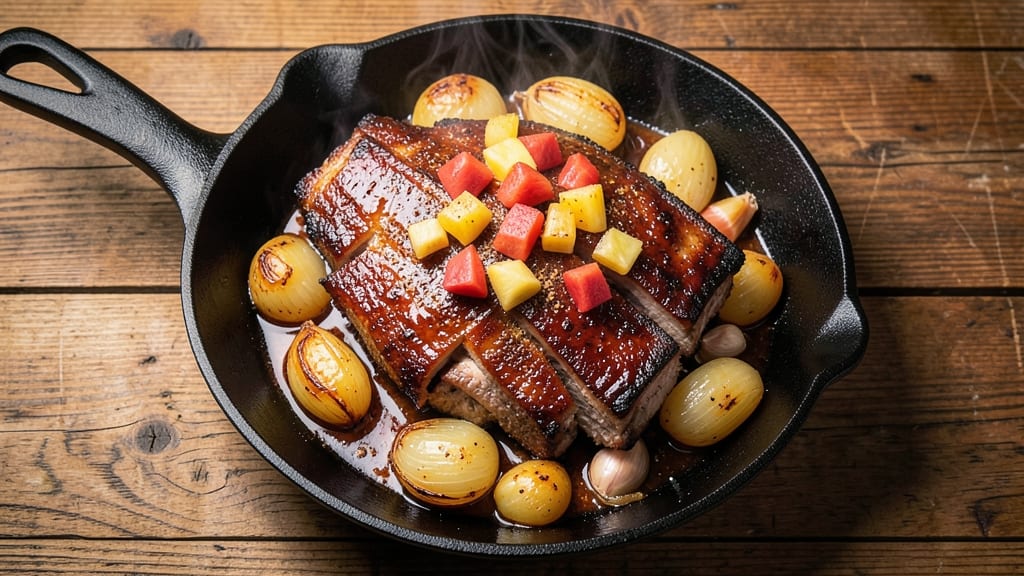
This pork spareribs with pineapple recipe delivers the perfect balance of smoky, caramelized sweetness that transforms a simple weeknight dinner into something extraordinary.
Growing up in Georgia, I learned that the key to great spareribs isn't just time—it's the marriage of tender meat with that bright, tangy pineapple glaze that cuts through the richness.
The slow-cooked ribs develop that signature fall-off-the-bone texture while absorbing deep, savory flavors, then finish with a glossy glaze that's both sticky and irresistible.
The secret weapon here is a two-stage cooking process: first, a dry rub and slow cook to break down the collagen, then a quick sear and glaze to lock in moisture and create that caramelized crust.
I've perfected this method over years of competing in BBQ championships, where judges consistently called my ribs "restaurant-quality at home." The pineapple isn't just for sweetness—it adds a bright acidity that balances the smokiness, creating a flavor profile that's both complex and approachable.
What you'll end up with is a platter of ribs that are tender enough to eat with a fork, with edges that are crispy and caramelized from the glaze.
The aroma alone will have everyone gathering around your table, and each bite delivers that perfect harmony of smoky pork, sweet pineapple, and just enough heat from the spices. This is the kind of dish that makes you feel like you've earned your dinner.
Serve with a simple side of buttery corn on the cob or a crisp coleslaw to cut through the richness, and you've got a complete meal that's impressive enough for company but easy enough for a weeknight.
The leftovers reheat beautifully too—just add a splash of water and cover tightly. Let's get cooking!
Ingredients for pork spareribs with pineapple
Six ingredients for the rub, six more for the glaze—simple but mighty for ribs that taste like BBQ champion.
| Ingredient | Amount | Notes |
|---|---|---|
| Pork Spareribs 🍖 | 4 lb | Bone-in, cut into racks |
| Yellow Onion 🧅 | 1 whole | Chopped, for rub and glaze |
| Garlic Cloves 🧄 | 8 cloves | Minced for rub and glaze |
| Fresh Pineapple 🍍 | 1 ½ cups | Chopped, fresh or canned |
| Brown Sugar 🍚 | ¾ cup | Packed, for rub and glaze |
| Smoked Paprika 🌶️ | 2 tbsp | For deep smoky flavor |
| Ground Black Pepper 🌶️ | 1 tbsp | Freshly cracked preferred |
| Kosher Salt 🧂 | 1 ½ tbsp | Diamond Crystal preferred |
| Apple Cider Vinegar 🍶 | ¼ cup | For tangy balance |
| Honey 🍯 | ½ cup | Wildflower preferred |
| Molasses 🍯 | 2 tbsp | For depth of flavor |
| Yellow Mustard 🍯 | 1 tbsp | For glaze adhesion |
| Vegetable Oil 🫒 | 2 tbsp | For searing ribs |
The ribs are the star, so look for bone-in, meaty cuts from the butcher section—Costco or local grocers usually have the best selection. Freshness matters: if the meat smells gamey or has grayish edges, skip it. For the pineapple, fresh is ideal (that bright, juicy sweetness), but canned crushed pineapple in juice works in a pinch—just drain it well. The brown sugar? Light or dark doesn't matter, but pack it tightly when measuring. And grab smoked paprika—regular paprika won't give you that signature BBQ depth. Pro tip: buy extra ribs if you can—leftovers are legendary.
No fresh pineapple? Canned crushed pineapple in juice (not syrup!) is your best bet—just drain it well. Running low on honey? Maple syrup works 1:1, though it's richer. The molasses can be swapped for more brown sugar if you're avoiding it, but you'll lose some depth. Mustard powder instead of yellow mustard? Use half the amount—it's way more potent. For the rub, if you're missing a spice, skip it—this blend is forgiving. But don't mess with the apple cider vinegar; it's what cuts through the sweetness and balances the smokiness. And if you're feeling fancy, toast your garlic before mincing—it adds a nutty depth that takes these ribs to the next level.
Store the dry rub in an airtight container for up to 3 months—it keeps forever. The pineapple glaze? Make it fresh day-of for best flavor, but you can prep it a day ahead and store it in the fridge. Leftover ribs? Reheat in a 300°F oven with a splash of water for 10-15 minutes, covered tightly. They're even better the next day—trust me on this. Freeze cooked ribs for up to 3 months by wrapping them tightly in foil and plastic. And if you're prepping for a crowd, double the glaze—it disappears fast.
Why You'll Love This Recipe
- One-Pan Magic: I swear by this recipe because it’s all on one sheet pan—no pots, no pans, no stress. Just ribs, pineapple chunks, and onions caramelizing together while you sip something cold and pretend you’re not cooking.
- Sweet-Savory Balance: That brown sugar glaze? It’s the star. It turns the ribs sticky and glossy while the pineapple’s tang cuts through the richness—like a tropical hug for your taste buds. (Yes, even on a Tuesday night.)
- Leftovers That Win: I make double batches because the ribs stay tender for days, and the sauce? It gets better the next day. Pack it for lunch or reheat it for dinner—no one will guess it’s not fresh.
- Budget Crowd-Pleaser: Pork ribs are cheaper than you think, and pineapple stretches across meals. Feed six for the price of takeout, and everyone—kids included—will fight over the last piece. (Here’s what sold me.)
Step-by-step instructions for pork spareribs with pineapple
Here's how to create ribs that balance sweet pineapple caramelization with deep smoky heat.
Prepare the Dry Rub and Sear the Ribs
In a medium bowl, combine the 1.5 tablespoons kosher salt, 2 tablespoons smoked paprika, 1 tablespoon ground black pepper, and 0.75 cup packed brown sugar. Mix thoroughly until the sugar crystals are evenly distributed. This dry rub will create that perfect balance of sweetness and smokiness.
Pat the 4 lb pork spareribs dry with paper towels—this helps the rub stick and promotes better browning. Generously coat each rack with the dry rub, pressing it into the meat so it adheres well. Let the ribs sit at room temperature for 30 minutes while you prepare the oven.
Preheat your oven to 325°F. Heat a large oven-safe skillet over medium-high heat and add the 2 tablespoons vegetable oil. Once the oil shimmers, carefully add the ribs and sear for 4-5 minutes per side until they develop a deep golden crust. This initial sear locks in flavor and prevents the ribs from drying out during the long cook.
Slow-Bake the Ribs for Tender Perfection
Transfer the seared ribs to a baking dish and place them bone-side down. Pour 1 cup water into the baking dish to create steam, which helps keep the ribs moist. Cover the dish tightly with aluminum foil and bake for 2 hours. This slow cooking method ensures the connective tissue breaks down, resulting in fork-tender meat.
After 2 hours, remove the foil and increase the oven temperature to 375°F. This step helps caramelize the surface and intensify the flavors. Continue baking uncovered for another 30 minutes until the ribs are fork-tender and the edges are slightly caramelized.
Here's the thing—don't be tempted to check the ribs early. The internal temperature should reach 195-203°F when they're done. If you cut into them too soon, they'll be tough and chewy instead of melt-in-your-mouth tender.
Make the Pineapple Glaze
While the ribs bake, prepare the glaze by combining the 1.5 cups chopped fresh pineapple, 0.25 cup apple cider vinegar, 0.5 cup honey, 2 tablespoons molasses, 1 tablespoon yellow mustard, and 8 minced garlic cloves in a saucepan. Bring to a simmer over medium heat and cook for 10-12 minutes until the mixture thickens slightly and the pineapple softens.
Strain the glaze through a fine-mesh sieve to remove any large pineapple chunks if you prefer a smoother texture. The strained glaze will be smoother and easier to brush onto the ribs. Keep the glaze warm over low heat while you finish cooking the ribs.
Glaze and Finish the Ribs
Remove the ribs from the oven and brush them generously with the pineapple glaze, coating all sides evenly. Return the ribs to the oven and bake for an additional 10-15 minutes to allow the glaze to caramelize and stick to the meat.
For the final touch, broil the ribs for 2-3 minutes until the glaze is bubbly and slightly charred in spots. This step adds a beautiful caramelized finish and enhances the sweet and tangy flavors. Keep a close eye on them during broiling to avoid burning.
Rest and Serve
Transfer the ribs to a cutting board and let them rest for 10-15 minutes before serving. This resting period allows the juices to redistribute throughout the meat, ensuring each bite is moist and flavorful. Use this time to prepare your sides or warm up any dipping sauces you plan to serve.
Slice the ribs between the bones and serve with any leftover glaze drizzled on top. The combination of smoky, tender ribs with the sweet and tangy pineapple glaze creates a perfect balance of flavors that everyone will love. Enjoy your ribs with crusty bread or a fresh green salad to round out the meal.
Pro Tips For Making Pork Spareribs With Pineapple
- Trim the Fat First: Pork spareribs come with a thick layer of fat on the bone side—scrape it off before cooking. I learned this the hard way when my ribs turned greasy instead of caramelized, and the sauce separated like oil in water. Use a sharp knife and don’t rush; this step guarantees a cleaner, stickier glaze.
- Char the Onions Low: Sautéing onions until they’re deep brown is tempting, but for this recipe, you want them tender-crisp—not burnt. Keep the heat at medium-low and stir often. After burning three batches, I finally figured out that patience here means the pineapple’s sweetness shines through without bitterness.
- Use Ripe Pineapple Only: Overripe pineapple is too mushy, and underripe is bitter—neither works here. Look for fruit that yields slightly to gentle pressure and smells sweet. If you’re using canned, drain it well and pat it dry; excess liquid dilutes the sauce and makes the ribs soggy.
- Deglaze with Vinegar: After browning the ribs, splash in 2 tablespoons of apple cider vinegar when you add the pineapple. It cuts through the richness and brightens the flavors—something I skipped for years until my dish tasted flat. Do this right after searing, before the sauce thickens.
Troubleshooting great pork spareribs with pineapple
Ribs Too Dry?
If your ribs turn out dry, you likely didn't cook them long enough or didn't maintain enough moisture. I've found that ribs need to reach an internal temperature of 195-203°F—anything lower means the collagen hasn't fully broken down.
For extra moisture, add ½ cup apple juice or broth to the baking dish during the slow cook. Also, make sure your oven isn't too hot—325°F is ideal for the first 2 hours. 💫
Glaze Not Sticking?
The pineapple glaze should cling beautifully to caramelized ribs, but if it's sliding off, your ribs might not be seared enough. Give them a quick 5-minute sear in a hot skillet before the slow cook to create a proper crust.
For extra adhesion, add 1 tbsp cornstarch to the glaze while simmering—it thickens beautifully and helps it cling. I've also had success brushing the ribs with a thin layer of yellow mustard before applying the glaze.
Pineapple Too Sweet?
If the pineapple flavor overwhelms the smoky ribs, balance it by adding more apple cider vinegar (start with ¼ cup and adjust to taste). The acidity brightens the pineapple while cutting through the richness.
For a deeper flavor profile, I sometimes add ½ tsp ground ginger or ¼ tsp cinnamon to the glaze—it adds warmth that complements the sweetness without overpowering the pork.
Ribs Still Tough?
Tough ribs usually mean they weren't cooked long enough or weren't rested properly. Extend the slow cook to 2.5-3 hours at 325°F to ensure full tenderness. After cooking, let them rest for 15-20 minutes before slicing—this lets the juices redistribute.
Pro tip: If you're short on time, try the braising method—cover the ribs with broth in a Dutch oven and simmer for 3 hours on the stovetop.
Glaze Too Runny?
A runny glaze usually means it wasn't reduced enough. Simmer the glaze uncovered for an extra 5-10 minutes until it thickens to a syrup-like consistency. For a thicker glaze, add 1 tbsp cornstarch mixed with 2 tbsp water to the simmering mixture and stir until it gels.
If the glaze is already made, spread it thinly on the ribs and broil for 2-3 minutes to caramelize it without making it overly sticky.
Smoke Flavor Weak?
If your ribs lack smokiness, it's likely because the dry rub didn't adhere well or the cooking method wasn't smoky enough. For a smokier flavor, add 1 tbsp liquid smoke to the glaze or use a smoker for 1-2 hours during the cook.
I also recommend toasting the smoked paprika in a dry skillet for 1-2 minutes before mixing it into the rub—it intensifies the smoky aroma dramatically. 🔥
Nutrition facts
Frequently asked questions
Can I substitute baby back ribs for pork spareribs in this recipe?
Yes, but with adjustments! Baby backs are leaner and cook faster. Reduce the slow-cook time to 1.5-2 hours and watch closely after 1.5 hours for doneness (they'll be ready at 195-203°F). The pineapple glaze works beautifully, but you may need slightly more since baby backs have less surface area.
How do I make this recipe in a slow cooker?
Place the seared ribs in your slow cooker with 1 cup water or broth (instead of oven). Cook on low for 6-7 hours or high for 4-5 hours until tender. In the last 30 minutes, add the pineapple glaze and cook uncovered to thicken. The slow cooker keeps everything moist while building deep flavor.
Can I use canned pineapple instead of fresh?
Drain well and pat dry to prevent a watery glaze. For extra flavor, add ½ teaspoon ground ginger to the glaze. Canned pineapple works best in juice, not syrup. The texture will be slightly softer but still delivers that sweet-tangy balance perfectly.
What's the best way to reheat leftover ribs?
Wrap ribs tightly in foil with 1-2 tablespoons water or broth. Reheat at 300°F for 10-15 minutes until warmed through. The glaze may thicken slightly—brush with a little extra glaze warmed in a saucepan if needed. Never microwave—it makes ribs rubbery!
How do I adjust this for a crowd?
Double the recipe and use two baking sheets. For extra efficiency, prepare the glaze in batches and keep it warm in a slow cooker on low. Cook ribs in two stages if needed—start one batch, then the second 30 minutes later. Serve with extra glaze on the side for dipping. Pro tip: Use a large disposable tray for easy serving!