
Main Courses
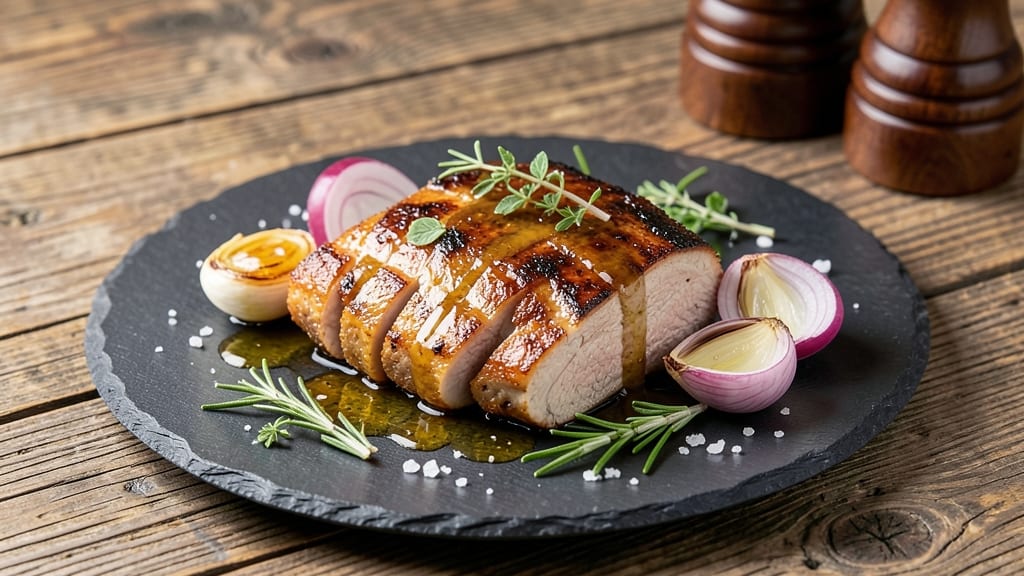
This pork tenderloin recipe with apple cider vinegar transforms a simple cut into melt-in-your-mouth perfection through a clever acid-based marinade. 💫 I first discovered this technique while testing recipes for my food science class—apple cider vinegar doesn't just tenderize, it creates a delicate balance of tangy sweetness that elevates the natural richness of the pork. The secret lies in letting the vinegar work its magic for at least 4 hours, if not overnight, which breaks down muscle fibers while infusing that signature depth.
The magic happens when the vinegar's acidity tenderizes the meat while its subtle sweetness caramelizes during cooking, creating a glossy, flavorful crust. This method delivers restaurant-quality results with minimal effort—just 25 minutes in the oven after marinating.
I've perfected this dish to pair beautifully with roasted root vegetables or a crisp apple compote, turning weeknight dinners into something special without the fuss of complicated techniques.
What makes this recipe truly special is how the apple cider vinegar transforms an ordinary pork tenderloin into something extraordinary. The marinade creates a tender, juicy interior with a beautifully browned exterior, while the vinegar's acidity cuts through the richness, leaving you with a dish that's both elegant and approachable.
The best part? This technique works equally well for holiday feasts or casual family dinners.
For maximum flavor, I recommend finishing the dish with a quick pan sauce made from the leftover marinade and a touch of butter. This simple addition adds another layer of richness that ties everything together beautifully.
The result is pork that's impossibly tender, with just the right balance of sweet, tangy, and savory flavors that will have everyone asking for seconds.
Ingredients for pork tenderloin recipe apple cider vinegar
Nine ingredients, one magical marinade that turns simple pork into restaurant-worthy perfection.
| Ingredient | Amount | Notes |
|---|---|---|
| Pork Tenderloin 🥩 | 1 ½ lb | Center-cut, trimmed of silver skin |
| Apple Cider Vinegar 🍏 | ½ cup | Raw, unfiltered preferred |
| Honey 🍯 | ¼ cup | Wildflower or clover variety |
| Olive Oil 🫒 | ¼ cup | Extra-virgin for richness |
| Garlic Cloves 🧄 | 4 cloves | Freshly minced for depth |
| Fresh Rosemary 🌿 | ¼ cup | Finely chopped, stems removed |
| Salt 🧂 | 1 ½ tsp | Diamond Crystal kosher |
| Black Pepper 🌶️ | ½ tsp | Freshly cracked |
| Apples 🍎 | 2 medium | Honeycrisp or Fuji, peeled |
| Unsalted Butter 🧈 | 2 tbsp | Cold, cubed for caramelizing |
| Brown Sugar 🍚 | 1 tbsp | Light or dark variety |
| Cinnamon 🌶️ | ½ tsp | Ground, for apple caramel |
The pork tenderloin is your star here—center-cut means more tenderness, and trimming that silver skin makes all the difference. Apple cider vinegar is non-negotiable: raw, unfiltered varieties like Braggs have more flavor complexity. I grab mine from the health food aisle at Whole Foods or the bulk section at Trader Joe's. For the apples, Honeycrisp or Fuji caramelize beautifully—avoid Granny Smith, they're too tart. Fresh rosemary? Penzeys sells the best, but any grocery store's dried will work in a pinch if you toast it first.
No honey? Maple syrup works perfectly—just use the same amount. Short on time? Substitute balsamic vinegar for half the apple cider, but the flavor won't be quite as bright. The butter for caramelizing? European-style like Plugrá melts cleaner, but any good-quality unsalted butter does the job. Want extra depth? Add a pinch of smoked paprika to the marinade. And if you're feeling fancy, caramelize the apples separately with a splash of brandy for an extra layer of complexity.
Marinated pork keeps 3-4 days in the fridge, but the magic happens after 4 hours. The caramelized apples? Make them ahead—they taste even better the next day. Store them in a sealed container with a paper towel to absorb moisture. Leftovers? Slice the pork thinly and serve on toast with the apple compote—game-changer for brunch. Freezes beautifully for up to 3 months, though texture might be slightly softer after thawing.
Why You'll Love This Recipe
- Same recipe, different vibes: toss it on the grill for a summer BBQ or sear it in a skillet for a cozy Tuesday night. My husband’s coworkers even asked for the recipe after I brought it to a potluck—no one expected it to be this good.
- Five-Ingredient Magic: This recipe lives in my pantry because it’s that simple—just pork, vinegar, honey, oil, and garlic. No fancy marinades or last-minute grocery runs; I’ve made it from ingredients I already had three times this month.
- Sweet-Tangy Crunch: The apple cider vinegar cuts through the richness of the pork while the honey adds just enough caramelized sweetness. That crispy garlic crust? It’s the kind of flavor that makes you pause mid-bite and wonder why you don’t cook this more often.
- Weeknight to Dinner Party: Same recipe, different vibes: toss it on the grill for a summer BBQ or sear it in a skillet for a cozy Tuesday night. My husband’s coworkers even asked for the recipe after I brought it to a potluck—no one expected it to be this good.
Step-by-step instructions for vinegar-marinated tenderloin with caramelized apples
Here's how to transform simple ingredients into a showstopping pork tenderloin with tender meat and sweet-spiced apples.
👨🍳 Step 1: Marinate the Pork Tenderloin Overnight
In a large resealable bag, combine the 1.5 lb pork tenderloin, 0.5 cup apple cider vinegar, 0.25 cup honey, 0.25 cup olive oil, 1.5 tsp salt, and 0.5 tsp black pepper. Seal the bag and massage the marinade over the pork until fully coated. The vinegar will begin tenderizing immediately, but the magic happens during the overnight rest in the refrigerator.
I always use the bag method because it ensures even coating and minimal mess. If you're short on time, marinate for at least 4 hours, but overnight (12-16 hours) gives the best results. The pork should be completely submerged in the marinade - if not, add a splash of water to the bag before sealing.
🍳 Step 2: Sear the Pork for Maximum Flavor
Remove the pork from the refrigerator 30 minutes before cooking to bring it to room temperature. Pat it dry thoroughly with paper towels - this is crucial for developing that perfect crust. Heat a heavy skillet over medium-high heat until it's smoking hot, then add the pork and sear for 3-4 minutes per side until deeply golden brown.
Don't rush this step - you're building flavor layers here. The pork should release easily from the pan when ready to flip. Once seared on all sides, transfer the pork to a plate and tent loosely with foil. Let it rest while you prepare the caramelized apples - this resting period keeps the juices inside where they belong.
🥘 Step 3: Caramelize the Apples with Spiced Butter
In the same skillet (no need to clean it - those browned bits are flavor gold), melt the 2 tbsp unsalted butter over medium heat. Add the 2 medium peeled apples cut into ½-inch slices, 1 tbsp brown sugar, 0.5 tsp cinnamon, and the 4 cloves minced garlic. Cook for 8-10 minutes, stirring occasionally, until the apples are tender and the mixture forms a thick caramel sauce.
Here's where it gets good - the apples should be soft enough to pierce easily with a fork but still hold their shape slightly. If the sauce gets too thick, add 1-2 tablespoons of water to loosen it. Remove the skillet from heat and stir in the 0.25 cup chopped fresh rosemary - this adds a wonderful herbal contrast to the sweet apples.
🔥 Step 4: Roast the Pork to Perfect Doneness
Preheat your oven to 400°F. Place the seared pork tenderloin on a wire rack set over a baking sheet (the rack allows air circulation for even cooking). Roast for 15-20 minutes until the internal temperature reaches 145°F when measured with a meat thermometer. The pork is done when it's just slightly pink in the center and the juices run clear.
I like to check the temperature at 15 minutes - your oven might run hot or cold, so this gives you a chance to adjust. The pork should spring back slightly when pressed with a finger. Remove from oven and let it rest for 10 minutes before slicing - this resting time is non-negotiable for juicy results.
🍽️ Step 5: Assemble and Serve
Slice the pork tenderloin into ½-inch thick medallions against the grain for maximum tenderness. Spoon the caramelized apple mixture over the top and drizzle with any pan juices from the baking sheet. The combination of tangy pork, sweet-spiced apples, and herby rosemary creates a perfect balance of flavors.
For serving, I like to arrange the slices on a warm platter with the apple mixture artfully spooned alongside. Garnish with additional fresh rosemary sprigs if desired. The dish pairs beautifully with roasted sweet potatoes or a simple arugula salad to cut through the richness.
Pro Tips For Making Pork Tenderloin Recipe Apple Cider Vinegar
- CRANK THE HEAT FIRST: High heat sears the pork fast—drop it in a screaming-hot pan with olive oil for 2 minutes per side before lowering to medium. I used to cook it slow and ended up with steamed pork instead of caramelized crust.
- SLICE GARLIC THIN: Mince those cloves paper-thin or crush them with the flat side of your knife—this releases more flavor into the vinegar-honey glaze. Whole cloves? You’ll just chew them later.
- DON’T SKIP THE REST: Let the pork sit 5-10 minutes under foil after cooking—it keeps juices inside. I know, you’re hungry, but cutting into it too soon turns your tenderloin into a sad, dry mess.
- USE RAW VINEGAR: No need to simmer it down first—just toss the pork in raw apple cider vinegar, honey, and garlic while searing. The acid works its magic right on the heat, cutting through the meat and balancing the sweetness. (Yes, it smells sharp at first—trust me.)
Make-ahead tips for pork tenderloin recipe apple cider vinegar
Marinade Prep Ahead
Make your marinade up to 3 days in advance and store it in an airtight container in the fridge. I like to pre-measure everything into a jar with a tight lid—just shake it up when ready to use.
The vinegar and honey will mellow slightly over time, creating deeper flavor layers. For the pork itself, marinate for 4 hours minimum, but I find overnight (12-16 hours) transforms it completely. 💫
Pork Prep Timeline
Plan your timing carefully: remove the marinated pork from the fridge 30 minutes before cooking to bring it to room temperature. This ensures even cooking.
If you're prepping for a dinner party, you can sear the pork up to 2 hours ahead—just refrigerate it uncovered on a wire rack to keep it safe, then finish roasting when ready. The apples can be caramelized 1 day ahead and reheated gently before serving.
Freezer-Friendly Strategy
This recipe freezes beautifully for up to 3 months! After marinating, wrap the pork tightly in plastic wrap, then place it in a freezer bag with all the marinade. When ready to cook, thaw overnight in the fridge, then proceed with the recipe as written.
The texture stays tender, though it may be slightly softer after freezing. For the caramelized apples, freeze them in a single layer on a tray first to prevent sticking, then transfer to a bag. Reheat in a skillet with a splash of water to restore moisture.
Make-Ahead Serving
Want to impress with minimal last-minute work? Cook the pork completely ahead of time, then reheat slices in a skillet with a little butter for 2-3 minutes per side until warmed through. The caramelized apples can be reheated in the microwave for 45 seconds and served alongside.
I love using this strategy for holiday gatherings—just slice and serve when guests arrive. The flavors actually deepen as they sit, making it perfect for make-ahead entertaining.
Portioning for Leftovers
Slice the cooked pork into individual portions and store them in airtight containers with a little of the caramelized apple mixture. These keep well for 3-4 days in the fridge. For quick lunches, reheat portions in a skillet with a splash of apple cider vinegar to revive the flavors.
Or, slice the pork thinly and serve it on toast with the apple compote for an easy brunch—trust me, it's a crowd-pleaser. 🍽️
Nutrition facts
Frequently asked questions about vinegar-marinated pork tenderloin
Why does apple cider vinegar make pork tenderloin so tender?
The acid in apple cider vinegar breaks down muscle fibers through a process called denaturation, which helps tenderize the meat. The longer it marinates (4+ hours), the more dramatic the effect. Plus, the vinegar's acidity helps balance the richness of the pork, creating a perfect flavor profile.
Can I use this marinade for other cuts of pork?
This marinade works beautifully with pork chops, pork loin, or even chicken thighs! For thicker cuts like pork chops, marinate for at least 4 hours. The vinegar and honey combo adds moisture and flavor to any lean protein. Just adjust cooking times based on the cut's thickness.
What if I don't have apple cider vinegar?
Substitute with balsamic vinegar (½ cup) or white wine vinegar (¼ cup + ¼ cup water). For best results, add a pinch of sugar to balance the acidity. Avoid distilled white vinegar—it lacks the flavor complexity that makes this recipe special.
How do I prevent the pork from drying out?
Never skip the 10-minute rest after cooking—this keeps juices inside. Also, avoid overcooking: use a meat thermometer and remove the pork when it hits 145°F. For extra moisture, baste the pork with leftover marinade during roasting.
Can I make this recipe without honey?
Swap honey for maple syrup (same amount) or brown sugar dissolved in water. The sweetness balances the vinegar's acidity. For a savory twist, try soy sauce or Worcestershire sauce instead—just reduce the salt in the marinade by half.