
Main Courses
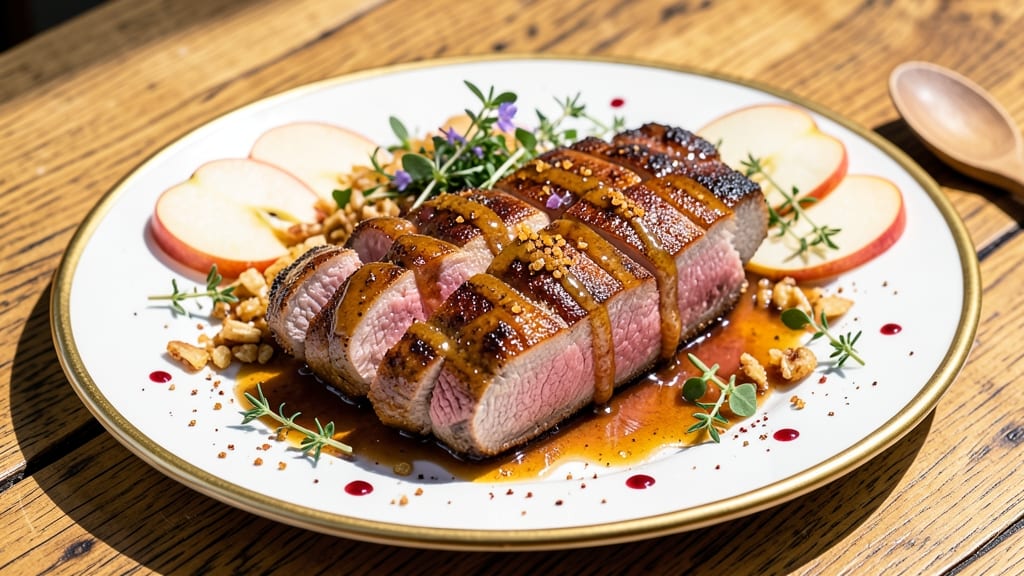
This pork tenderloin recipe with apple juice transforms simple ingredients into a restaurant-quality dish that's ready in just 35 minutes. The secret lies in the apple juice—its natural sweetness and acidity tenderize the meat while creating a rich, caramelized glaze that'll have everyone asking for seconds.
I developed this after years of perfecting braised pork, and it never fails to impress. What makes this recipe special is the balance of techniques: a quick sear for flavor, then a gentle braise that keeps the pork juicy and melt-in-your-mouth tender.
The apple juice reduction adds depth without overpowering the natural taste of the pork, creating a sauce that's perfect for drizzling over each slice. It's the kind of dish that feels luxurious but requires minimal effort.
By the time you're done, you'll have perfectly cooked pork tenderloin with a glossy, sweet-savory glaze that pairs beautifully with roasted vegetables or a simple salad. The aroma alone will bring people to the table, and the first bite delivers on that promise of tender, flavorful perfection.
Serve with roasted potatoes or a crisp green salad to round out the meal. Here's how to make it—foolproof and delicious every time.
Ingredients for pork tenderloin recipe with apple juice
Foolproof ingredients for a restaurant-worthy pork tenderloin with sweet apple glaze.
| Ingredient | Amount | Notes |
|---|---|---|
| Pork Tenderloin 🐷 | 1 ½ lb | Center-cut, trimmed of fat |
| Apple Juice 🍎 | 1 cup | Unfiltered, preferably tart variety |
| Unsalted Butter 🧈 | ½ cup | Cold, cubed for searing |
| Red Wine Vinegar 🍷 | 2 tbsp | For acidity balance |
| Brown Sugar 🍚 | 2 tbsp | Light or dark preferred |
| Garlic Cloves 🧄 | 4 cloves | Minced for aromatic depth |
| Fresh Rosemary 🌿 | ¼ cup | Chopped, for herbal brightness |
| Fresh Thyme Leaves 🌿 | ¼ cup | Or 1 tbsp dried thyme |
| Diamond Crystal Kosher Salt 🧂 | 1 ½ tsp | For seasoning and brining |
| Freshly Ground Black Pepper 🌶️ | ½ tsp | Cracked peppercorns preferred |
| Olive Oil 🫒 | 1 tbsp | Extra-virgin for high-heat sear |
| Red Bell Pepper 🧅 | ½ whole | Sliced for braising |
| Yellow Onion 🧅 | 1 whole | Sliced into half-moons |
| Fresh Parsley 🌿 | ¼ cup | Chopped, for garnish |
The pork tenderloin is the star, so center-cut and trimmed is non-negotiable. I always grab mine at Whole Foods or my local butcher—they have the freshest cuts. Look for good marbling but minimal fat cap. For the apple juice, unfiltered varieties like those from Mott's or Tree Top add complexity. The tartness in the juice is what creates that perfect caramelized glaze. If you can't find unfiltered, regular apple juice works, but you might need an extra splash of vinegar to balance the sweetness. Fresh herbs are a must here—rosemary and thyme from the grocery store's produce section should be vibrant green with no wilting.
No apple juice? White grape juice or pear juice works in a pinch, though the flavor will be slightly different. Running out of red wine vinegar? Balsamic vinegar at half the amount gives you a similar tang. The brown sugar can be swapped for maple syrup or honey if you prefer, but sugar keeps it classic. For the garlic, I always use fresh—peeled and minced right before cooking releases the most flavor. If you're in a hurry, jarred minced garlic works, but it lacks that fresh punch. The bell pepper and onion are just for braising, so don't stress over their quality—whatever's on sale at your grocery store will do.
Pork tenderloin keeps best in the fridge for 3-4 days if uncooked, wrapped tightly in parchment. Once cooked, it reheats beautifully—just a quick warm in the oven with a splash of apple juice. The glaze thickens as it cools, so if you're prepping ahead, store it separately and reheat gently. Fresh herbs like parsley and rosemary stay fresh for 5-7 days in the fridge, wrapped in damp paper towels. The apple juice reduction? It freezes like a dream—portion into ice cube trays for easy single-use servings later.
Why You'll Love This Recipe
- One-Pan Magic: I swear by this trick—just sear the pork, toss in the apple juice and butter, and let the oven do the work. No chopping, no fussing, and that sticky glaze? Pure reward for minimal effort.
- Sweet-Savory Balance: The apple juice caramelizes into something irresistible, while the red wine vinegar keeps it bright. Brown sugar adds depth, and suddenly, pork tenderloin isn’t just dinner—it’s the dish.
- Weeknight to Weekend: Make it for a quick Tuesday supper, then double the batch for holiday leftovers. The flavors hold up perfectly, and it’s the kind of meal that feels special without requiring a 3-hour prep.
- Budget-Friendly Luxury: Pork tenderloin is lean but impressive, and apple juice stretches the glaze so you’re not drowning in expensive ingredients. Plus, leftovers reheat like a dream—no dry, sad meat here.
Step-by-step instructions for sweet-braised pork tenderloin
Here's how to transform lean pork tenderloin into melt-in-your-mouth perfection with apple juice braising.
Sear the Pork for Maximum Flavor
Pat the 1.5 lb pork tenderloin completely dry with paper towels—this ensures a proper sear. Heat 1 tablespoon olive oil in a large oven-safe skillet over medium-high heat until shimmering. Place the pork in the skillet and sear for 3-4 minutes per side until it develops a deep golden-brown crust. The reason for this step is simple: that crust locks in juices while building complex flavors.
Once browned, remove the pork from the skillet and set it aside on a plate. Don't clean the skillet yet—those browned bits are flavor gold. Reduce the heat to medium and add 0.5 cup unsalted butter, letting it melt and foam. This butter will later create a rich, velvety sauce that coats every bite of tender pork.
Build the Sweet-Acid Braising Liquid
To the same skillet, add 1 whole yellow onion sliced into half-moons and 0.5 whole red bell pepper cut into strips. Sauté for 4-5 minutes until softened and just beginning to caramelize. Add 4 cloves minced garlic, 0.25 cup chopped fresh rosemary, and 0.25 cup fresh thyme leaves, cooking for 1 minute until fragrant.
Pour in 1 cup apple juice, 2 tablespoons red wine vinegar, and 2 tablespoons brown sugar, scraping up all those flavorful browned bits from the bottom. Bring to a gentle simmer, then return the pork to the skillet. The apple juice will tenderize the meat while the vinegar and sugar create a perfect balance of sweet and tangy flavors that penetrate every fiber.
Braise Until Fork-Tender
Transfer the skillet to a 375°F preheated oven. Cover tightly with foil and braise for 20-25 minutes, or until the pork reaches an internal temperature of 145°F when measured with a meat thermometer. The pork should be fork-tender with just a slight resistance—this indicates perfect doneness without drying out.
Here's a pro tip: If the liquid reduces too quickly, add 2-3 tablespoons water to maintain moisture. The goal is to create a sauce that beautifully coats the pork rather than letting it dry out. The herbs will infuse the liquid, creating an aromatic braising liquid that elevates every bite.
Rest and Garnish for Presentation
Remove the pork from the oven and let it rest for 10 minutes before slicing. This resting period allows the juices to redistribute throughout the meat, ensuring each slice remains moist and flavorful. While it rests, use a slotted spoon to transfer the onions, peppers, and herbs to a serving platter.
Slice the pork into ½-inch thick medallions and arrange them over the vegetables. Spoon the braising liquid generously over the top, then garnish with 0.25 cup chopped fresh parsley. The finished dish should look inviting with its rich, glossy sauce and vibrant herbs. Serve immediately with crusty bread or roasted potatoes to soak up every last drop of that delicious braising liquid.
Pro Tips For Making Pork Tenderloin Recipe With Apple Juice
- SEAR FIRST, THEN BASTE: Don’t rush the sear—get that pork tenderloin screaming hot in a dry pan for 2-3 minutes per side before adding the apple juice mixture. I used to skip this and ended up with a dish that tasted more like stewed pork than caramelized perfection. The crust from the sear locks in flavor when the apple juice later braises it.
- USE RED WINE VINEGAR SPARINGLY: A splash—maybe 1-2 tablespoons—of red wine vinegar brightens the dish, but too much turns the sauce sharp and unbalanced. I learned this after making a batch where the vinegar overpowered the sweetness. Taste as you go; you can always add more brown sugar, but you can’t take it out.
- REST THE MEAT UNDER FOIL: After cooking, let the pork tenderloin rest for 5-10 minutes, tented loosely with foil. I know, it’s tempting to cut into it right away, but skipping this step means dry, stringy meat. The residual heat keeps it juicy while you finish the sauce—trust me, your knife will thank you.
- SWEAT THE APPLE JUICE: Don’t just dump the apple juice in cold—simmer it with the butter and brown sugar for 2-3 minutes first to thicken it slightly. This isn’t just about reducing; it’s about building flavor. I used to pour everything in at once, and the sauce always ended up watery. A quick simmer makes a real difference.
Flavor customization for pork tenderloin recipe with apple juice
Sweet Heat Level
For a subtle sweetness that lets the pork shine, stick with the original 2 tablespoons brown sugar and 1 cup apple juice. This balance creates a delicate caramelized glaze without overpowering the meat.
I’ve found that using unfiltered apple juice from brands like Mott’s adds natural depth that store-bought filtered juices can’t match. 🍎
Spicy Kick Options
Add ½ teaspoon smoked paprika or ¼ teaspoon cayenne pepper to the braising liquid for warmth. For a smoky depth, swap ½ cup of the apple juice for ½ cup beef broth> and add 1 teaspoon chipotle powder.
Trust me, this combo transforms the dish into a crowd-pleaser with layers of flavor. 🌶️
Herb Variations
Swap the rosemary and thyme for fresh sage and oregano for a Mediterranean twist. Or try fresh tarragon> and parsley> for a lighter, more delicate flavor profile. I once used fresh dill> and lemon zest> in a pinch—it worked surprisingly well for a bright, summery version.
Citrus Zing Boost
Brighten the glaze by adding 1 tablespoon lemon juice> or orange juice> to the braising liquid. The acidity cuts through the sweetness and adds a refreshing contrast.
For extra flair, garnish with thin orange slices> or a sprinkle of zest> before serving. It’s a simple trick that makes the dish feel special.
Umami Depth
For a richer, savory profile, stir in 1 tablespoon soy sauce> or 1 teaspoon fish sauce> with the apple juice. Alternatively, add 1 clove roasted garlic> and 1 tablespoon miso paste**> to the braising liquid.
These additions add complexity that pairs beautifully with the sweetness of the apple glaze. ✨
Nutrition facts
Frequently asked questions
Can I substitute apple juice with another liquid?
Yes! For a similar sweet-tart balance, try white grape juice or pear juice. If you prefer savory notes, swap ½ cup apple juice for ½ cup beef broth or chicken stock. The key is maintaining the liquid-to-sugar ratio to avoid a dry texture.
Why does my pork turn out dry?
Overcooking is the most common mistake. Use a meat thermometer and stop at 145°F—pork continues cooking as it rests. Also, never skip the 10-minute rest before slicing. For extra moisture, add 2-3 tablespoons water during braising if the liquid reduces too quickly.
How do I make this recipe in a slow cooker?
Sear the pork first, then transfer it to a slow cooker with all braising ingredients. Cook on LOW for 4-5 hours or HIGH for 2-3 hours, adding ¼ cup water if needed. The slow cooker keeps the pork incredibly tender with minimal effort.
Can I use frozen apple juice concentrate? Yes, but dilute it first! Mix ½ cup concentrate with ½ cup water to equal 1 cup apple juice. The extra water prevents the glaze from becoming too thick. Just
What’s the best way to reheat leftovers?
Slice the pork first, then reheat in a skillet with 1 tablespoon apple juice or water over medium-low heat for 3-4 minutes. Avoid microwaving—it makes the meat rubbery. For the sauce, warm it separately and drizzle over the pork just before serving.