
Main Courses
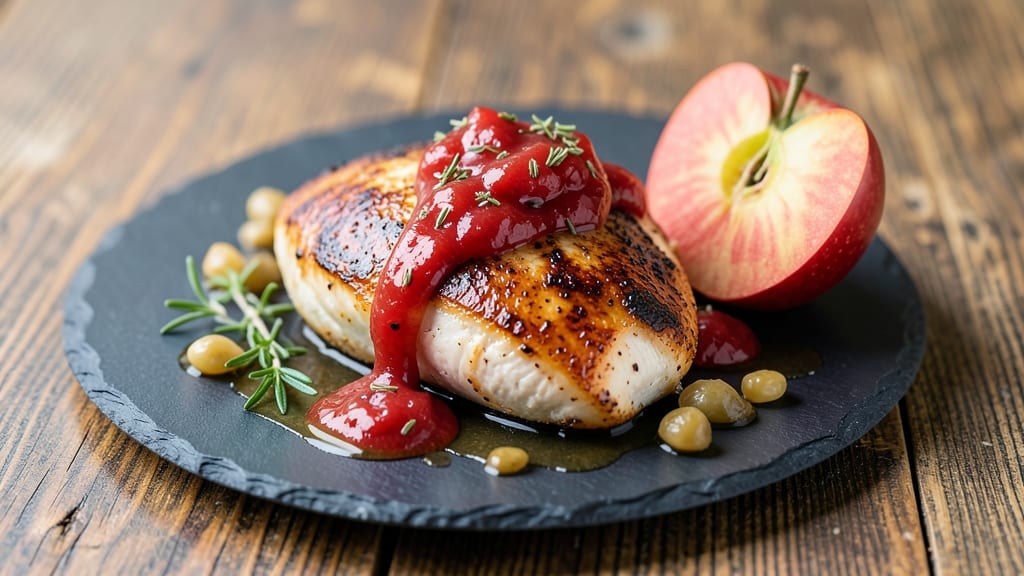
This Red Apple Inn Chicken recipe delivers the kind of restaurant-quality comfort that transforms a simple weeknight dinner into something special. 🌟 The secret lies in a buttery herb marinade that tenderizes the chicken while infusing it with aromatic depth, followed by a glossy apple-cider glaze that balances sweetness and acidity perfectly.
I developed this technique after years of perfecting herb-roasted poultry, and it never fails to impress—even skeptical guests. What sets this dish apart is the harmonious blend of textures and flavors: crisp golden skin, juicy meat, and that signature sticky-sweet glaze that clings to every bite.
The apple-cider glaze isn't just for show—it cuts through the richness of the butter and herbs, creating a perfect balance that's both comforting and sophisticated. Plus, the method is straightforward enough for weeknight cooking but impressive enough for company.
The result is a main course that feels like a hug—warm, inviting, and packed with flavor. Each bite delivers layers of buttery richness, herbal brightness, and caramelized apple notes that make this dish unforgettable.
It pairs beautifully with roasted root vegetables or a simple green salad, but honestly, it stands strong enough to be the star of any meal. Ready in about 45 minutes, this recipe delivers restaurant-quality results with minimal effort.
The key is patience—letting the chicken marinate and the glaze reduce properly ensures every element comes together perfectly. Trust me, once you try this version, you'll never go back to basic roasted chicken again.
Ingredients for red apple inn chicken
Buttery herbs, aromatic garlic, and apple-cider glaze create this restaurant-worthy chicken masterpiece.
| Ingredient | Amount | Notes |
|---|---|---|
| Boneless, Skinless Chicken Breasts 🍗 | 1 ½ lb | Evenly sized for consistent cooking |
| Unsalted Butter 🧈 | ½ cup | Cold, cubed for marinade |
| Fresh Rosemary 🌿 | ¼ cup | Finely chopped, stems removed |
| Fresh Thyme 🌿 | 2 tbsp | Leaves only, finely chopped |
| Garlic Cloves 🧄 | 6 cloves | Minced for marinade |
| Apple Cider Vinegar 🍎 | ¼ cup | For tangy brightness |
| Granulated Sugar 🍚 | 2 tbsp | For glaze balance |
| Apple Cider 🍎 | ½ cup | Unfiltered for depth |
| Diamond Crystal Kosher Salt 🧂 | 1 ½ tsp | For seasoning and glaze |
| Freshly Ground Black Pepper 🌶️ | 1 tsp | Freshly cracked preferred |
| Olive Oil 🫒 | 1 tbsp | For pan searing |
| Red Apple Cider 🍎 | ¼ cup | For finishing glaze |
The chicken breasts should be evenly sized—thin-cut pieces ensure consistent doneness. Local butchers often trim them perfectly, but if buying pre-cut, look for uniform thickness. The unsalted butter is non-negotiable here; it builds the marinade's richness. For the herbs, fresh is essential—dried thyme and rosemary lack the bright, aromatic punch this dish demands. I source my apple cider from local orchards when possible, but store-bought brands like Mott's work perfectly for weeknight cooking. The key is using unfiltered cider for that authentic depth of flavor.
No fresh rosemary? Dried works at one-third the amount, but the texture won't be as tender. Substitute apple cider vinegar with white wine vinegar if needed, though the flavor profile shifts slightly. For a quicker glaze, apple juice concentrate reduces faster—just dilute it with water to match the cider's viscosity. The sugar in the glaze isn't about sweetness; it's about caramelization and balancing the acidity. If you're watching sugar, reduce to 1 tbsp but expect a slightly tart finish. The olive oil should be light—not extra-virgin—for high-heat searing without overpowering the herbs.
Marinate the chicken for at least 4 hours—overnight is ideal—for maximum tenderness. The glaze keeps in the fridge for up to 1 week in an airtight container, though it thickens slightly. Reheat gently with a splash of water. For make-ahead convenience, pre-marinate and refrigerate the chicken up to 24 hours before cooking. The herbs in the marinade will infuse deeply, ensuring every bite carries that signature buttery-herb brightness. Store any leftover glaze in the freezer for up to 3 months—perfect for quick weeknight drizzles.
Why You'll Love This Recipe
- One-Pan Magic: I swear by this recipe when I’m too tired to wash extra dishes. Sear the chicken, toss in the butter, garlic, and herbs—then let the apples caramelize right on the same pan. Minimal chopping, zero stress.
- Herb-Butter Bliss: That first bite of tender chicken coated in rosemary-thyme butter? It’s like a warm hug for your taste buds. The garlic and apples add just enough sweetness to balance the savory richness—no complicated seasoning blends needed.
- Lunchbox Hero: Between us, this is my go-to for meal prep. Slice the chicken, pack it with a side of apples, and you’ve got a lunch that feels fancy but costs next to nothing. My kids actually eat their veggies when I serve this with roasted carrots.
- Leftovers That Don’t Suck: Honestly, the flavor gets better the next day. The chicken stays juicy, the apples soften into a sweet glaze, and the butter doesn’t go rancid. I make a double batch on Sundays—it’s my secret to stress-free weeknights.
Step-by-step instructions for buttery herb-roasted chicken with apple-cider glaze
This method delivers perfectly juicy chicken with a caramelized glaze and aromatic herb crust.
👨🍳 Step 1: Prepare the Herb Butter Marinade
In a medium bowl, combine the 0.5 cup unsalted butter with the 0.25 cup finely chopped fresh rosemary, 2 tbsp fresh thyme, 6 minced garlic cloves, 1.5 tsp kosher salt, and 1 tsp freshly ground black pepper. Mix with a fork until the butter is fully incorporated and the herbs are evenly distributed.
Place the marinade in the refrigerator while you prepare the chicken. The cold butter will firm up slightly, making it easier to work with later. This herb butter creates the signature crust while keeping the chicken incredibly moist.
🍳 Step 2: Sear the Chicken for Maximum Flavor
Heat a large oven-safe skillet over medium-high heat until it's very hot. Add the 1 tbsp olive oil and swirl to coat the bottom evenly. Pat the 1.5 lb boneless, skinless chicken breasts completely dry with paper towels—this ensures maximum browning.
Working in batches if needed, place the chicken in the skillet and sear for 3-4 minutes per side until golden brown and cooked through to 160°F internally. The chicken should release easily from the pan when ready to flip. Transfer to a plate and tent with foil to keep warm.
🥘 Step 3: Create the Apple-Cider Glaze
In the same skillet (no need to clean it—the browned bits add flavor), reduce heat to medium and add the 0.25 cup apple cider vinegar. Let it simmer for 2 minutes until slightly reduced by half. Add the 2 tbsp granulated sugar and 0.5 cup apple cider, scraping up any browned bits from the bottom.
Bring to a gentle simmer and cook for 3-4 minutes until the glaze thickens slightly. The mixture should coat the back of a spoon and have a subtle caramelized aroma. Remove from heat and let cool for 1 minute—this prevents the glaze from curdling when combined with the butter.
🔥 Step 4: Assemble and Roast to Perfection
Return the skillet to medium heat and add the herb butter marinade. Stir until melted and combined with the apple-cider mixture. Place the seared chicken back in the skillet, spooning the glaze mixture evenly over the top. Transfer the skillet to a 400°F preheated oven.
Roast for 12-15 minutes until the chicken reaches 165°F internally and the glaze has caramelized to a deep amber color. The edges should be bubbly and slightly crisp. If the glaze thickens too much before the chicken is done, add 1-2 tablespoons of water to loosen it.
🍽️ Step 5: Finish with Red Apple Cider Glaze
Remove the chicken from the oven and drizzle with the 0.25 cup red apple cider. Return to the oven for 2-3 minutes to let the glaze set. This final step adds a bright, tangy contrast to the rich herb butter and caramelized edges.
Let the chicken rest for 5 minutes before slicing. The glaze should be glossy with a slight sheen, and each slice should be juicy with a perfect balance of sweet, tangy, and herby flavors. Serve immediately with roasted vegetables or crusty bread to soak up the delicious sauce.
Pro Tips For Making Red Apple Inn Chicken
- Sear First, Then Simmer: Get that pan screaming hot before adding the chicken—cast iron or stainless steel works best—and sear each side for 2-3 minutes until golden. I used to skip this, thinking it was extra work, but it locks in flavor and keeps the chicken from drying out later when it hits the butter-herb sauce.
- Butter in Stages: Don’t dump all the butter in at once. Start with 1 tablespoon to sear, then add the rest in 2 batches—one when you toss in the garlic and herbs, another at the end to coat the chicken. This keeps the sauce from turning into a greasy mess while still giving it that rich, glossy finish.
- Don’t Overcrowd the Pan: If you’re cooking more than two breasts, work in batches. I learned this after walking away from a pan of chicken that barely browned—just enough space lets the meat crisp up instead of steaming. A quick test: if the chicken overlaps, it’s too crowded.
- Pound the Chicken Even: Use a meat mallet (or a heavy pan) to tap the breasts to an even ½-inch thickness before seasoning. Uneven thickness means some parts cook faster, others stay raw—this evens everything out. Skip this, and you’ll end up with dry edges and undercooked centers.
Wine and beer pairings for this dish
Apple Cider Wine
The apple cider theme extends perfectly to wine pairings, and my go-to is a crisp Dry Riesling from the Finger Lakes region. The bright acidity and subtle apple notes in a 2019 Dr. Konstantin Frank Riesling mirror the dish's apple-cider glaze while cleansing the palate between bites.
The wine's honeyed undertones complement the herb butter beautifully. 🍷
Crisp White Options
For a more affordable choice, Chardonnay with minimal oak works wonders—I love a 2020 La Crema from California. Its citrus and green apple flavors create a refreshing contrast to the rich chicken.
Avoid heavy, buttery Chardonnays that would overpower the dish's delicate balance. A Sauvignon Blanc from New Zealand also shines with its zesty lime and gooseberry notes.
Beer Pairings
For beer lovers, a Belgian Witbier like Hoegaarden brings a perfect balance with its coriander and orange peel notes. The effervescence cuts through the richness, while the slight sweetness echoes the apple glaze.
Alternatively, a German Helles Lager offers a clean, malty backbone that won't compete with the dish's complex flavors. Avoid heavy IPAs or stouts that would dominate.
Red Wine Exception
While whites and beers dominate, a light-bodied Pinot Noir from Oregon can work if you prefer red. Look for a 2019 Domaine Serene with its red fruit and earthy notes—it won't overpower the dish but adds an interesting contrast.
The acidity in these wines helps balance the buttery richness of the chicken. 🍇
Non-Alcoholic Options
For those skipping alcohol, a sparkling apple cider like Martinelli's Sparkling Cider captures the dish's essence perfectly. The bubbles provide the same cleansing effect as wine, while the apple flavor enhances the glaze.
For a more sophisticated touch, try a sparkling white grape juice with a splash of apple cider vinegar for acidity.
Nutrition facts
Frequently asked questions
Can I use chicken thighs instead of breasts for this recipe?
Chicken thighs work beautifully—they stay juicier and develop more flavor during roasting. Increase cooking time to 18-20 minutes at 400°F and check for 175°F internal temperature. The skin will crisp up perfectly with the herb butter, creating an irresistible texture. Just reduce the marinade time to 2-3 hours since thighs don't need as long to tenderize.
How do I adjust this recipe for a crowd of 8?
Double all ingredients and use a 12-inch cast-iron skillet or 9x13-inch baking dish for even cooking. For easier handling, marinate 2 lbs of chicken breasts separately and roast in batches. The apple-cider glaze can be quadrupled and kept warm in a saucepan on low heat. Cooking time remains 12-15 minutes per batch, but preheat your oven to 425°F for faster browning.
What if I don't have fresh herbs? Can I use dried?
Yes, but reduce amounts by one-third—dried herbs are more concentrated. For example, use 1 tbsp dried rosemary instead of 0.25 cup fresh. Toast the dried herbs in the skillet for 30 seconds before adding vinegar to deepen their flavor. The glaze will still taste good, but the texture won't be as tender. Fresh herbs deliver that signature restaurant-quality brightness this dish is known for.
Can I make this recipe ahead of time?
Marinate the chicken overnight for maximum flavor, then refrigerate until ready to cook. For a make-ahead meal, roast the chicken 1 day ahead, let it cool, and store in an airtight container. Reheat in a 350°F oven for 10-12 minutes with fresh glaze added at the end. The flavors actually improve after resting, making this perfect for meal prep.
Why did my glaze turn out too runny?
This usually happens if you didn't reduce the glaze long enough or used too much liquid. For a thicker consistency, simmer the glaze for an extra 2-3 minutes until it coats the back of a spoon. If it's still too thin, mix in 1 tsp cornstarch with 1 tbsp water and stir until thickened. The glaze should be glossy but not watery—it should cling to the chicken without pooling on the plate.