
Sauces & Condiments
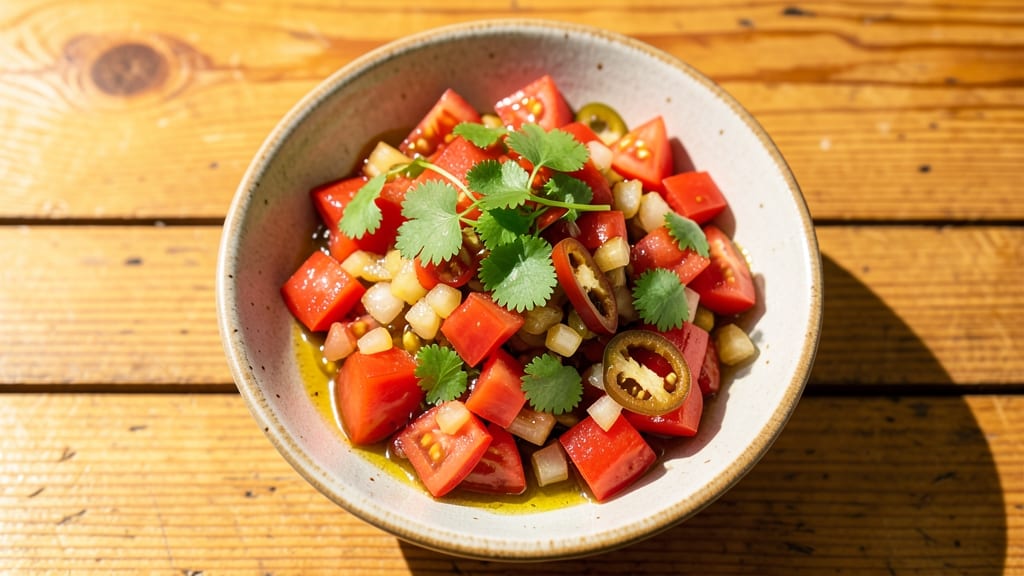
A salsa recipe with apple cider vinegar transforms ordinary meals into vibrant, tangy experiences that dance on your palate. The bright acidity of apple cider vinegar cuts through rich textures, balancing sweetness and heat while keeping flavors fresh and lively.
I developed this recipe after discovering how a splash of vinegar could elevate a simple tomato blend into something restaurant-worthy.
This salsa delivers a perfect harmony of textures—chunky tomatoes, crisp onions, and fresh herbs—all tied together by a zesty vinegar base that adds depth without overpowering. The acidity also helps preserve freshness, making it ideal for meal prep or batch cooking.
With just 10 minutes of prep time and 5 simple ingredients, you'll have a versatile condiment ready for tacos, chips, or grilled meats.
What makes this recipe stand out is its ability to adapt—sweeten it with honey for a dessert dip, add jalapeños for heat, or keep it classic with cilantro and lime.
The apple cider vinegar not only enhances flavor but also acts as a natural preservative, keeping your salsa fresh for up to 5 days in the refrigerator. It’s the kind of sauce that turns simple dishes into something special.
Perfect for game day, taco nights, or as a quick weeknight topping, this salsa proves that bright, tangy flavors can elevate any meal. The balance of acidity and sweetness makes it universally appealing, whether you're serving it with crispy tortilla chips or drizzling it over grilled fish. Let’s get started!
Ingredients for salsa recipe apple cider vinegar
Five ingredients make this salsa shine—bright, tangy, and ready in minutes.
| Ingredient | Amount | Notes |
|---|---|---|
| Ripe Roma Tomatoes 🍅 | 4 whole | Diced, seeds removed |
| Yellow Onion 🧅 | 1 whole | Finely diced |
| Fresh Cilantro 🌿 | ½ cup | Chopped, stems removed |
| Apple Cider Vinegar 🍎 | ¼ cup | Unfiltered preferred |
| Lime Juice 🍋 | ¼ cup | Freshly squeezed |
| Jalapeño Pepper 🌶️ | 1 whole | Seeded, finely chopped |
| Granulated Sugar 🍚 | 1 tbsp | Adjust to taste |
| Salt 🧂 | 1 tsp | Kosher or sea salt |
| Garlic Cloves 🧄 | 2 cloves | Minced |
The apple cider vinegar is the secret weapon here—Bragg or Texas Pete brands add extra depth. Grab the unfiltered kind if you can; it’s got more flavor complexity. Tomatoes should be ripe but firm—Roma tomatoes are ideal for their meaty texture, but any vine-ripened variety works. Fresh cilantro is a must (the good stuff, not the pre-bunched kind), but if you’re out, dried cilantro at half the amount will do in a pinch. The jalapeño? Keep the seeds in for heat, or remove them for a milder kick. I always buy extra jalapeños—they freeze perfectly for future salsa batches.
No apple cider vinegar? White wine vinegar or lemon juice works in a bind, though the flavor won’t be quite the same. Short on tomatoes? Fire-roasted canned tomatoes add smoky depth—just drain them well. Cilantro hater? Swap in flat-leaf parsley or basil for a different vibe. The sugar balances the acidity, but if you’re avoiding it, a pinch of honey works too. For extra texture, toss in diced avocado or corn kernels—just add them right before serving so they don’t get soggy.
This salsa tastes even better the next day as flavors meld. Store it in an airtight container in the fridge for up to 5 days. For longer storage, freeze portions in ice cube trays—perfect for adding to dishes later. If it thickens too much after chilling, just stir in a splash of water or vinegar. Pro tip: Double the batch and freeze half—you’ll thank yourself later when you’re craving that bright, tangy flavor without any prep.
Why You'll Love This Recipe
- No Chopping Struggle: I swear by this recipe because it only needs one onion finely diced and one handful of cilantro—no dice, no fuss. The Roma tomatoes just get halved and tossed, so it’s the kind of salsa I can make while scrolling through my phone.
- Tangy Kick: That apple cider vinegar isn’t just an afterthought—it’s the star. It brightens the sweetness of the tomatoes and cuts through the onion’s bite, leaving you with a sharp, refreshing finish that’s way more interesting than store-bought.
- Weeknight Workhorse: I keep a jar of this in the fridge for lazy nights when I’m serving up tacos, grilled chicken, or even just chips. It’s the kind of salsa that doesn’t demand a fancy dinner—it just works.
- Lasts All Week: Between us, this salsa gets better as it sits. The flavors meld, the vinegar mellows out, and it keeps for at least a week in the fridge. Honestly? I’ve had it last two, and it’s still delicious—no waste, just flavor.
Step-by-step instructions for apple cider vinegar salsa
This bright, tangy salsa comes together in minutes with fresh ingredients you already have.
Prep All Ingredients for Maximum Flavor
Start by cutting the 4 whole ripe Roma tomatoes into ½-inch dice and removing the seeds. I like to use a small bowl of cold water to help rinse away any excess pulp—this keeps the salsa from getting too watery later. Finely dice the 1 whole yellow onion, making sure the pieces are small and uniform so they blend well with the tomatoes.
Next, chop the 0.5 cup fresh cilantro, removing any thick stems first. For the jalapeño, slice off the ends and make a small cut down the middle to remove the seeds and membranes—this controls the heat level. Finely chop the jalapeño and set it aside. Finally, mince the 2 cloves garlic cloves until you can barely see the individual pieces.
Combine Tomatoes, Onion, and Seasonings
In a large mixing bowl, combine the diced tomatoes, finely diced onion, chopped cilantro, jalapeño, and minced garlic. Add the 1 tablespoon granulated sugar and 1 teaspoon salt, then give everything a good stir. The sugar will help balance the acidity while the salt enhances all the flavors. Let this mixture sit for 5 minutes—this gives the salt time to work its magic and draw out any excess moisture from the vegetables.
Here's the thing—if you're using particularly juicy tomatoes, you might want to drain them briefly. I press the tomatoes gently in a clean kitchen towel for a minute or two to remove excess liquid before mixing. This prevents a watery salsa later on.
Add the Acidic Components
Pour in the 0.25 cup apple cider vinegar and 0.25 cup freshly squeezed lime juice. The vinegar brings that signature tang while the lime juice adds brightness. Stir everything together thoroughly until the vinegar and lime juice are evenly distributed. Taste the mixture at this point—it should be balanced between sweet, spicy, and acidic. If it needs more sweetness, add a little more sugar; if it needs more heat, add a pinch more salt.
This is where the magic happens. The acidity from the vinegar and lime juice will start to break down the vegetable fibers slightly, creating a more cohesive texture. Let the salsa sit for another 10 minutes to allow all the flavors to meld together.
Adjust and Serve
After the 10-minute rest, give the salsa one final taste. You might find that the flavors have intensified slightly, so adjust the seasoning if needed. I usually add a tiny bit more salt or lime juice at this stage to perfect the balance. The salsa should be vibrant, tangy, and just spicy enough to make your mouth tingle.
Transfer the salsa to a serving bowl or airtight container. Let it chill in the refrigerator for at least 30 minutes before serving—this allows the flavors to fully develop. This salsa tastes amazing with tortilla chips, as a topping for tacos, or even as a dip for grilled vegetables. The apple cider vinegar gives it a unique depth that sets it apart from traditional salsas.
Pro Tips For Making Salsa Recipe Apple Cider Vinegar
- CHAR THE ONION LOW: I learned this the hard way—searing onions in a dry pan until they’re golden brown before chopping makes the whole salsa richer. Just cook them over medium-low heat for 8-10 minutes, stirring occasionally, until they’re soft but not burnt. The deeper caramelization cuts through the acidity of the apple cider vinegar and balances the bright lime.
- PEEL THOSE TOMATOES: Roma tomatoes have thick skins that won’t break down easily, even when blended. Scald them for 30 seconds in boiling water, then shock in ice water before peeling—it’s tedious, but worth it. Unpeeled tomatoes leave a gritty texture that fights against the smoothness of the vinegar and lime.
- MEASURE THE VINEGAR: Apple cider vinegar isn’t just an afterthought—it’s the flavor anchor. Use 2 tablespoons per pound of tomatoes (about 1/4 cup for a standard batch) and taste before adding lime. Too much vinegar kills the freshness; too little makes the salsa taste flat. Start conservative, then adjust.
- STRAIN THE CILANTRO: I skip this when I’m lazy, but the dish is noticeably better when I don’t. Finely chop the cilantro and press it through a mesh strainer to remove stems and seeds—it keeps the salsa from getting slimy over time. If you’re short on time, at least pick out the tough stems before blending.
Common mistakes when making your salsa recipe apple cider vinegar
Skipping the Vinegar
Apple cider vinegar isn’t just an ingredient—it’s the backbone of this salsa’s signature tang. I’ve seen people skip it or substitute with lemon juice, but that’s a big mistake. The vinegar’s depth balances the sweetness of the tomatoes and onions while adding complexity.
If you’re avoiding vinegar, try a splash of white wine vinegar instead, but know it won’t be the same. The acidity also helps preserve the salsa longer, so cutting corners here means faster spoilage. 🍎
Overloading on Heat
Jalapeños are great, but adding too many—or keeping the seeds—can turn your salsa into a mouth-on-fire disaster. I’ve learned this the hard way! Start with just 1 jalapeño and adjust to taste. If you love spice, try adding a pinch of cayenne pepper instead of extra jalapeños.
Remember, heat builds over time, so taste as you go. A little goes a long way, especially when paired with the cooling effect of the apple cider vinegar.
Using Unripe Tomatoes
Unripe tomatoes taste bland and mealy, which can ruin your salsa. Always choose ripe, firm Roma tomatoes—they’re sweeter and hold their shape better. If your tomatoes are underripe, let them sit at room temperature for a day or two to ripen.
I’ve also used fire-roasted canned tomatoes in a pinch, but they add a smoky flavor that changes the salsa’s profile. The key is balance, and ripe tomatoes are non-negotiable for that bright, fresh taste. 🍅
Not Letting It Rest
Rushing to serve your salsa right after mixing is a common mistake. The flavors need time to meld—at least 10 minutes before tasting and 30 minutes in the fridge before serving.
This resting period lets the vinegar and lime juice work their magic, softening the vegetables slightly and deepening the flavors. I’ve caught myself serving salsa too soon, and it always tastes flat compared to when it’s had time to develop. Patience pays off here! ⏳
Ignoring the Sugar
The 1 tablespoon of sugar in this recipe isn’t just for sweetness—it balances the acidity of the vinegar and lime juice. Skipping it can leave your salsa too sharp or one-dimensional. If you’re avoiding sugar, try a pinch of honey or even a tiny bit of agave nectar.
But don’t skip it entirely—your taste buds (and your salsa) will thank you for the harmony. Trust me, the sugar makes all the difference! 🍚
Overmixing the Herbs
Cilantro and other herbs can turn bitter or lose their freshness if overworked. Once you’ve chopped the 0.5 cup cilantro, gently fold it into the salsa just until combined. Overmixing releases bitter compounds from the stems and can make the herbs taste harsh.
I’ve learned to handle cilantro with care—it’s all about gentle integration. The same goes for any other herbs or greens you add. Keep it light and fresh! 🌿
Nutrition facts
Frequently asked questions
Can I substitute apple cider vinegar with another vinegar?
You can use white wine vinegar or lemon juice in a pinch, but apple cider vinegar gives this salsa its signature depth and complexity. The unfiltered kind adds subtle sweetness and a richer flavor that other vinegars can't match. If you're avoiding vinegar entirely, try adding extra lime juice for brightness.
How long will this salsa keep in the fridge?
This salsa stays fresh for up to 5 days when stored in an airtight container in the refrigerator. The apple cider vinegar acts as a natural preservative, helping maintain its vibrant flavor. For longer storage, freeze portions in ice cube trays—perfect for adding to dishes later without thawing!
What can I do if my salsa turns out too watery?
If your salsa is too thin, try draining the excess liquid by pressing the mixture through a fine-mesh strainer or gently spooning it into a bowl. For a thicker texture, let it sit uncovered in the fridge for 1-2 hours—the liquid will evaporate slightly. You can also stir in 1 tablespoon of cornstarch mixed with 2 tablespoons of water to thicken it up.
Can I make this salsa without fresh cilantro?
If you don't have fresh cilantro, use ½ teaspoon of dried cilantro or swap it with flat-leaf parsley or basil for a different flavor profile. The herbs add freshness, so if you're avoiding them entirely, try adding a pinch of ground cumin for warmth instead. The apple cider vinegar will still give it that tangy kick!
Is this salsa spicy enough for me?
The heat level depends on how you prep the jalapeño. Remove seeds and membranes for a milder salsa, or keep them for extra spice. For more heat without adding more peppers, try adding a pinch of cayenne pepper or a dash of hot sauce. Remember, flavors intensify as the salsa rests, so start with less heat if you're unsure!