
Sauces & Condiments
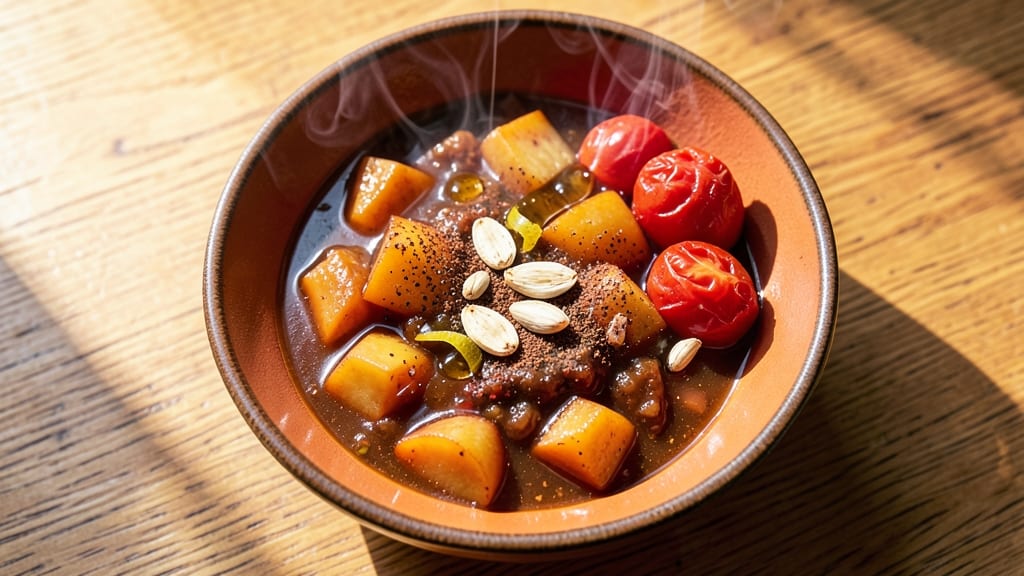
This apple chili sauce recipe transforms humble ingredients into a sweet-tangy masterpiece that bridges savory and dessert worlds. 🍏✨ The magic happens when crisp apples, ripe tomatoes, and aromatic spices simmer into a glossy, balanced sauce with just the right kick—no artificial flavors, just pure, bright complexity.
I developed this after years of experimenting with fruit-based condiments, and it's become my go-to for adding depth to everything from grilled meats to vanilla ice cream.
The secret lies in the balance: sharp apple cider vinegar cuts through the sweetness while preserving that natural fruit brightness, and a touch of smoked paprika adds warmth without overpowering. Unlike store-bought versions, this sauce develops richer flavors the longer it sits, making it perfect for batch cooking.
The texture is velvety yet clings perfectly, whether you're drizzling it over tacos or spooning it alongside roasted pork.
What makes this sauce truly special is its versatility—it works as a glaze, a dipping sauce, or even a dessert companion. The spices (cinnamon, garlic, and chili) create layers of warmth that elevate simple dishes into something memorable.
With just 10 minutes of active prep and 30 minutes of simmering, you'll have restaurant-quality results that keep for weeks in the fridge.
Serve it warm over grilled chicken or pork, use it as a marinade, or drizzle it over vanilla ice cream for a sophisticated dessert twist. The possibilities are endless, but the technique remains simple: combine, simmer, and taste as you go. Here's how to make it perfectly every time.
Ingredients for apple chili sauce
Sweet-tangy perfection starts with these 11 simple, flavor-packed ingredients.
| Ingredient | Amount | Notes |
|---|---|---|
| Apples 🍏 | 2 cups | Peeled, cored, diced (Honeycrisp or Fuji preferred) |
| Ripe Tomatoes 🍅 | 1 ½ cups | Diced (vine-ripened preferred) |
| Apple Cider Vinegar 🍶 | ¼ cup | Raw, unfiltered preferred |
| Smoked Paprika 🌶️ | 1 tbsp | High-quality for smoky depth |
| Ground Cinnamon 🌿 | 1 tsp | Freshly ground preferred |
| Garlic Cloves 🧄 | 3 cloves | Minced for aromatic punch |
| Yellow Onion 🧅 | ½ cup | Finely diced (Vidalia preferred) |
| Brown Sugar 🍚 | ¼ cup | Light or dark preferred |
| Cayenne Pepper 🔥 | ¼ tsp | Adjust for heat preference |
| Extra-Virgin Olive Oil 🫒 | 2 tbsp | High-quality for richness |
| Salt 🧂 | ½ tsp | Kosher or sea salt |
The apples are non-negotiable—Honeycrisp or Fuji have that perfect balance of sweetness and tartness. Trader Joe's and Whole Foods carry great options, or hit the farmers market if you're lucky enough to have one nearby. If you can't find those, Gala or Jonagold work in a pinch. The tomatoes should be ripe but firm; Heirloom tomatoes add extra depth, but regular vine-ripened work just fine. For the vinegar, raw, unfiltered apple cider vinegar makes all the difference—it's got more flavor complexity than the clear stuff. Look for it in the natural foods aisle at Kroger or Sprouts if you're not near a specialty store.
No Honeycrisp apples? Bosc or Granny Smith add tartness that balances the sweetness. Short on tomatoes? Canned San Marzano tomatoes (no salt added) work perfectly—they're sweeter and more flavorful than fresh out-of-season ones. The smoked paprika can be swapped for regular paprika plus a pinch of liquid smoke, but Penzeys brand is worth the splurge for that authentic smoky flavor. Cayenne too spicy? Reduce to 1/4 tsp or swap for red pepper flakes. For the onion, yellow or red both work—just make sure it's fresh. The brown sugar can be light or dark; muscovado sugar adds caramel notes if you're feeling fancy.
This sauce tastes even better the next day as the flavors meld. Store it in a glass jar in the fridge for up to 2 weeks, or freeze portions for 6 months. I like to make a big batch and keep it in the fridge—it's perfect for quick weeknight dinners. The sauce thickens as it cools, so if it seems too thick after chilling, just add a splash of water or apple juice to loosen it up. Trust me, the leftovers are where this sauce really shines—it's like a flavor upgrade for everything from tacos to ice cream.
Why You'll Love This Recipe
- No-Fuss Pantry Magic: I swear by this recipe when I’m staring at a fridge full of apples and tomatoes that need using. No fancy techniques—just chop, simmer, and blend. The vinegar cuts through the sweetness while the cinnamon and smoked paprika add depth without extra effort.
- Sweet-Smoky Obsession: That balance of tart apples, jammy tomatoes, and a whisper of smoked paprika? It’s like a hug in sauce form. Honestly, I’ve drizzled it on everything from grilled chicken to plain yogurt, and each time I think, “Why didn’t I make more?”
- Weeknight Swiss Army Knife: This sauce is my secret weapon for lazy dinners—toss it with pasta, stir into beans, or slather it on sandwiches. (Yes, even on a Tuesday night.) It keeps for days in the fridge, so I make a big batch and let it work its magic all week.
- Budget-Friendly Pantry Staple: Apples, tomatoes, vinegar—these are things I already have, and they stretch into a flavor bomb. I’ll be real: I’ve made this with bruised apples and overripe tomatoes, and no one’s ever complained. It’s the kind of recipe that makes grocery bills feel lighter.
Step-by-step instructions for spiced apple and tomato simmered sauce
Here's how to create a perfectly balanced sauce with sweet, smoky, and tangy flavors.
🍳 Step 1: Sauté Aromatics Until Fragrant
Heat the 2 tablespoons extra-virgin olive oil in a medium saucepan over medium heat. Add the ½ cup finely diced yellow onion and cook for 4-5 minutes until softened and translucent. You'll notice the onions release their sweet aroma and begin to caramelize slightly at the edges.
Add the 3 minced garlic cloves and cook for another 30 seconds until fragrant. Be careful not to let the garlic burn—it should smell sweet and pungent, not bitter. This aromatic base forms the flavor foundation for your sauce, so take your time getting it just right.
🍳 Step 2: Add Spices and Cook Until Toasted
Stir in the 1 tablespoon smoked paprika, 1 teaspoon ground cinnamon, ½ teaspoon salt, and ¼ teaspoon cayenne pepper. Cook for 1-2 minutes until the spices are fragrant and the paprika deepens in color. You'll see the mixture darken slightly and smell that wonderful smoky warmth develop.
Here's where it gets good—the spices should be warm but not burning. If they start to darken too quickly, reduce the heat to medium-low. This step builds the complex spice profile that makes this sauce special, so don't rush it.
🍳 Step 3: Simmer Apples and Tomatoes Until Tender
Add the 2 cups diced apples and 1.5 cups diced ripe tomatoes to the pan. Stir well to combine with the spices. Pour in the ¼ cup apple cider vinegar and bring the mixture to a gentle simmer over medium heat. This should take about 3-4 minutes—you'll see bubbles form around the edges.
Once simmering, reduce heat to low and cover partially. Let it cook for 15-20 minutes until the apples are tender when pierced with a fork. The sauce should thicken slightly as the fruit breaks down, but you'll still want some texture. Stir occasionally to prevent sticking—this is where the magic happens.
🥘 Step 4: Sweeten and Finish the Sauce
Add the ¼ cup brown sugar and stir well to distribute evenly. Increase heat to medium-low and let the sauce simmer uncovered for another 10-12 minutes. You'll notice the sauce thicken further and develop a glossy sheen. Taste occasionally—this is when you can adjust the seasoning if needed.
For the perfect balance, you want sweetness from the apples and sugar, tang from the vinegar and tomatoes, and that smoky warmth from the spices. The sauce should coat the back of a spoon with a beautiful gloss and be slightly thick but still pourable. If it's too thick, add 1-2 tablespoons water to reach your desired consistency.
⏰ Step 5: Cool and Serve
Remove the sauce from heat and let it cool for 5-10 minutes—this allows the flavors to meld completely. The sauce will thicken slightly more as it cools, so don't worry if it looks perfect right away. Give it a final taste and adjust seasoning if needed—perhaps a pinch more salt or a splash more vinegar for brightness.
This versatile sauce pairs beautifully with grilled meats, roasted vegetables, or even as a dip for fresh bread. The perfect balance of sweet, smoky, and tangy flavors makes it a crowd-pleaser that works for both casual weeknight dinners and special occasions.
Pro Tips For Making Apple Chili Sauce
- Peel the Apples: I learned this the hard way—peeling apples before cooking makes the sauce look prettier but loses texture and flavor. Leave the skin on for a thicker, heartier sauce, especially if using firm varieties like Honeycrisp or Granny Smith. Just give them a quick scrub and a rough chop.
- Simmer Slow and Low: This sauce needs time to develop depth, so don’t rush it. After the initial cook, reduce heat to a gentle simmer (think tiny bubbles, not a rolling boil) and let it cook uncovered for at least 20 minutes. Skipping this step leaves it tasting flat and underdeveloped—like skipping the best part of a good conversation.
- Toast the Spices: Dry-toast the smoked paprika and cinnamon in a small pan over low heat for 30 seconds before adding them to the sauce. This blooms their flavors, making the sauce taste richer and more complex—like the difference between a flat coffee and one with a proper crema.
- Strain for Smoothness: If you want a silky sauce, strain it through a fine-mesh sieve after cooking. The effort saves you from chewing on apple bits later, and it lets the sauce cling better to whatever you’re drizzling it over. (Yes, even if you’re impatient like me.)
Troubleshooting this dish
Too Thin or Watery
If your sauce ends up too thin after simmering, don't panic—this is an easy fix. Simmer the sauce uncovered for an extra 5-10 minutes to let the liquid reduce naturally. For faster results, add 1 tablespoon cornstarch mixed with 2 tablespoons cold water and stir while heating.
If it's still too thin, consider making a small batch of apple chutney next time by adding ½ cup chopped dried apricots or 1 tablespoon tomato paste to thicken the base. 💫
Too Thick or Gluey
Sauce that's too thick happens when the fruit breaks down too much during cooking. To fix it, whisk in 1-2 tablespoons apple cider vinegar or water while warm—this helps restore balance. For prevention, reduce simmering time by 5 minutes next time and stir more frequently.
If the texture becomes gluey, a splash of apple juice (about 1-2 tablespoons) can help restore smoothness without altering flavor. Remember, the sauce will thicken further as it cools.
Fruit Not Cooked Enough
If your apples or tomatoes remain crunchy, they need more time to tenderize. Return the sauce to low heat and simmer uncovered for another 5-10 minutes, stirring occasionally. For stubborn chunks, mash a few pieces against the pan sides with a wooden spoon to help break them down faster.
If you're short on time, use slightly softer apples like McIntosh next time—they cook faster than Honeycrisp.
Flavor Too Sweet
An overly sweet sauce usually means the apples or sugar dominated. Balance it by adding 1-2 tablespoons apple cider vinegar to cut through the sweetness. For a more complex fix, stir in ½ teaspoon ground ginger or ¼ teaspoon black pepper to add depth.
If the sauce tastes cloying, reduce the brown sugar by 1 tablespoon in future batches and increase the vinegar by 1 tablespoon instead.
Flavor Too Tangy
Excessive tanginess comes from too much vinegar or underripe tomatoes. Mellow the flavor by adding 1-2 teaspoons brown sugar or ½ teaspoon honey to sweeten. For a more balanced fix, stir in ½ teaspoon ground cinnamon or ¼ teaspoon smoked paprika to add warmth.
If the sauce tastes harsh, simmer uncovered for 2-3 minutes to let some of the acidity cook off.
Spices Too Strong
If the spices overpower the fruit flavors, dilute them by adding 1-2 tablespoons apple juice or water while warm. For a more subtle fix, stir in ½ teaspoon vanilla extract or 1 teaspoon orange zest to round out the flavors.
In future batches, reduce the smoked paprika by ½ teaspoon or the cayenne by ⅛ teaspoon to achieve a more balanced heat level.
Nutrition facts
Frequently asked questions about apple chili sauce
Can I make this sauce without apples?
The apples are essential for that signature sweet-tangy balance, but you can substitute with ½ cup unsweetened applesauce or 1 cup diced peaches in a pinch. The texture will be slightly different, but the flavor profile will still shine. For best results, stick with the apples—they add that perfect fruit-forward character that makes this sauce special.
How long can I store this sauce?
Store in an airtight glass jar in the fridge for up to 2 weeks, or freeze for 6 months in portion-sized containers. The flavors actually improve over time, so it's perfect for batch cooking. When reheating, warm gently on the stove or microwave until steaming—never boil to preserve texture.
What are the best ways to use this sauce?
This versatile sauce works as a glaze for grilled meats, a tangy dip for spring rolls, or even a drizzle over vanilla ice cream. Try it with pulled pork tacos, roasted Brussels sprouts, or as a marinade for chicken. The smoky-sweet balance makes it unexpectedly good with savory dishes and sweet treats alike.
Can I reduce the spice level?
For milder heat, reduce the cayenne to ⅛ teaspoon or omit it entirely. You can also swap it for ½ teaspoon mild chili powder instead. If you prefer no heat at all, simply skip the cayenne—your sauce will still be delicious with just the smoky paprika and cinnamon.
Why does my sauce look watery?
This happens when the fruit doesn't break down enough during simmering. To fix it, simmer uncovered for an extra 5-10 minutes or add 1 tablespoon cornstarch mixed with 2 tablespoons water while stirring. For prevention, use slightly softer apples like McIntosh next time—they cook faster than Honeycrisp.