
Sauces & Condiments
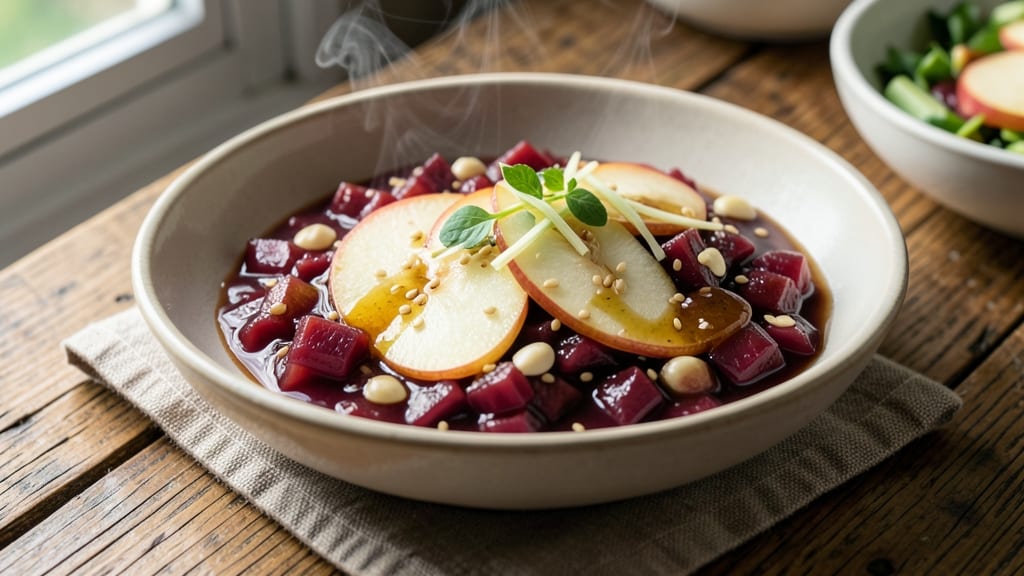
This apple kimchi sauce recipe transforms tangy fermented kimchi into a luscious, sweet-tangy glaze that elevates everything from grilled meats to roasted vegetables. The perfect balance of crisp apple sweetness, fermented kimchi tang, and aromatic ginger creates a sauce that's as versatile as it is delicious.
I developed this recipe after craving a dip that combined the bold flavors of kimchi with the natural sweetness of apples—something that could double as a marinade, glaze, or dipping sauce.
The beauty of this sauce lies in its simplicity. With just a handful of ingredients—kimchi, apples, vinegar, sugar, and aromatics like garlic and ginger—you create a condiment that's packed with umami, tang, and a touch of sweetness.
The cooking process is straightforward: simmer the ingredients until they meld into a thick, glossy sauce that clings beautifully to whatever you drizzle it over. It’s a game-changer for anyone looking to add depth and complexity to their meals without complicating the process.
What makes this sauce truly special is its versatility. Use it as a dipping sauce for spring rolls or dumplings, a glaze for grilled chicken or pork, or a tangy topping for roasted vegetables.
The flavor profile is bold enough to stand alone but adaptable enough to complement a variety of dishes. Plus, it keeps well in the refrigerator for up to two weeks, making it a perfect make-ahead option for busy weeknights or meal prep.
The result is a sauce that’s rich, glossy, and full of layers—where the sweetness of the apples balances the tang of the kimchi, and the ginger and garlic add warmth and depth.
It’s the kind of condiment that turns ordinary meals into something extraordinary, all while being simple enough to make in under 30 minutes. Ready to elevate your dishes with this sweet-tangy glaze?
Ingredients for apple kimchi sauce
Just ten ingredients transform bold kimchi into a sweet-tangy glaze that works everywhere.
| Ingredient | Amount | Notes |
|---|---|---|
| Kimchi 🥬 | 1 ½ cups | Fermented, well-seasoned variety |
| Honeycrisp Apples 🍎 | 2 medium | Peeled, diced into small pieces |
| Rice Vinegar 💧 | ½ cup | Seasoned or white vinegar |
| Granulated Sugar 🍚 | ½ cup | Adjust to taste for sweetness |
| Fresh Ginger 🌿 | 1 inch | Peeled, finely grated |
| Garlic Cloves 🧄 | 3 cloves | Minced for aromatic depth |
| Sesame Oil 🫒 | 1 tbsp | Toasted sesame oil preferred |
| Soy Sauce 🥢 | 2 tbsp | Light or dark variety |
| Gochujang 🌶️ | 1 tbsp | Korean fermented chili paste |
| Salt 🧂 | ½ tsp | Kosher or sea salt |
Kimchi is the backbone here—look for fermented varieties with vibrant red and green colors, not the sweet, paste-like kind. Trader Joe's and Korean markets have the best selection. Honeycrisp apples are my go-to for their crisp texture and natural sweetness, but Fuji or Gala work just as well. If you can't find Honeycrisp, any firm apple will do—just peel and dice it into small, even pieces so it cooks evenly. The ginger and garlic are non-negotiable for that aromatic punch, so don't skip them. Freshly grated ginger has the most impact, but jarred works in a pinch.
No rice vinegar? Apple cider vinegar or white wine vinegar will work, though the flavor profile shifts slightly. Short on gochujang? Sriracha at half the amount adds heat but lacks depth. The sesame oil is where the magic happens—toasted sesame oil has a nutty aroma that elevates everything, but regular sesame oil is fine. If you're avoiding gluten, swap soy sauce for tamari or coconut aminos. The sugar is purely for balance—adjust to taste, but don't skip it entirely or the sauce will be too sharp.
This sauce keeps beautifully in an airtight jar in the fridge for up to 2 weeks. The flavors actually improve over time as everything melds together. For longer storage, freeze portions in ice cube trays—perfect for single-use applications. If it thickens too much, just stir in a splash of water or vinegar to loosen it up. The sauce reheats well, so it's perfect for meal prep. I always make a double batch—one for immediate use and one to stash in the freezer for later.
Why You'll Love This Recipe
- I’ll be real: kimchi and Honeycrisp apples aren’t cheap, but this recipe stretches them far. A little goes a long way, and the leftovers? They’re even better the next day. Plus, if I double the batch, I’ve got a backup for when my usual takeout cravings hit.
- Five-Ingredient Magic: I swear, this sauce comes together with stuff I already had in my fridge—no fancy shopping trip required. The Honeycrisp apples add that sweet crunch, while the kimchi brings the tangy punch, and honestly? The ginger ties it all together without me having to measure anything precisely.
- Sweet-Savory Balance: Between us, the first time I tasted this, I nearly spilled my tea. That crisp, juicy apple sweetness cuts through the kimchi’s spice, and the rice vinegar keeps it bright—not cloying, not dull. It’s the kind of flavor that makes you reach for the jar again before you even finish your first bite.
- Pantry Staple Power: This sauce is my go-to for lazy Sundays or when I’m prepping for the week. Drizzle it over grilled chicken, toss it into rice bowls, or even slather it on sandwiches—it works everywhere. And because it keeps for weeks in the fridge? I’m always covered.
Step-by-step instructions for sweet-tangy apple kimchi sauce
This vibrant glaze balances crisp apple sweetness with kimchi's bold tang—perfect for dipping or drizzling.
Sauté Aromatics Until Fragrant
Heat a medium saucepan over medium heat and add the 1 tablespoon sesame oil. Once shimmering, add the 3 minced garlic cloves and 1 inch finely grated fresh ginger. Cook for 1-2 minutes until the garlic turns golden and fragrant—this is your flavor foundation. Be careful not to burn the ginger; it should smell bright and citrusy, not bitter.
Here's the thing—ginger and garlic release their oils at different rates. The garlic will brown first, but the ginger needs gentle heat to soften without turning mushy. If it starts to darken too quickly, reduce the heat slightly and stir constantly. These aromatics will carry the entire sauce, so take your time getting them just right.
Add Kimchi and Cook Until Soft
Increase heat to medium-high and add the 1.5 cups kimchi, breaking up any large chunks with a wooden spoon. Cook for 3-4 minutes, stirring frequently, until the kimchi softens and releases its juices. You'll see the sauce begin to thicken slightly as the liquid reduces.
This step transforms the kimchi from its original texture to a silky base. You're looking for a consistency where the chunks break down but still retain some texture—not a complete mush. If the pan starts to stick, add 1-2 tablespoons of water to help dissolve the flavors. The sauce should smell like a perfect balance of funky fermented notes and sweet apple to come.
Incorporate Apples and Simmer Until Tender
Add the 2 medium diced Honeycrisp apples and stir to combine. Cook for 4-5 minutes until the apples soften and begin to caramelize at the edges. They should still hold their shape but be tender enough to break apart easily with a fork.
Honeycrisp apples are my secret weapon here—they hold up well during cooking but develop that perfect melt-in-your-mouth texture. If you notice the apples browning too quickly, reduce the heat to medium-low and cover the pan briefly to steam them gently. The goal is tender apples that contribute sweetness without turning to mush.
Build the Sauce with Vinegar and Sweetener
Pour in the 0.5 cup rice vinegar and 0.5 cup granulated sugar, stirring constantly. Bring to a gentle simmer and cook for 5-6 minutes until the sugar dissolves completely and the mixture reduces by about 25%. The sauce should coat the back of a spoon but still be pourable.
This is where the magic happens—the vinegar brightens the flavors while the sugar balances the tang. Taste as you go and adjust the sweetness if needed; you can always add more sugar later. The sauce should be sweet-tangy with a subtle heat from the kimchi. If it's too thin, simmer uncovered for another 1-2 minutes to thicken further.
Finish with Seasonings and Rest
Remove from heat and stir in the 2 tablespoons soy sauce, 1 tablespoon gochujang, and 0.5 teaspoon salt. Let the sauce sit for 5 minutes to allow all the flavors to meld together. The gochujang will add depth and a subtle spicy kick, while the soy sauce rounds out the umami.
I always let the sauce rest before serving—it's tempting to use it immediately, but those final 5 minutes make all the difference. The flavors will harmonize, and the sauce will reach its perfect balance of sweet, tangy, and umami. For the best results, use it warm over grilled meats, as a dipping sauce for spring rolls, or drizzled over fresh noodles.
Pro Tips For Making Apple Kimchi Sauce
- PEEL AND GRATE GINGER FAST: Use a microplane instead of a knife—it shaves ginger into fine, even pieces in seconds. No need to chop; just scrape and go. (Yes, even if you’re impatient like me, this saves time and blends smoother.)
- SIMMER LOW AND SLOW: After adding sugar and vinegar, keep the heat at a gentle simmer. I learned this the hard way—too much heat turns the sauce cloying and burns the apple edges. Let it melt together, not boil.
- DICE APPLES SMALL AND EVEN: Cut Honeycrisp apples into ¼-inch cubes, not thick chunks. Smaller pieces cook faster, soften evenly, and release their sweetness without turning mushy. (And skip the core—it’s bitter and gummy.)
- STRAIN KIMCHI JUICE FIRST: Drain the kimchi in a colander for 10 minutes before using it in the sauce. The excess brine dilutes flavor, and you’ll end up with a cleaner, tangier base. Save the juice for another use—it’s not wasted.
Troubleshooting your apple kimchi sauce
Kimchi Too Watery?
If your kimchi is overly watery, start by draining it in a fine-mesh strainer for 10-15 minutes before using. Press gently with a spoon to remove excess liquid. For the sauce, simmer the kimchi mixture uncovered for 2-3 extra minutes to reduce the liquid further.
If needed, add ½ teaspoon cornstarch mixed with 1 tablespoon water and stir in during the final simmer. 💧
Sauce Too Thin?
Thin sauces happen when the apples release too much liquid. Fix this by simmering uncovered for 3-4 minutes longer, stirring occasionally. Alternatively, mix 1 teaspoon tapioca starch with 1 tablespoon water, stir into the sauce, and cook for 1-2 minutes until thickened.
For a quick fix, add ½ teaspoon arrowroot powder directly to the pan and stir vigorously.
Flavor Imbalance?
If the sauce tastes too sweet, add 1-2 teaspoons rice vinegar or a splash of lime juice to brighten it. For extra tang, stir in ½ teaspoon fish sauce or an additional ½ tablespoon gochujang.
If it's too sharp, balance with ½ teaspoon honey or 1 teaspoon maple syrup. Taste as you go—small adjustments make all the difference. 🌶️
Apples Not Soft Enough?
Undercooked apples can make the sauce grainy. If yours aren't tender after 4-5 minutes, cover the pan and cook for 2-3 more minutes off the heat to steam gently.
For extra tenderness, add 1 tablespoon apple cider to the pan and simmer uncovered for 1 minute. Avoid high heat—it burns the apples instead of softening them.
Sauce Separates When Stored?
This happens when oils (from sesame or kimchi) rise to the top. Before storing, let the sauce cool slightly, then stir in ½ teaspoon xanthan gum to help emulsify. Shake well before using.
For a quick fix, whisk vigorously with a fork or blend briefly in a food processor. Store in an airtight container with the lid sealed tightly to prevent separation. ✨
Gochujang Too Strong?
If the heat from gochujang overpowers, balance it with ½ teaspoon honey or 1 teaspoon sugar. For a milder kick, reduce the gochujang to ½ tablespoon next time.
Alternatively, stir in 1 teaspoon toasted sesame seeds to add depth without heat. The key is harmony—adjust gradually to avoid muting the sauce's complexity entirely.
Nutrition facts
Frequently asked questions
Can I use store-bought kimchi for this sauce?
Yes, but choose a well-fermented, tangy variety—not the sweet, paste-like kind. Look for vibrant red and green colors in the kimchi, which indicate proper fermentation. Brands like Trader Joe's or Korean market kimchi work perfectly for this recipe.
What if I don't have gochujang?
No problem! Substitute with ½ tablespoon Sriracha for heat, but you'll lose some depth. For a milder version, skip it entirely and add an extra ½ teaspoon garlic powder to enhance umami. The sauce will still taste delicious—just slightly less complex.
How long will this sauce keep in the fridge?
The sauce stays fresh for up to 2 weeks when stored in an airtight container. The flavors actually improve as they meld together over time! For longer storage, freeze portions in ice cube trays—perfect for single-use applications like drizzling over grilled meats.
Can I make this sauce without apples?
While apples add natural sweetness, you can substitute with ½ cup apple juice or ¼ cup honey to maintain balance. For a different flavor profile, try ½ cup pineapple chunks (cooked down) or ¼ cup pear purée. Just adjust the sugar to taste—you may need slightly less if using sweet substitutes.
What's the best way to use leftover sauce?
This versatile sauce works as a dipping sauce for spring rolls, a glaze for grilled chicken or pork, or a tangy topping for roasted vegetables. Try it as a marinade for tofu or shrimp—simmer for 10 minutes with the protein before cooking. For extra richness, stir in 1 tablespoon butter at the end.