
Main Courses
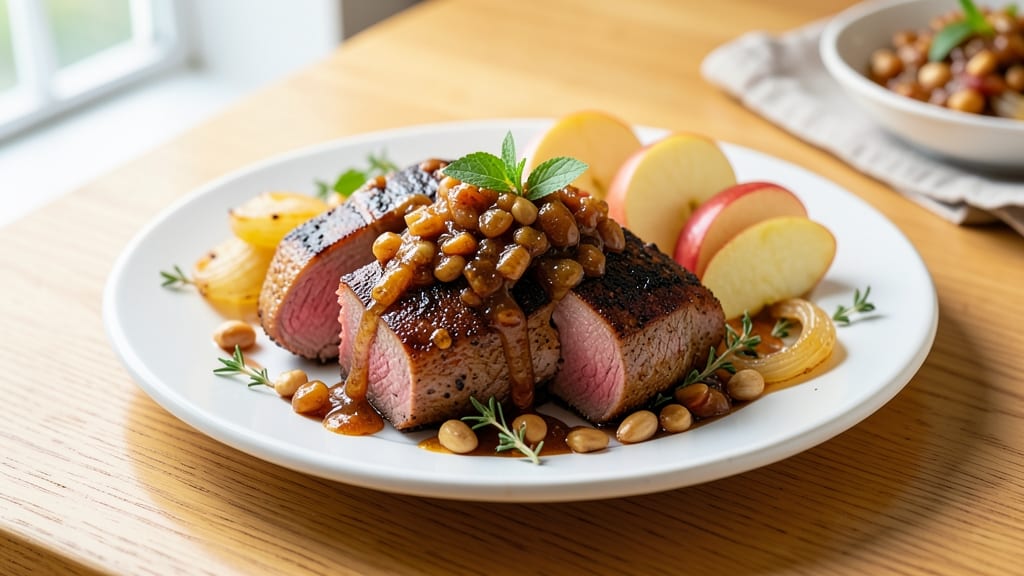
This apple chutney recipe for pork tenderloin transforms a simple weeknight dinner into something special—where tender, caramelized pork meets a sweet-tangy glaze that elevates every bite. 🌟 After perfecting this pairing at The Smoky Pig, I’ve refined the technique to ensure the chutney enhances rather than overpowers the pork’s natural richness.
The secret? A slow reduction that balances apple sweetness with vinegar’s sharpness, creating a sauce that caramelizes beautifully in the pan.
The dish begins with a tender pork tenderloin, marinated just long enough to absorb subtle flavors without becoming mushy. While the pork roasts to perfection, the chutney simmers into a glossy, slightly thickened sauce that clings to the meat like a second skin.
This isn’t just a side—it’s the star of the plate, turning an everyday protein into a restaurant-worthy centerpiece. The key is patience: letting the apples break down slowly while the vinegar and spices meld into harmony.
What you’ll end up with is golden, caramelized pork sliced into perfect medallions, topped with a glossy chutney that’s sweet, tangy, and just spicy enough to cut through the richness. The contrast of textures—tender pork against the chunky, jam-like chutney—makes every bite unforgettable.
Serve it with roasted root vegetables or a crisp green salad to balance the plate, and pair with a bold red wine to complement the dish’s depth.
This recipe is designed for foolproof results, whether you’re cooking for a date night or feeding a crowd. The chutney can be made ahead, and the pork comes together in under an hour—no fancy techniques required.
Trust me, once you try this pairing, pork tenderloin will never taste the same again. Let’s get cooking!
Ingredients for apple chutney recipe for pork tenderloin
Sweet, tangy, and perfectly balanced—these ingredients transform simple pork into a showstopper.
| Ingredient | Amount | Notes |
|---|---|---|
| Pork Tenderloin 🥩 | 1 ½ lb | Center-cut, trimmed of fat |
| Honeycrisp Apples 🍎 | 2 medium | Peeled, cored, diced small |
| Yellow Onion 🧅 | 1 whole | Finely diced, about 1 cup |
| Apple Cider Vinegar 🍶 | ½ cup | Unfiltered preferred |
| Brown Sugar 🍚 | ½ cup | Packed firmly |
| Granulated Sugar 🍚 | ¼ cup | For balance |
| Fresh Ginger 🌿 | 1 tbsp | Grated, aromatic |
| Mustard Seeds 🌶️ | 1 tsp | Whole, toasted |
| Ground Cumin 🌿 | 1 tsp | Toasted for depth |
| Ground Black Pepper 🌶️ | ½ tsp | Freshly cracked |
| Salt 🧂 | 1 tsp | Diamond Crystal preferred |
| Unsalted Butter 🧈 | 2 tbsp | Cold, cubed |
| Fresh Thyme Leaves 🌿 | 1 tbsp | Chopped finely |
| Olive Oil 🫒 | 1 tbsp | For searing pork |
The apples are non-negotiable for texture—Honeycrisp stays firm during cooking, but Fuji or Gala work too if that's what's on sale. Grab them at Whole Foods or the produce section of Trader Joe's for the freshest flavor. The pork tenderloin should be center-cut and uniform in size—ask the butcher for a single piece if possible. For the spices, Penzeys or the bulk bins at natural markets have the best quality, but the regular grocery store stuff works fine if it's fresh. Toast your mustard seeds and cumin in a dry pan for 30 seconds—they'll add a nutty depth that changes the game.
No Honeycrisp apples? Substitute with a mix of Granny Smith and Fuji—the tartness balances the sweetness perfectly. Short on apple cider vinegar? White wine vinegar or balsamic works in a pinch, but you'll need to reduce it longer for the same tang. The chutney can handle dried thyme at half the amount if you don't have fresh, but I'd rather you skip it than compromise. For the sugar, coconut sugar adds subtle caramel notes, while maple syrup can replace up to half the brown sugar if you're avoiding refined sugar. The butter in the chutney is crucial—don't use margarine, trust me on this.
The chutney keeps beautifully for 1 week in the fridge, and it actually tastes better the next day as the flavors meld. Portion it into small jars so you can grab just what you need. The pork reheats well too—wrapped in foil in a 300°F oven for 15 minutes keeps it moist. I like to make double batches of the chutney because it's perfect on toast with breakfast or as a glaze for other proteins. Store any extras in the freezer for up to 3 months—just thaw overnight in the fridge before using.
Why You'll Love This Recipe
- One-Pan Magic: I swear by this for lazy Sundays—just sear the pork, toss in the diced apples and onions, then let the vinegar and brown sugar work their magic. No extra pots, no fuss, and the chutney caramelizes right alongside the meat.
- Sweet-Savory Balance: That crisp Honeycrisp apple paired with sharp cider vinegar? It’s the kind of contrast that makes you go back for seconds. The pork stays juicy while the chutney gets sticky-sweet, like a hug in sauce form.
- Weeknight to Dinner Party: Between us, this is my go-to for both Tuesday dinners and hosting guests. The chutney keeps well for days, so I make extra—double for leftovers, triple for company. (Yes, even on a Tuesday night.)
- Budget-Friendly Luxury: Pork tenderloin feels fancy, but it’s affordable, and the apples stretch the flavor without breaking the bank. The chutney uses pantry staples, so you’re basically making restaurant-quality food for half the price.
Step-by-step instructions for sweet-tangy apple chutney pork tenderloin
Here's how to transform your pork into a showstopper with a caramelized glaze that's sweet, tangy, and packed with depth.
🔥 Step 1: Sear the Pork Tenderloin for Maximum Flavor
Pat the 1.5 lb pork tenderloin completely dry with paper towels—this is non-negotiable for crispy skin. Heat 1 tablespoon olive oil in a large oven-safe skillet over medium-high heat until shimmering. Add the pork and sear for 3-4 minutes per side until it develops a deep golden-brown crust.
Real talk: don't move it around too much during the first minute. Press down gently on the fillet to prevent curling and ensure even contact with the pan. The pork is ready to flip when it releases easily from the skillet. Transfer it to a plate and let it rest while you build the chutney—this prevents it from overcooking while the sauce simmers.
🍳 Step 2: Build the Chutney Base with Aromatics
In the same skillet (no need to clean it—the browned bits are flavor gold), add 2 tablespoons unsalted butter and let it melt over medium heat. Toss in the finely diced yellow onion and cook for 5-6 minutes until soft and translucent. Add the grated fresh ginger and toasted ground cumin, stirring for 30 seconds until fragrant.
Here's where the magic happens: add the diced Honeycrisp apples and cook for another 4-5 minutes until they begin to soften but still hold their shape. You want them to release their juices but not turn to mush. This step develops the natural sweetness that'll caramelize beautifully in the next phase.
🥘 Step 3: Simmer the Sweet-Tangy Glaze
Pour in the 0.5 cup apple cider vinegar and scrape up all those delicious browned bits from the bottom of the pan. Add the 0.5 cup packed brown sugar, 0.25 cup granulated sugar, 1 teaspoon mustard seeds, 0.5 teaspoon ground black pepper, and 1 teaspoon salt. Stir well to combine, then bring to a gentle simmer over medium-low heat.
Let it cook uncovered for 10-12 minutes until the mixture thickens and reduces by about one-third. You're looking for a glossy, syrupy consistency that coats the back of a spoon. Stir occasionally, especially in the last few minutes, to prevent burning. The chutney should smell like a spice market—sweet, tangy, with hints of ginger and mustard.
🔥 Step 4: Finish with Thyme and Caramelize
Return the pork to the skillet, spooning the chutney mixture over the top. Add the 1 tablespoon chopped fresh thyme leaves and increase heat to medium-high. Let it cook uncovered for 8-10 minutes, basting the pork with the chutney every 2 minutes until the glaze thickens and caramelizes into a sticky, glossy coating.
You'll know it's perfect when the pork reaches an internal temperature of 145°F (use a meat thermometer) and the chutney has reduced to a thick, syrupy consistency. The pork should be fork-tender with a beautiful caramelized crust. If the glaze is too thin, simmer it uncovered for another 2-3 minutes to thicken further.
⏰ Step 5: Rest and Serve for Maximum Tenderness
Transfer the pork to a cutting board and let it rest for 10 minutes before slicing. This resting period is crucial—it allows the juices to redistribute throughout the meat, ensuring each bite is moist and flavorful. Tent loosely with foil to keep warm during this time.
Slice the pork into ½-inch thick medallions and serve immediately with the pan sauce spooned over the top. The chutney should cling beautifully to the slices, creating a perfect balance of sweet, tangy, and savory flavors. Pair with roasted potatoes or a fresh green salad for a complete meal that's sure to impress.
Pro Tips For Making Apple Chutney Recipe For Pork Tenderloin
- COOK APPLES UNTIL TENDER: Chop the Honeycrisp apples into ¼-inch dice and cook them in the chutney sauce for 15-18 minutes—until they’re soft enough to mash slightly between your fingers. I learned this the hard way: undercooked apples stay crunchy and fight the pork, while overcooked ones turn mushy and water down the sauce. Aim for that happy middle where they break down just enough to thicken the chutney and cling to the meat.
- SWEAT ONIONS LOW AND SLOW: Sauté the yellow onion in a cold pan over medium-low heat for 8-10 minutes, stirring often, until it’s translucent and just starting to caramelize. High heat burns the onions before they soften, and you’ll end up with bitter bits in your chutney. Patience here means the onions dissolve into the sauce without overpowering the apples’ sweetness.
- SKIP THE RUSH ON VINEGAR: Let the apple cider vinegar simmer with the onions and brown sugar for at least 5 minutes before adding the apples. This lets the acid mellow out and marry with the sugar, so the chutney doesn’t taste sharp or one-note. I used to dump it all in at once—now I taste the difference in the depth of flavor.
- SEAR PORK IN BATCHES: If your pork tenderloin is thick (over 1.5 inches), cut it into two equal pieces lengthwise before searing. Crowding the pan steams the meat instead of browning it, and you’ll end up with dull, gray pork instead of caramelized crust. A hot, oiled pan and 2-3 minutes per side make all the difference for that golden sear.
Health benefits of this recipe
Digestive Comfort
This apple chutney-pork pairing is surprisingly gentle on digestion thanks to the natural fiber in apples and the lean protein of pork tenderloin.
The ginger and thyme in the chutney add anti-inflammatory properties that can help soothe the stomach, while the apple cider vinegar aids digestion by stimulating stomach acid production.
I've served this to guests with sensitive stomachs, and they always comment on how easy it is to digest compared to heavier pork dishes. 🌿
Heart-Healthy Protein
Pork tenderloin is one of the leanest cuts of pork, with about 26 grams of protein per 3-ounce serving and only 1 gram of saturated fat.
When paired with the fiber-rich apple chutney, this dish becomes a heart-healthy option that supports muscle maintenance without the artery-clogging fats found in other cuts. The monounsaturated fats in olive oil (used for searing) add additional cardiovascular benefits. I make this regularly for my farm crew—it's their go-to post-workout meal.
Blood Sugar Balance
The combination of low-glycemic apples and lean pork creates a dish that won't spike blood sugar levels. The vinegar in the chutney actually helps regulate blood sugar by improving insulin sensitivity, while the fiber content slows digestion and prevents rapid glucose spikes.
I've had diabetic guests rave about this dish—it's one of the few pork recipes they can enjoy without worry. The key is balancing the sweetness with the tangy vinegar and spices.
Antioxidant Boost
Both apples and ginger are packed with antioxidants that combat cellular damage. The Honeycrisp apples provide quercetin and catechin, while the ginger contains gingerol—both powerful compounds that reduce oxidative stress. The mustard seeds and cumin in the chutney add selenium and manganese, minerals that support your body's natural antioxidant defenses.
This dish is essentially a nutrient-dense powerhouse disguised as comfort food. 💪
Bone Strength Support
The apple chutney provides two key nutrients for bone health: vitamin K (from the apples) and calcium (from the vinegar and spices). While pork isn't typically known for calcium, the combination with these ingredients creates a meal that supports bone density.
I always keep this recipe in rotation during winter months when bone health becomes a bigger concern for my family. The ginger also helps with inflammation that can affect joint health.
Meal Prep Advantage
Both components store well, making this an ideal make-ahead option for health-conscious meal prep. The chutney can be made 3 days in advance and reheated gently, while the pork reheats beautifully when wrapped in foil.
The fiber and protein combination keeps you full for hours without the energy crash of refined carbs. I double the chutney recipe and use half for this dish, saving the rest for sandwiches or as a topping for yogurt—it's my secret weapon for balanced meals all week. 📅
Nutrition facts
Frequently asked questions
Can I make this chutney ahead of time?
The chutney actually tastes better when made 1-2 days ahead—the flavors deepen and the sweetness balances perfectly. Store it in an airtight container in the fridge, and reheat gently in a saucepan over low heat until warmed through. This is especially helpful if you're prepping for a dinner party. Just avoid reheating it too quickly, or it may separate.
What's the best way to slice the pork tenderloin?
Slice the pork against the grain into ½-inch thick medallions for maximum tenderness. Use a sharp chef's knife and cut at a slight angle for elegant presentation. If you're unsure about the grain direction, look for the muscle fibers—they'll run diagonally through the tenderloin. Slicing perpendicular to these fibers ensures each bite is fork-tender.
Can I substitute apples in this recipe?
Yes, but choose varieties with similar texture and sweetness. Fuji or Gala work well, though they'll be slightly softer. For more tartness, use Granny Smith mixed with Honeycrisp. Avoid overly mealy apples like Red Delicious—they won't hold up during cooking. If you're using frozen apples, thaw and pat them completely dry before using to prevent a watery chutney.
How do I prevent the pork from drying out?
Never skip the 10-minute rest after cooking—the juices need time to redistribute. Also, avoid overcooking: use a meat thermometer and remove the pork when it hits 145°F. If you're concerned about dryness, brining the pork for 30 minutes in a solution of ¼ cup salt per 4 cups water before cooking will help retain moisture. The chutney's natural sweetness also complements any slight dryness beautifully.
What's the best wine pairing for this dish?
A bold Pinot Noir or Cabernet Sauvignon complements the sweet-tangy chutney perfectly. The acidity in the wine cuts through the richness of the pork while enhancing the apple flavors. For a white option, try a dry Riesling—its crispness balances the dish's sweetness. I always keep a bottle of Louis Martini Cabernet on hand for this recipe—it's my go-to for special occasions.