
Main Courses
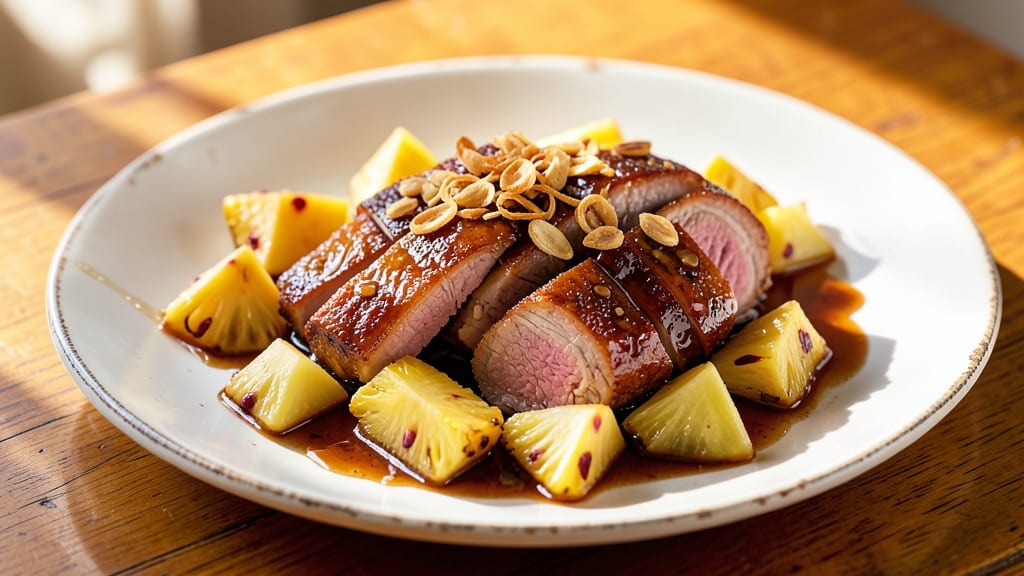
The magic happens when the pork absorbs the glaze during cooking, creating a sticky, glossy exterior that's impossible to resist. Unlike other recipes, this version uses a blend of pineapple juice, soy sauce, and a touch of vinegar for that signature tang.
The result? A dish that's tender, flavorful, and packed with layers of taste that'll have everyone asking for seconds. It's restaurant-quality at home, with minimal effort.
What makes this recipe truly special is the way the flavors develop as it cooks. The pork stays juicy while the glaze caramelizes into a thick, sticky sauce that clings to every bite.
Serve it over steamed rice for a classic Filipino meal, or pair it with garlic fried rice and atchara for a complete spread. The aroma alone will have your kitchen smelling like a bustling karinderia stall.
This dish is perfect for family gatherings, potlucks, or when you're craving something bold and satisfying. The combination of sweet pineapple and savory pork creates a flavor profile that's both familiar and exciting. Once you try it, you'll want to make it again and again. Let's get cooking!
Ingredients for pineapple pork recipe panlasang pinoy
Sweet, tangy, and sticky—this Filipino pork glaze needs just 14 ingredients for big flavor.
| Ingredient | Amount | Notes |
|---|---|---|
| Pork Shoulder 🥩 | 1 ½ lb | Cut into 1-inch cubes |
| Fresh Pineapple 🍍 | 1 cup | Juice only, no pulp |
| Pineapple Chunks 🍍 | 1 cup | Fresh, for garnish |
| Soy Sauce 🥫 | ½ cup | Light or regular |
| Brown Sugar 🍚 | ¼ cup | Packed firmly |
| White Vinegar 🍶 | ¼ cup | For tangy balance |
| Garlic Cloves 🧄 | 6 cloves | Minced finely |
| Fresh Ginger 🌿 | 1 ½ tbsp | Grated finely |
| Olive Oil 🫒 | 2 tbsp | For searing pork |
| Black Peppercorns 🌶️ | ½ tsp | Freshly cracked |
| Ground White Pepper 🌶️ | ½ tsp | For smooth finish |
| Kalamansi or Lemon Juice 🍋 | 1 tbsp | For extra tang |
| Green Onions 🧅 | 3 whole | Sliced thinly |
| Long Grain White Rice 🍚 | 1 ½ cups | Uncooked, for serving |
The pork shoulder is your secret weapon here—it stays juicy while the glaze caramelizes. Look for well-marbled cuts at Filipino markets or the butcher section, where they often carry it pre-cut for this exact dish. If you can't find pork shoulder, pork loin works in a pinch, but it'll be leaner. Fresh pineapple is non-negotiable for that bright, sweet flavor—Dole brand is reliable if you're buying pre-cut, but whole pineapples taste better. The juice is what we're after, so save the chunks for garnish. For the soy sauce, Silver Swan or Knorr are the Filipino classics, but any light soy will do.
No fresh ginger? Ground ginger at half the amount works, but it lacks that fresh zing. Short on kalamansi? Lemon juice is the next best thing—just add an extra tablespoon. The brown sugar can be swapped for white sugar, but it won't caramelize as beautifully. If you're making this ahead, reduce the vinegar slightly—the flavors intensify as it sits. The garlic and ginger should be minced finely; a food processor makes quick work of it. For the rice, jasmine rice is traditional, but long-grain white is what most home cooks have on hand.
This dish tastes even better the next day—the glaze thickens and flavors meld. Store leftovers in the fridge for up to 5 days, or freeze for 3 months. To reheat, cover with foil and warm in a skillet over medium heat with a splash of water. The rice? Cook it fresh for serving—steamed rice reheats like cardboard. For meal prep, cook the pork and sauce ahead, then assemble with freshly cooked rice. Garnish with those pineapple chunks right before serving—they add a pop of color and freshness that makes it feel special.
Why You'll Love This Recipe
- One-Pan Magic: I swear by this—just toss pork shoulder, pineapple chunks, and a splash of soy sauce into one pan. No chopping mountains of veggies, no extra pots, no stress. The pork caramelizes while the pineapple softens, and honestly? That’s all you need for a weeknight win.
- Sweet-Savory Balance: Between us, the combo of soy sauce and brown sugar on tender pork with fresh pineapple is ridiculously good. It’s like a hug in your mouth—tangy, sweet, and just enough umami to make you go back for seconds. (Yes, even on a Tuesday night.)
- Leftover Goldmine: This dish tastes even better the next day. I make a big batch on Sundays, and by Wednesday, it’s still the star of my lunch. The flavors meld into something deeper, and the pineapple’s acidity cuts through the richness—perfect for sandwiches or rice bowls.
- Budget-Friendly Feast: Pork shoulder stretches forever, and pineapple’s cheap when you buy it whole. I’ve fed six people for under $15 with this—no fancy cuts, no waste. Plus, the leftovers freeze like a dream, so it’s basically meal prep on autopilot.
Step-by-step instructions for pineapple pork panlasang Pinoy
Here's how to create that perfect sweet-tangy balance that makes this dish unforgettable.
🔥 Step 1: Sear the Pork Shoulder for Maximum Flavor
Heat the 2 tablespoons olive oil in a large skillet over medium-high heat until shimmering. Add the 1.5 lb pork shoulder cut into 1-inch cubes in a single layer, being careful not to overcrowd the pan. Let each piece sear undisturbed for 2-3 minutes until golden brown on all sides.
This initial searing creates a flavorful crust that won't dissolve in the sauce later. I press down gently on the pork pieces during the first minute to prevent curling, which ensures even contact with the pan. Once all sides are golden, transfer the pork to a plate and set aside.
🍳 Step 2: Build the Sweet-Tangy Glaze
In the same skillet (don't wipe it clean—those browned bits are pure flavor), add the 6 cloves minced garlic and 1.5 tablespoons grated fresh ginger. Sauté for 1-2 minutes until fragrant and lightly golden, stirring constantly to prevent burning. The aroma should fill your kitchen—this is where the magic begins.
Add the 0.5 cup soy sauce, 0.25 cup packed brown sugar, and 0.25 cup white vinegar. Stir well to combine, then pour in the 1 cup fresh pineapple juice (only the juice, no pulp). Bring to a gentle simmer over medium heat, then reduce heat to low and let it bubble away for 5 minutes until slightly thickened.
🥘 Step 3: Simmer the Pork in the Glaze
Return the seared pork to the skillet, spooning the glaze over the top. Add the 1 tablespoon kalamansi or lemon juice and 0.5 teaspoon ground white pepper. Cover and simmer over low heat for 45-60 minutes, stirring occasionally, until the pork is tender and the sauce has reduced to a glossy, syrupy consistency.
Here's the thing—you want the sauce to coat the back of a spoon when you lift it. If it's too thin, uncover and simmer uncovered for another 5-10 minutes to thicken. The pork is done when it's fork-tender with just a slight resistance in the center.
⏰ Step 4: Finish with Fresh Pineapple and Garnish
Once the pork is tender, stir in the 1 cup pineapple chunks and cook for an additional 3-5 minutes until heated through. The fresh pineapple adds a bright contrast to the rich, caramelized sauce. Taste and adjust seasoning if needed—you might want to add a pinch more brown sugar or a splash of vinegar for balance.
Remove from heat and let it sit for 5 minutes to allow the flavors to meld. Garnish with 3 whole green onions sliced thinly and 0.5 teaspoon freshly cracked black peppercorns for that final pop of color and texture. Serve immediately over 1.5 cups cooked long grain white rice for the perfect balance.
Pro Tips For Making Pineapple Pork Recipe Panlasang Pinoy
- SEAR THE PORK FIRST: Crank your pan to medium-high and let the pork shoulder develop a deep brown crust before adding anything else—this locks in the juices and builds flavor. I used to skip this step when I was in a hurry, and the final dish always tasted flatter. Two minutes per side, no rush.
- USE FRESH PINEAPPLE JUICE: Blend the core and rind of your fresh pineapple into a smooth juice, then strain it—this adds a tangy depth that canned juice can’t match. I learned this the hard way after making a batch with store-bought juice that tasted artificial. Save the pulp for garnish if you’re feeling fancy.
- DON’T OVERCOOK THE PINEAPPLE: Add the pineapple chunks late in the game, just 3-4 minutes before serving, so they stay bright and slightly crisp. Overcooking turns them mushy, and no one wants sad, limp pineapple in their dish. Think of it like adding green beans to a stir-fry—timing is everything.
- BALANCE THE SWEET-SAVORY: Taste your sauce before adding all the brown sugar—soy sauce and pineapple are already sweet, so you might only need half the amount called for. I was skeptical until I tried it; now I adjust by the spoonful, and the dish never tastes cloying. Start small, then add more if needed.
Creative variations of these flavors
Filipino BBQ Twist
Turn this dish into a Filipino-style BBQ by swapping the skillet for a grill or grill pan. After searing the pork, transfer it to the grill and brush with a mix of ½ cup pineapple juice, ¼ cup soy sauce, and 2 tbsp brown sugar.
Grill for 15-20 minutes on medium heat, basting frequently. The smoky char adds a whole new dimension to the sweet-tangy flavors. I love serving this with garlic fried rice and atchara for a full karinderia vibe. 🔥
Slow Cooker Adaptation
For hands-off cooking, use a slow cooker on low for 6-8 hours. Sear the pork first, then add all glaze ingredients except the pineapple chunks. Cook until the pork shreds easily, then stir in the pineapple chunks during the last 10 minutes.
This method keeps the pork incredibly tender while letting the sauce develop deep, caramelized flavors. Perfect for busy weeknights! ⏰
Spicy Pineapple Pork
Add heat by incorporating 1 tbsp chopped siling labuyo (Filipino chili) or ½ tsp cayenne pepper into the glaze. For extra depth, include 1 tbsp chopped kalamansi leaves (if available) for a bright, herbal kick.
The spice balances beautifully with the pineapple’s sweetness. I recommend serving this with a side of cucumber salad to cool the palate. 🌶️
Pineapple Pork Lettuce Wraps
Make this dish lighter by serving the pork in butter lettuce or romaine leaves instead of rice. After cooking, shred the pork slightly and mix it with 1 tbsp chopped green onions and 1 tsp sesame oil.
Spoon into lettuce cups and garnish with extra pineapple chunks. This version is perfect for hot summer days or when you're craving something fresh and portable. 🥗
Coconut Milk Version
For a richer, creamier take, stir in ½ cup coconut milk with the pineapple juice. The coconut adds a subtle sweetness that complements the pork beautifully. Simmer the sauce longer to thicken it properly, and finish with a sprinkle of toasted coconut flakes for texture.
This version pairs wonderfully with mango slices on the side. 🥥
Meal Prep Hack
Double the recipe and store the cooked pork and sauce separately in the fridge for up to 5 days. When ready to serve, reheat the sauce in a pan until thickened, then toss in the pork.
The flavors actually improve overnight as the sauce reduces further. I love prepping this for lunches—just reheat and serve over rice or noodles. 💡
Nutrition facts
Frequently asked questions
Why does this recipe use both white vinegar and kalamansi?
The white vinegar provides the initial tangy foundation, while kalamansi (or lemon juice) adds that bright, citrusy depth that's signature in Filipino cooking. The vinegar helps tenderize the pork slightly during cooking, while the kalamansi brings a fresher, more complex acidity that makes the dish truly sing. Together, they create that perfect sweet-sour balance that defines panlasang Pinoy flavors.
Can I substitute pork shoulder with another cut?
Yes, but with adjustments! Pork loin works well but will be leaner, so marinate it longer (up to 2 hours) in the glaze before cooking. For extra tenderness, try pork belly—it renders fat beautifully and adds richness. Just reduce the cooking time to 30-40 minutes once tender. The key is to keep the pork juicy while developing that caramelized sauce.
What's the secret to getting that perfect sticky glaze?
The glaze magic happens in three steps: simmering uncovered at the end to reduce the sauce, not overcrowding the pan when searing, and letting it rest 5 minutes before serving. The browned bits from searing (fond) are flavor gold—never scrape them out! Also, use brown sugar instead of white for deeper caramelization. If it's too thin, simmer uncovered for 5-10 extra minutes.
How do I make this dish less sweet for picky eaters?
Reduce the brown sugar to 2 tablespoons and increase the soy sauce to ⅔ cup for a more savory profile. Add 1 extra tablespoon of vinegar and ½ teaspoon of black pepper for complexity. For kids who dislike tangy flavors, serve the pork plain with a side of mango salsa (diced pineapple + cucumber + lime) on the side instead of in the dish.
Can I make this in an Instant Pot?
Sear the pork first in a skillet, then transfer to the Instant Pot with all glaze ingredients (except pineapple chunks). Cook on high pressure for 20 minutes, then quick-release. Stir in pineapple chunks and cook for 3 more minutes on sauté mode. The pressure cooker keeps the pork tender while developing the sauce quickly—perfect for weeknights!