
Salads
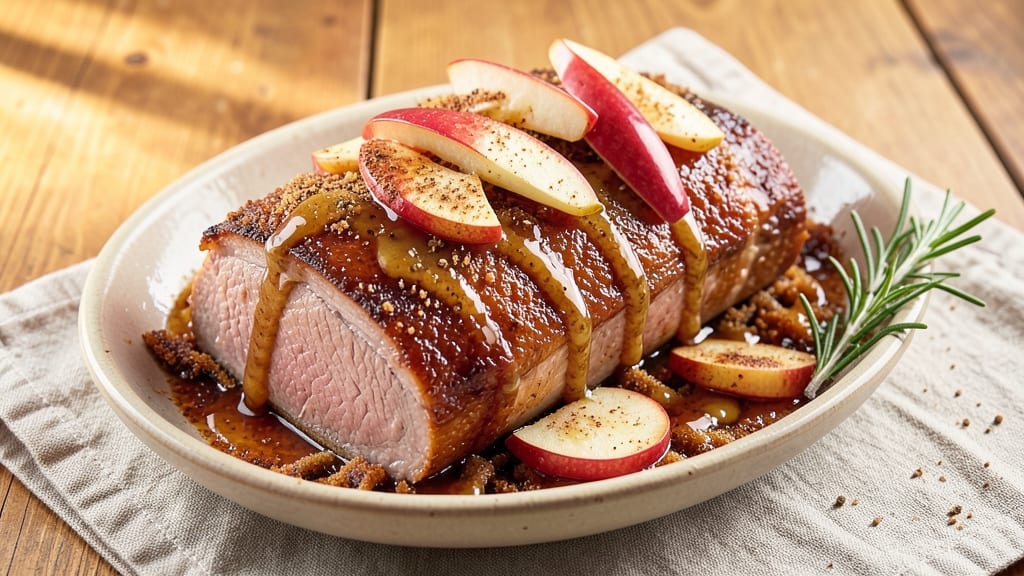
This apple cider glazed ham recipe transforms a holiday centerpiece into something extraordinary—where rich, savory meat meets caramelized sweetness in every bite. The secret lies in reducing apple cider into a glossy, spiced glaze that clings perfectly to the ham, balancing traditional flavors with modern depth.
I developed this method after years of testing, ensuring the glaze doesn’t overwhelm but instead enhances the natural sweetness of the meat.
The process is straightforward yet impressive: you’ll start with a simple brine to keep the ham juicy, then layer on a blend of warm spices—cinnamon, cloves, and nutmeg—that infuse the meat as it roasts.
The apple cider glaze, reduced with brown sugar and Dijon mustard, adds a sticky, caramelized finish that’s both elegant and crave-worthy. This isn’t just a side dish; it’s the star of the table.
By the time you slice into this ham, you’ll have a centerpiece that’s tender, flavorful, and visually stunning—golden-brown with a glossy sheen that makes it look as good as it tastes.
The glaze cuts through the richness of the meat, while the spices add warmth that pairs beautifully with classic sides like scalloped potatoes or roasted root vegetables. It’s the kind of dish that makes holiday gatherings feel special without requiring hours in the kitchen.
Perfect for Thanksgiving, Christmas, or any celebration where you want to impress, this recipe delivers restaurant-quality results with minimal effort. The glaze can be made ahead, so you spend less time cooking and more time enjoying the meal. Let’s get started—your holiday table is about to shine.
Ingredients for apple cider ham
Sweet-spiced ham meets caramelized apple cider glaze for a holiday centerpiece that wows.
| Ingredient | Amount | Notes |
|---|---|---|
| Boneless Ham (Fresh or Pre-Cooked) 🐷 | 6 lb | Center-cut preferred for even cooking |
| Apple Cider (Unfiltered) 🍎 | 1 ½ cups | 100% pure, no additives |
| Brown Sugar 🍚 | ¾ cup | Dark brown preferred for depth |
| Dijon Mustard 🥬 | 2 tbsp | High-quality, smooth variety |
| Ground Cinnamon 🌿 | 1 ½ tsp | Freshly ground for aroma |
| Ground Cloves 🌶️ | ½ tsp | Whole cloves crushed for intensity |
| Ground Nutmeg 🌿 | ½ tsp | Freshly grated preferred |
| Salt 🧂 | 1 tbsp | Diamond Crystal kosher salt |
| Black Peppercorns 🌶️ | ½ tsp | Freshly cracked for texture |
| Unsalted Butter 🧈 | ½ cup | Cold, cubed for basting |
| Fresh Orange Juice 🍊 | ¼ cup | Freshly squeezed for brightness |
| Honey (Optional) 🍯 | 1 tbsp | For extra sweetness, local preferred |
The ham is the star, so choose wisely. A 6-pound center-cut from ButcherBox or your local butcher ensures even cooking and maximum tenderness. Look for a ham with good marbling—it keeps the meat juicy during roasting. If you're using a pre-cooked ham, check the label for sodium content; some are injected with brine, so you might reduce the salt in the glaze. For fresh hams, a 24-hour brine (equal parts water and apple cider with spices) is a game-changer—it infuses flavor and keeps the meat moist. Skip the pre-brined ones unless you're craving extra saltiness.
No apple cider? Unsweetened apple juice works in a pinch, but the depth of flavor won’t be the same. Fresh orange juice can be swapped for bottled, but add a splash of fresh lemon juice to mimic the acidity. Running short on brown sugar? White sugar plus 1 tsp molasses gets you close. The spices are non-negotiable—whole cloves and nutmeg toasted in the butter before basting release their oils for maximum aroma. For a vegan twist, replace honey with maple syrup and use a plant-based butter like Miyoko’s. The Dijon mustard adds tang, so don’t skip it—even a mild version like Amoy works.
This glaze reheats beautifully—store leftovers in an airtight container for up to 5 days in the fridge. For longer storage, freeze portions in a single layer before transferring to a bag for 3 months. The ham itself keeps 3-4 days in the fridge once sliced, but trust me, it’ll disappear faster. To save time, make the glaze ahead and reheat it gently before basting. The spices in the glaze will deepen in flavor overnight, so let it sit at room temperature for 30 minutes before serving for the best results.
Why You'll Love This Recipe
- I’ll be real: this works for Thanksgiving leftovers and lazy weeknights. Glaze a small ham for a quick dinner, or prep a big one ahead for gatherings. The glaze keeps well, so you’re not scrambling last minute.
- Five-Ingredient Magic: Honestly, I swear by this combo—ham, cider, sugar, mustard, and cinnamon. That’s it. No fancy prep, no hidden ingredients, just pure flavor that comes together while you stir.
- Sweet-Savory Balance: Between us, the unfiltered apple cider adds this deep, tangy richness that cuts through the ham’s saltiness. Then the brown sugar and Dijon mustard? They create this perfect caramelized crust that’s crisp on the outside but still juicy inside.
- Holiday or Tuesday Night: I’ll be real: this works for Thanksgiving leftovers and lazy weeknights. Glaze a small ham for a quick dinner, or prep a big one ahead for gatherings. The glaze keeps well, so you’re not scrambling last minute.
Step-by-step instructions for apple cider glazed ham
Transform your holiday ham into a showstopper with this sweet-spiced glaze that balances autumnal warmth and bright citrus notes.
Prepare the Spiced Glaze Mixture
In a medium saucepan, combine the 1.5 cups apple cider, 0.75 cup brown sugar, 2 tbsp Dijon mustard, 1.5 tsp ground cinnamon, 0.5 tsp ground cloves, 0.5 tsp ground nutmeg, and 1 tbsp salt. Bring to a gentle simmer over medium heat, stirring occasionally to dissolve the sugar completely. You'll notice the spices infuse into the liquid, creating an aromatic cloud that fills your kitchen.
Simmer for 10-12 minutes until the mixture reduces by about one-third, turning syrupy and thick enough to coat the back of a spoon. The color should deepen to a rich amber hue, and you'll detect those warm baking spices intensifying. This reduction concentrates the flavors and ensures a glossy, sticky glaze that clings beautifully to the ham.
Season and Score the Ham
While the glaze simmers, place the 6 lb boneless ham on a rack in a roasting pan. If using a fresh ham, preheat your oven to 325°F and roast uncovered for 20 minutes to begin cooking. For pre-cooked ham, skip this step. Pat the ham dry with paper towels—this helps the glaze adhere and promotes even browning.
Using a sharp knife, score the surface of the ham in a diamond pattern, making cuts about ½-inch deep but not all the way through. This creates channels for the glaze to penetrate deeply during roasting. Gently press the 0.5 tsp cracked black peppercorns into the scored surface, creating a textured, peppery contrast against the smooth glaze.
Apply the Glaze and Roast
Remove the ham from the oven (if pre-cooked) or return it to the oven (if fresh). Pour the reduced glaze evenly over the ham, using a spoon to spread it into the scored channels. Dot the surface with the 0.5 cup cold cubed butter, allowing it to melt slightly and baste the ham as it roasts. This butter adds richness and helps create a beautiful caramelized crust.
Return the ham to the oven and roast for 1 hour 15 minutes at 325°F, basting with pan juices every 20 minutes. The glaze should bubble and darken to a deep amber color, forming a glossy crust. For extra shine, brush on additional glaze in the last 10 minutes of roasting. The ham is done when the internal temperature reaches 140°F for pre-cooked ham or 145°F for fresh ham.
Finish with Orange and Serve
Remove the ham from the oven and transfer it to a cutting board. Immediately pour the 0.25 cup fresh orange juice over the top, letting it drip down into the glaze. If using, drizzle the 1 tbsp honey over the ham as well—this adds a delicate sweetness that complements the spiced glaze. Let the ham rest for 10 minutes before slicing, allowing the juices to redistribute.
Slice the ham against the grain into ¼-inch thick portions and arrange on a platter. The glaze should be sticky and glossy, with pockets of caramelized butter peeking through. Serve warm with the pan juices spooned over the top for an extra burst of flavor. This ham delivers a perfect balance of sweet, spiced, and tangy notes that make it the centerpiece of any holiday table.
Pro Tips For Making Apple Cider Ham
- Glaze in Stages: Don’t dump all that apple cider at once—start with half, simmer it down until it’s thick enough to coat the back of a spoon, then add the ham and reduce again. I learned this the hard way when my first batch turned into a watery syrup puddle. The ham needs time to absorb the flavor, not just sit in a pool.
- Skip the Pre-Cooked Shortcut: If your ham is pre-cooked, resist the urge to bake it straight from the fridge. Let it sit at room temperature for 20-30 minutes first—this guarantees even glaze absorption and prevents the outside from drying out while the center stays cold. Yes, even if you’re impatient like me.
- Brown Sugar First: Caramelize that brown sugar in the pan before adding the apple cider—it deepens the flavor and gives the glaze a richer color. I used to just toss it in raw, and the glaze always tasted flat. Two minutes over medium heat makes a real difference.
- Mustard Matters: Whisk the Dijon mustard into the glaze after the apple cider has reduced, not before. Adding it early can make the glaze too thin and watery. A splash of mustard at the end ties everything together—don’t skip it, even if you’re not a mustard fan. Trust the process.
Troubleshooting perfect results
Glaze Too Thin?
If your glaze isn’t thickening enough during reduction, you’re likely not simmering long enough. Reduce the apple cider mixture over medium-low heat for 15-20 minutes—this slows evaporation and concentrates the sugars properly.
For a quick fix, stir in 1 tbsp cornstarch mixed with 1 tsp water and simmer for 2 more minutes until thickened. 🌡️
Ham Overly Salty?
Pre-cooked hams often come packed with sodium, so taste your glaze before applying. If it’s too salty, balance it with extra apple cider or fresh orange juice—both dilute the salt while adding brightness. For fresh hams, reduce the salt in the glaze by ½ tsp to avoid overpowering flavors.
Glaze Not Sticking?
Pat the ham completely dry with paper towels before scoring—moisture prevents the glaze from adhering. If the glaze still slips off, brush the ham with a thin layer of egg white before applying the glaze. This creates a sticky base that helps the syrup cling. 🍳
Uneven Browning?
If some areas brown faster than others, rotate the ham quarter-turns every 20 minutes during roasting. For stubborn spots, place a small foil tent over those areas in the last 15 minutes to prevent over-browning while allowing other sections to finish.
Glaze Too Sweet?
Balance excess sweetness by adding 1 tsp Dijon mustard or 1 tbsp fresh orange juice to the glaze before basting. The acidity cuts through the sugar, creating a more nuanced flavor profile. For a smoky depth, stir in ½ tsp smoked paprika into the glaze.
Ham Dries Out?
Fresh hams need extra moisture—baste with pan juices every 20 minutes and tent loosely with foil if browning too quickly. For pre-cooked hams, reduce oven temp to 300°F and roast for 1 hour 30 minutes to prevent drying. A basting brush helps spread glaze evenly for even moisture distribution. 💧
Nutrition facts
Frequently asked questions
Can I use this recipe with a fully cooked spiral-cut ham?
Yes, but with adjustments! Spiral-cut hams cook faster, so reduce oven time to 1 hour at 300°F and check internal temp at 135°F. The glaze will still caramelize beautifully—just brush it on generously in the last 20 minutes for maximum shine. For extra crispiness, broil for 2-3 minutes at the end.
How far ahead can I make the glaze?
Make the glaze 1-2 days ahead and store it in an airtight container in the fridge. Reheat gently in a saucepan over low heat, stirring occasionally until warmed through. The flavors deepen overnight, making it even more aromatic! For best results, let it sit at room temp for 30 minutes before using.
What's the best way to reheat leftover glazed ham?
Slice the ham into portions and reheat in a 325°F oven for 15-20 minutes, covered loosely with foil. For extra shine, brush with a little extra glaze warmed in a small saucepan. Microwave reheating works too—just cover with a damp paper towel and heat in 30-second bursts until warmed through.
Can I substitute apple cider vinegar for the cider?
Not ideal—the vinegar's acidity will dominate and prevent proper caramelization. However, you can use ½ cup apple cider vinegar + 1 cup apple juice for a tangier glaze. Reduce the sugar slightly (½ cup) to balance the acidity. The texture will be thinner, so simmer longer for thickness.
What sides pair best with this ham?
This sweet-spiced ham shines with classic autumn sides: creamy scaloped potatoes, roasted brussels sprouts with bacon, or buttery green bean almondine. For contrast, add a crisp apple salad with sharp cheddar or a tangy cranberry sauce. The glaze's sweetness cuts through rich sides beautifully!