
Sauces & Condiments
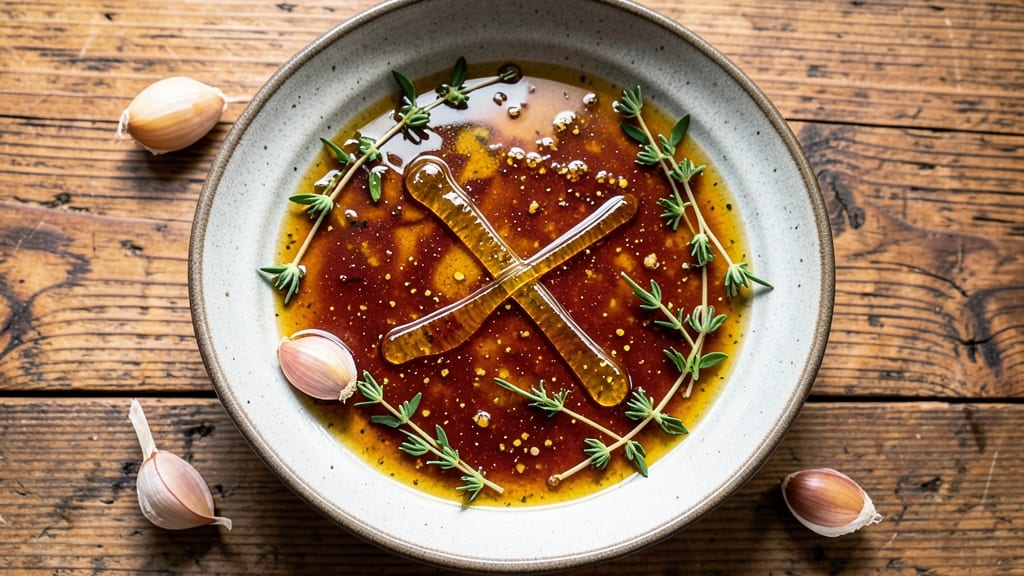
Apple cider vinegar and olive oil dressing transforms any dish with its bright tang and herbaceous depth—this simple yet sophisticated blend elevates salads, roasted vegetables, and grain bowls to restaurant-quality levels. The magic lies in balancing sharp apple cider vinegar with rich olive oil, creating a dressing that's both versatile and deeply flavorful. I developed this recipe to cut through rich ingredients while adding a refreshing zing that keeps every bite lively.
What makes this dressing truly special is its adaptability—start with the classic combination of apple cider vinegar, olive oil, and Dijon mustard, then customize with fresh herbs like thyme or rosemary, minced garlic for depth, or a touch of honey for subtle sweetness.
The result is a dressing that's vibrant, balanced, and packed with layers of flavor without overpowering your dish. It's the kind of condiment that turns simple meals into something extraordinary.
This recipe delivers a dressing that's not only delicious but also incredibly easy to make—just whisk together a few pantry staples and let the flavors meld for at least 15 minutes before using.
The tangy-sweet profile works beautifully as a marinade, dipping sauce, or finishing drizzle, making it a must-have in your kitchen. Whether you're dressing a hearty salad or drizzling it over roasted Brussels sprouts, this dressing brings a bright, herbaceous punch that keeps every bite exciting.
Store it in an airtight container in the refrigerator for up to a week, giving you a quick and flavorful solution for last-minute meals. The simplicity of this dressing makes it perfect for batch prep—double the recipe and keep it on hand for effortless flavor.
Let's dive into the ingredients and instructions to create this versatile, herb-packed dressing that will become a staple in your cooking routine.
Ingredients for apple cider vinegar and olive oil dressing
Bright apple cider vinegar meets rich olive oil for a dressing that's restaurant-quality yet effortlessly homemade.
| Ingredient | Amount | Notes |
|---|---|---|
| Apple Cider Vinegar 🍎 | ½ cup | Raw, unfiltered preferred for depth |
| Extra-Virgin Olive Oil 🫒 | ¾ cup | Fruity, peppery variety |
| Dijon Mustard 🌿 | 1 tbsp | High-quality, whole-grain preferred |
| Fresh Thyme Leaves 🌿 | ¼ cup | Finely chopped, stems removed |
| Garlic Cloves 🧄 | 3 cloves | Minced or finely grated |
| Honey 🍯 | 1 tbsp | Substitute maple syrup for vegan |
| Sea Salt 🧂 | ½ tsp | Fine grain, Diamond Crystal preferred |
| Freshly Ground Black Pepper 🌶️ | ¼ tsp | Freshly cracked for best flavor |
| Maple Syrup 🍁 | 1 tbsp | Vegan alternative to honey |
| Fresh Rosemary Sprigs 🌿 | 1 tbsp | Finely chopped, optional for depth |
Apple cider vinegar is the heart of this dressing—Bragg or Texas Pete are my go-tos, but any raw, unfiltered will do. The olive oil should be extra-virgin with noticeable pepperiness—California Olive Ranch or Colavita are solid choices. Fresh thyme and rosemary elevate this beyond basic vinaigrette, but dried works in a pinch (use half the amount). For the garlic, peeling and mincing fresh gives the best flavor, but jarred minced garlic saves time if you're in a hurry. The Dijon mustard adds that signature tang—Maille is the gold standard, but any good-quality one works.
No honey? Maple syrup or agave keeps it vegan without sacrificing sweetness. Short on fresh herbs? Dried thyme or oregano at half the amount still delivers. The salt and pepper are non-negotiable—Diamond Crystal kosher salt dissolves perfectly, and freshly cracked pepper makes all the difference. For extra richness, add a splash of lemon juice (about 1 tsp) to brighten the flavors. If you prefer a sweeter dressing, bump the maple syrup to 2 tbsp. This dressing works with any olive oil, but avoid heavily perfumed varieties—they can overpower the delicate balance.
Store in an airtight jar in the fridge for up to 1 week, though it's best used within 3-4 days for maximum freshness. The flavors actually improve after resting for 30 minutes—whisk again before using. For batch prep, double the recipe and keep it in 4-ounce jars for easy portioning. If it thickens in the fridge, simply whisk in a splash of water or extra olive oil to reach your desired consistency. This dressing is incredibly versatile—drizzle over roasted vegetables, toss with grains, or use as a marinade for tofu or tempeh.
Why You'll Love This Recipe
- Five-Ingredient Magic: I swear by this combo—just vinegar, oil, mustard, thyme, and garlic. No fancy gadgets, no measuring cups (eyeball it!), and it’s ready while you’re still debating what to eat.
- Tangy Twist Every Time: That first bite of raw garlic and thyme in the dressing? It’s like a bright, zesty hug for your salad. The apple cider vinegar cuts through richness, so it’s never heavy—just alive with flavor.
- Salad’s Best Friend: Drizzle it on greens, toss with roasted veggies, or even use it as a marinade. Honestly, I’ve had it on scrambled eggs (don’t judge me) and it still works. The mustard adds depth, so it’s never boring.
- Lasts a Week: Make a big batch—it keeps in the fridge for days without separating. Between us, I’ve had this dressing last through three lunches and still taste fresh. Bonus: it’s cheaper than buying fancy bottled dressings.
Step-by-step instructions for apple cider vinegar olive oil dressing
This dressing comes together in minutes but delivers restaurant-quality depth and balance.
Whisk Together the Vinegar and Sweetener
In a medium bowl, combine the 0.5 cup apple cider vinegar, 1 tablespoon honey, and 1 tablespoon maple syrup. Stir until the honey and syrup dissolve completely—this creates a smooth base that won't separate later. The vinegar's sharp tang will mellow slightly as it absorbs the sweetness, but you'll still taste that bright acidity that makes this dressing so refreshing.
I like to use a whisk for this step because it incorporates air, which helps emulsify the dressing later. If you're making this ahead, let the mixture sit for 5 minutes while you prep the remaining ingredients—this gives the flavors time to begin melding.
Add Dijon Mustard and Aromatics
Next, add the 1 tablespoon Dijon mustard, 3 cloves minced garlic, 0.25 cup finely chopped fresh thyme leaves, and 1 tablespoon finely chopped fresh rosemary sprigs. The mustard acts as an emulsifier, binding the oil and vinegar, while the garlic and herbs add layers of flavor. Stir vigorously with a fork or small whisk until everything is fully incorporated and no dry spots remain.
Here's where the magic happens: the mustard's slight bitterness cuts through the sweetness, and the herbs infuse the mixture with their earthy notes. If you're using fresh rosemary, don't overdo it—just 1 tablespoon is enough to add depth without overpowering.
Gradually Incorporate the Olive Oil
With the bowl resting on a stable surface, slowly drizzle in the 0.75 cup extra-virgin olive oil while whisking continuously. This gradual addition is crucial—it prevents the dressing from separating. Start with a slow stream, then increase to a steady drizzle as the mixture begins to emulsify. You'll see it transform from a watery liquid to a thick, creamy dressing.
If the dressing starts to look too thick, add 1-2 teaspoons of water to loosen it. The texture should be smooth and pourable but still cling to ingredients. The olive oil's fruity notes will now blend seamlessly with the vinegar's tang, creating a harmonious balance.
Season and Emulsify
Add the 0.5 teaspoon sea salt and 0.25 teaspoon freshly ground black pepper, then whisk vigorously for 1-2 minutes until the dressing is fully emulsified and glossy. The salt enhances all the flavors, while the pepper adds a subtle warmth that ties everything together. Taste and adjust the seasoning if needed—you might want to add a touch more salt or a splash of vinegar for extra tang.
For the best results, let the dressing sit for 10-15 minutes before using. This resting time allows the flavors to meld even more, ensuring a cohesive taste in every bite. If you're making this ahead, store it in an airtight jar in the refrigerator for up to 2 weeks—the flavors will deepen over time.
Pro Tips For Making Apple Cider Vinegar And Olive Oil Dressing
- Whisk in stages: Start with just the vinegar and mustard—whisk until smooth, then drizzle in the olive oil slowly. This prevents the dressing from breaking or turning into a greasy mess, especially if you’re using a strong, peppery EVOO. (I’ve seen this happen when people pour everything in at once.)
- Mince garlic finely: No food processor? Use the flat side of your knife to smash the garlic cloves first, then chop into a paste. This keeps the dressing from tasting like raw garlic chunks and lets the flavor meld better with the vinegar and thyme. (Yes, even if you’re impatient like me.)
- Strain the thyme: Tear the thyme leaves off the stems with your fingers—it’s faster than trying to chop them—and strain the dressing afterward if you don’t want tiny stems floating around. Trust me, no one wants to bite into a stem while eating their salad.
- Balance the ratios: Start with a 3:1 oil-to-vinegar ratio (e.g., 3 tablespoons oil to 1 tablespoon vinegar), then adjust to taste. If it’s too sharp, add more oil; if it’s too mild, a splash of vinegar fixes it. (And yes, the Dijon mustard is your emulsifier—don’t skip it.)
Troubleshooting this dish
Separation Nightmare
If your dressing separates into oily and vinegary layers, don't panic—this happens when oil and vinegar aren't properly emulsified. The fix? Whisk in 1 teaspoon of Dijon mustard or 1 tablespoon of honey/maple syrup while adding 1 tablespoon of warm water.
Re-whisk vigorously for 1-2 minutes until smooth. For future batches, ensure you're whisking continuously while adding olive oil in a slow, steady stream. 💫
Too Tangy or Too Sweet
Balancing the sharpness of apple cider vinegar with sweetness is key. If it's too tangy, add ½ teaspoon more honey or maple syrup and whisk to combine. Too sweet?
Brighten it with ½ teaspoon extra lemon juice or 1 extra clove of minced garlic. Taste as you go—adjust gradually to avoid overpowering the dressing.
Herbs Sink to Bottom
Fresh herbs can settle at the bottom, making your dressing look unappetizing. To fix this, blend the dressing in a mini food processor for 10-15 seconds until fully incorporated.
For a quicker fix, whisk in 1 teaspoon of cornstarch or arrowroot powder dissolved in 1 tablespoon of cold water—this thickens the dressing slightly and keeps herbs suspended.
Dressing Too Thick
If your dressing is too thick to pour, thin it with 1-2 teaspoons of warm water or extra apple cider vinegar (start with ½ teaspoon and adjust). For a richer texture, whisk in ½ teaspoon of Dijon mustard.
Avoid adding too much liquid at once—you can always thicken it later with a bit more olive oil or honey.
Mold or Off Flavors
If your dressing develops mold or smells sour after storage, it's time to toss it. To prevent this, always store it in a clean, airtight glass jar in the fridge.
Use within 1 week for best quality. For longer storage, add ½ teaspoon of lemon juice (which acts as a natural preservative) before refrigerating.
Lacking Depth of Flavor
If your dressing tastes flat, it might need more complexity. Boost it with ½ teaspoon of smoked paprika, 1 extra clove of garlic, or 1 teaspoon of fresh herb (parsley, basil, or cilantro).
For umami depth, add ½ teaspoon of soy sauce or tamari (great for vegan versions). Let it rest for 30 minutes after adjusting to let flavors meld. ✨
Nutrition facts
Frequently asked questions
Can I make this dressing without honey?
For a vegan version, replace the honey with 1 tablespoon maple syrup or agave. These alternatives maintain the sweetness while keeping the dressing balanced. If you prefer no sweetener, reduce the apple cider vinegar to 0.4 cups and add ½ teaspoon lemon juice for brightness instead.
How long does this dressing keep in the fridge?
Store in an airtight jar in the refrigerator for up to 1 week, though it's best used within 3-4 days for peak freshness. The flavors actually improve slightly after resting for 30 minutes—just whisk again before using. For longer storage, add ½ teaspoon lemon juice as a natural preservative.
Can I use this dressing as a marinade?
Yes! This dressing works beautifully as a marinade for proteins like tofu, tempeh, or grilled chicken. For best results, marinate for 2-4 hours (no longer for delicate proteins). The apple cider vinegar tenderizes while the olive oil adds moisture. Use the same ratio as the dressing recipe, but reduce the salt by half since meats already contain sodium.
What if my dressing separates?
Separation happens when oil and vinegar aren't properly emulsified. Fix it by whisking in 1 teaspoon Dijon mustard or 1 tablespoon honey/maple syrup with 1 tablespoon warm water. Re-whisk for 1-2 minutes until smooth. To prevent this, always add olive oil slowly while whisking continuously.
What are the best herbs to use besides thyme and rosemary?
Fresh parsley, basil, or cilantro work wonderfully for a brighter flavor profile. For a Mediterranean twist, try 1 teaspoon dried oregano or ½ teaspoon crushed red pepper flakes. If you love garlic, add an extra 1-2 cloves for deeper flavor. Dried herbs should be used at half the fresh amount.