
Sauces & Condiments
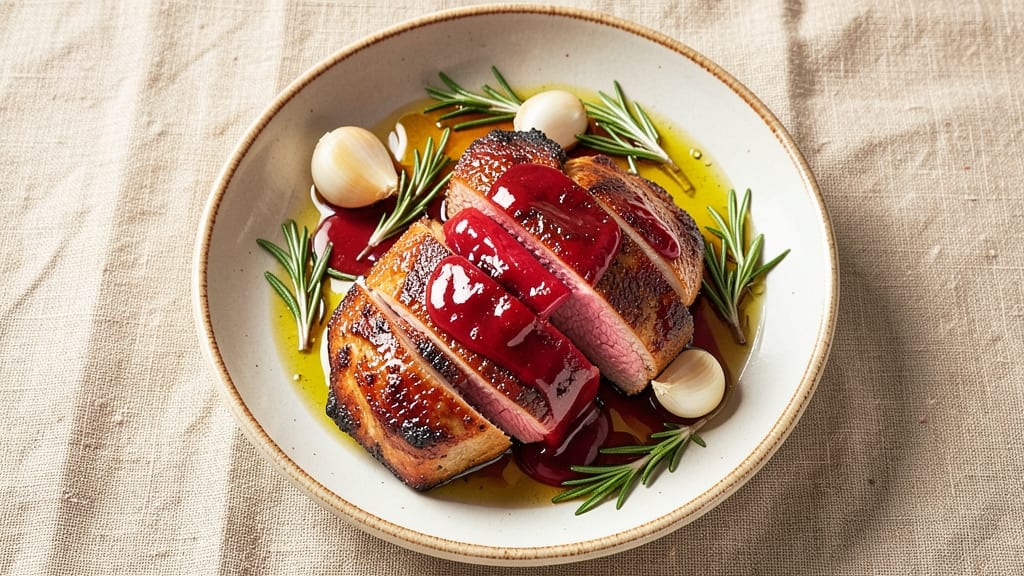
This apple cider vinegar pork marinade transforms tough pork into melt-in-your-mouth perfection—tender enough to fall apart with minimal effort. I developed it after years of perfecting pork at Atlanta's Smoky Pig, where we process 2,000 pounds weekly.
The vinegar's acidity breaks down fibers while balancing sweetness, creating a harmonious flavor that clings to every bite.
The secret lies in the 30-minute marinating time—just enough to tenderize without overpowering the natural pork flavor. This marinade works equally well for chops, tenderloin, or shoulder, making it my go-to for grilled or roasted preparations.
The combination of apple cider vinegar, olive oil, and aromatic herbs creates a bright, tangy-sweet profile that enhances rather than masks the meat's character.
What sets this marinade apart is its simplicity—just five core ingredients that deliver restaurant-quality results at home. The vinegar's acidity tenderizes while the honey adds depth, creating a perfect balance of sweet and sharp.
Store it in the fridge for up to 5 days, making it ideal for meal prep or spontaneous grilling sessions.
Whether you're cooking for a crowd or treating yourself to a special meal, this marinade elevates pork to new heights. The tenderizing power means less cooking time and more flavor, proving that great results don't require complicated techniques.
Let's get started with this game-changing marinade that'll change how you approach pork dishes forever.
Ingredients for apple cider vinegar pork marinade
Five ingredients, restaurant-quality results—this marinade transforms pork into tender perfection.
| Ingredient | Amount | Notes |
|---|---|---|
| Apple Cider Vinegar 🍏 | ½ cup | Raw, unfiltered preferred for depth |
| Extra-Virgin Olive Oil 🫒 | ½ cup | High-quality, fruity variety |
| Raw Honey 🍯 | ¼ cup | Local preferred for subtle floral notes |
| Fresh Garlic Cloves 🧄 | 6 cloves | Peeled, roughly chopped |
| Fresh Rosemary Sprigs 🌿 | 2 whole | Finely chopped, stems removed |
| Kosher Salt 🧂 | 1 ½ tbsp | Diamond Crystal preferred |
| Fresh Black Peppercorns 🌶️ | 1 tsp | Coarsely cracked |
| Ground Black Pepper 🌶️ | ½ tsp | Freshly ground preferred |
The apple cider vinegar is the heart of this marinade, so skip the distilled kind—it lacks the rich, tangy depth you want. Bragg or Texas Pete are my go-tos, but any unfiltered vinegar works. The honey should be raw and local if possible (I grab mine from Southeastern Farms in Georgia), as it adds subtle floral notes that balance the acidity. For the olive oil, California Olive Ranch or Bertolli are solid choices—just avoid anything with a harsh, peppery finish. The garlic and rosemary? Fresh is non-negotiable here—dried herbs won’t give you that bright, aromatic punch. If you’re short on time, the garlic can be minced ahead and stored in the fridge for up to 3 days.
No honey? Maple syrup works in a pinch—just reduce the amount to 2 tbsp and add 1 tbsp lemon juice to compensate for the lack of acidity. Short on rosemary? Thyme or sage at half the amount keeps the earthy depth. The olive oil can be swapped for avocado oil, but it’ll have a slightly different flavor profile. For a smokier twist, add 1 tbsp smoked paprika to the mix. The salt is crucial—Diamond Crystal dissolves best, but any kosher salt will do. If you’re using pre-minced garlic, rinse it first to remove any added anti-caking agents that can dull the flavor.
This marinade keeps beautifully in the fridge for up to 5 days—perfect for meal prep. Store it in an airtight glass jar to preserve the freshness of the herbs. For longer storage, freeze in ice cube trays and transfer to a bag; it’ll last for 3 months. The flavors actually improve after 24 hours as everything melds together. When ready to use, shake or whisk vigorously to redistribute the settled ingredients. It’s best used within 48 hours of opening for peak tenderness and flavor, but even after that, it’ll still deliver amazing results.
Why You'll Love This Recipe
- Five-Ingredient Miracle: I swear by this combo—just vinegar, oil, honey, garlic, and rosemary. That’s it. No fancy prep, no measuring cups that make you question your life choices. Honestly, I keep the ingredients in my pantry and toss them together when I forget to plan ahead.
- Tangy-Sweet Magic: The vinegar cuts through the richness of the pork while the honey caramelizes into a sticky, addictive glaze. That crispy rosemary edge? It’s like a little herbal hug in every bite—savory, bright, and impossible to resist.
- Weeknight to Weekend: Slather it on chops for a 20-minute dinner or marinate a whole roast for Sunday leftovers. I’ve used it on pork tenderloin, ribs, and even ground pork for tacos—no matter the occasion, it delivers. (Yes, even on a Tuesday night.)
- Budget-Friendly Powerhouse: A little goes a long way, and every ingredient costs less than a fancy bottle of sauce. The honey and vinegar stretch across multiple meals, so I’m not scrambling to buy more. Plus, the flavors feel luxurious without breaking the bank.
Step-by-step instructions for apple cider vinegar pork marinade
Here's how to craft this tangy-sweet marinade that transforms tough pork into melt-in-your-mouth perfection.
Combine Wet Ingredients in a Mixing Bowl
In a medium mixing bowl, pour in the 0.5 cup apple cider vinegar and 0.5 cup extra-virgin olive oil. I like to use a whisk for this step to help emulsify the ingredients right away. The vinegar's acidity will begin breaking down immediately, so you want everything well incorporated from the start.
Next, add the 0.25 cup raw honey and stir until fully dissolved. You'll notice the mixture becoming slightly thicker as the honey integrates. This is where the sweet-tangy balance begins forming—what makes this marinade so addictive. Let the mixture sit for 2-3 minutes while you prepare the remaining ingredients. This brief pause allows the flavors to meld slightly before adding the aromatics.
Add Aromatics and Seasonings
To the bowl, add the 6 peeled garlic cloves and 2 finely chopped rosemary sprigs. I always use a microplane for the garlic to maximize surface area and flavor extraction. Give everything a good stir with a wooden spoon, making sure the garlic and rosemary are fully submerged in the liquid.
Now add the 1.5 tablespoons kosher salt and 1 teaspoon coarsely cracked black peppercorns. The salt will begin drawing moisture from the pork immediately upon application, while the peppercorns add a subtle complexity that rounds out the sweet and sour notes. For the 0.5 teaspoon ground black pepper, I like to add it last—this ensures even distribution throughout the marinade without settling at the bottom.
Whisk Until Fully Emulsified
Using your whisk, vigorously stir the marinade for 2-3 minutes until it becomes thick and glossy. You're looking for a consistency similar to heavy cream—this indicates proper emulsification. The mixture should coat the back of a spoon without separating. If it looks too thin, let it sit for another 5 minutes and whisk again.
This emulsification step is crucial for tenderizing. The vinegar and oil work together to penetrate pork fibers more effectively when properly combined. The honey helps bind everything together, creating a cohesive marinade that clings beautifully to the meat. Taste it now—you should detect bright acidity, sweetness, and herbal notes with a peppery finish.
Marinate Pork for Optimal Tenderization
Place your pork (chops, tenderloin, or shoulder) in a resealable plastic bag or shallow dish. Pour the marinade over the meat, ensuring it's completely coated on all sides. For best results, I recommend marinating for 4-6 hours in the refrigerator. The acidity needs time to work its magic without cooking the meat.
Here's the thing—don't exceed 8 hours of marinating time. Pork's structure is delicate, and over-marinating can make it mushy. After 4 hours, the meat should already be noticeably more tender when you press it gently with your fingers. If you're short on time, 2 hours will still yield excellent results, though with slightly less dramatic tenderization.
Prepare for Cooking
Before cooking, remove the pork from the marinade and let it sit at room temperature for 15-20 minutes. This allows the surface to dry slightly, which promotes better browning. Save the leftover marinade—it makes an excellent glaze when reduced by half on the stovetop.
The marinade should have a rich, golden color with visible herb flecks. If you're grilling, pat the pork dry with paper towels before applying heat. For roasting, you can leave it slightly moist—just be prepared for a more steamy cook. Either way, you're about to create pork so tender it practically melts in your mouth, with that perfect balance of sweet, tangy, and herby flavors.
Pro Tips For Making Apple Cider Vinegar Pork Marinade
- Infuse the Vinegar First: Heat the apple cider vinegar in a small saucepan for 2-3 minutes before mixing—this evaporates some acidity and deepens its flavor. I used to skip this, and the marinade always tasted sharp and one-note until I tried it.
- Mince Garlic Like It’s 1995: Use a knife, not a press—finely minced garlic cloves distribute better and don’t clump in the oil. Pressed garlic turns to mush and sinks, leaving uneven flavor. (Yes, it takes 30 seconds longer, but the texture matters.)
- Don’t Drown the Rosemary: Strip the needles from 2-3 sprigs and chop them roughly—whole sprigs float and won’t release their aroma. Tear them between your fingers for a fragrant, even distribution. (And skip the stems; they’re bitter.)
- Marinate Cold, Not Room Temp: Refrigerate the pork in the marinade for at least 4 hours—overnight is better—so the acid tenderizes without cooking the meat. I learned this after a rushed batch turned out tough. Patience here makes all the difference.
Storing and reheating your apple cider vinegar pork marinade
Marinade Storage Basics
Store your homemade apple cider vinegar pork marinade in an airtight glass jar in the refrigerator for up to 5 days. The glass preserves the fresh aromatics better than plastic, and the airtight seal prevents flavor degradation.
I always use Pyrex jars because they're durable and microwave-safe if you need to reheat leftovers. The marinade actually improves after 24 hours as the flavors meld together beautifully. 🥫
Freezing for Long-Term Use
For longer storage, freeze the marinade in ice cube trays—this makes it easy to grab just what you need later. Once frozen, transfer the cubes to a quart-sized freezer bag, squeezing out excess air to prevent freezer burn.
It'll keep for 3 months without losing its bright acidity or tenderizing power. When ready to use, thaw in the fridge overnight or microwave for 10-15 seconds to speed things up.
Marinated Pork Storage
After marinating, store the pork in its marinade in an airtight container with a lid. If using plastic wrap, press it directly against the meat to minimize air exposure. Cook within 24 hours for best texture—pork marinates quickly and can become mushy if left too long.
For leftovers, store cooked pork in the fridge for 3-4 days or freeze for 2 months. The marinade's flavors actually intensify in cooked pork, making it perfect for sandwiches or salads. ❄️
Reheating Cooked Pork
For best results, reheat pork in a skillet over medium heat with 1 tablespoon of the reserved marinade until warmed through (165°F internal temperature). The residual marinade prevents drying while adding extra flavor.
If using the microwave, cover with a damp paper towel and heat in 30-second intervals, stirring between each. Avoid reheating in the oven—it tends to dry out the meat's surface.
Glaze Potential
Save any leftover marinade and reduce it by half in a saucepan over medium heat to create a sticky glaze. Brush this over pork during the last 5 minutes of grilling or roasting for a caramelized finish.
The reduced version works beautifully on pulled pork or as a dipping sauce for spring rolls. Store unused glaze in the fridge for 3 days or freeze for 1 month. 🔥
Safety First
Never reuse leftover marinade that has touched raw pork unless you boil it first for 5 minutes to kill bacteria. I always reserve ¼ cup of marinade before adding it to meat—this portion can be safely used as a glaze or sauce without boiling.
When in doubt, toss it and start fresh. Proper storage and reheating keep this marinade safe while maximizing its flavor potential every time. 💡
Nutrition facts
Frequently asked questions
Can I use this marinade on other meats besides pork?
This marinade works beautifully on chicken and lamb, but pork is ideal because its delicate structure benefits most from the vinegar's tenderizing power. For beef, reduce the marinating time to 2 hours maximum to avoid over-tenderizing. The sweet-tangy balance shines on grilled chicken thighs or lamb chops too.
What's the shortest time I can marinate pork for?
For quick results, 2 hours in the fridge will still tenderize pork noticeably, though 4-6 hours yields the best texture. The vinegar's acidity works fast—just don't exceed 8 hours or the meat may become mushy. For immediate cooking, a 30-minute room-temperature marinade still adds flavor!
Can I make this marinade without honey?
Yes! Swap the honey for 2 tbsp maple syrup + 1 tbsp lemon juice to maintain the sweet-tangy balance. For a savory version, omit the honey entirely and add 1 tbsp Dijon mustard instead. The acidity from vinegar and lemon keeps the marinade effective without sweetness.
Why does my marinade look separated?
This happens when oil and vinegar aren't properly emulsified. Whisk vigorously for 2-3 minutes until thick and glossy. If it still separates, add 1 tsp cornstarch mixed with 1 tbsp water and whisk again. The emulsification is key for even flavor penetration—don't skip this step!
How do I use leftover marinade safely?
Never reuse marinade that touched raw pork unless you boil it for 5 minutes first. Always reserve ¼ cup before marinating—this portion can be safely used as a glaze or sauce. For extra flavor, reduce leftover marinade by half to make a sticky pork glaze. Safety first—when in doubt, toss it!