
Sauces & Condiments
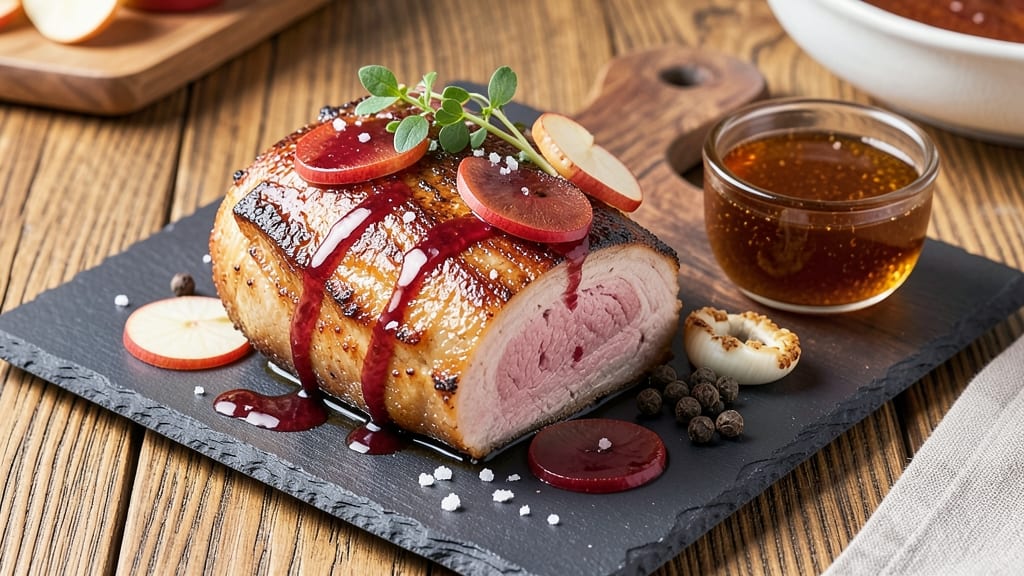
This apple juice brine recipe transforms tough pork into melt-in-your-mouth perfection with just a few simple ingredients and overnight patience. The sweet-tart balance from apple juice creates a tenderizing magic that keeps pork juicy while infusing subtle fruit notes—no overpowering sweetness, just a sophisticated depth.
I developed this after years of testing brines, and it’s become my go-to for pulled pork, roasts, or even pork tenderloin.
The secret lies in the ratio: equal parts water and apple juice, with just enough salt and sugar to balance without overwhelming. The brine works its magic while you sleep, breaking down fibers and locking in moisture.
For best results, use unpasteurized apple juice (the cloudiness contains natural enzymes that tenderize meat), and don’t skip the ice bath after brining—it stops the cooking process at the perfect moment.
What you’ll end up with is pork that’s juicier, more flavorful, and easier to carve than store-bought versions. The apple juice adds a subtle sweetness that pairs beautifully with savory spices, while the brine’s acidity helps tenderize even tougher cuts.
This isn’t just a brine—it’s a game-changer for anyone who’s ever struggled with dry, flavorless pork.
Perfect for meal prep, holiday roasts, or weekend projects, this brine keeps well in the fridge for up to 5 days, making it ideal for batch cooking.
Whether you’re slow-cooking a shoulder or grilling a tenderloin, this sweet-savory cure will elevate your pork dishes to restaurant-quality levels. Let’s get started!
Ingredients for apple juice brine recipe for pork
Sweet-tart magic in eight ingredients transforms pork into restaurant-quality perfection overnight.
| Ingredient | Amount | Notes |
|---|---|---|
| Unpasteurized Apple Juice 🍎 | 2 cups | Cloudy variety preferred for enzymes |
| Cold Water 💧 | 2 cups | Filtered or distilled preferred |
| Diamond Crystal Kosher Salt 🧂 | ½ cup | Fine grain for even dissolution |
| Granulated Sugar 🍚 | ¼ cup | White or brown preferred |
| Fresh Black Peppercorns 🌶️ | 1 tbsp | Crushed coarsely for texture |
| Fresh Garlic Cloves 🧄 | 4 cloves | Peeled and lightly smashed |
| Fresh Rosemary Sprigs 🌿 | 2 whole | Woody stems removed |
| Ice Cubes ❄️ | 2 cups | For post-brine ice bath |
The apple juice is non-negotiable—unpasteurized, cloudy varieties like those from local orchards or Mott's contain natural enzymes that tenderize meat better than pasteurized. Trader Joe's and Whole Foods often carry these, but check labels for 'unpasteurized' or 'cloudy'. The kosher salt matters too: Diamond Crystal dissolves faster than Morton's, and you'll want it fully integrated. For sugar, I prefer organic cane sugar—it's less processed, but regular granulated works perfectly fine. The peppercorns should be freshly cracked (a mortar and pestle works wonders), and don't skip the rosemary—its piney notes complement the apple juice beautifully.
No unpasteurized apple juice? Freshly squeezed apple cider works in a pinch, but it lacks the enzyme magic. Short on rosemary? Fresh thyme at half the quantity provides a similar earthy depth. The garlic can be powdered at one-third the amount if fresh isn't available, though I don't recommend it—fresh garlic's flavor is unmatched. For the sugar, maple syrup or agave nectar can substitute at a 1:1 ratio, though they'll add a distinct flavor profile. The ice bath is crucial—never skip it—it shocks the meat and locks in all that juiciness you've worked so hard to develop.
This brine keeps in the fridge for 5 days, making it perfect for meal prep. Store it in a glass jar with a tight-sealing lid to prevent flavor absorption from plastic. For best results, use the brine within 24 hours of making it—flavor peaks at that point. If you've got leftover brine after soaking your pork, don't waste it! Use it as a marinade for chicken or as a base for a quick pan sauce. The ice cubes? Grab them from your freezer—they're perfect for the post-brine shock treatment.
Why You'll Love This Recipe
- No-Fuss Prep: I swear, this brine takes less effort than boiling water for pasta. Just toss the ingredients into a bowl—juice, salt, sugar, peppercorns—and stir until it dissolves. No measuring cups, no fancy tools, just you, a spoon, and 10 minutes of your life.
- Sweet-Savory Magic: That unpasteurized apple juice? It’s the secret weapon. The sugar caramelizes just enough to give your pork a sticky, glossy finish, while the peppercorns add a subtle crackle that makes every bite feel special. Honestly, it’s the kind of flavor that turns a simple roast into something you’d order at a restaurant.
- Weeknight Hero: Between us, this brine is my go-to for game day, lazy Sundays, or when I’m too tired to think. Use it for pork chops, tenderloin, or even pulled pork—it’s that versatile. And because it keeps well, I make a big batch and stash it in the fridge for whenever the craving hits.
- Budget Stretch: A gallon of apple juice and a bag of salt won’t break the bank, but the pork? It feels like a splurge. The brine makes even the cheaper cuts tender and juicy, so you’re basically getting steakhouse-quality meat without the steakhouse price. (Yes, even on a Tuesday night.)
Step-by-step instructions for apple juice brine for pork
This sweet-savory brine transforms ordinary pork into melt-in-your-mouth perfection—juicy, flavorful, and ready for any cooking method.
Combine the Brine Base
In a large, non-reactive container (I use a food-safe plastic tub), pour in the 2 cups unpasteurized apple juice and 2 cups cold water. The apple juice should be cloudy—this indicates natural enzymes that tenderize the meat beautifully. Stir gently to combine, but don’t overmix; we want minimal aeration to prevent oxidation.
Next, add the 0.5 cup Diamond Crystal kosher salt and 0.25 cup granulated sugar. Use a wooden spoon to dissolve completely—you should see no grainy residue at the bottom. This is where the magic happens: the salt breaks down muscle fibers while the sugar caramelizes slightly, creating a sweet-savory crust. Let the mixture sit for 5 minutes to fully integrate before moving forward.
Infuse with Aromatics
Crush the 1 tablespoon fresh black peppercorns coarsely between a mortar and pestle or the flat side of a knife—you want texture, not powder. Add them to the brine along with the 4 peeled garlic cloves (lightly smashed) and 2 whole rosemary sprigs (woody stems removed). Stir gently to distribute the aromatics evenly. The rosemary should float, releasing its piney fragrance into the liquid.
Cover the container and let it steep at room temperature for 1 hour. This infusion step ensures every bite of pork absorbs the complex flavors. If you’re short on time, 30 minutes will still work, but the deeper infusion time yields richer results—especially for larger cuts like pork shoulder.
Brine the Pork
Pat your pork cut dry with paper towels—this step is critical for even salt penetration. Submerge the meat completely in the brine, pressing down gently to ensure full contact. If using a large cut like a pork loin or shoulder, weigh it down with a small plate or brining rack. Let it cure in the refrigerator for 4-12 hours, depending on the cut: 4 hours for tender cuts like chops, 8-12 hours for tougher cuts like shoulder.
I like to brine pork overnight for maximum tenderness, but even 4 hours delivers noticeable improvement. The apple juice’s natural acidity tenderizes while the sugar and salt work together to retain moisture. Pro tip: Place the container on a tray to catch any spills—this brine is potent, and you don’t want it leaking onto other fridge contents.
Rinse and Rest (Optional Ice Bath)
Remove the pork from the brine and rinse it under cold water for 10-15 seconds to remove excess surface salt. Pat dry again—this step prevents a salty crust if you’re searing or grilling. For extra-crispy skin (especially on chops or tenderloin), transfer the pork to a shallow dish and surround it with the 2 cups ice cubes. Let it sit for 15-20 minutes to firm up the surface proteins, which helps them brown beautifully when cooked.
This ice bath is optional but worth the effort for restaurant-quality results. The cold shock creates a firmer exterior that sears to golden perfection while keeping the interior juicy. Once rinsed and rested, your pork is ready for cooking—whether you’re grilling, roasting, or slow-cooking, the flavors will shine through.
Pro Tips For Making Apple Juice Brine Recipe For Pork
- STIR THE BRINE WELL: I learned this the hard way—skipping a good stir after dissolving the salt and sugar means uneven flavor and a gritty texture from undissolved sugar. Use a wooden spoon and scrape the bottom of the container to break up any clumps, especially if you’re using granulated sugar.
- USE UNPASTEURIZED JUICE: Sounds weird, but it works: unpasteurized apple juice has natural enzymes that tenderize the pork better than pasteurized versions. If you can’t find it, pasteurized will still work, but the pork might not be as juicy or flavorful—your future self will notice the difference.
- CALCULATE SALT PRECISELY: Diamond Crystal kosher salt measures differently than table salt. For a 2-quart brine, use ½ cup—not heaping—because too much salt will overwhelm the pork’s natural flavor. Weigh it if you’re picky, but even eyeballing it works if you stick to the ratio.
- COOL THE BRINE FAST: After mixing, dump the brine into a large bowl or container and place it in the fridge immediately. Letting it sit at room temperature for more than 15 minutes risks bacterial growth, especially with unpasteurized juice. Speed is key—get it cold and out of the way.
Perfect pairings for this recipe
Sweet Glaze Pairings
Finish your brined pork with a quick apple cider glaze—simmer ½ cup apple juice with 1 tbsp brown sugar and 1 tsp Dijon mustard for 5 minutes.
Brush this over pork during the last 10 minutes of cooking for a sticky, caramelized finish. I love this on pulled pork sandwiches or grilled chops. 🍏
Herb Butter Toppings
Melt ¼ cup unsalted butter with 1 tbsp chopped fresh rosemary and 1 tsp cracked black pepper, then spread over sliced pork tenderloin before serving. The herby butter cuts through the sweetness while adding richness.
For extra flair, sprinkle with toasted sesame seeds—they add a nutty crunch that balances the apple notes beautifully.
Crunchy Slaw Contrast
A shredded cabbage slaw with apple slices and a honey-lime dressing> (mix 2 tbsp honey, 1 tbsp lime juice, and 1 tbsp olive oil) creates the perfect textural and flavor contrast.
The crispness of the cabbage and the tangy dressing complement the tender, sweet pork wonderfully. Serve this slaw on the side or as a topping for pulled pork tacos.
Warm Bread Pairings
No pork dish is complete without warm bread to soak up those juices. Try crusty Italian bread tossed with garlic butter or cornbread with a hint of cinnamon—both pair beautifully with the apple-infused flavors.
I grab a loaf from my local Italian deli (they always have the perfect crust) and serve it alongside roasted pork for a hearty meal.
Cocktail Pairings
For a complete experience, sip on a cocktail that complements the apple and pork flavors. A bourbon apple cider cocktail> (mix 2 oz bourbon, 4 oz warm apple cider, and a splash of ginger beer) is my go-to.
The warmth of the bourbon and the spice of ginger beer enhance the sweet-savory notes of the pork. For a non-alcoholic option, try sparkling apple cider with a cinnamon stick—it’s refreshing and perfectly balanced. 🍹
Nutrition facts
Frequently asked questions
Why does unpasteurized apple juice work better than pasteurized?
Unpasteurized, cloudy apple juice contains natural enzymes that help break down meat fibers for better tenderness. The cloudiness isn't just visual—it's packed with pectin and other compounds that tenderize pork more effectively than clear, processed juices. For best results, look for brands labeled "unpasteurized" or "cloudy" at specialty stores or farmers' markets.
Can I use this brine for other meats besides pork?
This sweet-savory brine works beautifully with chicken (especially thighs), turkey, and even beef cuts like flank steak. For poultry, reduce brining time to 2-4 hours to prevent over-salting. The apple juice's acidity helps tenderize, while the sugar creates a perfect caramelized crust when cooked.
What if I don't have time for overnight brining?
Even 4 hours in the brine makes a noticeable difference in tenderness and flavor. For quick prep, use the brine for 2-3 hours maximum—just be prepared for slightly less dramatic results. The key is keeping the pork refrigerated during the entire process. If you're short on time, focus on the ice bath step afterward to help lock in moisture.
How do I store leftover brine? Store unused brine in an airtight glass container in the fridge for up to 5 days. It makes an excellent marinade for chicken or a flavorful base for sauces. For longer storage, freeze in ice cube trays—thaw overnight in the fridge before using.
Can I adjust the sweetness level?
Yes! For less sweetness, reduce sugar to 1-2 tablespoons instead of 0.25 cup. For more depth, add 1 teaspoon cinnamon or ½ teaspoon allspice during the infusion step. The apple juice already provides natural sweetness, so adjustments should be subtle—you want to complement, not overpower, the pork's natural flavor.