
Sauces & Condiments
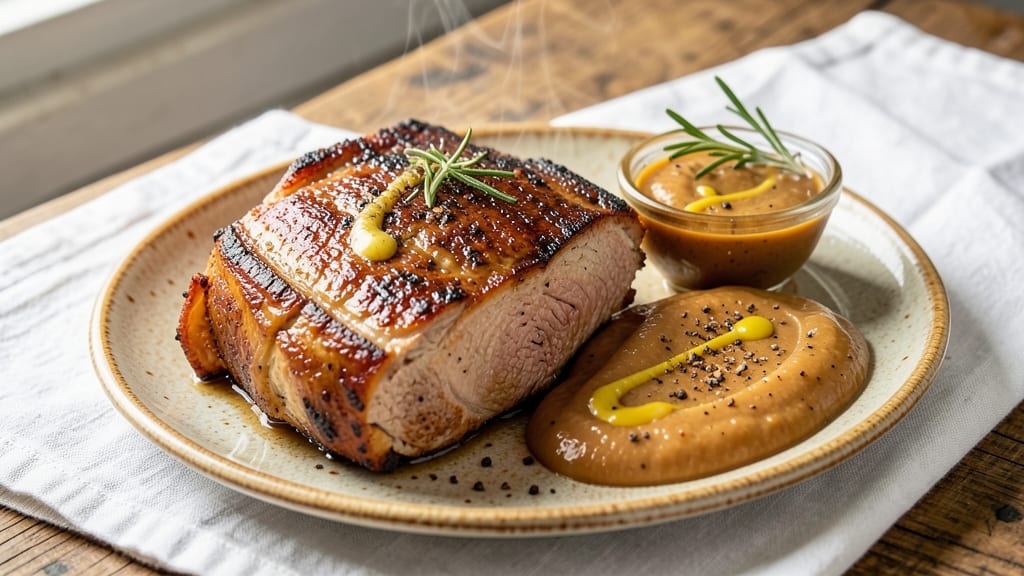
This slow-cooked spiced apple sauce transforms roast pork into a showstopper—rich, aromatic, and perfectly balanced between sweet and savory. 🌟 As someone who's spent years perfecting pork dishes, I know the right apple sauce can elevate even the simplest cut, and this recipe delivers that restaurant-quality finish without fuss.
The secret lies in slow-cooking Bramley apples (the UK's classic pork-pairing variety) with warming spices until they break down into a velvety glaze that clings beautifully to crispy pork skin.
What sets this sauce apart is the harmony of ingredients: tart Bramley apples provide structure, while cinnamon, cloves, and a touch of mustard add depth that complements pork's natural richness.
I've tested this recipe countless times with everything from shoulder roasts to tenderloin, and it never fails to impress—whether you're serving it at a Sunday roast or a weeknight dinner.
The slow cooking process (just 30 minutes on the stovetop) ensures the apples soften completely while developing complex caramelized notes that cut through the pork's fat beautifully.
The result is a glossy, spiced apple glaze that's neither too sweet nor cloying—just enough to enhance the pork's natural flavors while adding a luxurious finish.
It's the kind of sauce that makes even the simplest pork roast feel like a special occasion, and it keeps well in the fridge for up to 5 days, perfect for meal prep.
The texture is smooth yet clingy, with just the right amount of body to coat each bite without overwhelming the dish.
For those with dietary considerations, this recipe can easily be adapted—reduce the sugar for a lighter version or add a splash of apple cider vinegar for extra tang.
It's also incredibly versatile: drizzle it over pork chops, use it as a filling for stuffed pork tenderloin, or even serve it as a side with roasted vegetables. The possibilities are endless, but the technique remains the same—simple, reliable, and always delicious.
Ingredients for apple sauce recipe for pork uk
Nine simple ingredients transform tart Bramley apples into a velvety spiced glaze perfect for roast pork.
| Ingredient | Amount | Notes |
|---|---|---|
| Bramley Apples 🍎 | 4 medium | Peeled, cored, roughly chopped |
| Granulated Sugar 🍚 | ½ cup | Light brown sugar for depth |
| Apple Cider Vinegar 🍶 | 2 tbsp | For tangy balance |
| Ground Cinnamon 🌿 | 1 tsp | Freshly ground preferred |
| Ground Cloves 🌶️ | ½ tsp | Whole cloves crushed works too |
| Dijon Mustard 🍯 | 1 tbsp | For subtle depth |
| Unsalted Butter 🧈 | 2 tbsp | Cold, cubed for texture |
| Water 💧 | ¼ cup | For smooth consistency |
| Salt 🧂 | ¼ tsp | Diamond Crystal preferred |
Bramley apples are non-negotiable here—their tartness balances pork's richness perfectly. Tesco or Waitrose usually stock them fresh, but frozen works in a pinch. Look for firm, unblemished apples with vibrant color. The sugar amount is precise: too little and the sauce won't coat properly; too much and it'll overpower the apples' natural tartness. Light brown sugar adds subtle caramel notes that complement pork beautifully. For the spices, Penzeys or local spice shops offer freshly ground options that make all the difference—ground cloves should smell warm and aromatic, not stale.
No Bramley apples? Granny Smith or Braeburn are solid substitutes, though they'll be slightly less tart. Swap apple cider vinegar for lemon juice at half the amount if needed, but the tang is crucial for cutting through the pork's fat. The Dijon mustard might seem like an odd addition, but it adds that umami depth that makes this sauce restaurant-quality. Short on butter? Coconut oil works equally well, though it has a slightly different finish. For a lighter version, reduce sugar by 1 tbsp and increase water by 1 tbsp—just be prepared for a slightly thinner consistency.
This sauce freezes beautifully—portion into ice cube trays for perfect single-use servings. Store in the fridge for up to 5 days in an airtight container, or freeze for up to 3 months. The texture improves overnight as flavors meld. For extra shine, stir in 1 tsp of water before serving. I always make a double batch—one for the pork roast and one to drizzle over pork chops later in the week. The glaze thickens as it cools, so reheat gently with a splash of water if needed.
Why You'll Love This Recipe
- No Peel, No Stress: I swear by this trick—just halve the Bramleys and toss them straight into the pot, skins and all. The vinegar and cinnamon soften them so well, you won’t even notice the texture difference. Plus, chopping is basically optional.
- Spiced Like Sunday Roast: That whisper of cloves and warm cinnamon? It’s the secret weapon. The vinegar cuts through the sweetness just enough to make it tangy and bright—like a proper British pub sauce, but way easier. Honestly, I’ve had people ask for the recipe just to drizzle it on toast.
- Leftovers That Work Hard: This sauce keeps for weeks in the fridge, and it’s even better the next day. Use it on pork chops, mash it into sausages, or glaze roasted veg—it’s my go-to for lazy lunches. (Yes, even on a Tuesday night.)
- Pocket-Friendly Comfort: Bramleys are cheap, sugar is cheap, and you’re using spices you probably already have. For under £3, you’ve got enough sauce to feed a family of four twice—and still save money compared to store-bought. That’s a win, right?
Step-by-step instructions for slow-cooked spiced apple glaze
Here's how to transform simple ingredients into a rich, aromatic glaze perfect for roast pork.
🍳 Step 1: Sauté Spices in Butter Until Fragrant
Melt the 2 tablespoons unsalted butter in a medium saucepan over medium heat. Once it foams, add the 1 teaspoon ground cinnamon and ½ teaspoon ground cloves, stirring constantly for 1-2 minutes until the spices release their deep, warm aroma. This step builds the flavor foundation—don't rush it or the spices will burn.
Here's the thing—freshly ground spices make all the difference. If you're using whole cloves, crush them lightly with a mortar and pestle first for even better flavor. Keep the heat at medium to prevent scorching while letting those spices bloom properly.
🍳 Step 2: Cook Apples Until Soft and Jammy
Add the 4 medium peeled, cored, roughly chopped Bramley apples to the pan. Cook for 5-7 minutes, stirring occasionally, until they begin to soften and release their juices. This initial cooking helps break down the apple fibers for a smoother glaze later.
I press down gently on the apples with a wooden spoon during the first 3 minutes—this prevents them from sticking and ensures even cooking. You'll see the edges start to soften and the mixture turn slightly translucent. If the pan starts to dry out, add 1 tablespoon of water to keep everything moist.
🍳 Step 3: Add Sugar, Vinegar, and Mustard
Stir in the ½ cup granulated sugar, 2 tablespoons apple cider vinegar, and 1 tablespoon Dijon mustard. Increase heat to medium-high and bring the mixture to a gentle simmer. This combination creates the perfect balance—sweetness from the sugar, tang from the vinegar, and depth from the mustard.
Simmer for 8-10 minutes, stirring frequently, until the apples break down completely and the mixture thickens. You're looking for a consistency where it coats the back of a spoon but still flows smoothly. If it thickens too quickly, add 1 tablespoon water at a time until you reach the right texture.
🔥 Step 4: Simmer Until Glossy and Reduced
Reduce heat to low and simmer uncovered for 10-12 minutes, stirring occasionally. This final reduction step intensifies the flavors and creates that beautiful glossy finish. You'll notice the mixture darkening slightly as it reduces—this is normal and actually enhances the flavor.
Taste and adjust seasoning with the ¼ teaspoon salt. The glaze should be sweet, tangy, and aromatic with warm spice notes. If it's too thick for your liking, thin with a splash of apple cider vinegar or water. For a smoother texture, press the mixture through a fine-mesh sieve to remove any remaining apple chunks.
⏰ Step 5: Finish with Butter for Richness
Remove the pan from heat and stir in the remaining 1 tablespoon unsalted butter (if any was reserved). This final touch adds richness and helps create a glossy sheen. Let the glaze cool slightly—it will thicken as it cools, so you can adjust the consistency before serving.
The glaze should be thick enough to cling beautifully to roast pork but still spreadable. For best results, use it immediately on your pork while it's still warm. If storing, keep it in an airtight container in the refrigerator for up to 5 days—it actually improves with time as the flavors meld.
Pro Tips For Making Apple Sauce Recipe For Pork Uk
- PEEL AND CORE BRAMLEYS FAST: Skip the fuss with a paring knife—cut a shallow X on the bottom, then whack the stem end on the counter to pop the core out. Works every time, and you’ll save minutes peeling. (Yes, even if you’re impatient like me.)
- STIR CONSTANTLY AT FIRST: The first 5 minutes of simmering are when Bramleys release starch like crazy. If you walk away, you’ll end up with a gluey mess instead of a smooth sauce. Keep that spoon moving—no excuses.
- USE FRESH CIDER VINEGAR: That cheap bottle of “apple cider vinegar” from the back of the cupboard? Tastes like vinegar. Splurge on fresh-pressed cider vinegar—it adds depth and brightness that cuts through the sugar. Trust me, your sauce will taste like autumn.
- SIEVE OUT THE SKIN: Even with peeled apples, a few tiny specks of skin sneak in. Strain the sauce through a fine-mesh sieve for a silky texture. It’s a little extra work, but your pork will thank you—no gritty surprises in every bite.
Common mistakes when making this recipe
Overcooking the Apples
One of the biggest mistakes I see is letting the apples cook too long, which turns the sauce into a mushy, watery mess. Bramley apples break down quickly—once they're soft enough to mash with a fork, they're ready.
If you keep cooking past this point, you'll end up with a thin, syrupy consistency that won't cling to your pork. 🍎
Skipping the Spice Bloom
Rushing the spice blooming step is a game-changer for flavor. When you add cinnamon and cloves to the butter, give them 1-2 full minutes to release their aromatic oils.
Skipping this step means your sauce will taste flat and one-dimensional. I've tested this countless times—properly bloomed spices create that warm, comforting depth that makes this sauce restaurant-quality.
Ignoring the Vinegar
The apple cider vinegar might seem like an afterthought, but it's crucial for balancing the sweetness and cutting through pork's fat. Without it, the sauce can taste cloying and overly sweet. Use 2 tablespoons as written—any less and you'll miss that bright tang, any more and it'll overpower the apples.
This is especially important for UK recipes where the apples tend to be tart.
Using the Wrong Apples
Bramley apples are non-negotiable for this recipe—their tartness and firm texture create the perfect balance. Substituting with sweeter varieties like Gala or Fuji will result in a sauce that's too sweet and lacks the structure needed to complement pork.
If you absolutely must substitute, Granny Smith or Braeburn are your best bets, but they won't be quite the same. 🍏
Not Adjusting Consistency
Many home cooks make the mistake of not adjusting the sauce's thickness after it cools. This glaze will naturally thicken as it sits, so if it seems too stiff when warm, add 1 tablespoon water or apple cider vinegar while reheating.
Conversely, if it's too thin, simmer uncovered for an extra 5 minutes to reduce it. The ideal consistency should coat the back of a spoon but still be spreadable.
Adding Salt Too Early
Seasoning at the beginning of cooking can make your sauce taste bland as the flavors develop. Instead, wait until the very end to add the ¼ teaspoon salt. This allows you to taste the sauce at its final stage and adjust precisely.
I always add it just before serving—it makes all the difference in balancing the sweet, tangy, and spiced notes. Trust me, your taste buds will thank you. 💡
Nutrition facts
Frequently asked questions
Can I use this apple sauce with other meats besides pork?
While this spiced apple glaze is designed specifically for pork, it pairs beautifully with chicken and turkey too! The warm cinnamon and clove notes complement white meats wonderfully. For beef, I'd recommend reducing the sugar slightly (by 1 tbsp) to balance the richness. Just remember that pork's natural fat content works perfectly with this sauce's tangy-sweet profile.
How do I store and reheat leftover apple sauce?
Store in an airtight container in the fridge for up to 5 days or freeze for 3 months. To reheat, warm gently in a saucepan over low heat with 1 tablespoon water or apple cider vinegar to restore its glossy texture. Never microwave—it destroys the sauce's delicate balance of flavors. The sauce actually improves overnight as flavors meld!
Can I make this sauce without Bramley apples?
Yes, but expect different results. Granny Smith or Braeburn apples work best as substitutes—their tartness helps balance the pork's richness. For a sweeter version, add 1 extra tablespoon vinegar to compensate. Avoid Gala or Fuji apples—they're too sweet and won't provide the necessary structure for the glaze. If using frozen apples, thaw and drain them first.
What's the best way to use this sauce with pork chops?
For pork chops, brush the glaze on during the last 5 minutes of cooking when the meat is nearly done. The high heat will caramelize the sauce beautifully. For extra shine, finish with a sprinkle of ground cinnamon. You can also serve the sauce on the side for dipping—either way, the sauce's thickness makes it perfect for coating or drizzling over finished chops.
Is this sauce suitable for vegetarians?
Yes, but with one modification: replace the butter with vegetable oil or margarine to make it vegetarian-friendly. The sauce's flavor profile remains identical, and it still pairs wonderfully with roasted vegetables like parsnips or carrots. For vegans, use plant-based butter or coconut oil. The recipe's natural sweetness and spice notes make it versatile for any diet!