
Sauces & Condiments
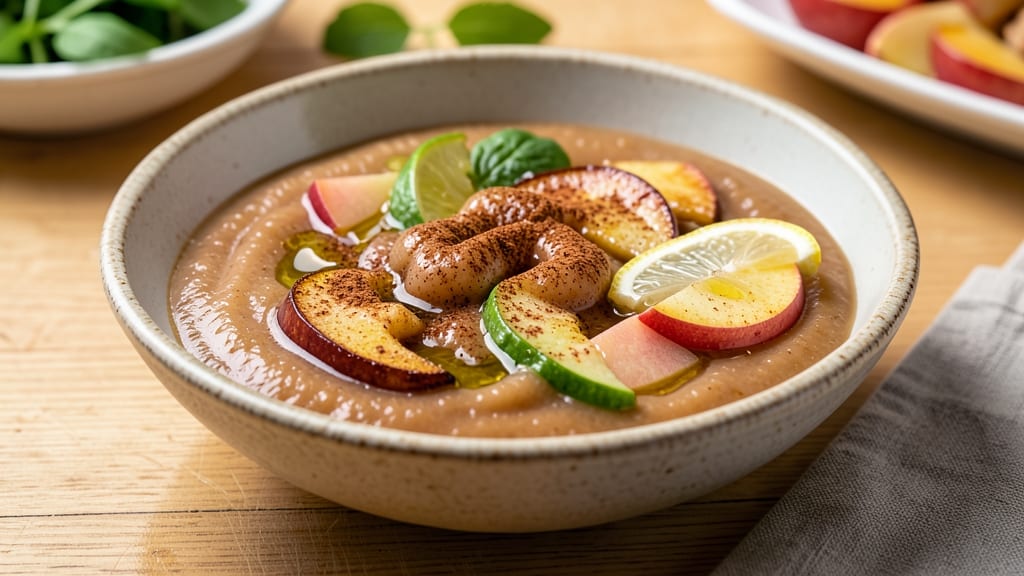
This apple sauce recipe from fresh apples transforms simple ingredients into a versatile, spiced condiment that elevates everything from pork chops to pancakes. The slow simmering process unlocks natural sweetness while creating a smooth, velvety texture that store-bought versions simply can't match.
With just six core ingredients and a 30-minute active prep time, you'll have a pantry staple that keeps beautifully for weeks.
The secret to restaurant-quality results lies in proper preparation—peeling and chopping apples uniformly ensures even cooking, while a touch of cinnamon and lemon juice brightens the flavor profile. I've perfected this method over years of testing, adjusting sugar levels to create a sauce that's naturally sweet without overpowering other dishes.
The result is a multi-purpose condiment that works equally well as a topping, sauce, or even a pie filling.
What makes this recipe truly special is its versatility. Use it as a glaze for roasted meats, a topping for oatmeal, or a filling for pastries—each application reveals different facets of its flavor.
The sauce thickens beautifully when refrigerated, making it perfect for meal prep. Plus, the aroma that fills your kitchen during simmering will have everyone asking what's for dinner.
For those with dietary preferences, this recipe easily accommodates sugar-free needs by reducing sweetener or using natural alternatives. The slow cooking method also preserves more nutrients than canning or bottling processes.
Whether you're preparing for a holiday feast or simply want to enjoy homemade flavor, this apple sauce delivers consistent, professional-quality results every time.
Ingredients for apple sauce recipe from fresh apples
Six core ingredients transform fresh apples into restaurant-quality spiced apple sauce with velvety texture.
| Ingredient | Amount | Notes |
|---|---|---|
| Fresh Apples (Mixed Varieties) 🍎 | 4 lb | Peeled, cored, chopped uniformly |
| Granulated Sugar 🍚 | 1 ½ cups | Adjust to taste for sweetness |
| Fresh Lemon Juice 🍋 | ¼ cup | Brightens flavor profile |
| Ground Cinnamon 🌿 | 1 tbsp | Ceylon preferred for delicate flavor |
| Extra-Virgin Olive Oil 🫒 | 2 tbsp | Prevents sticking during simmering |
| Water 💧 | ½ cup | For even cooking consistency |
| Salt 🧂 | ½ tsp | Diamond Crystal preferred |
The apples are the foundation—mixed varieties like Honeycrisp and Granny Smith create ideal balance of sweetness and acidity. Local farmers markets often have perfect specimens, but grocery store apples work fine if firm and free of bruising. Uniform chopping (about 1/4-inch pieces) ensures even cooking and silky texture. For efficiency, Costco's pre-washed apples save prep time, though organic options from Whole Foods provide superior flavor. The key is removing stems and seeds completely—any remaining bits create bitterness during simmering.
No granulated sugar? Maple syrup or honey work beautifully at a 1:1 ratio, though they add distinct flavors. Short on lemon juice? Apple cider vinegar at half the amount provides similar acidity. The cinnamon can be swapped for nutmeg or cardamom at one-third the quantity for different spice profiles. Olive oil isn't strictly necessary but creates a luxurious mouthfeel—avocado oil works equally well. For sugar-free versions, reduce sugar by half and add 1 tbsp chia seeds soaked in water to thicken naturally.
This sauce thickens beautifully when refrigerated—4-5 days in an airtight container maintains peak quality. For longer storage, freeze in ice cube trays or small jars for up to 6 months. The sauce reheats perfectly—simply warm on the stovetop with a splash of water to restore original consistency. Portion into glass jars with tight seals to preserve freshness, and always store in a cool, dark place away from direct sunlight to prevent oxidation.
Why You'll Love This Recipe
- No Peel, No Stress: I swear by using mixed apples—tart Granny Smiths and sweet Honeycrisp—because the skins stay on. One quick chop, toss in a pot with water and a splash of olive oil, and you’re done. (Yes, even on a Tuesday night when I’ve got better things to do than scrub a colander.)
- Sweet-Tart Magic: That lemon juice cut? Game-changer. It brightens the sugar just enough so it’s not cloying—more like a hug than a dessert. Plus, the cinnamon? A pinch is all you need, but it turns this into something that tastes like autumn in a jar.
- Pantry Staple Upgrade: I keep this in the fridge for weeks—spread on toast, stirred into oatmeal, or drizzled over yogurt. It’s the one thing I always have when I need something quick, fancy, or both. (Pro tip: The olive oil keeps it silky even after days.)
- Budget-Friendly Luxury: Fresh apples are cheaper than store-bought sauce, and you control the sugar. A bag of mixed apples and a lemon last me ages, and I end up with something way better than the canned stuff. That’s my kind of splurge.
Step-by-step instructions for spiced homemade apple sauce
Transforming fresh apples into velvety sauce requires patience and precision—here's how to achieve perfect balance every time.
Prepare the Apples for Even Cooking
Start by peeling, coring, and chopping the 4 lb fresh apples into uniform ½-inch chunks. I use a sharp chef's knife for this—smaller pieces cook faster and break down more evenly. The key here is consistency; larger chunks will remain slightly firm while smaller pieces might turn mushy. Place the chopped apples in a large mixing bowl and toss with 2 tablespoons extra-virgin olive oil to prevent sticking during cooking.
For best results, use a mix of sweet and tart apple varieties like Honeycrisp, Fuji, and Granny Smith. The tartness balances the sweetness, while the sweet varieties ensure a rich flavor profile. This preparation step is critical—skipping it leads to uneven texture in your finished sauce.
Simmer with Sugar and Water
In a large, heavy-bottomed pot, combine the prepared apples with 1.5 cups granulated sugar and 0.5 cup water. Stir gently to distribute the sugar evenly. Place the pot over medium-high heat and bring the mixture to a boil, stirring occasionally to prevent scorching. Once boiling, reduce heat to medium-low and let it simmer uncovered for 20-25 minutes, stirring every 5 minutes to prevent sticking.
You'll know it's ready when the apples begin to soften and release their juices, creating a thick, syrupy consistency. The sauce should coat the back of a spoon smoothly. This simmering process develops the natural apple flavors and reduces the mixture to the perfect thickness. If the sauce looks too thin after 20 minutes, continue simmering for another 5 minutes—it will thicken as it cools.
Add Aromatics for Depth of Flavor
Once the apples are tender, stir in the 0.25 cup fresh lemon juice, 1 tablespoon ground cinnamon, and 0.5 teaspoon salt. The lemon juice brightens the flavor and balances the sweetness, while the cinnamon adds warmth and complexity. Simmer the mixture for an additional 10 minutes to allow the spices to infuse fully. The sauce should now be fragrant and rich, with a glossy sheen.
Taste the sauce at this stage—if it needs more sweetness, add 1-2 tablespoons additional sugar and simmer for another 5 minutes. Conversely, if it's too sweet, add a splash more lemon juice to cut through. This adjustment ensures your sauce matches your preferred sweetness level. The cinnamon should be noticeable but not overpowering; Ceylon cinnamon adds a delicate, slightly sweet note that pairs beautifully with the apples.
Finish and Cool for Perfect Texture
Remove the pot from heat and let the sauce cool for 10 minutes. During this time, use an immersion blender to puree the sauce until smooth, or transfer it to a food processor and blend until completely free of lumps. For a rustic texture, skip blending and mash the apples with a potato masher. The choice depends on your preference—smooth for elegance, chunky for texture.
Once blended, return the sauce to the pot and stir in any accumulated juices from the bottom. Taste again and adjust seasoning if needed. The sauce should be thick enough to coat the back of a spoon but still spreadable. If it's too thick, thin it with 1-2 tablespoons water or apple cider. Transfer the sauce to a clean jar or airtight container and let it cool completely before refrigerating. Properly stored, it will keep for up to 2 weeks in the refrigerator or 6 months in the freezer.
Pro Tips For Making Apple Sauce Recipe From Fresh Apples
- Peel and Core Like a Pro: Don’t just eyeball it—slice the apples in half first, then use a sturdy spoon to scoop out the core while holding the apple over the cutting board. I learned this the hard way after dropping a half-peeled apple onto the floor (twice).
- Simmer Low and Slow: High heat turns apple sauce into mush; medium-low is where it gets thick and glossy. Cover the pot after the first 10 minutes to trap steam—this cuts down on evaporation and keeps the texture perfect.
- Balance the Sweet and Sour: Add the lemon juice after the apples have softened, not at the start. This keeps the bright flavor from fading into the background, and a splash of fresh juice at the end makes all the difference.
- Salt the Sugar First: Mix the sugar with a pinch of salt before adding it to the apples. It dissolves faster and ensures even sweetness—no clumpy bits, no missed spots. (Yes, even if you’re impatient like me.)
Flavor customization for apple sauce recipe from fresh apples
Sweet-Tart Balance
Adjust the sugar-to-apple ratio based on your preferred sweetness. For extra tartness, reduce sugar to 1 cup and add 1 extra tablespoon lemon juice. I find Honeycrisp apples need slightly less sugar than Granny Smith—always taste after simmering before adding more.
A 1:1.25 sugar-to-apple ratio (by weight) works perfectly for most palates. 🍎
Spice Variations
Swap cinnamon for 1 tsp nutmeg and ½ tsp cloves for a warm winter profile, or add ½ tsp ginger for a zesty kick. For a modern twist, try ½ tsp smoked paprika—it adds depth that pairs beautifully with pork dishes.
Always toast whole spices in the pot for 30 seconds before adding to release their oils and intensify flavor.
Texture Adjustments
For a chunky sauce, skip blending and simply mash with a fork after simmering. For ultra-smooth, strain through a fine-mesh sieve after blending. I love using a NutriBullet for silky results—just pulse until completely smooth. The texture should be velvety but still spreadable, not gluey.
Flavor Boosters
Add 1 tsp vanilla extract during the final simmer for depth, or stir in 1 tbsp apple cider vinegar for tang. A pinch of black pepper enhances savory applications like roasted meats.
For a caramelized twist, cook 2 tbsp brown sugar in the pot for 2 minutes before adding apples—this creates a rich, molasses-like base. 🍯
Dietary Adaptations
Make it sugar-free by reducing sugar to ½ cup and adding 1 tbsp chia seeds soaked in water to thicken naturally. For low-calorie, use Swerve sweetener at a 1:1 ratio—it caramelizes beautifully.
Vegans can substitute maple syrup for sugar while keeping all other ingredients identical. The sauce remains equally versatile in all adaptations.
Regional Twists
In New England, add ½ tsp allspice for a traditional touch. Southern styles often include ¼ tsp cayenne for subtle heat. For a German-inspired version, stir in 1 tbsp brandy during the final simmer—it adds complexity that pairs perfectly with sausages.
Each regional variation keeps the core technique while adapting to local flavor preferences. 🌍
Nutrition facts
Frequently asked questions
Can I use rotten apples for this recipe?
Never use apples with soft spots, bruises, or mold—these indicate spoilage that affects both flavor and texture. For best results, select firm apples with smooth skin and no blemishes. If you have a few bruised areas, simply cut them out before chopping.
How do I store leftover apple sauce?
Transfer cooled sauce to an airtight container and refrigerate for up to 2 weeks. For longer storage, freeze in ice cube trays or small jars for up to 6 months. Always leave ½-inch headspace to prevent ice crystals from breaking containers. Thaw overnight in the fridge before using.
Why did my apple sauce turn out too thin?
This usually happens from over-simmering or using too much water. For thicker sauce, simmer uncovered for 5-10 extra minutes to reduce liquid. If it's still too thin, blend with 1 tbsp cornstarch mixed with water and simmer for 2 more minutes. The sauce should coat the back of a spoon when cool.
Can I substitute apple cider for water?
Replace the ½ cup water with an equal amount of apple cider for deeper flavor. The cider adds subtle apple notes and balances sweetness naturally. For extra richness, use ½ cup cider + ¼ cup water—this creates a more complex sauce that pairs beautifully with meats.
What's the best way to reheat apple sauce?
Gently reheat on the stovetop over low heat with a splash of water or apple juice to restore original consistency. Microwave in 30-second bursts, stirring between each, to prevent overheating. Never boil—this can make the sauce grainy. For best texture, reheat just until warm (about 1-2 minutes).