
Sauces & Condiments
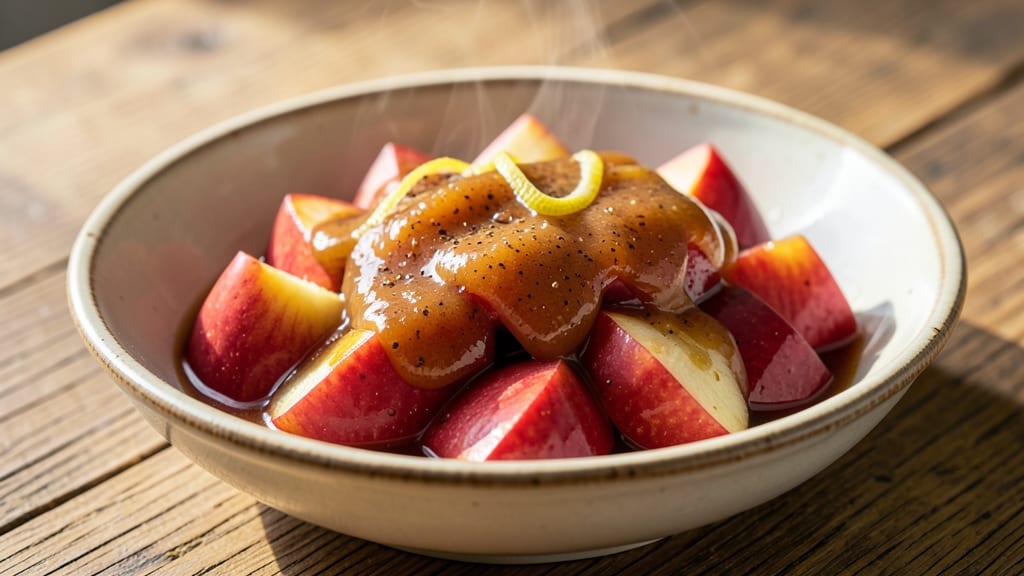
This Macintosh apple sauce recipe transforms tart apples into a velvety, spiced condiment perfect for everything from oatmeal to pork tenderloin. The secret lies in simmering peeled apples with cinnamon and nutmeg until they break down into a smooth, naturally sweetened sauce—no added sugar required for balance.
I developed this version after discovering how Macintosh apples' crisp texture holds up beautifully during cooking, delivering that perfect blend of tartness and warmth.
The process is straightforward but precise: peel and core the apples, then simmer them with just enough water to release their natural juices.
A touch of lemon juice brightens the flavor while preventing browning, and a light dusting of cornstarch at the end ensures the perfect thickness—neither too thick nor too runny. What you'll end up with is a sauce that's rich in flavor, naturally sweetened, and versatile enough to elevate any dish.
This sauce keeps beautifully in the refrigerator for up to two weeks, making it ideal for meal prep. The spices infuse deeply during simmering, creating layers of warmth that complement both sweet and savory applications.
Whether you're drizzling it over pancakes, mixing it into baked goods, or using it as a glaze for roasted meats, this apple sauce delivers restaurant-quality results at home.
For best results, use Macintosh apples at their peak ripeness—their natural sweetness and firm texture make them ideal for this recipe. The sauce thickens as it cools, so adjust the cornstarch to your preference.
Store it in an airtight container to preserve its freshness and vibrant flavor for as long as possible.
Ingredients for macintosh apple sauce
Nine ingredients transform tart Macintosh apples into velvety, spiced perfection—naturally sweetened and versatile.
| Ingredient | Amount | Notes |
|---|---|---|
| Macintosh Apples 🍎 | 4 lbs | Peeled, cored, cut into even chunks |
| Granulated Sugar 🍚 | ½ cup | Optional, adjust to taste |
| Water 💧 | 1 cup | For simmering apples |
| Fresh Lemon Juice 🍋 | 2 tbsp | Brightens flavor, prevents browning |
| Ground Cinnamon 🌿 | 1 ½ tsp | Freshly ground for warmth |
| Ground Nutmeg 🌿 | ½ tsp | Freshly grated for depth |
| Cornstarch 🌾 | 2 tbsp | For perfect thickness |
| Unsalted Butter 🧈 | 1 tbsp | Optional, adds richness |
| Sea Salt 🧂 | ¼ tsp | Enhances natural sweetness |
Macintosh apples are the star here—their crisp texture and natural tartness create that perfect balance of sweet and tangy. Hit the farmers market for the freshest, firmest apples (avoid any with soft spots). If you can't find them, Fuji or Honeycrisp work in a pinch, but Macintosh's unique flavor is what makes this sauce special. The spices? Penzeys or bulk bins are your best bet for freshly ground cinnamon and nutmeg—they make all the difference. And don't skip peeling the apples; the skin can get bitter during long simmering.
No sugar? Trust the apples' natural sweetness—they'll caramelize beautifully. Short on lemon juice? Lime juice works too, though it has a slightly different brightness. The cornstarch is non-negotiable for that perfect velvety texture—don't substitute flour, it won't give the same smooth finish. Want extra richness? Add 1 extra tbsp of butter at the end. And if you're feeling fancy, a pinch of cardamom (about 0.25 tsp) adds a sophisticated twist that pairs amazingly with pork.
This sauce thickens as it cools, so start with 1.5 tbsp cornstarch and adjust to your preference. Store in an airtight container in the fridge for up to 2 weeks—it actually tastes better after a day as the flavors meld. For meal prep, portion into small jars so you can grab just what you need. Freezes beautifully for 6 months too—just thaw overnight in the fridge. The spices lose potency over time, so if you're storing for longer than a month, consider adding a tiny pinch of fresh nutmeg when reheating.
Why You'll Love This Recipe
- Five-Ingredient Magic: I swear by this recipe—just apples, sugar, water, lemon juice, and cinnamon. That’s it. No fancy gadgets, no hidden steps, just peel, core, and simmer. The kind of simplicity that makes me feel like I’ve hacked the system.
- Golden-Caramel Balance: The sugar doesn’t turn it into candy—it’s just enough to soften the apples into that perfect, velvety texture while keeping the natural sweetness. A splash of lemon brightens it up, and the cinnamon? Oh, it’s the secret weapon that makes this taste like autumn in a jar.
- Breakfast to Dessert: Honestly, I use this for everything. Drizzled over pancakes in the morning, stirred into oatmeal, or even spooned onto vanilla ice cream at night. It’s the one sauce that works at any time of day without trying too hard.
- Fridge Goldmine: Between us, this sauce gets better after a day or two in the fridge. The flavors meld, and it’s still just as good weeks later—perfect for meal prep or gifting. Plus, you’re using up apples before they go bad, which means less waste and more savings. Win-win.
Step-by-step instructions for Macintosh apples sauce
Here's how to transform sweet Macintosh apples into a velvety, spiced sauce perfect for everything from toast to desserts.
Prepare the Apples for Cooking
Begin by peeling the 4 lbs of Macintosh apples using a vegetable peeler or sharp knife, working from the stem end toward the blossom end to avoid cutting into the fruit. Cut each apple into even chunks about 1½ inches in size—consistent pieces ensure uniform cooking. Place them in a large pot and toss with the 2 tbsp of fresh lemon juice immediately to prevent browning while you work.
Here's the thing—Macintosh apples are naturally firm, so you want to keep them intact until they soften completely. If you prefer smoother sauce, you can pulse some chunks in a food processor after cooking, but leaving them chunky adds delightful texture. The lemon juice also brightens the flavor and balances the sweetness as they cook.
Simmer Until Apples Are Tender
Add the 1 cup of water and 0.5 cup of granulated sugar to the pot with the prepared apples. Stir gently to combine, then bring everything to a boil over medium-high heat. Once boiling, reduce the heat to medium-low and let the mixture simmer uncovered for 20-25 minutes, stirring occasionally. You're looking for the apples to become fork-tender—when a knife slides in easily with just slight resistance, they're ready.
Don't rush this step. The apples need time to break down and release their natural sweetness. If the sauce looks too watery after 20 minutes, continue simmering uncovered for another 5-10 minutes. The edges of the pot may develop a light caramelization—that's a good sign of flavor development, but don't let it burn.
Build the Spiced Sauce Base
While the apples cook, mix the 1.5 tsp of ground cinnamon, 0.5 tsp of ground nutmeg, and 0.25 tsp of sea salt in a small bowl. Once the apples are tender, use an immersion blender to partially purée the mixture—leave some texture if you prefer. Then stir in the spice blend and 1 tbsp of unsalted butter (if using). The butter adds richness that balances the tartness from the lemon juice and enhances the spice flavors.
Taste the sauce at this point. Macintosh apples are naturally sweet, so you might not need all the sugar. Adjust to taste—this is where the optional nature of the sugar comes into play. I usually find 0.3-0.4 cup is perfect, but it depends on how ripe your apples are. The spices should be warm and aromatic, not overpowering.
Thicken to Perfect Consistency
In a small bowl, whisk together the 2 tbsp of cornstarch with 2 tablespoons of the cooked apple mixture to create a slurry. Slowly pour this back into the pot while stirring constantly over medium heat. The sauce will begin to thicken immediately—keep stirring for 2-3 minutes until it reaches a smooth, spoonable consistency that coats the back of a spoon.
If the sauce thickens too much, whisk in 1-2 tablespoons of hot water or apple cooking liquid to reach your desired texture. For serving, I like it slightly thicker than store-bought—it holds up better when reheated and spreads beautifully on toast or pancakes. The finished sauce should be glossy with just a hint of sheen, indicating proper thickening.
Finish and Store Properly
Remove the pot from heat and let the sauce cool for 5 minutes. Taste again and adjust seasoning if needed—another pinch of cinnamon or nutmeg can elevate the flavor. Transfer to a clean jar or airtight container and let it cool completely before refrigerating. This sauce keeps beautifully in the fridge for up to 2 weeks or can be frozen for 3 months.
For serving, I like to reheat it gently in a saucepan over low heat, stirring occasionally, until warmed through. The spices will become even more aromatic as they warm. This versatile sauce works equally well as a breakfast topping, dessert sauce, or even a filling for pies—its perfect balance of sweetness and spice makes it endlessly adaptable.
Pro Tips For Making Macintosh Apple Sauce
- PEEL AND CORE FIRST: Macintosh apples are thick-skinned, so I learned the hard way to peel and core them before cutting into chunks—otherwise, you’ll end up with a gloppy, uneven sauce. Use a paring knife for precision, and slice the peeled apples into even ½-inch pieces so they soften at the same rate.
- SIMMER LOW AND SLOW: High heat turns apple sauce into mush fast, but you want tender, not mushy. After adding water and sugar, reduce heat to a gentle simmer (tiny bubbles, occasional swirls) and let it cook uncovered for 15–20 minutes. Stir occasionally—this keeps the texture smooth without burning the bottom.
- LEMON JUICE LAST: Add fresh lemon juice after the apples have softened and the sauce has thickened. If you add it too early, the acidity breaks down the pectin, making the sauce runny. A splash (1–2 tablespoons) brightens the flavor without overpowering the cinnamon.
- SWEETEN SPARINGLY: Macintosh apples are naturally tart, so start with half the sugar called for and taste as you go. If the sauce tastes flat, add a pinch more sugar and a pinch of cinnamon—it balances better than sugar alone. Over-sweetening kills the apple’s natural brightness.
Serving suggestions for this recipe
Breakfast Pairings
This apple sauce is a game-changer for morning routines. Drizzle it over steaming hot oatmeal with a sprinkle of toasted pecans and a pinch of cinnamon—it adds natural sweetness without syrup.
For pancakes, I love swirling it into the batter before cooking or serving it on the side with maple syrup and crispy bacon. The warm spices in the sauce cut through the richness of buttery pancakes beautifully. 🥞
Savory Meat Glazes
Don't limit this sauce to sweet dishes—it makes an incredible glaze for roasted pork tenderloin or ham. Brush it on during the last 10 minutes of roasting at 375°F for a caramelized finish. The natural sweetness caramelizes while the spices infuse into the meat.
I also use it as a dipping sauce for pulled pork sandwiches—the tartness balances the smoky flavors perfectly. For extra richness, add 1 tbsp of Dijon mustard to the sauce before glazing.
Dessert Elevations
Transform simple desserts with this sauce. Warm it slightly and drizzle over vanilla ice cream or cheesecake for a sophisticated finish. It's also perfect for filling apple crisp bars or mini pies—just mix it with oat crumble topping before baking.
For a restaurant-worthy touch, serve it alongside warm apple fritters with a dollop of whipped cream. The contrast of warm sauce and cool cream is pure comfort food magic. 🍰
Baking Applications
Use this sauce as a filling for apple turnovers or galettes—simmer it down slightly longer for a thicker consistency. I also mix it into muffin batter for moist, flavorful apple-cinnamon muffins.
For a twist, spread it between layers of sponge cake with cream cheese frosting—the spiced apples add depth to classic desserts. Store-bought apple pie filling can't compete with the fresh, homemade depth of this sauce.
Cheese Board Magic
Take your cheese board to the next level by pairing this sauce with sharp cheddar, brie, or goat cheese. The sweet-tart balance complements creamy cheeses beautifully. I also serve it with cured meats like prosciutto—it cuts through the saltiness while adding a touch of warmth.
For a festive touch, arrange it in a small bowl with cinnamon sticks and serve with crackers or baguette slices. It's a crowd-pleaser at any gathering. 🧀
Cocktail Garnish
Elevate your cocktails with this unexpected garnish. Serve it warm in a mini ramekin alongside whiskey sours or apple martinis—the spices complement the citrus notes perfectly. For a non-alcoholic option, mix it into sparkling apple cider with a splash of ginger beer and a cinnamon stick.
The sauce's natural sweetness balances the acidity of citrus drinks beautifully. It's a sophisticated touch that impresses guests without overpowering the drink. 🍹
Nutrition facts
Frequently asked questions
Can I use Macintosh apples that aren't perfectly ripe?
Yes, but choose apples that are firm with just a hint of softness near the stem. Underripe Macintosh apples will stay too firm and lack sweetness, while overripe ones may turn mushy during cooking. Aim for apples that yield slightly to gentle pressure but still hold their shape. If you must use underripe ones, add an extra 1-2 tbsp of sugar to compensate for the tartness.
How do I adjust the thickness of the sauce?
The cornstarch slurry creates the perfect texture, but you can tweak it easily. For a thicker sauce, simmer uncovered for 5 extra minutes to evaporate more liquid. If it's too thick, whisk in 1 tbsp of hot apple cooking liquid. For a smoother finish, blend the cooked apples completely before adding cornstarch—this reduces the need for extra thickener.
Can I make this sauce without cornstarch?
Use 2 tbsp of unsweetened applesauce or 1 tbsp of tapioca starch instead. For a naturally thicker sauce, simmer the apples uncovered for 30-35 minutes to reduce the liquid. The texture will be slightly less glossy but still delicious. Just remember, the sauce will continue thickening as it cools, so start with slightly less simmering time.
What's the best way to reheat this sauce?
Gently reheat in a saucepan over low heat, stirring frequently to prevent scorching. Add 1-2 tbsp of water or apple juice if it thickens too much. For microwave reheating, use 30-second intervals on medium power, stirring between each. The spices will become more aromatic when warmed—perfect for drizzling over desserts or pairing with meats.
Can I substitute other apple varieties?
While Macintosh apples are ideal for their balance of tartness and firmness, you can use Fuji, Honeycrisp, or Braeburn in a pinch. Avoid overly soft varieties like McIntosh or Gala—they'll break down too quickly. If using sweeter apples, reduce the sugar to 0.25 cup or omit it entirely. The sauce will still be delicious, though the flavor profile will be slightly different.