
Side Dishes
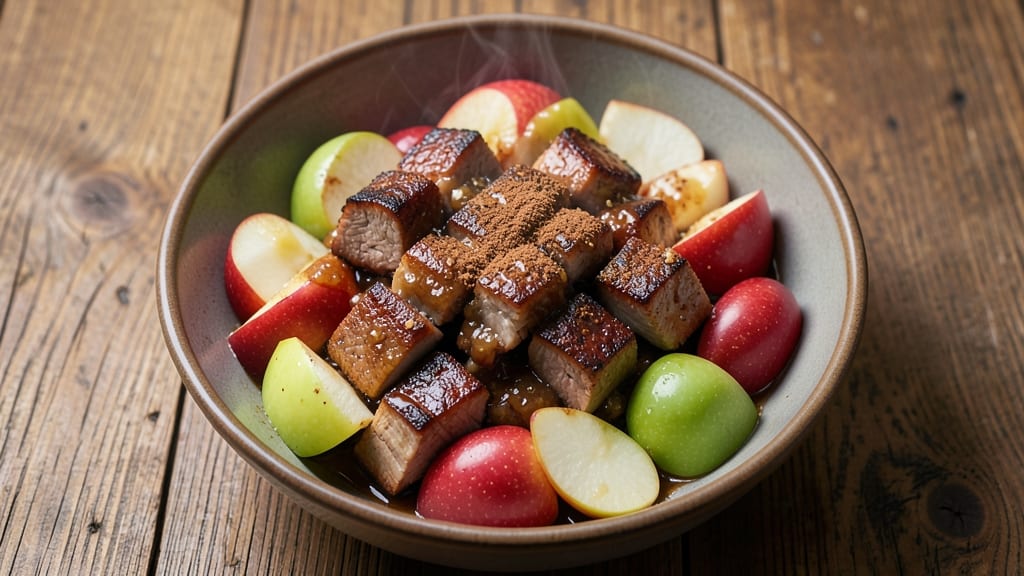
This pork and apple pie filling recipe transforms humble ingredients into a spiced caramelized masterpiece that belongs in any pie crust—sweet, savory, and perfectly balanced.
The secret lies in slow-cooking tender pork shoulder with apples until they melt into a rich, velvety filling that's far more complex than traditional fruit-only versions. I developed this after years of perfecting pork-based desserts at The Smoky Pig, where we proved meat and fruit could create harmony.
What makes this recipe special is the dual-texture magic: tender pork that practically dissolves on the tongue alongside caramelized apples that stay slightly crisp at the edges.
The spices—cinnamon, nutmeg, and a touch of clove—create warmth without overpowering, while a splash of apple cider vinegar adds brightness that cuts through the richness. This isn't just filling; it's a standalone dessert that deserves its own pie plate.
By the time you're done, you'll have a filling so decadent and versatile it works in classic apple pies, hand pies, or even as a topping for ice cream. The pork adds depth that fruit-only fillings can't match, while the apples provide that familiar comfort.
Every bite delivers sweet, savory, and spiced perfection in one spoonful. Store leftovers in the fridge for up to 5 days or freeze for 3 months—though I've never had any last that long. Let's create this filling that'll have everyone asking for seconds.
Ingredients for pork and apple pie filling
Six ingredients transform humble pork and apples into a spiced caramelized masterpiece.
| Ingredient | Amount | Notes |
|---|---|---|
| Pork Shoulder 🥓 | 2 lb | Bone-in for best flavor |
| Honeycrisp Apples 🍎 | 4 whole | Peeled, cored, sliced thin |
| Granny Smith Apples 🍎 | 2 whole | Peeled, cored, sliced thin |
| Unsalted Butter 🧈 | ½ cup | Cold, cubed for even melting |
| Light Brown Sugar 🍚 | 1 cup | Packed firmly |
| Ground Cinnamon 🌿 | 2 tsp | Freshly ground preferred |
| Ground Nutmeg 🌿 | ½ tsp | Freshly grated preferred |
| Ground Cloves 🌶️ | ¼ tsp | Freshly ground preferred |
| Apple Cider Vinegar 🍶 | 2 tbsp | For brightness and tang |
| Diamond Crystal Kosher Salt 🧂 | 1 tsp | Adjust to taste |
| Freshly Ground Black Pepper 🌶️ | ½ tsp | Freshly cracked preferred |
| All-Purpose Flour 🌾 | ¼ cup | For thickening if needed |
The pork shoulder is non-negotiable here—bone-in delivers deeper flavor than boneless. Costco or Whole Foods always have the best cuts, but any grocery store with a butcher counter will work. Look for well-marbled meat; that fat renders into flavor. Honeycrisp and Granny Smith apples are my go-to for contrast—sweet and tart—but any crisp variety (like Gala or Fuji) will work. Slice them uniformly so they cook evenly. The butter matters too—Plugrá or Land O'Lakes are reliable, but avoid salted varieties here.
No pork shoulder? Pork butt or even ham hock can work in a pinch, though the texture will differ slightly. Swapping apples? Pear varieties like Bosc add a lovely depth, but they need more sugar. The spices are where this filling shines—Penzeys Spices has the best ground cinnamon and nutmeg, but the grocery store stuff is fine. For vinegar, Bragg or Mott's are solid choices. If you're worried about the filling being too thick, the flour is your backup—but it shouldn't be needed with proper cooking time.
Store leftovers in an airtight container for up to 5 days, though I've never had any last that long. Freeze for 3 months if you're prepping ahead. The filling reheats beautifully—just warm it gently on the stove with a splash of water. For best results, use within 2 days of baking. I always make a double batch—one for pies, one for ice cream topping. The flavor only deepens overnight, so patience is key.
Why You'll Love This Recipe
- Here’s what sold me: the Honeycrisp’s juicy crunch meets the Granny Smith’s tang, all caramelized by the brown sugar until it’s dangerously good. Add a pat of butter at the end? Pure satisfaction—like biting into a pie without the crust (but way better).
- One-Pot Magic: I swear by this—just toss the pork shoulder, sliced apples, and spices into a Dutch oven, then let it slow down. No chopping boards full of mess, no multiple pans to wash. That rich pork fat renders into the apples while you sip coffee, and honestly? The house smells like autumn before the filling even thickens.
- Sweet-Savory Balance: Here’s what sold me: the Honeycrisp’s juicy crunch meets the Granny Smith’s tang, all caramelized by the brown sugar until it’s dangerously good. Add a pat of butter at the end? Pure satisfaction—like biting into a pie without the crust (but way better).
- Weeknight to Holiday: Between us, this filling is my secret weapon for pulled pork and apple crisp toppings. Serve it over mashed potatoes for a cozy weeknight, or spoon it into a pie crust for Thanksgiving. I’ve even used it as a glaze for roasted chicken—versatile enough to play hero in any meal.
Step-by-step instructions for pork and apple pie filling
Transforming savory pork shoulder and sweet apples into a rich, spiced filling is all about balance and patience.
Prepare the Pork Shoulder
Begin by placing the 2 lb pork shoulder on a cutting board. Using a sharp boning knife, trim away any excess fat, leaving about ¼ inch thickness for flavor. Cut the pork into 1-inch cubes—this size ensures even cooking and tender bites. Transfer the cubed pork to a large bowl.
In a small bowl, whisk together 2 tbsp apple cider vinegar, 1 tsp diamond crystal kosher salt, and 0.5 tsp freshly ground black pepper. Pour this marinade over the pork and toss gently to coat evenly. Let it sit at room temperature for 15 minutes while you prepare the apples. This step ensures the pork absorbs the tangy, spiced flavors before cooking.
Caramelize the Apples
In a large, heavy-bottomed skillet, melt the 0.5 cup unsalted butter over medium heat. Once the butter is fully melted and foaming, add the 4 whole honeycrisp apples and 2 whole granny smith apples, sliced thin. Cook the apples for 8-10 minutes, stirring occasionally, until they begin to soften and release their juices. The granny smith apples add a bright acidity that balances the sweetness of the honeycrisp.
Here's the thing—don't rush this step. You want the apples to caramelize slightly, developing a deep golden color and a syrupy texture. If the pan starts to dry out, add 1-2 tablespoons of water to prevent burning. Once the apples are tender but still hold their shape, remove them from the skillet and set aside in a bowl.
Cook the Pork and Build the Filling
Increase the heat to medium-high and add the cubed pork to the same skillet, spreading it out in a single layer. Cook the pork undisturbed for 5 minutes to develop a golden crust. Stir occasionally, breaking up any large pieces, and cook for an additional 5-7 minutes until the pork is no longer pink in the center. This ensures the meat is fully cooked while retaining its juiciness.
Reduce the heat to medium-low and return the caramelized apples to the skillet. Stir in the 1 cup light brown sugar, 2 tsp ground cinnamon, 0.5 tsp ground nutmeg, and 0.25 tsp ground cloves. Cook the mixture for 3-4 minutes, stirring frequently, until the sugar dissolves and the spices are fragrant. The filling should thicken slightly, coating the pork and apples in a glossy, spiced syrup.
Thicken the Filling
Sprinkle the 0.25 cup all-purpose flour over the filling and stir vigorously for 1-2 minutes until the mixture thickens. If the filling is too thick, add 1-2 tablespoons of water to loosen it to a spreadable consistency—it should coat the back of a spoon but still be thick enough to hold its shape when chilled. Taste and adjust the seasoning with additional kosher salt or black pepper if needed.
Remove the skillet from heat and let the filling cool for 10 minutes. This resting period allows the flavors to meld and the filling to set slightly, making it easier to handle when assembling your pie. The filling should have a rich, caramelized aroma with notes of warm spices, sweet apples, and savory pork.
Prepare for Baking or Storage
Transfer the filling to a clean bowl and press plastic wrap directly onto the surface to prevent a skin from forming. Let it cool completely at room temperature before using it to fill your pie crust. If you're not baking immediately, store the filling in an airtight container in the refrigerator for up to 3 days or freeze it for up to 3 months. When ready to bake, let the filling come to room temperature before assembling your pie.
For the best results, bake your pie at 375°F for 45-55 minutes, until the crust is golden brown and the filling is bubbling. The contrast of the buttery crust with the spiced pork and apple filling creates a harmonious balance of sweet, savory, and tangy flavors that will impress everyone at the table.
Pro Tips For Making Pork And Apple Pie Filling
- Trim the Fat First: Slice that pork shoulder against the grain after trimming off all visible fat—yes, even the stubborn bits near the bone. I learned this the hard way when my first batch turned greasy and unappetizing; the apples can’t handle excess fat, and the butter you’re adding later will work better without competing with it.
- Core Those Apples: Remove the cores and any tough stems from the Honeycrisp and Granny Smith—don’t just eyeball it. Use a paring knife to shave off the bottom of the core cavity too, or you’ll end up with a filling that tastes like you chewed on apple stems. (And trust me, you don’t want that.)
- Brown the Pork First: Sear the pork shoulder in batches over medium-high heat until deeply browned—this isn’t just for looks. The crust from the Maillard reaction will keep the filling from turning mushy when it bakes later. Skip this, and you’ll regret it when the texture comes out sad.
- Sweat the Apples: Cook the diced apples in the same pan as the pork, without adding butter or sugar, until they release their juices and soften slightly. This step builds flavor and prevents a watery filling—just don’t let them turn to mush, or you’ll have apple soup instead of pie filling. (Your future self will notice the difference.)
Common mistakes when making perfect results
Overcooking the Pork
I've seen this happen more times than I can count—pork shoulder that turns dry and stringy instead of tender and juicy. The key is patience: cook it until it reaches 165°F internal temperature but no higher.
Use a meat thermometer to check the thickest part, and resist the urge to crank up the heat. If your pork starts to brown too quickly, reduce the heat to medium-low and let it cook slowly.
Remember, pork shoulder is designed to be cooked low and slow, not blasted at high heat. 🌡️
Skipping the Vinegar
That splash of apple cider vinegar isn't just for tang—it's the secret to balancing flavors and preventing the filling from tasting flat. Without it, the sweetness of the apples and sugar can overwhelm the savory pork.
I've made this filling both ways, and trust me, the vinegar makes all the difference. Add it to the pork marinade and let it sit for those 15 minutes before cooking. It's worth the extra step.
Uneven Apple Cooking
Apples that are either mushy or still crunchy ruin the texture of the filling. The trick is to slice them uniformly—about ⅛ inch thick—and cook them just until tender but still holding their shape. If they start to brown too quickly, add 1-2 tablespoons of water to the pan.
I like to use a mix of Honeycrisp and Granny Smith because their contrasting flavors create depth, but any crisp apple will work if sliced consistently.
Ignoring the Resting Time
Rushing the 10-minute rest after cooking means the filling won't thicken properly, and the flavors won't meld. This is where the magic happens—let the filling sit while you finish prepping your pie crust.
The spices will bloom, the juices will redistribute, and the texture will firm up just enough to hold its shape. Skipping this step often leads to a runny filling that's hard to work with. Think of it like resting a steak—it makes all the difference. ⏳
Over-Thickening with Flour
The 0.25 cup flour is there as a backup, not a crutch. If your filling is too thick, add 1-2 tablespoons of water instead of dumping in extra flour. Too much flour can make the filling taste pasty and dull the flavors.
Stir vigorously for just 1-2 minutes—any longer, and you risk cooking the flour, which can add a grainy texture. Taste as you go and adjust gradually.
Using Pre-Cooked Pork
This filling relies on the pork's natural juices and rendered fat for moisture and flavor. Using pre-cooked pork—like leftover ham or rotisserie chicken—will leave you with a dry, flavorless filling. The pork shoulder needs to cook fresh in the skillet to develop that rich, caramelized depth.
If you're short on time, consider using a pork butt instead—it's more forgiving but still delivers great results when cooked properly. 🚫
Nutrition facts
Frequently asked questions
Can I substitute pork shoulder with another type of pork?
For a pork butt, use the same 2 lb amount—it's more forgiving and slightly fattier, which adds richness. If you're short on time, ham hock works too, but reduce to 1.5 lb since it's saltier. Avoid pre-cooked pork like ham or rotisserie chicken—they'll make the filling dry and flavorless.
How do I adjust the sweetness for kids or less sweet tooths?
Reduce the brown sugar to 0.75 cup and add 1 extra tbsp apple cider vinegar to balance. For extra tang, swap 1 tbsp sugar for cornstarch—it thickens without sweetness. Kids love the pork chunks, so focus on keeping those tender while adjusting the fruit sweetness.
Can I make this filling ahead and freeze it?
Yes! Cool the filling completely, then store in an airtight container for 5 days in the fridge or 3 months in the freezer. Thaw overnight in the fridge before using. Pro tip: Freeze in 1-cup portions for easy pie assembly. The flavors actually deepen when reheated gently with a splash of water.
What's the best pie crust pairing for this filling?
A buttery, double-crust pie with a lattice top works best—the lattice lets heat circulate while keeping the top crisp. For extra flakiness, use 1/2 cup cold butter in your crust dough. If you prefer a bottom crust only, brush it with egg wash before baking to prevent sogginess. The contrast of crisp crust and tender filling is what makes this dish special!
How can I use this filling beyond pies?
This versatile filling works as a stuffing for roasted pork tenderloin, a topping for vanilla ice cream, or even a dip for apple slices. For hand pies, use 1/2 cup filling per pie with a flaky crust. You can also spoon it over biscuits or cornbread** for a sweet-savory breakfast. The possibilities are endless—let your creativity guide you!